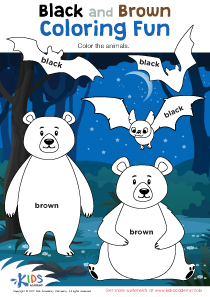
Phonics Skills English for Beginners Worksheets for Ages 3-6
3 filtered results
-
From - To
Discover our engaging Phonics Skills worksheets tailored specifically for beginners aged 3-6! These thoughtfully designed resources help young learners develop essential phonics and reading skills in a fun and interactive way. Each worksheet includes colorful illustrations and age-appropriate activities that make learning enjoyable, helping children recognize letters, sounds, and build vocabulary confidently. Perfect for classroom use or home learning, our worksheets support early literacy development while catering to various learning styles. Encourage your child's reading journey and enhance their phonics skills with our comprehensive collection designed for little learners. Start the adventure in learning today with our Phonics Skills worksheets!
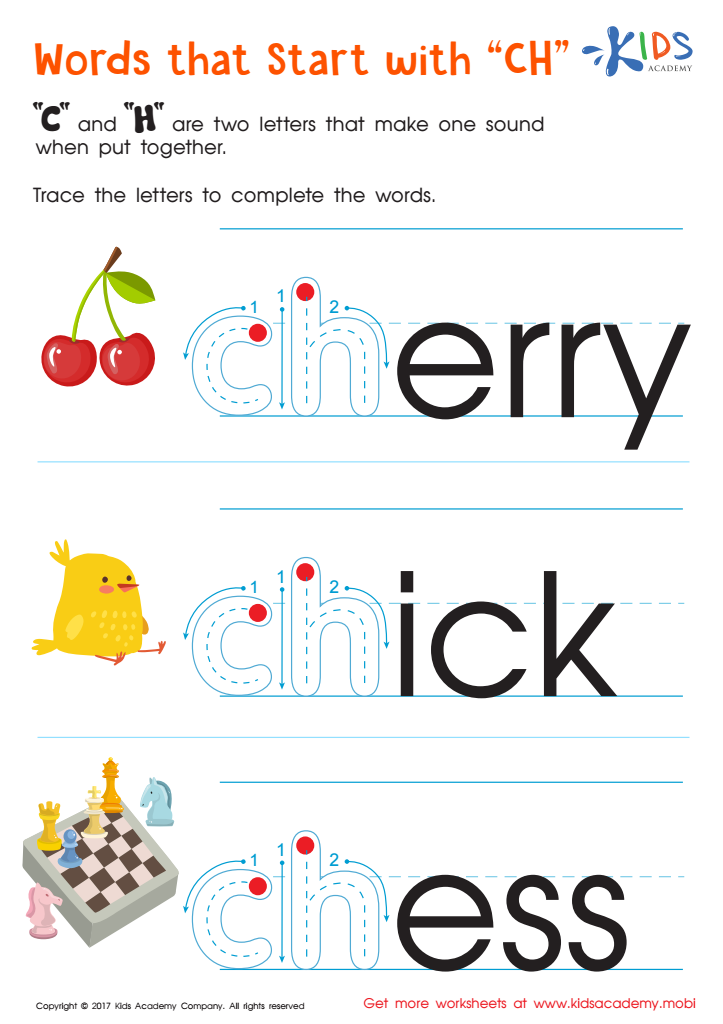
Words That Start with "ch" Spelling Worksheet
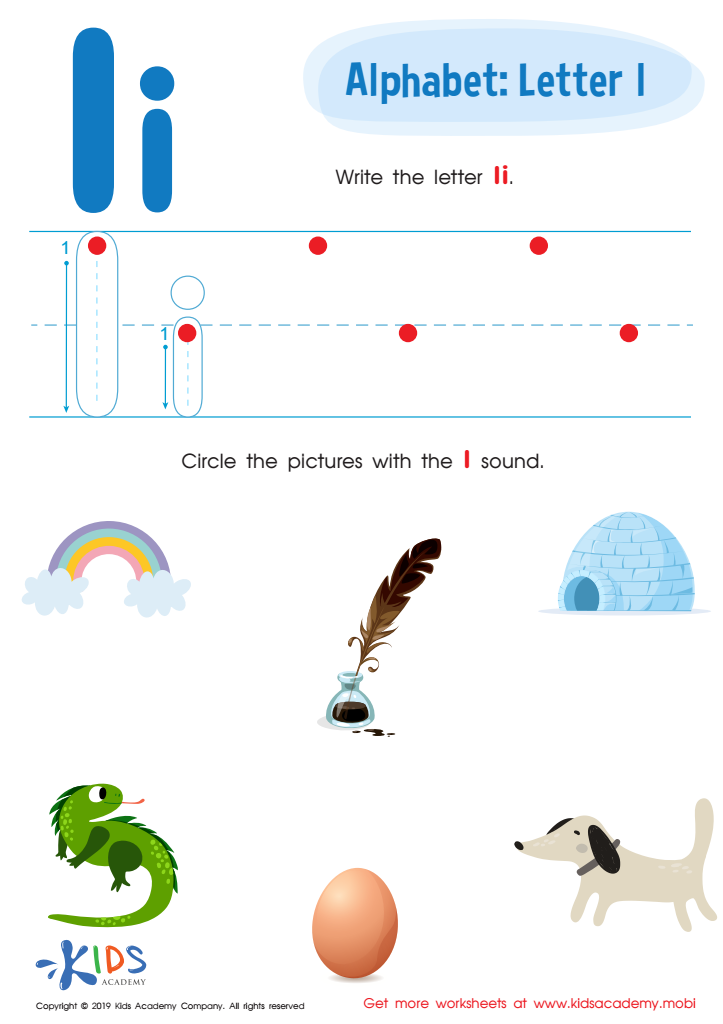
Letter I Tracing Worksheet

Long and Short E Worksheet
 Assign to My Students





Phonics skills are foundational for young children learning to read and write in English. For parents and teachers working with children aged 3 to 6, understanding and supporting phonics education is crucial for several reasons.
Firstly, phonics teaches children the relationship between sounds (phonemes) and letters (graphemes), which is essential for early literacy. By mastering phonics, children gain skills that help them decode words, enabling them to read independently and comprehend text, thereby fostering a love for reading.
Secondly, children who receive early phonics instruction are more likely to excel in later reading and writing skills. This foundational knowledge not only supports academic success but also builds confidence, reducing frustration and improving motivation in learning.
Additionally, phonics provides a systematic approach to understanding language, helping children grasp the structure of words, aiding vocabulary development, and enhancing spelling abilities.
Finally, engaging students in phonics activities, such as games and songs, promotes early social and emotional skills. By including phonics as part of early education, parents and teachers nurture essential literacy skills and set the stage for lifelong learning, making it a crucial priority in early education strategies.