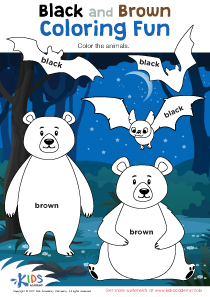
Vocabulary Enrichment English for Beginners Worksheets for Ages 3-6
6 filtered results
Difficulty Level
Grade
Age
-
From - To
Subject
Activity
Standards
Unlock your child's linguistic potential with our Vocabulary Enrichment Worksheets for Beginners, designed specifically for ages 3-6. These engaging worksheets focus on building essential vocabulary skills through fun and interactive activities. Tailored for young learners and ESL students, they offer colorful illustrations and relatable themes to captivate your child's imagination. Our resources promote familiarity with new words, improving language acquisition and retention. Whether in a classroom setting or at home, these worksheets create enjoyable learning experiences that boost confidence and communication. Get started today and watch your little one grow their vocabulary vocabulary in an exciting and effective way!
Favorites
With answer key
Interactive
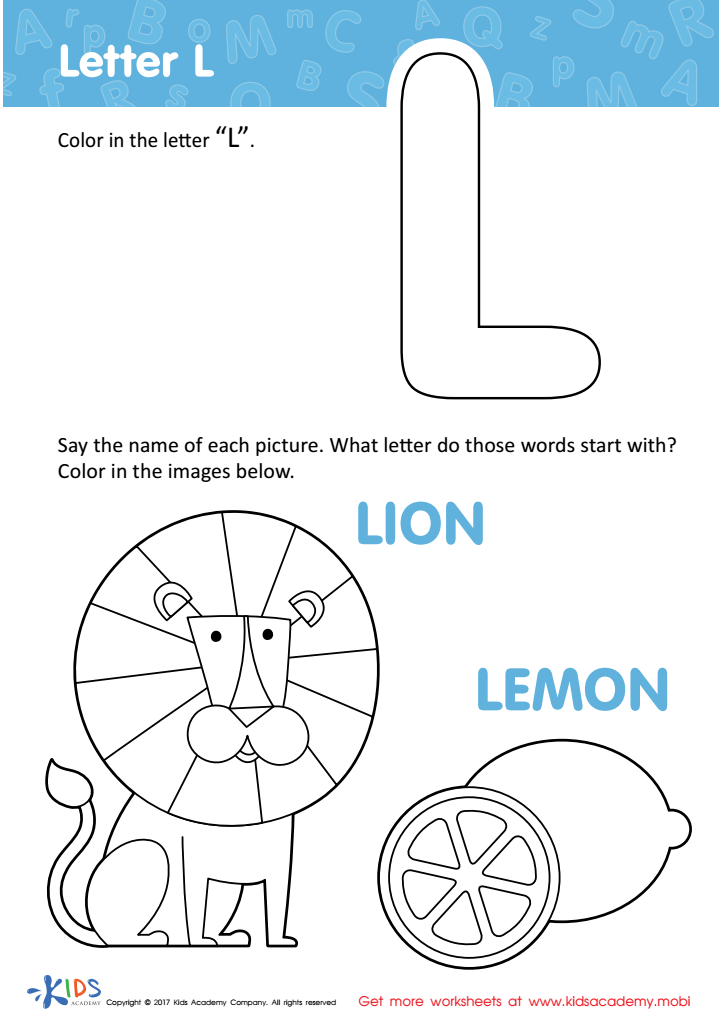
Letter L Coloring Sheet
Kids often struggle to say "L" and love it because so many things they love start with it! This coloring page combines the letter and fun images like a lemon and lion to teach and entertain!
Download (PDF)
 Assign to My Students
Assign to My Students
Letter L Coloring Sheet
Worksheet
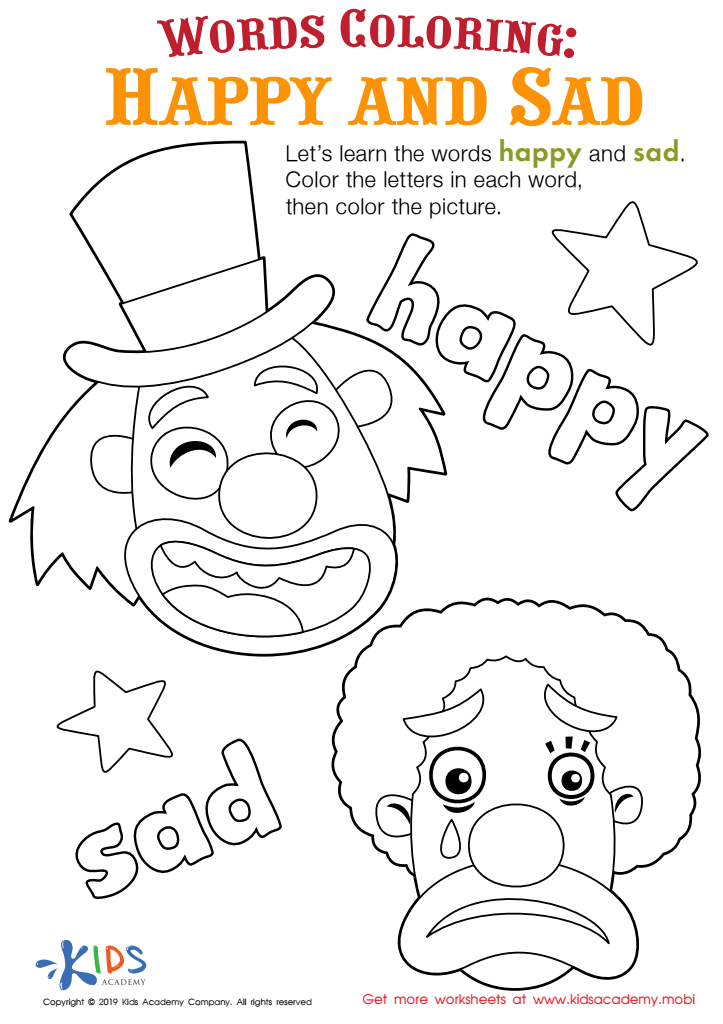
Happy and Sad Words Coloring Worksheet
Help students understand emotions by using this fun worksheet. It features smiling and sad clowns and the words 'happy' and 'sad'. Read the words with your students, then have them color the clowns and the emotion words. This PDF is an effective way to teach kids how to express how they feel.
Download (PDF)
Assign to My Students
Assign to My Students
Happy and Sad Words Coloring Worksheet
Worksheet
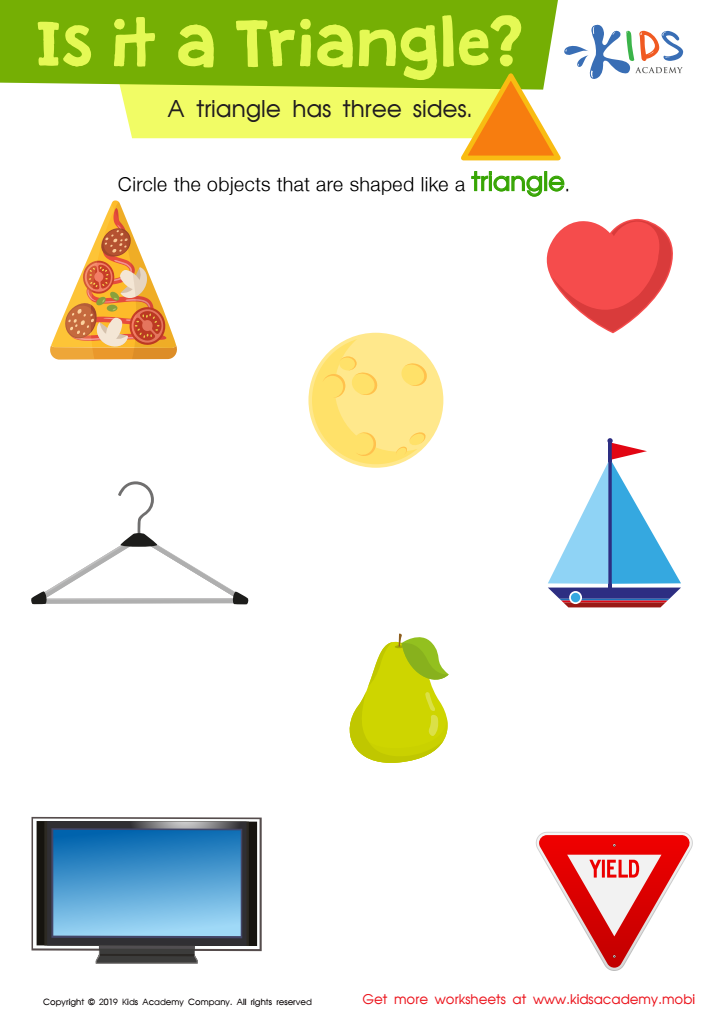
Is It a Triangle? Worksheet
Young kids need to learn to identify basic shapes for math. Show them what a triangle looks like with this fun worksheet. They can look around their environment for everyday objects shaped like a triangle and circle them on the sheet. Download now and start learning what a triangle is!
Is It a Triangle? Worksheet
Worksheet
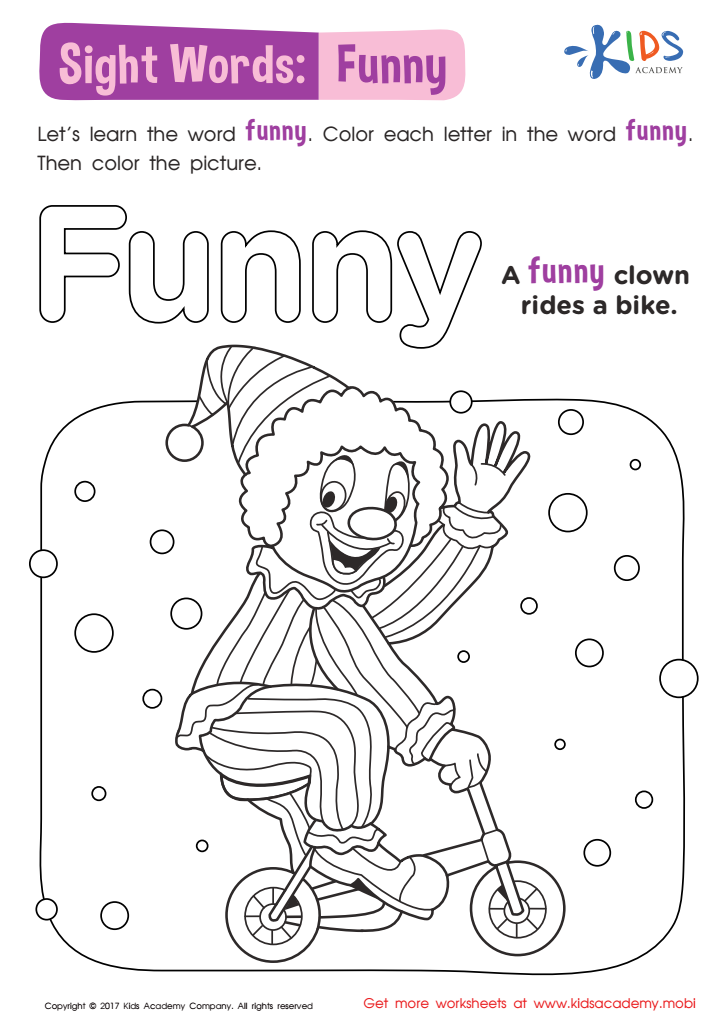
Funny Worksheet Sight Words Worksheet
Love humor? Introduce "funny" as a sight word with this fun worksheet! Have your child read the sentence then color the word in the center. Let them use their imagination to color the silly clown in any way they like!
Download (PDF)
Assign to My Students
Assign to My Students
Funny Worksheet Sight Words Worksheet
Worksheet
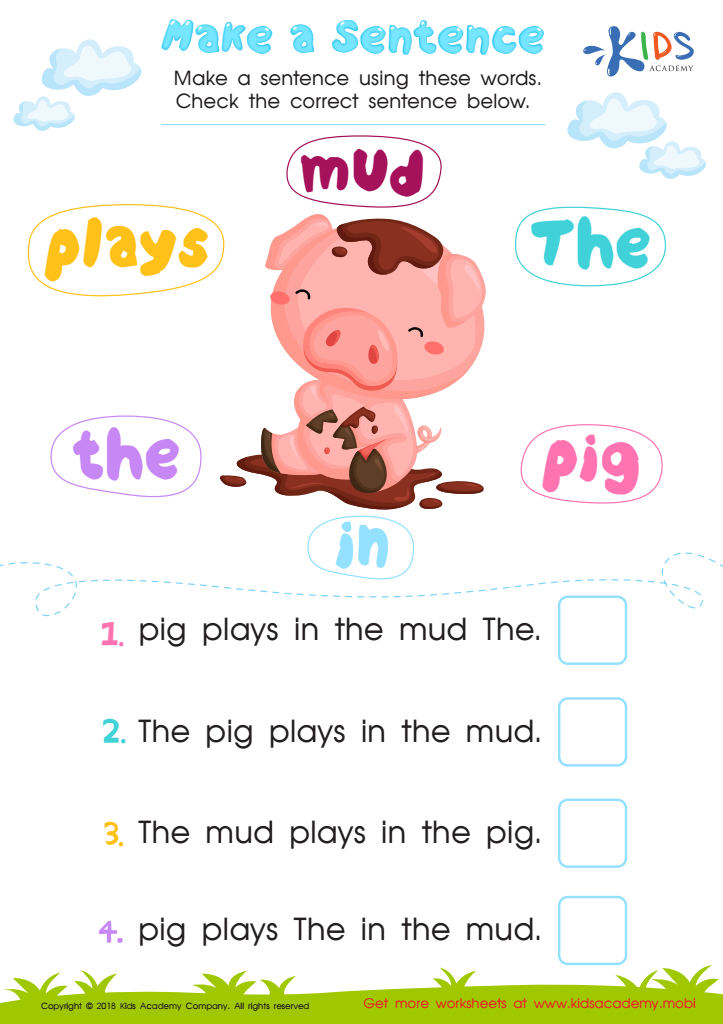
Assessment: Make a Sentence Worksheet
Help your kids identify the animal in the printout. Read the words in the bubbles and then read the four sentences in the options 1 – 4. Ask them to check the box with the correct sentence.
Assessment: Make a Sentence Worksheet
Worksheet
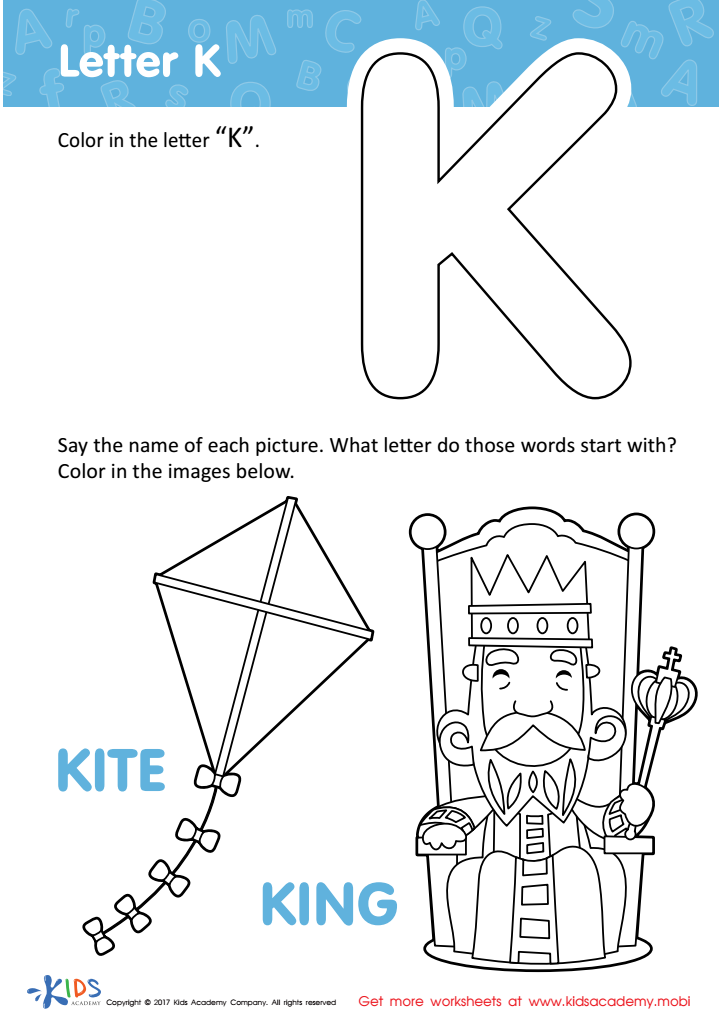
Letter K Coloring Sheet
This letter K coloring page captivates your child's creativity while learning the letter! Showcasing a king and kite, common words for their age group, it's sure to spark their imagination.
Download (PDF)
Assign to My Students
Assign to My Students
Letter K Coloring Sheet
Worksheet
Join Kids Academy for Free
Who is primarily going to use this learning content?




Vocabulary enrichment for children aged 3-6 is crucial as it lays the foundation for lifelong language skills and literacy development. Young children are naturally curious and absorb language through their experiences. By providing them with rich vocabulary exposure, parents and teachers can enhance their communication skills, enabling children to express their thoughts and feelings more effectively.
At this developmental stage, vocabulary acquisition is closely linked to cognitive growth. A robust vocabulary allows children to comprehend more complex ideas and improves their ability to engage in conversations. Furthermore, early language skills correlate with later academic success; a strong vocabulary in early childhood can lead to better reading comprehension and overall literacy in later grades.
Incorporating vocabulary enrichment activities, such as storytelling, singing, and play-based learning, not only makes learning fun but also engages different learning styles. Parents and teachers should focus on introducing new words in context, helping children understand and retain them better.
Investing in vocabulary enhancement during these formative years promotes social skills, boosts confidence, and supports emotional intelligence. Ultimately, prioritizing vocabulary development in young learners is essential for cultivating an enriched learning environment that fosters overall growth and enthusiasm for learning.