Alphabetical understanding Worksheets for Ages 3-6
3 filtered results
-
From - To
Discover our engaging Alphabetical Understanding Worksheets designed specifically for children ages 3-6. These worksheets are perfect for helping young learners explore the alphabet through fun activities that boost letter recognition and phonemic awareness. With colorful illustrations and interactive tasks, kids will develop essential skills while enjoying the learning process. Our resources cover a range of concepts, such as uppercase and lowercase letters, letter matching, and initial sounds, ensuring a well-rounded educational experience. Empower your child’s early literacy journey with these creative and effective worksheets, perfect for use at home or in the classroom. Let's make learning the alphabet fun and exciting!
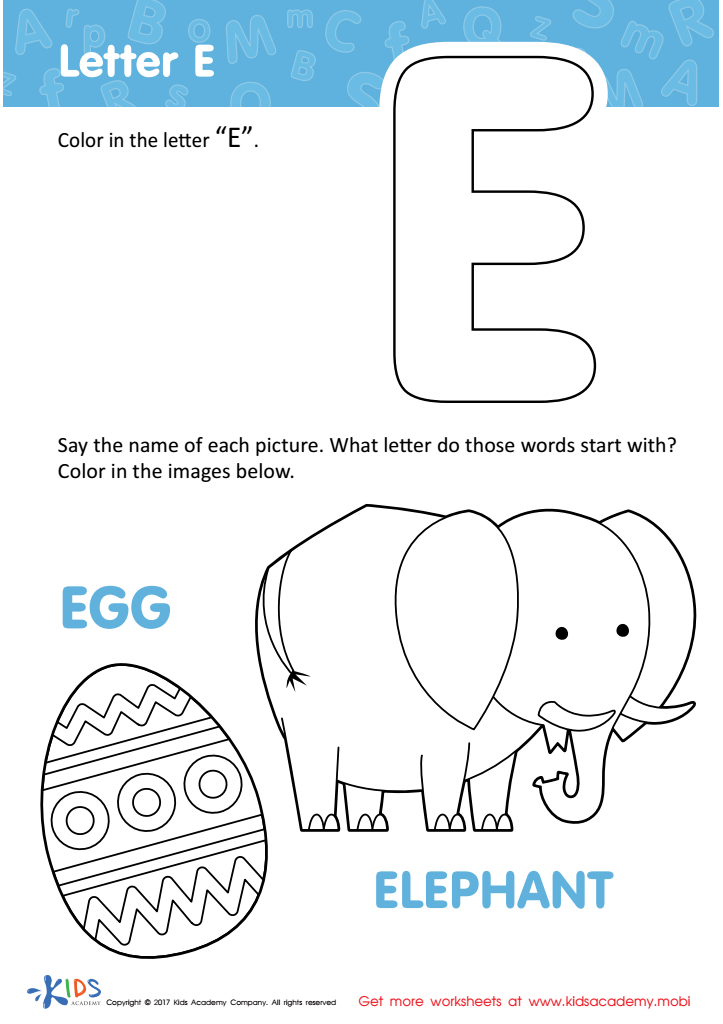
Letter E Coloring Sheet
 Assign to My Students
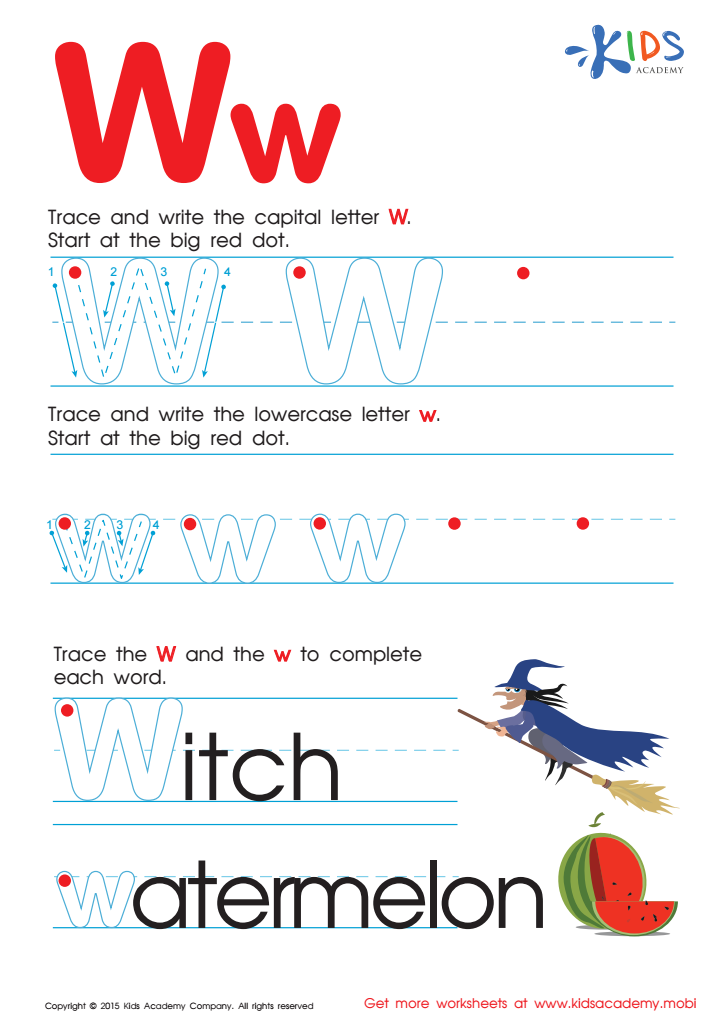
Letter W Tracing Page
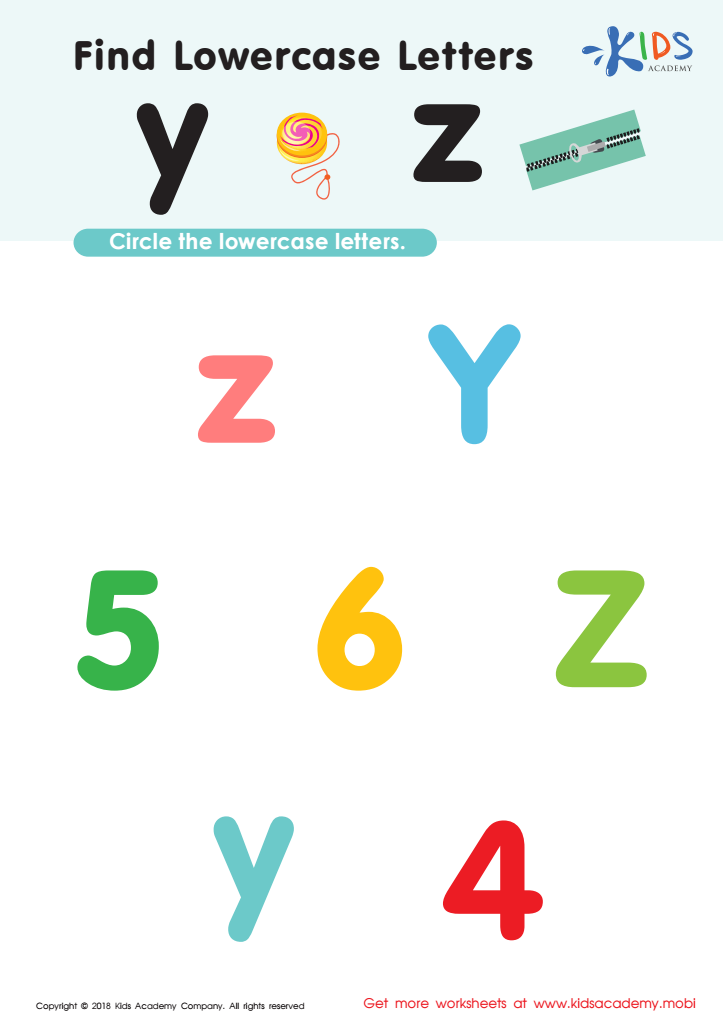
Find Lowercase Letters y z Worksheet








Alphabetical understanding is a foundational skill critical for early literacy development in children aged 3-6. At this stage, children begin to develop phonemic awareness—the ability to hear and manipulate sounds—which is essential for reading and spelling. By recognizing letters and understanding that they represent sounds, children gain the skills to decode words, paving the way for reading competence.
Parents and teachers should care about fostering alphabetical understanding because it sets the groundwork for academic success. Children who grasp letter recognition and sounds are more likely to excel in their reading skills, leading to greater confidence and enthusiasm for learning. Moreover, this foundational skill enhances vocabulary development, comprehension, and writing abilities as they grow.
Engaging children in activities like reading together, playing with letter blocks, and singing the alphabet fosters a fun learning environment. These experiences not only strengthen relationships between adults and children but also stimulate cognitive development through interactive play. By prioritizing alphabetical understanding, adults play a crucial role in equipping young learners with the tools they need to navigate their educational journey effectively, ultimately contributing to their long-term academic achievements and personal growth.








