Basic Arithmetic Worksheets for Ages 3-6 - Page 3
52 filtered results
-
From - To
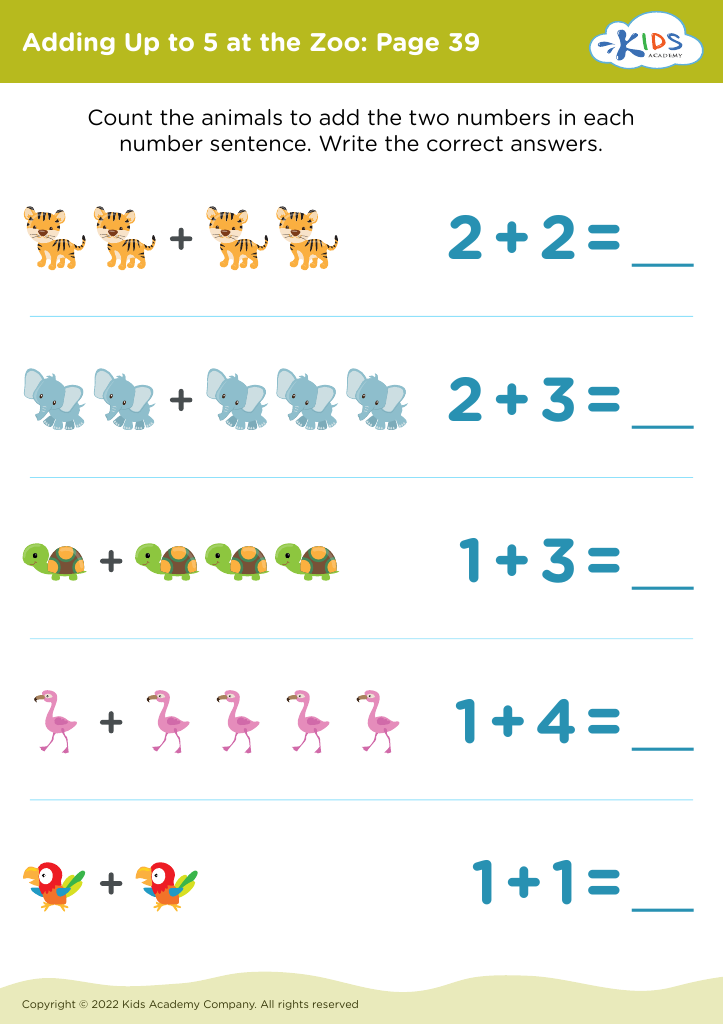
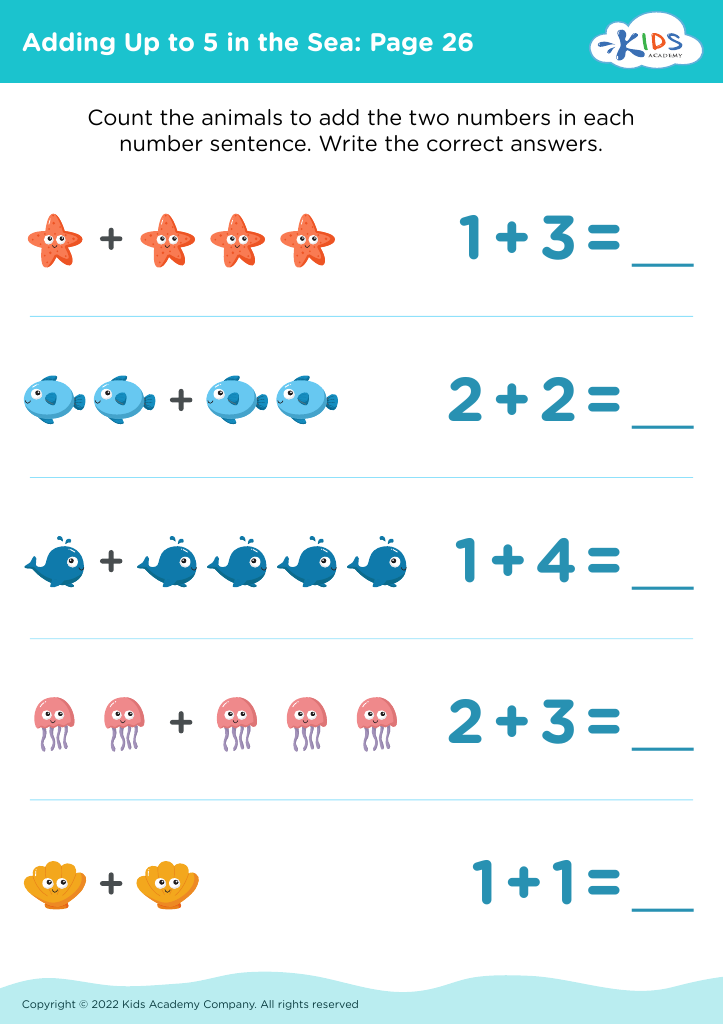
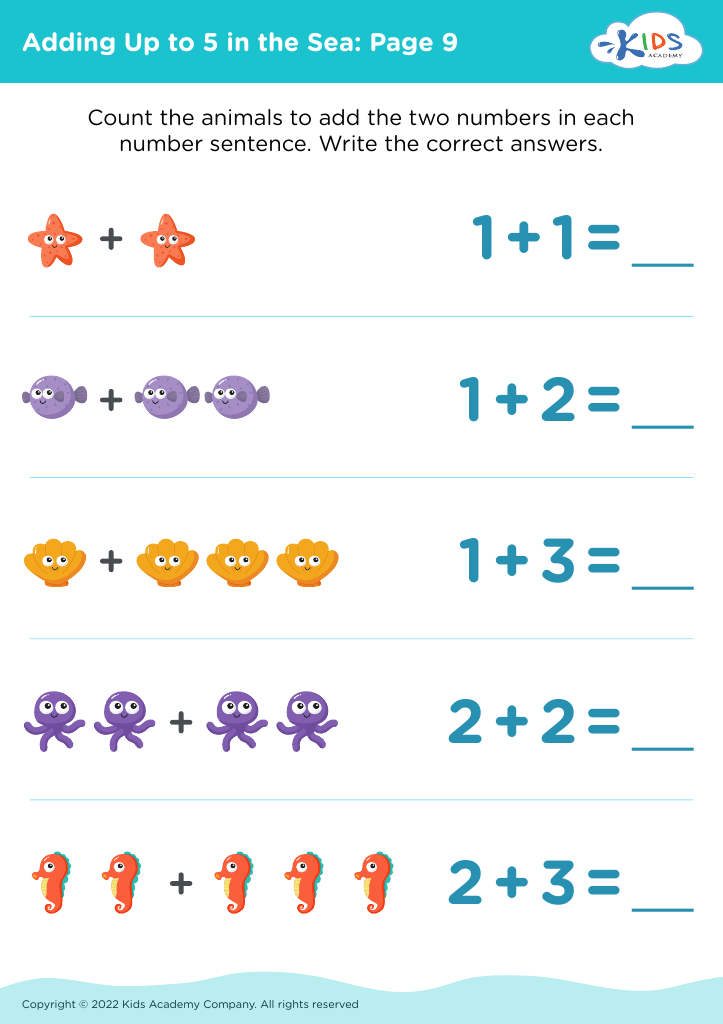
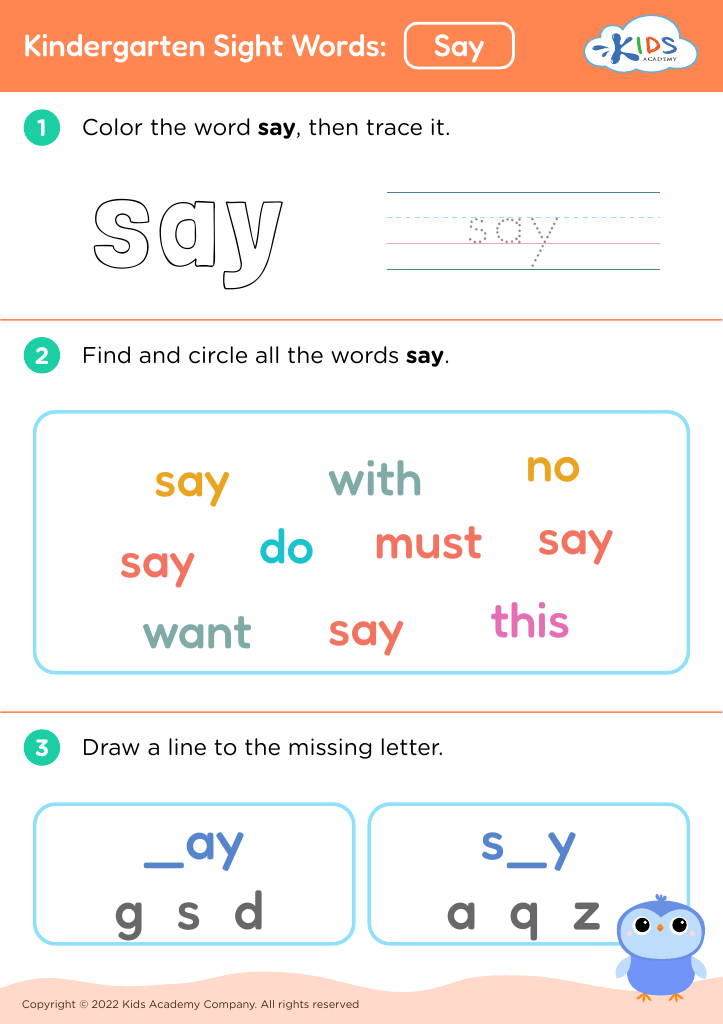






Basic arithmetic is a foundational skill that sets the stage for a child's future learning, making it important for parents and teachers to prioritize this aspect of early education. Children between ages 3-6 are naturally curious and highly adaptable, making this period ideal for introducing fundamental math concepts. Mastering basic arithmetic—like counting, addition, and subtraction—enhances cognitive development, critical thinking, and problem-solving skills.
Engaging in simple games, songs, and hands-on activities can make learning arithmetic fun, fostering a positive attitude toward math and encouraging lifelong learning. Furthermore, these early math skills are closely linked to literacy and language development. As children learn to count and categorize, they also engage with vocabulary related to quantity and relationships, bolstering their overall language skills.
Additionally, strong basic arithmetic abilities can boost a child’s self-esteem, promoting confidence in their academic abilities as they progress through school. This early love for numbers can help mitigate future math anxiety, building a stronger academic foundation that supports success in later grades. Ultimately, investing time in early arithmetic education nurtures not just mathematicians but well-rounded individuals equipped to tackle various challenges in life. Therefore, parents and teachers should view basic arithmetic as an invaluable component of early childhood development.








