Basic Math Skills Worksheets for Ages 3-6 - Page 6
126 filtered results
-
From - To
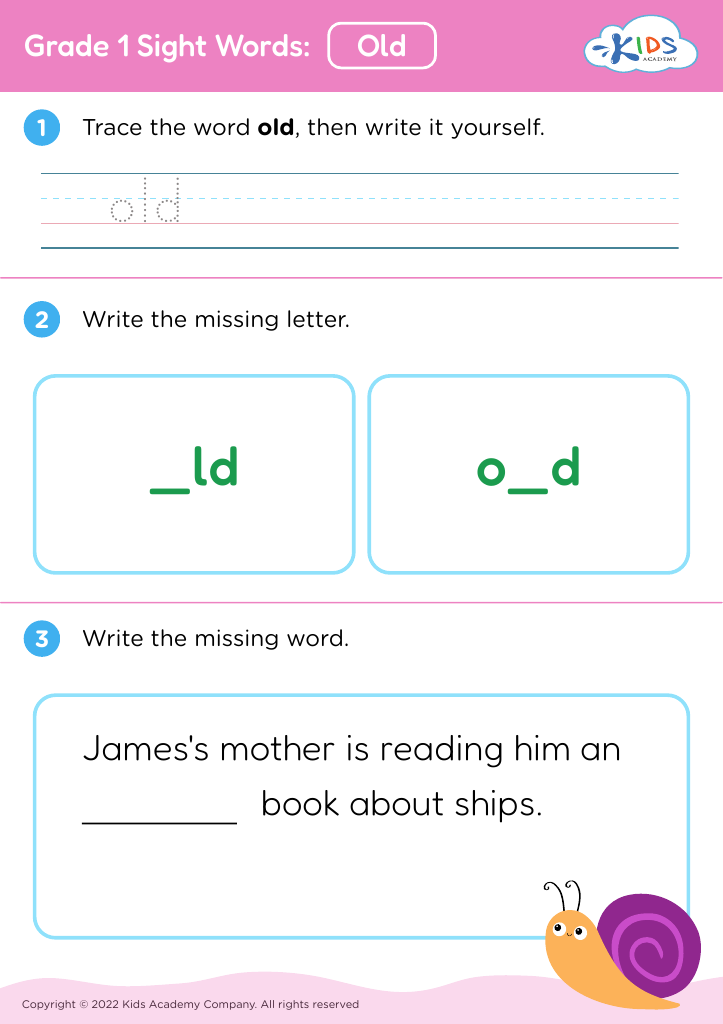
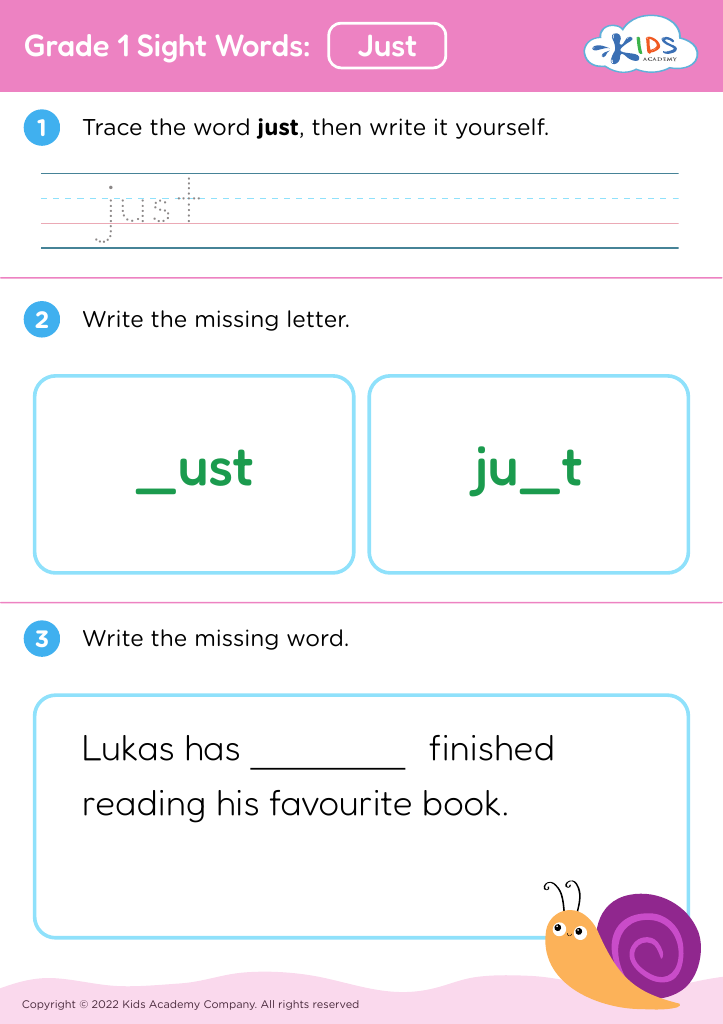
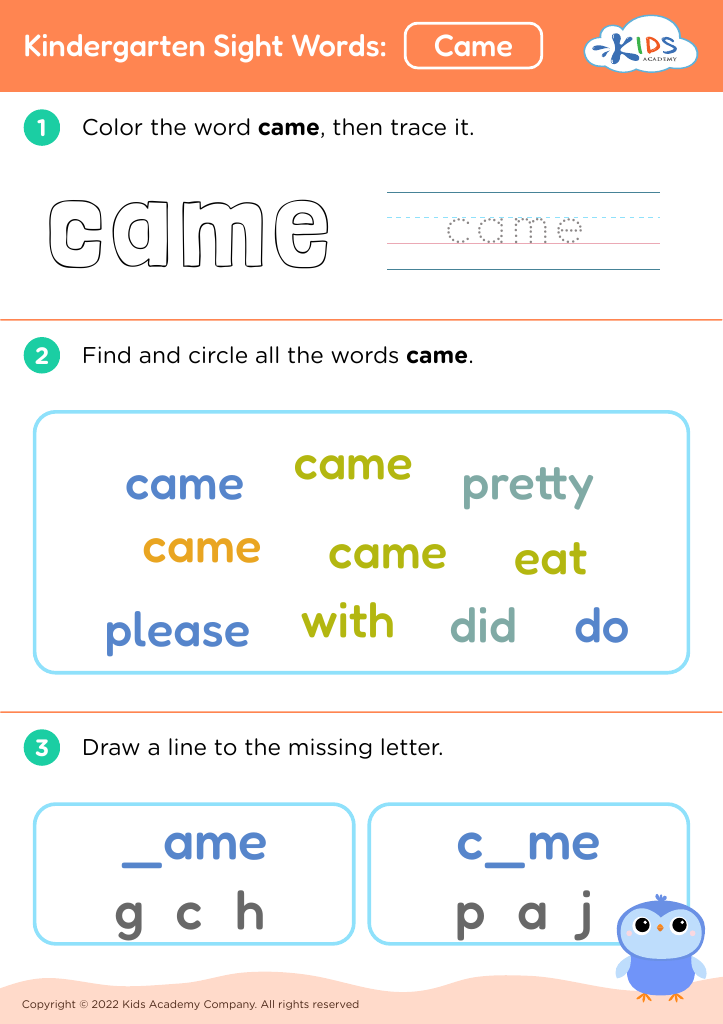
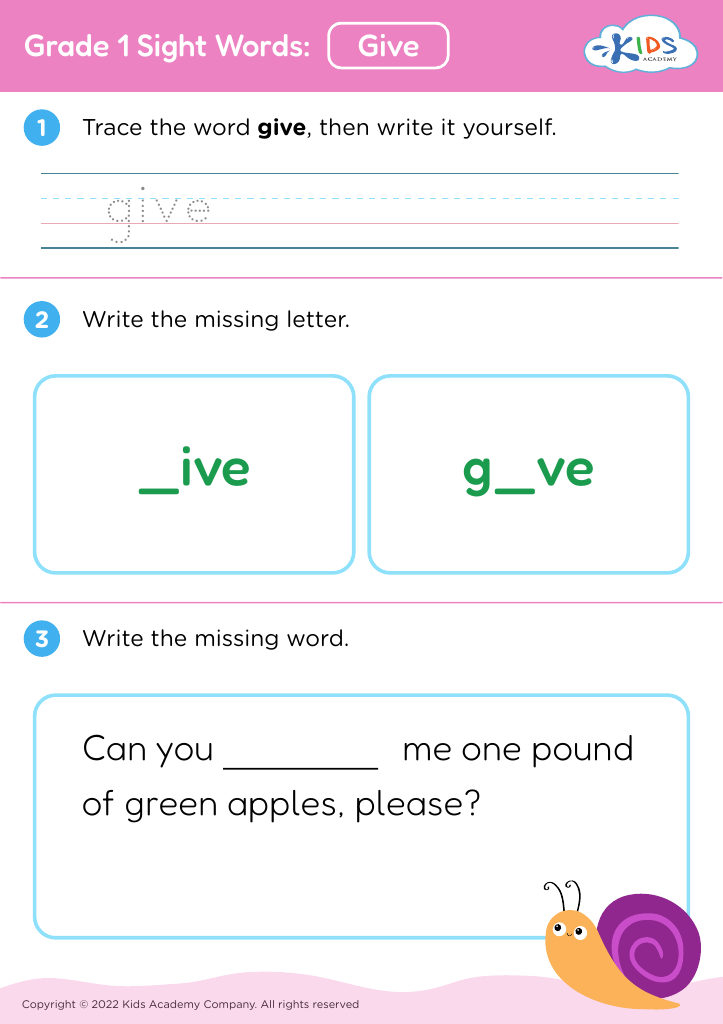







Caring for the development of basic math skills in children aged 3-6 is crucial for several reasons. First, this age range represents a pivotal period for cognitive development, where children begin to understand numbers, quantities, and mathematical concepts. Early exposure to math lays the foundation for problem-solving skills, logical reasoning, and critical thinking.
Second, integrating basic math skills into daily activities makes learning engaging. Simple activities like counting toys, identifying shapes, or measuring ingredients while cooking not only make math relatable but also nurture a child’s curiosity and enthusiasm for learning.
Moreover, a strong foundation in math boosts future academic success. Studies indicate that early math skills are a predictor of later achievement in mathematics and other subjects.
Lastly, imparting these skills fosters confidence—children who feel competent in early math are more likely to engage with math-related challenges throughout their education.
In essence, fostering basic math skills in young children empowers them, equipping them with tools that they will carry into their futures in both academic and real-world situations. Parents and teachers play an indispensable role in this developmental journey, making it crucial for them to prioritize early math learning experiences.








