Filters

373 filtered results

Clear all filters
Favorites
With answer key
Interactive

373 filtered results

Difficulty Level

Grade


Check out this FREE "Counting skills" Trial Lesson for age 3-6!

Match Objects that Fit Together

Favorites
With answer key
Interactive
  • 3-6
  • Counting skills
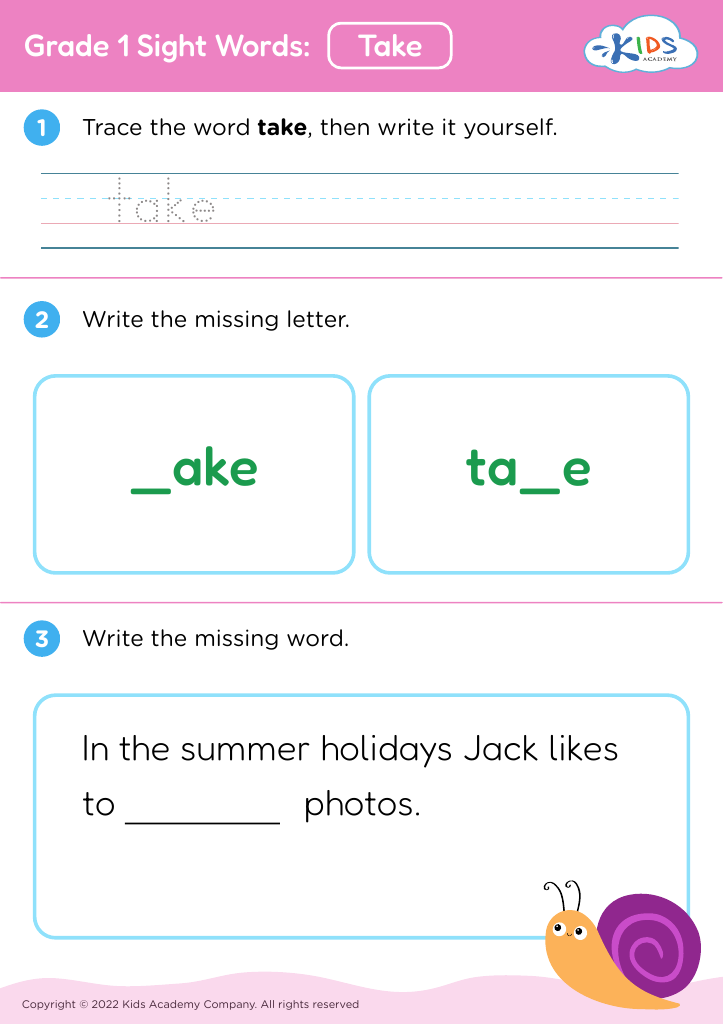
Grade 1 Sight Words: Take

Grade 1 Sight Words: Take

Grade 1 Sight Words: Take
Worksheet
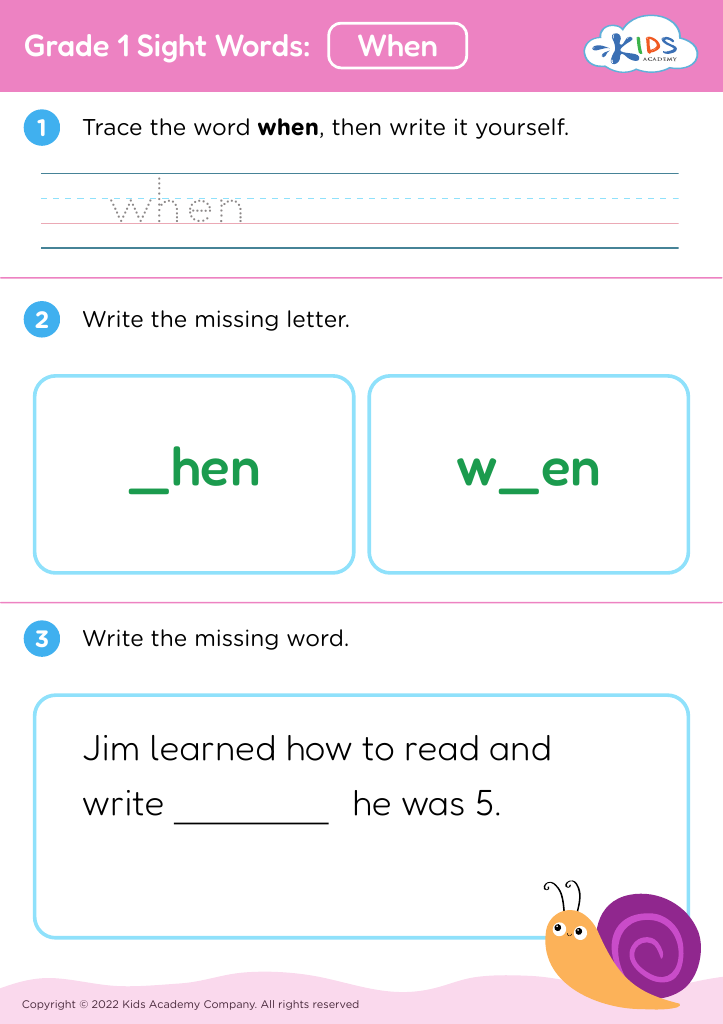
Grade 1 Sight Words: When

Grade 1 Sight Words: When

Grade 1 Sight Words: When
Worksheet
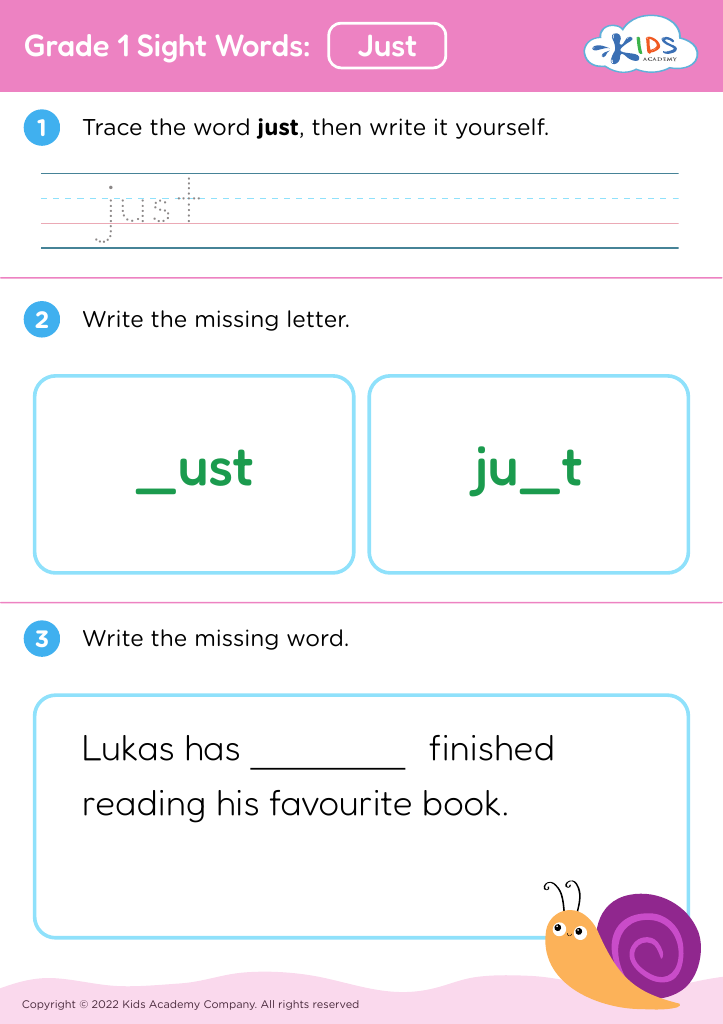
Grade 1 Sight Words: Just

Grade 1 Sight Words: Just

Grade 1 Sight Words: Just
Worksheet
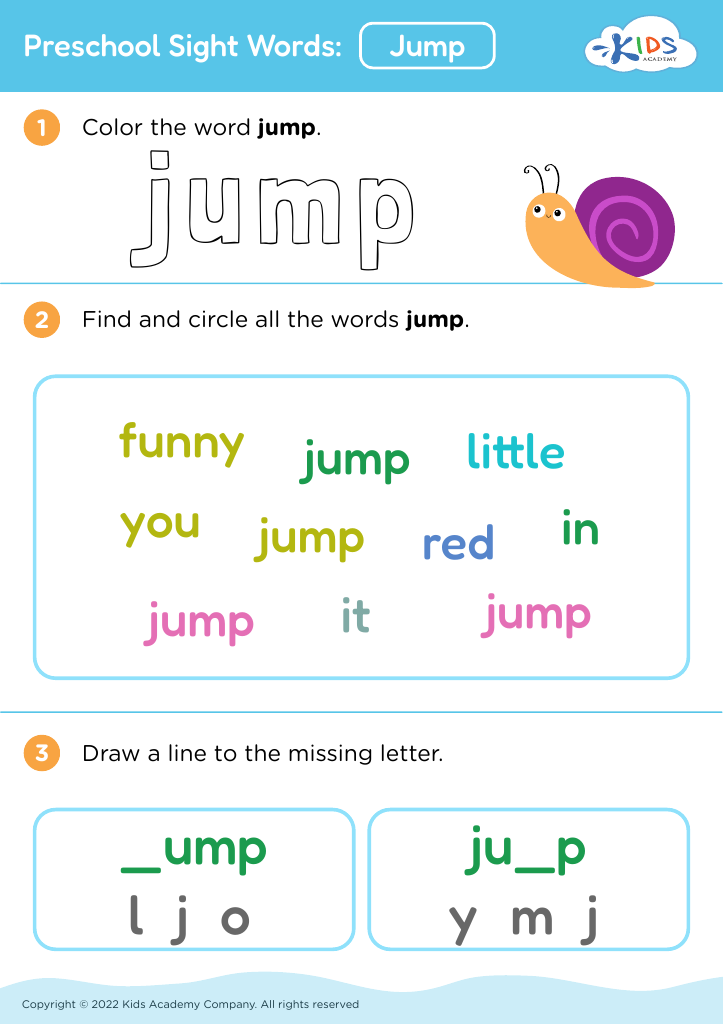
Preschool Sight Words: Jump

Preschool Sight Words: Jump

Preschool Sight Words: Jump
Worksheet
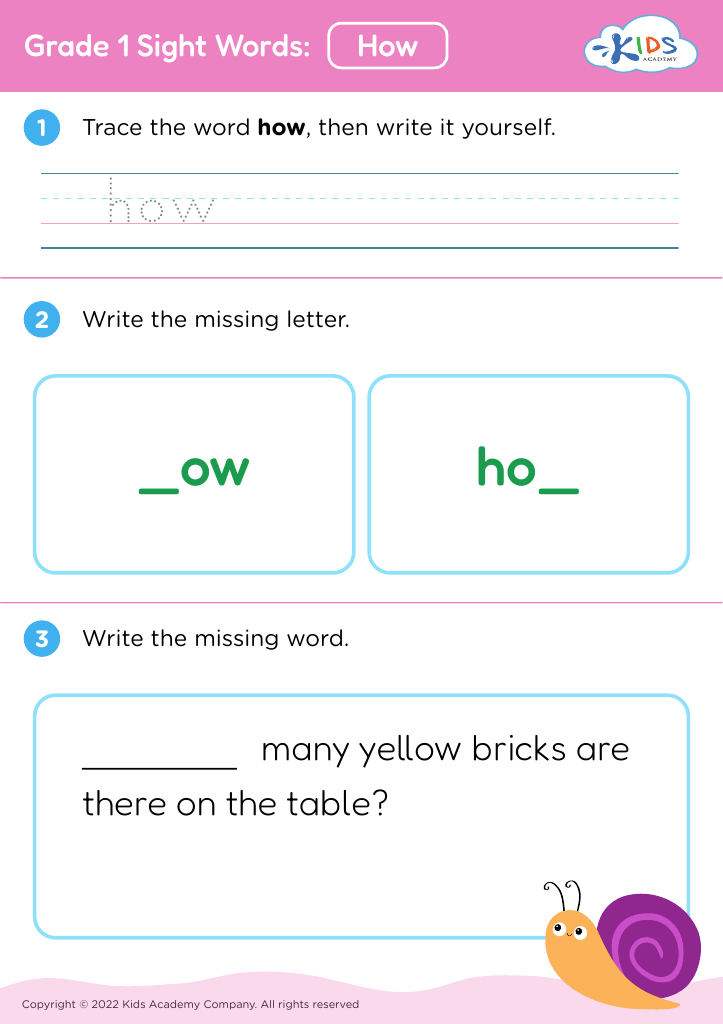
Grade 1 Sight Words: How

Grade 1 Sight Words: How

Grade 1 Sight Words: How
Worksheet
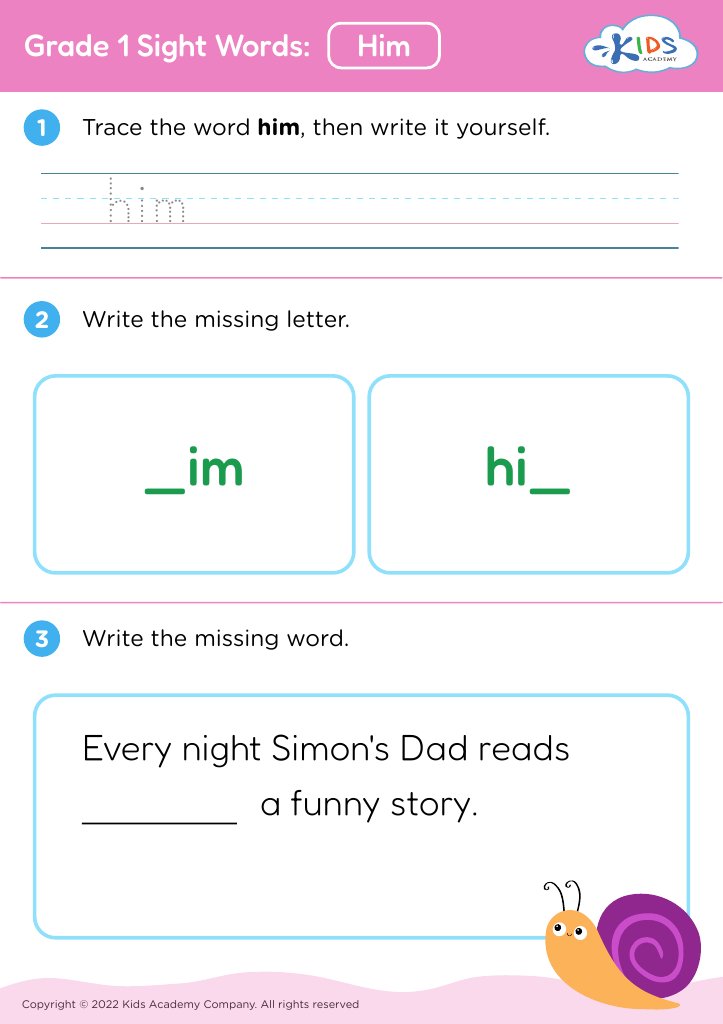
Grade 1 Sight Words: Him

Grade 1 Sight Words: Him

Grade 1 Sight Words: Him
Worksheet
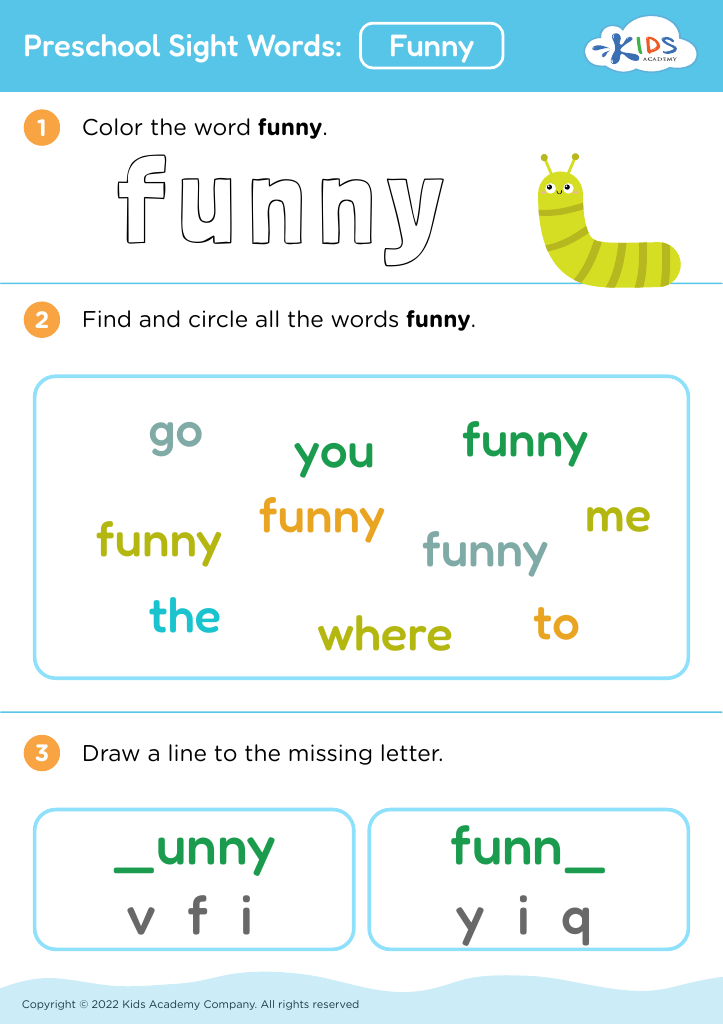
Preschool Sight Words: Funny

Preschool Sight Words: Funny

Preschool Sight Words: Funny
Worksheet
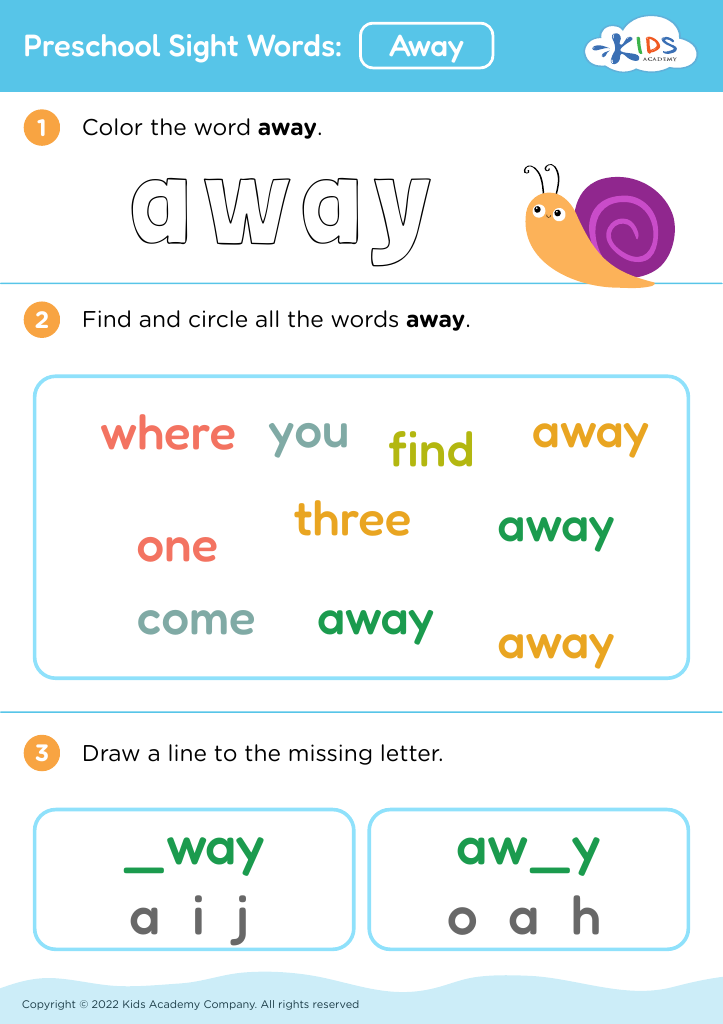
Preschool Sight Words: Away

Preschool Sight Words: Away

Preschool Sight Words: Away
Worksheet
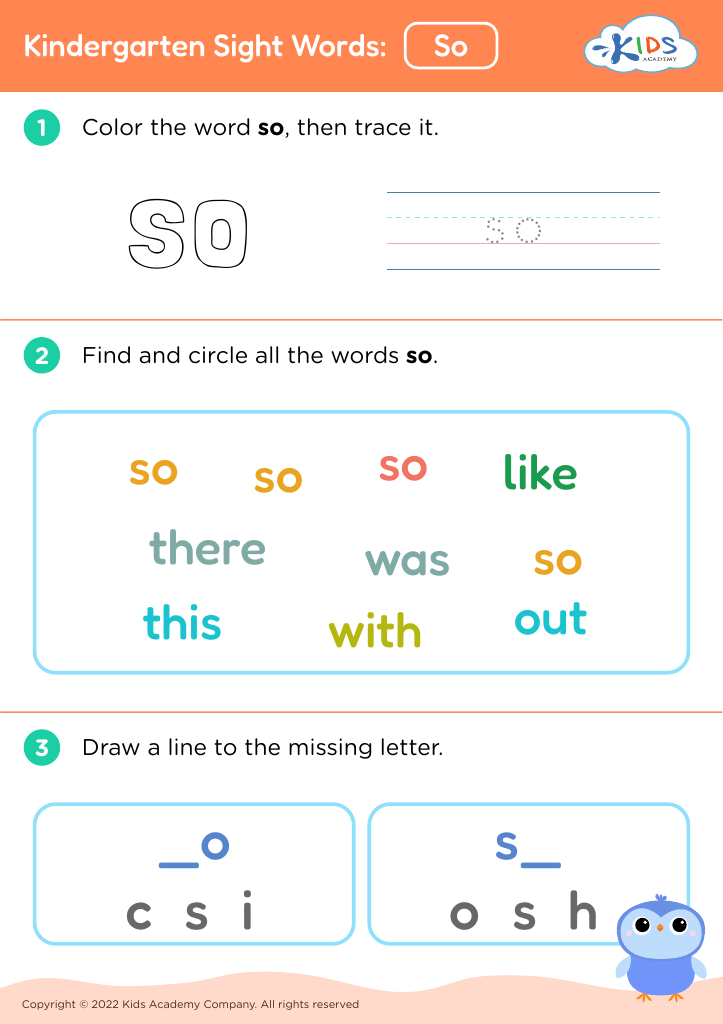
Kindergarten Sight Words: So

Kindergarten Sight Words: So

Kindergarten Sight Words: So
Worksheet
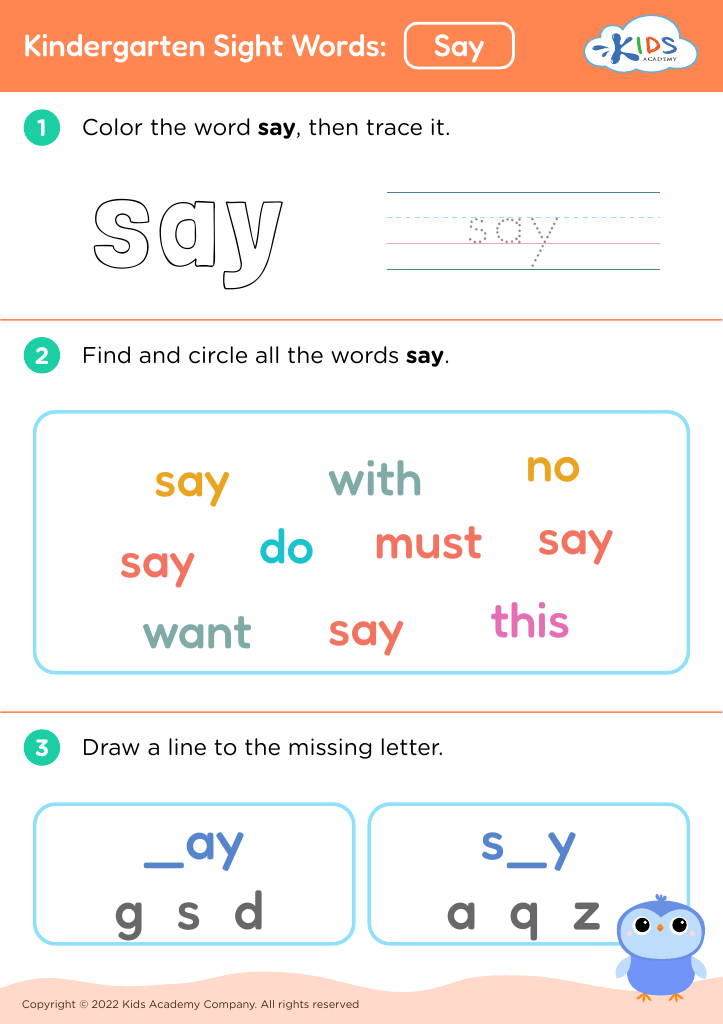
Kindergarten Sight Words: Say

Kindergarten Sight Words: Say

Kindergarten Sight Words: Say
Worksheet
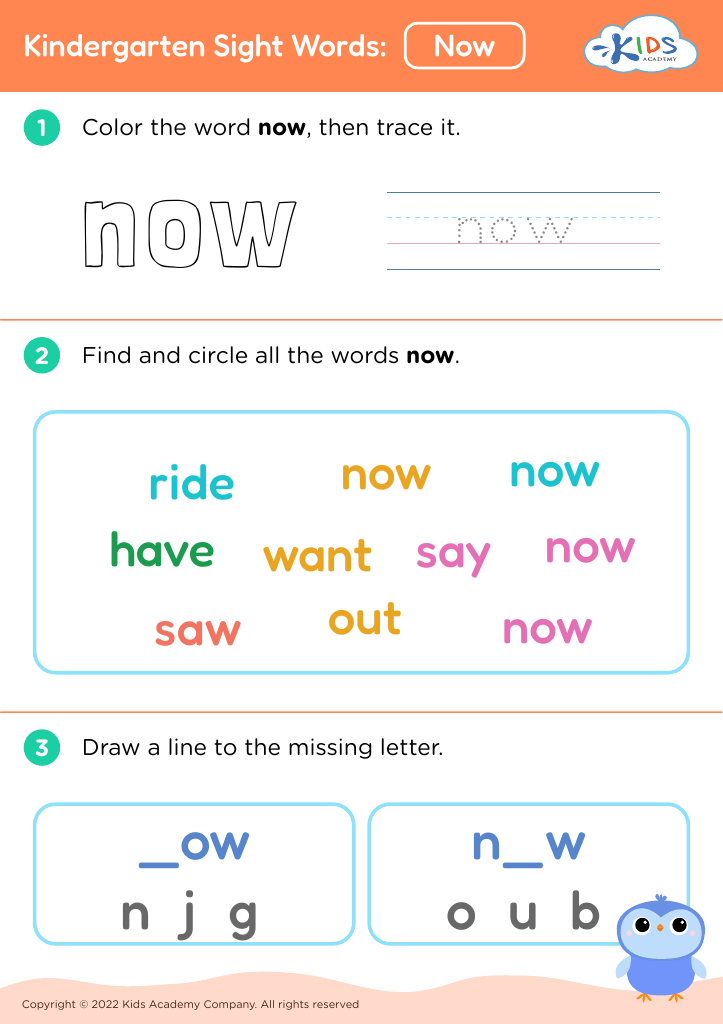
Kindergarten Sight Words: Now

Kindergarten Sight Words: Now

Kindergarten Sight Words: Now
Worksheet
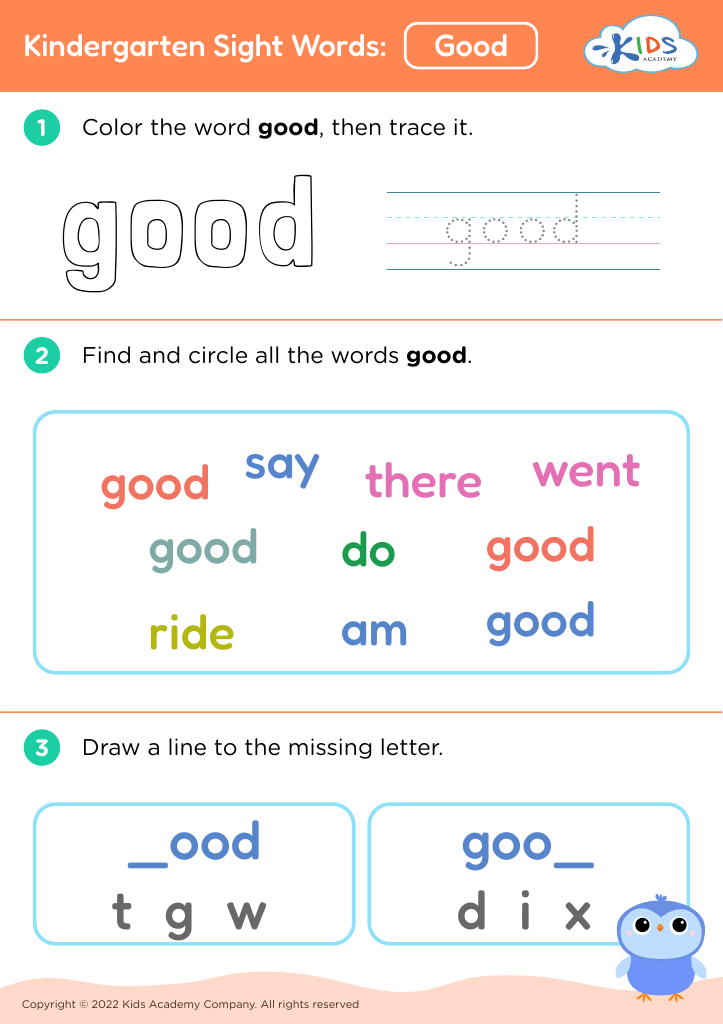
Kindergarten Sight Words: Good

Kindergarten Sight Words: Good

Kindergarten Sight Words: Good
Worksheet
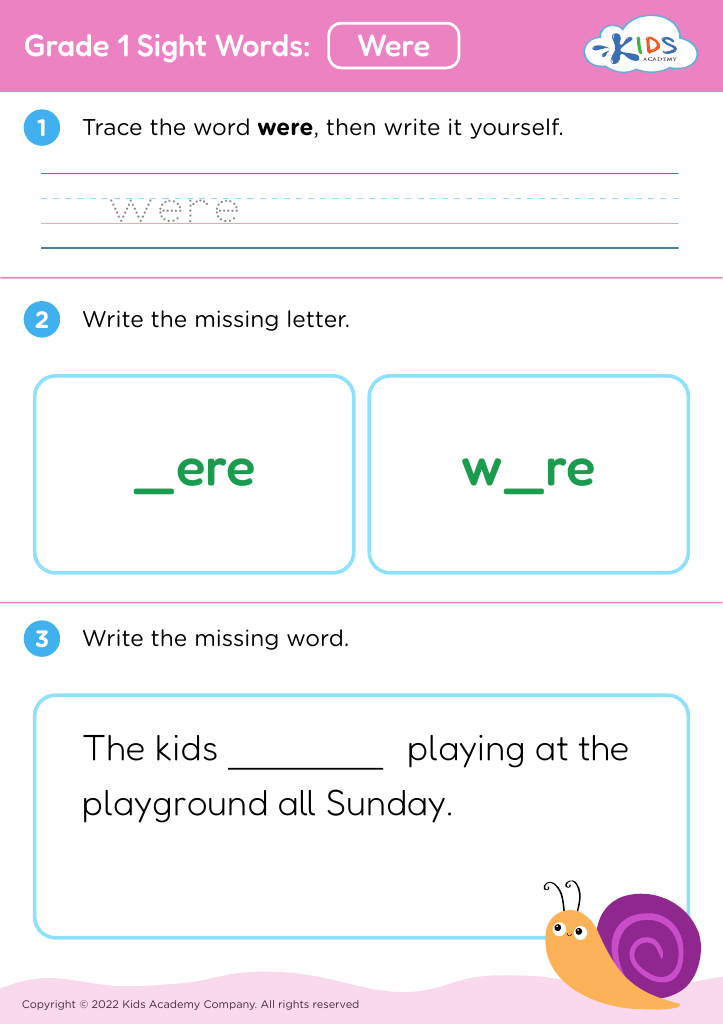
Grade 1 Sight Words: Were

Grade 1 Sight Words: Were

Grade 1 Sight Words: Were
Worksheet


... 15 16

Counting skills form the foundation for mathematical understanding and cognitive development in children ages 3-6. Mastery of counting improves number recognition, enabling children to understand numerical order and relationships between numbers. When parents and teachers focus on developing these skills, they foster abilities that go beyond math, including logical thinking, problem-solving, and sequencing skills.

At this critical developmental stage, a child's brain is highly receptive to new information. Engaging in counting activities stimulates neural pathways that are essential for future learning. Through playful interactions such as counting objects, stairs, or even snack items, children practice one-to-one correspondence and develop a sense of quantity and place value.

Counting also nurtures language skills as children learn the words associated with numbers and their correct pronunciation. This contributes to a broader vocabulary and better communication abilities.

Moreover, early counting skills are predictive of academic success. Studies show that a strong grasp of early math concepts often results in higher achievement in later grades. By prioritizing counting skills, parents and teachers lay the groundwork for a positive attitude towards learning and academic preparedness, setting children up for long-term success. Therefore, paying attention to counting skills in early childhood is essential for holistic development and future academic achievement.