Decision making practice Worksheets for Ages 3-6
5 filtered results
-
From - To
Empower your little ones with our engaging "Decision Making Practice Worksheets for Ages 3-6"! Perfectly tailored for young minds, these worksheets help children sharpen their decision-making skills in fun, interactive ways. Through diverse activities involving easy-to-understand scenarios, kids learn to weigh options and make choices confidently. Whether they're deciding on their favorite snack or choosing a toy to play with, these exercises instill critical thinking and foster independence. Support your child’s growth with resources designed to nurture their problem-solving abilities and prepare them for future decisions. Enhance learning and fun with Kids Academy's expertly crafted decision-making worksheets!
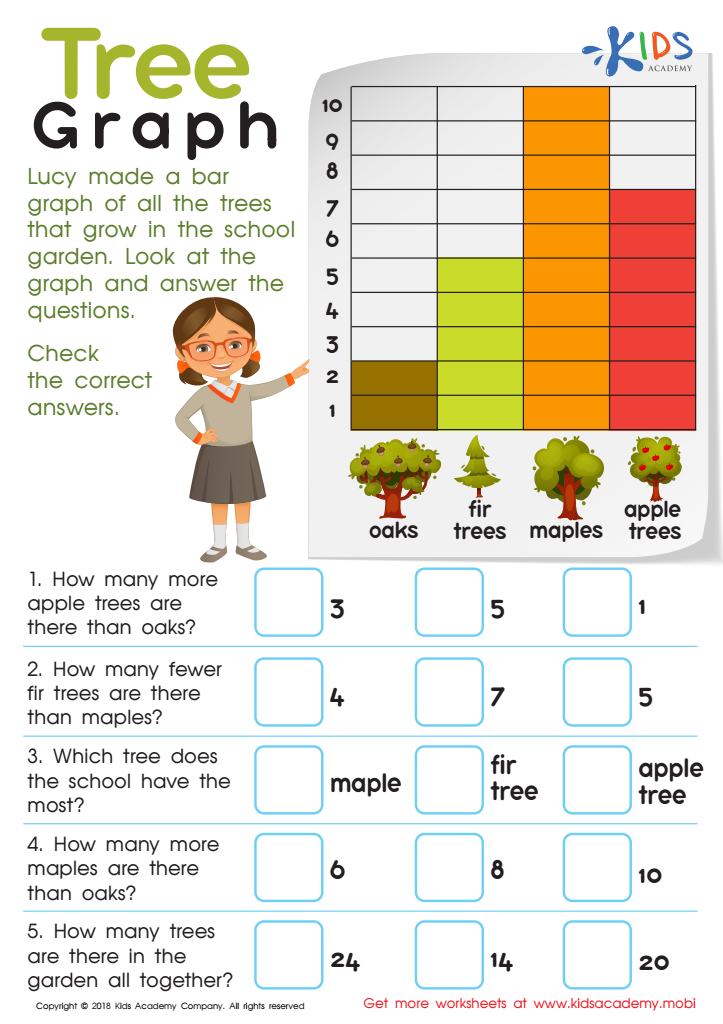
Tree Graph Worksheet
 Assign to My Students

Spaceship Maze: Galaxies Worksheet
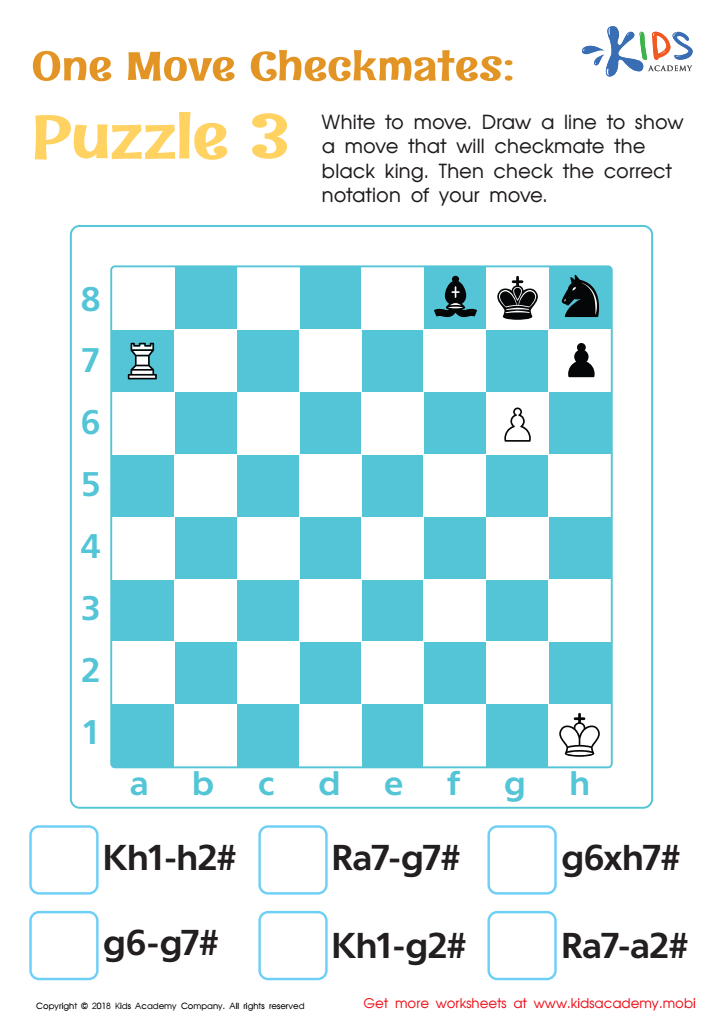
One Move Checkmates: Puzzle 3 Worksheet
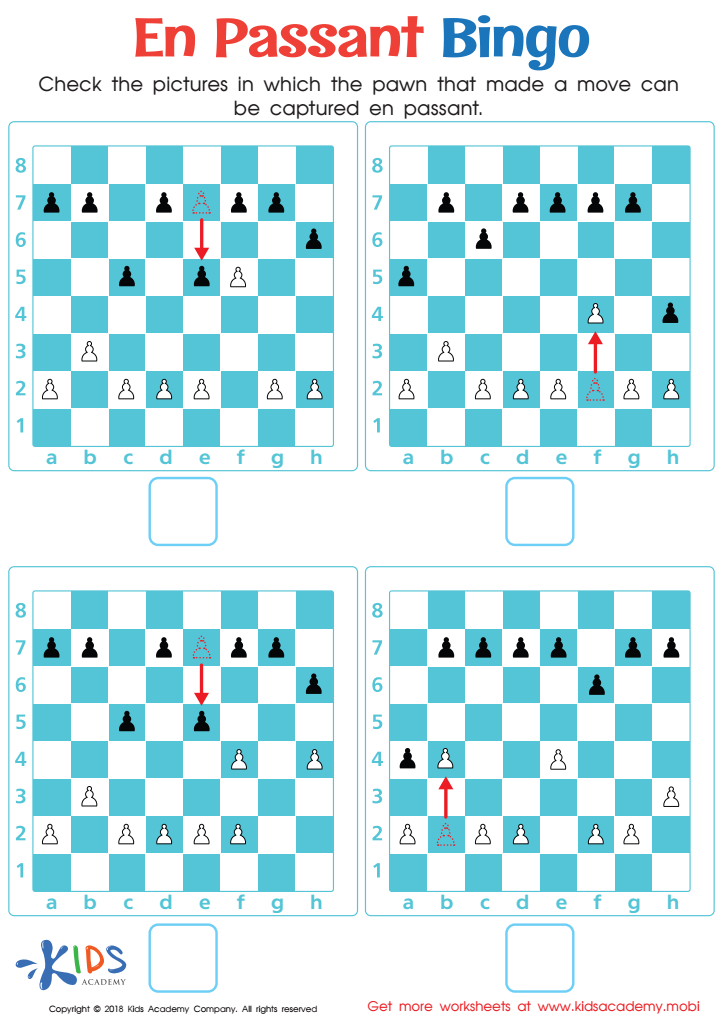
En Passant Bingo Worksheet
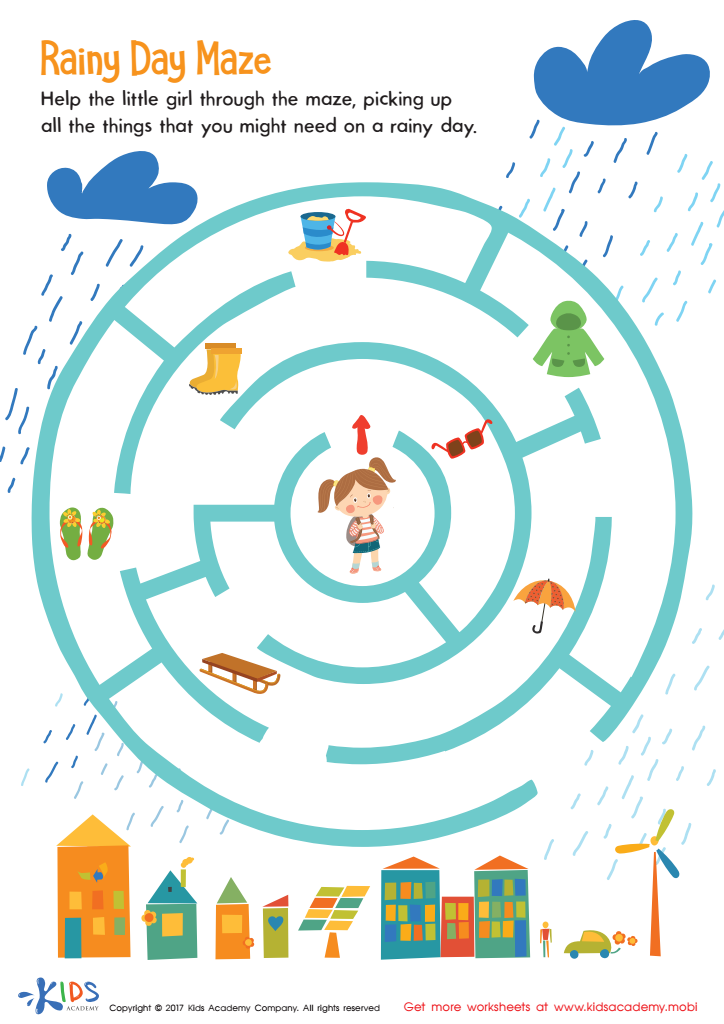
Rainy Day Maze Worksheet








Decision-making practice is crucial for young children, ages 3-6, as it lays the foundation for their future cognitive and emotional development. At this formative age, children are keen observers and eager learners. Introducing decision-making skills helps them understand the importance of choices, empowering them to feel more in control of their actions and outcomes.
For parents and teachers, fostering decision-making skills promotes independence and critical thinking. Even simple choices, such as deciding between two snacks or selecting an activity, encourage children to evaluate options, consider consequences, and take responsibility for their decisions. This process strengthens their problem-solving abilities and boosts their self-confidence.
Moreover, early decision-making practice helps shape social and emotional intelligence. When children make decisions, they learn about their preferences and values, and they begin to understand the perspectives of others. This can lead to better interpersonal skills and kindness. Consistently practicing decision-making in a supportive environment also teaches resilience, as children learn to cope with the results of their choices, whether positive or negative.
Ultimately, equipping children with decision-making skills prepares them for more complex situations in the future, making them adaptable, thoughtful, and confident individuals. Parents and teachers play a vital role in guiding these early experiences, setting the stage for lifelong competence in decision-making.








