Developing Concentration Worksheets for Ages 3-6
8 filtered results
-
From - To
Welcome to our Developing Concentration Worksheets for Ages 3-6! These thoughtfully designed worksheets aim to enhance young children's focus and cognitive abilities through engaging activities. Ideal for preschool and kindergarten settings, our printable materials incorporate fun themes and playful exercises that captivate children's attention while fostering essential skills. Through puzzles, matching games, and other interactive tasks, kids will develop their concentration gradually, setting a strong foundation for future learning. Explore our extensive collection to find resources tailored to your child's needs, ensuring a productive and enjoyable learning experience at home or in the classroom. Let's spark concentration and curiosity together!
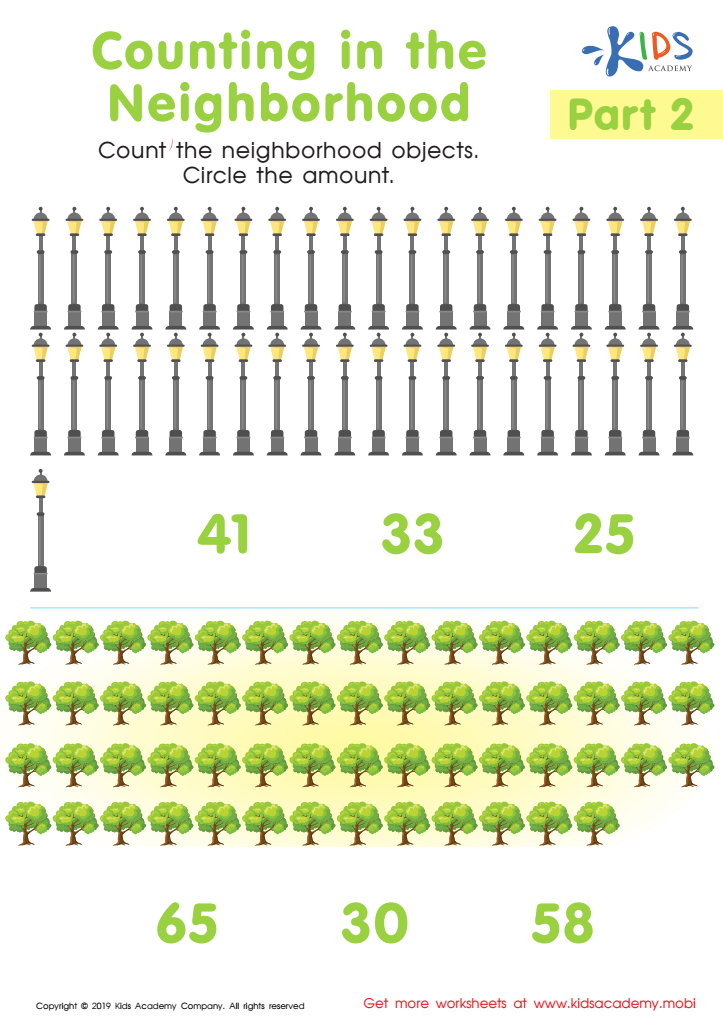
Counting In The Neighborhood Part 2 Worksheet
 Assign to My Students
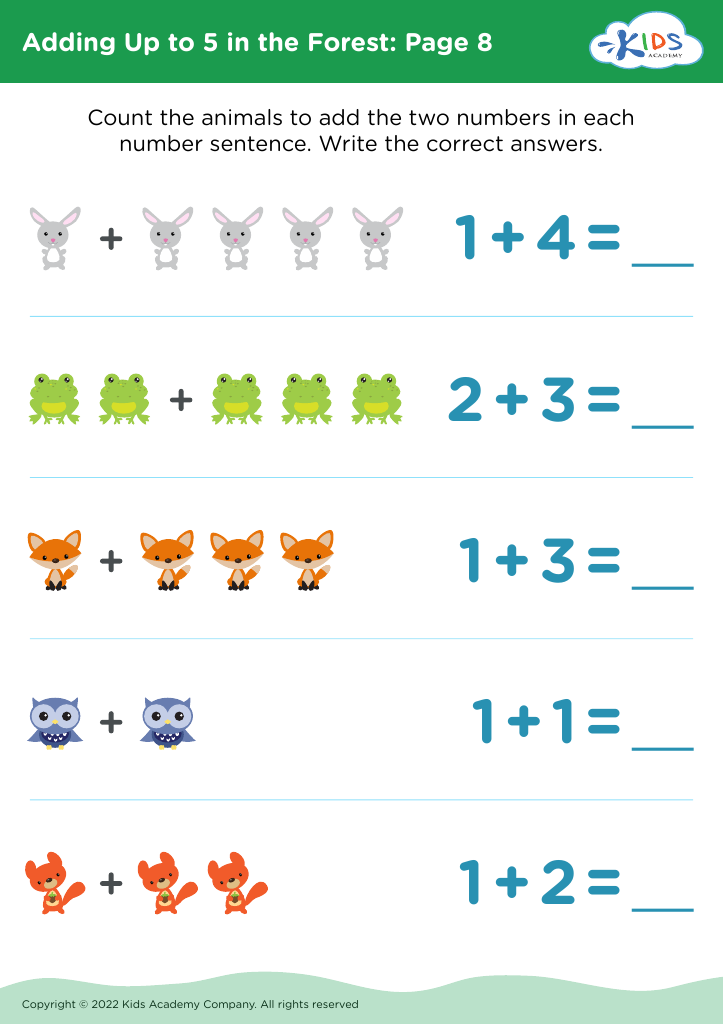
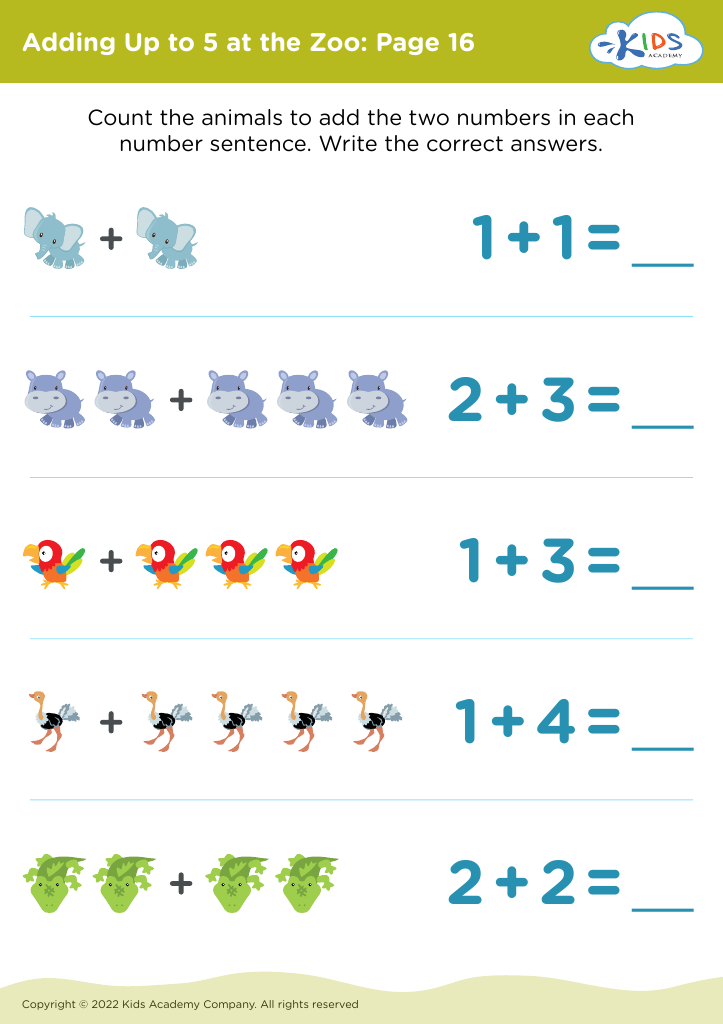
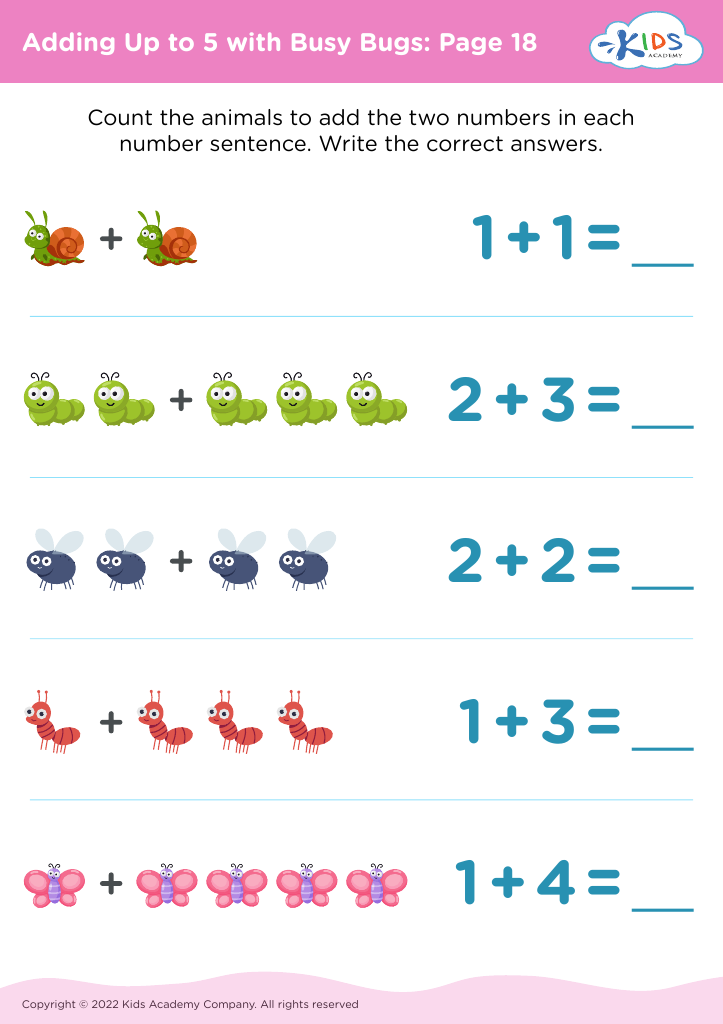
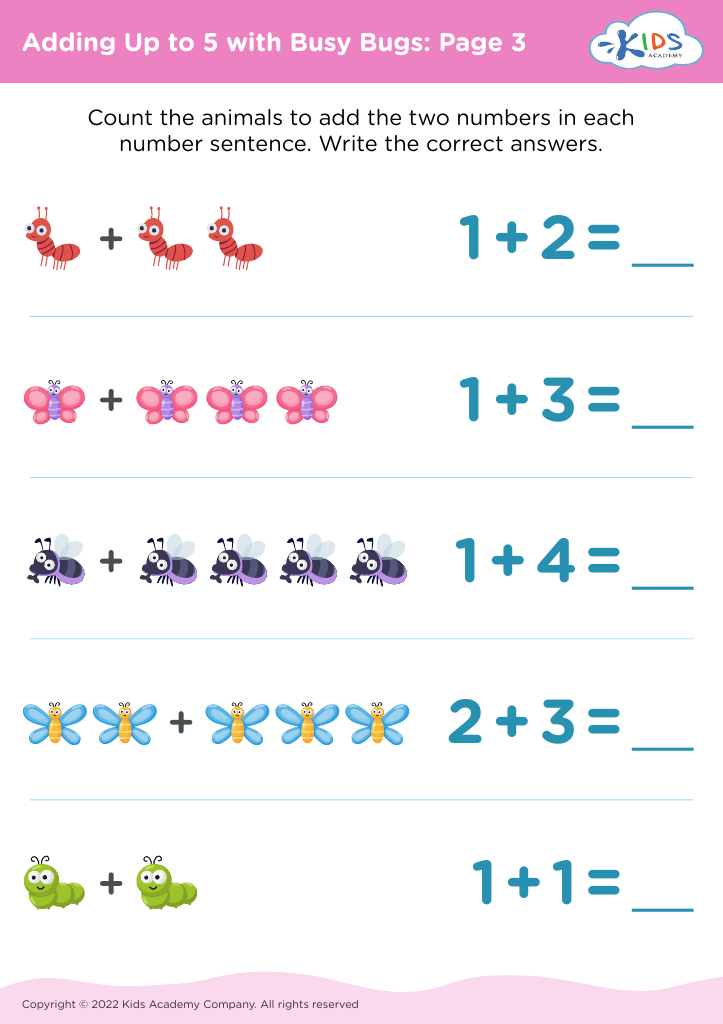
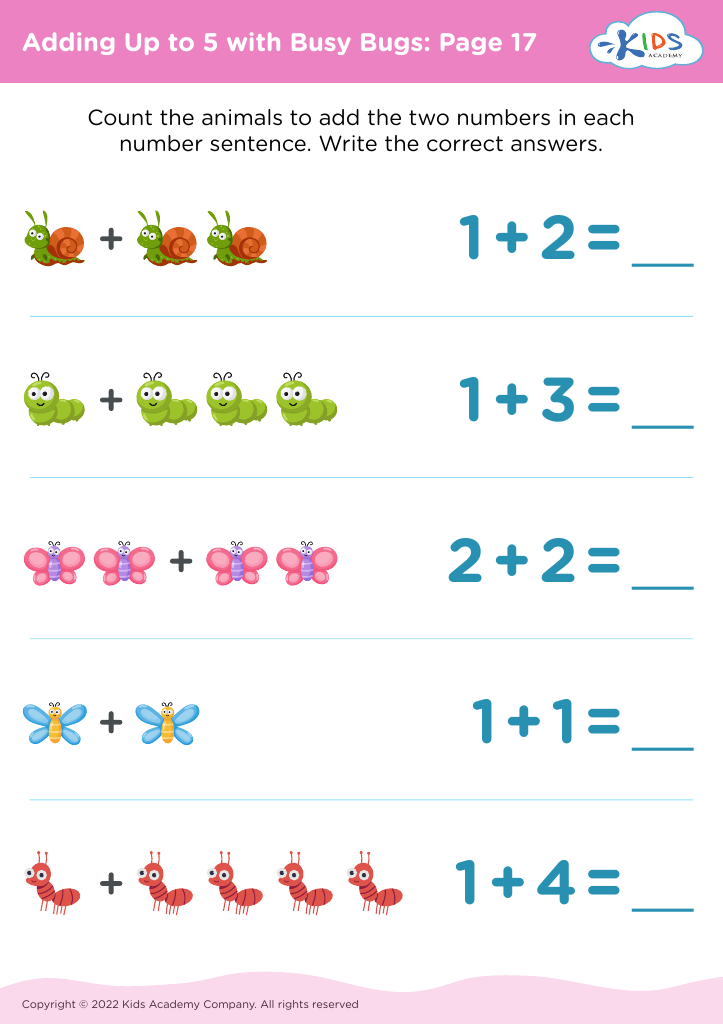
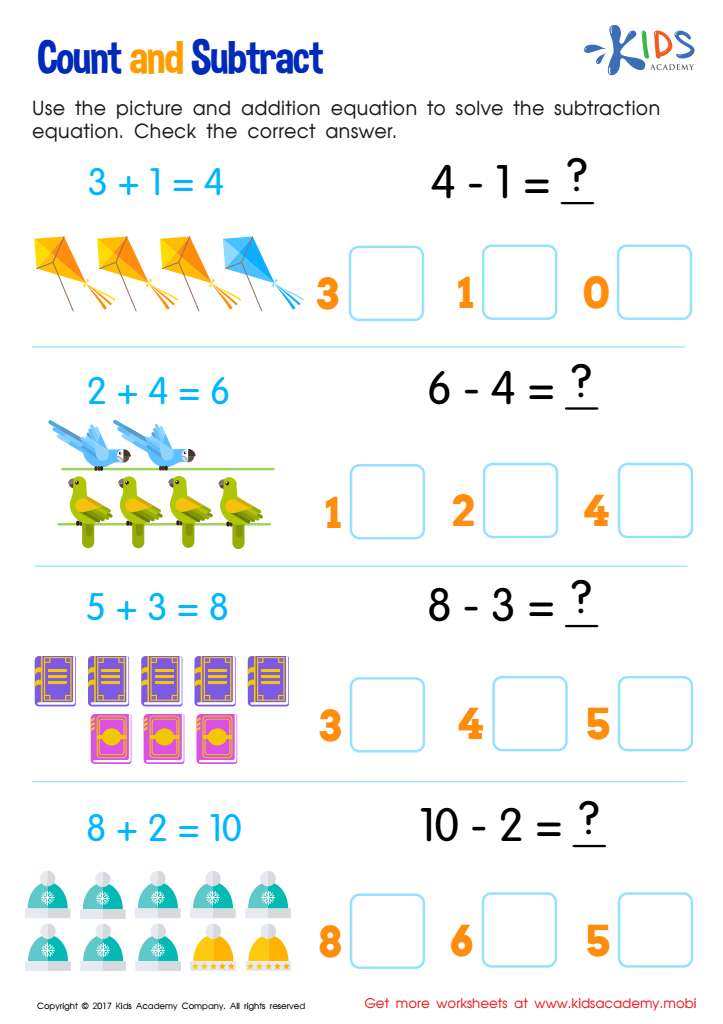
Count and Subtract Worksheet
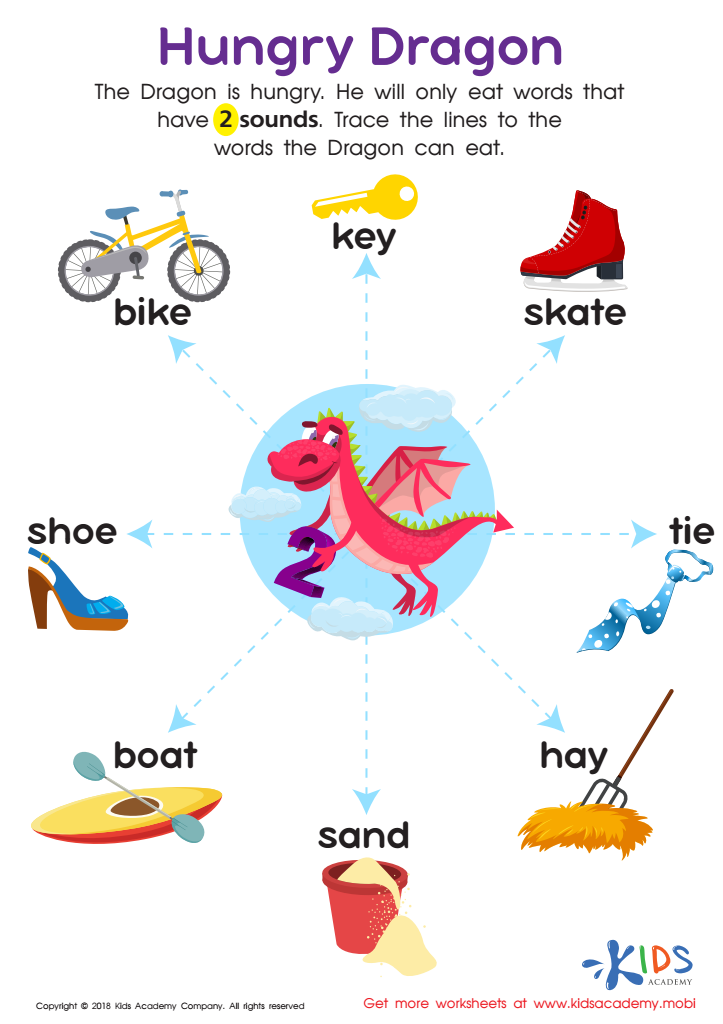
Hungry Dragon Worksheet







Developing concentration in young children aged 3-6 is crucial for their cognitive and emotional growth. At this stage, children's brains are rapidly developing, and improving their ability to focus lays the foundation for learning and social interaction. When children can concentrate, they are better equipped to absorb new information, solve problems, and engage in creative activities. This skill not only supports academic readiness but also fosters independence, as children learn to complete tasks without distractions.
Moreover, concentration helps young learners cultivate patience and discipline. It encourages them to follow through on tasks, whether in playtime or structured learning activities, which boosts self-esteem and resilience. Teachers and parents who prioritize this skill can create a more productive and harmonious learning environment, reducing frustration and increasing motivation.
Additionally, early concentration skills aid in social interactions. Children learn to listen, collaborate, and interact meaningfully with their peers, building essential social competencies. By fostering concentration through age-appropriate activities, such as puzzles, reading, or sensory play, adults guide children toward a successful and fulfilling educational journey, preparing them for future challenges and lifelong learning. Thus, parents and teachers play a vital role in nurturing this essential skill during these formative years.








