Developing reading skills Worksheets for Ages 3-6
3 filtered results
-
From - To
Explore our engaging "Developing Reading Skills Worksheets" designed specifically for children aged 3-6! These interactive and age-appropriate worksheets focus on building essential literacy skills, including letter recognition, phonics, vocabulary development, and comprehension. Our colorful, thoughtfully crafted activities encourage young learners to enhance their reading abilities while having fun. Perfect for use at home or in the classroom, these printable worksheets will ignite a love for reading and support early educational growth. Foster your child's confidence with reading as they learn through play, exploration, and creativity. Start nurturing your little one's reading journey today!
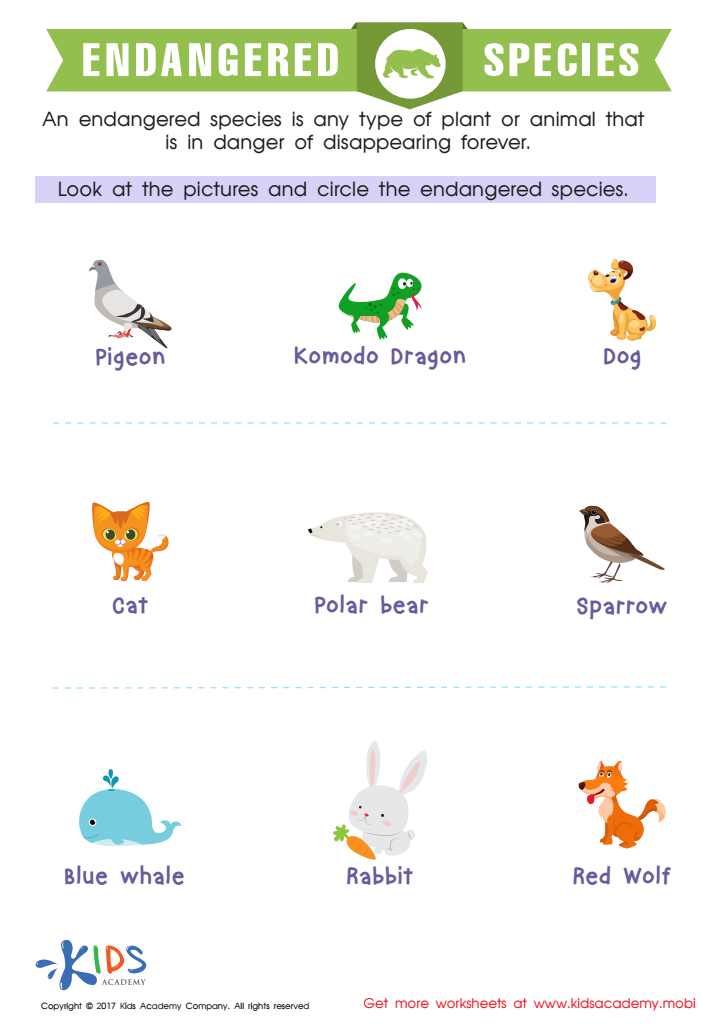
Endangerd Species Printable
 Assign to My Students
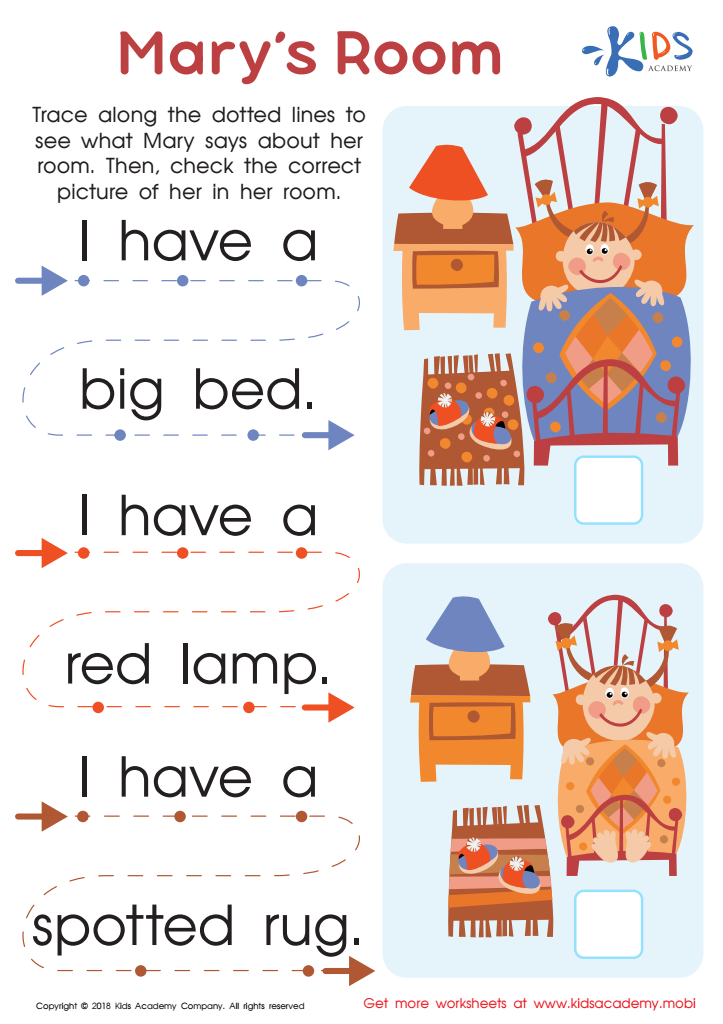
Mary's Room Worksheet
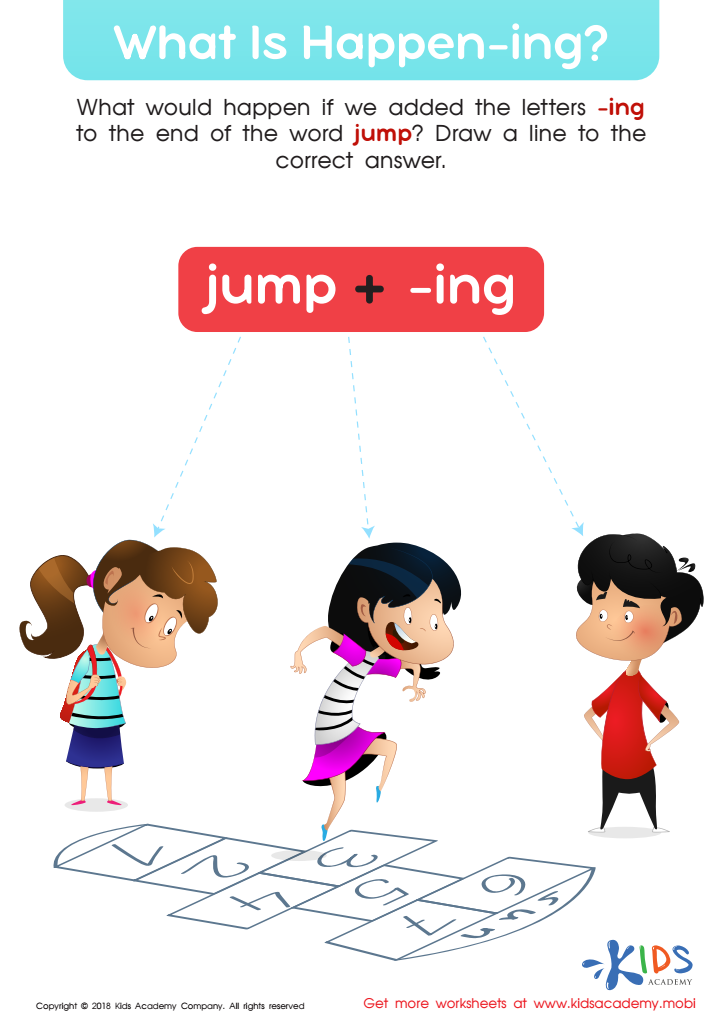
What Is Happen-Ing? Worksheet








Developing reading skills in children aged 3 to 6 is crucial for several reasons. First, this stage is fundamental for cognitive and linguistic development, as young children are highly receptive to new language concepts. By fostering their reading skills early on, parents and teachers help children build strong vocabulary, comprehension, and communication abilities, which serve as the foundation for all future learning.
Moreover, early reading experiences can cultivate a lifelong love for books, enhancing children’s imagination, creativity, and critical thinking. Reading together can also strengthen the parent-child bond, making learning a shared adventure. Additionally, children with solid reading skills are more likely to succeed academically as they progress through school, leading to greater self-esteem and confidence.
Finally, in today’s information-driven world, literacy skills are essential for future success. Children who are proficient readers in their early years are better equipped to navigate both educational challenges and everyday life. By investing time and resources in developing reading skills for young learners, parents and teachers contribute to shaping well-rounded, capable individuals prepared to thrive in an increasingly complex society. Thus, the importance of focusing on early reading cannot be overstated.








