Enhancing observational skills Worksheets for Ages 3-6
4 filtered results
-
From - To
Unlock the power of keen observation with our engaging collection of Enhancing Observational Skills Worksheets, designed specifically for children aged 3-6. Through fun activities that include matching games, spot the difference, and detailed picture analysis, young learners will cultivate their attention to detail and improve critical thinking. These printable sheets feature vibrant illustrations and easy-to-follow instructions, making it effortless for kids to explore and develop their observational abilities. Perfect for at-home learning or classroom use, these worksheets are an essential resource for laying a strong foundation in early learning skills. Help your child see the world in a whole new way!
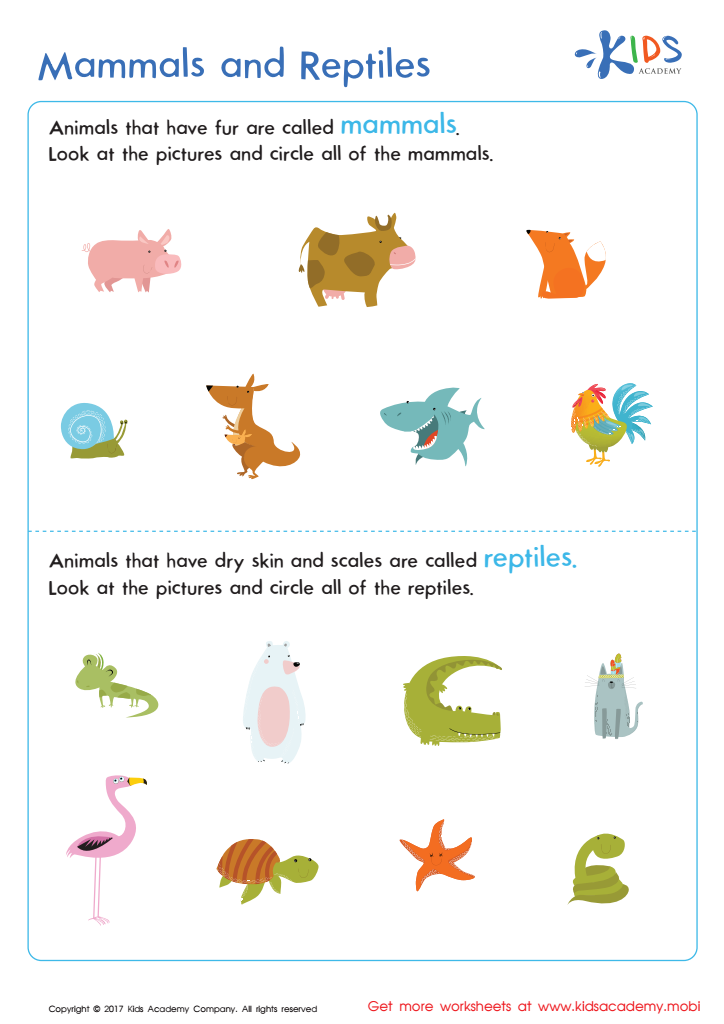
Mammals and Reptiles Worksheet
 Assign to My Students
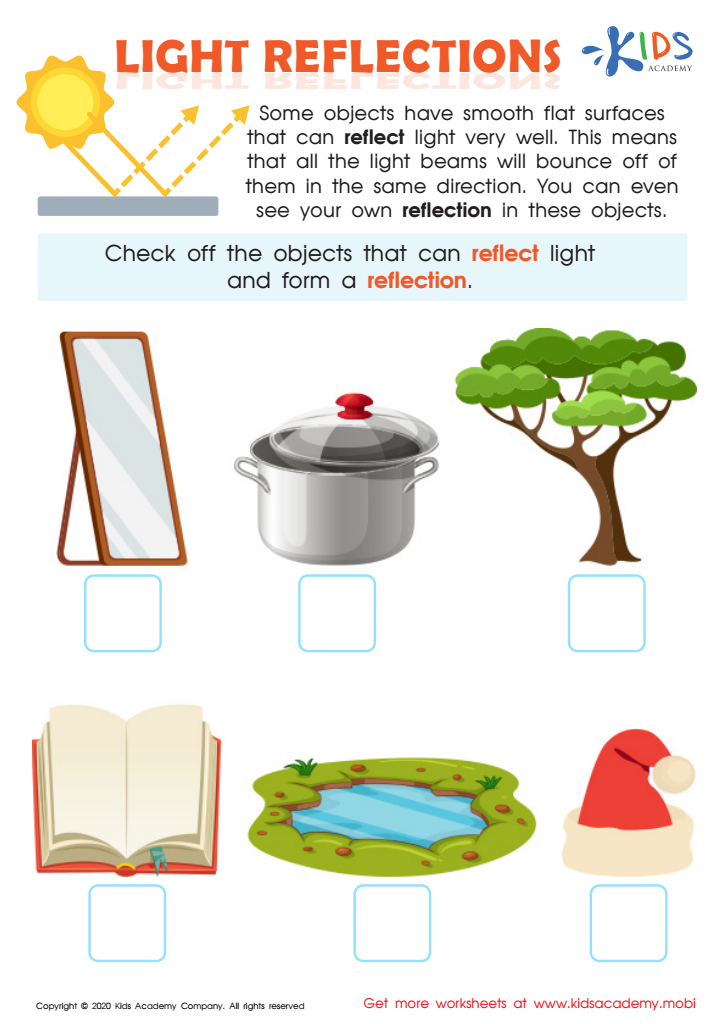
Light Reflections Worksheet
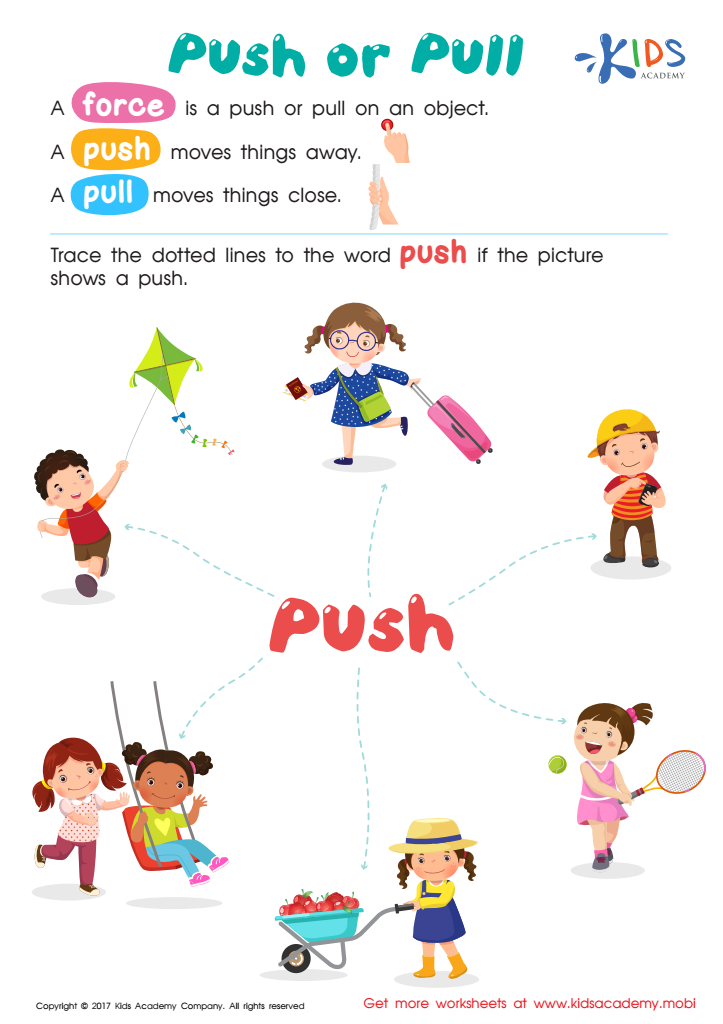
Push or Pull Worksheet
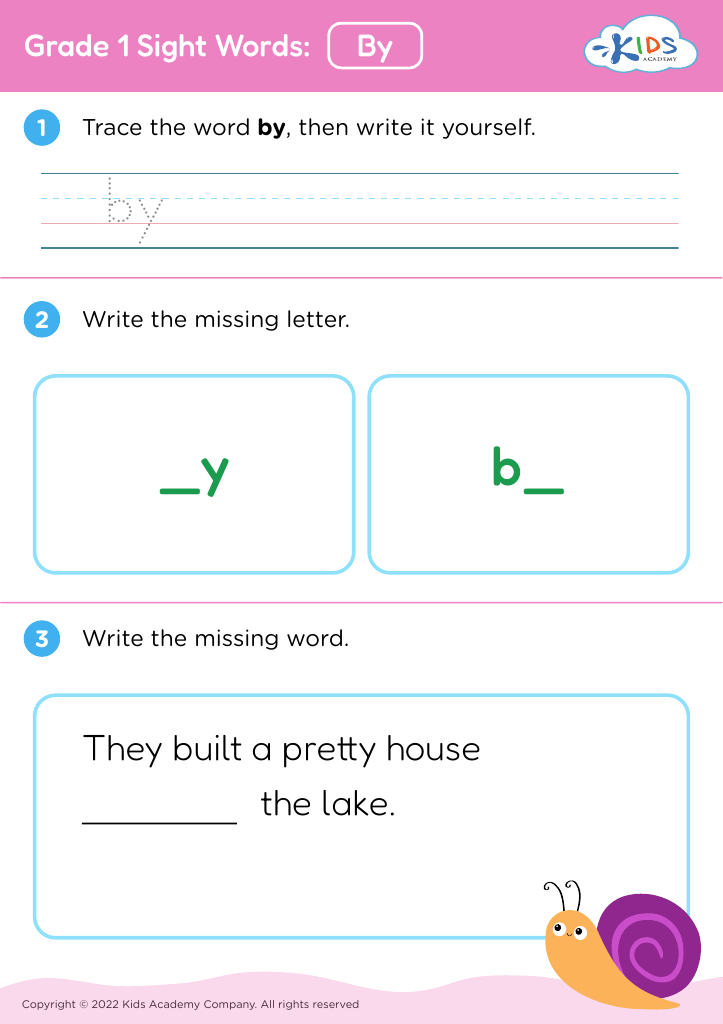






.jpg)
Enhancing observational skills in children aged 3-6 is crucial for their overall development and serves as the foundation for future learning. Observational skills help young children become more aware of their surroundings, enabling them to gather, process, and make sense of information in their world. This awareness aids in cognitive development, language acquisition, and emotional regulation.
For parents and teachers, focusing on these skills means sharpening children’s ability to notice details, recognize patterns, and understand relationships between objects and events. This, in turn, strengthens memory and attention span. Through activities like nature walks, storytelling, or interactive play, children learn to observe and categorize their environment, fostering critical thinking and problem-solving skills.
Additionally, observational skills enhance social learning as children notice and interpret social cues and body language, promoting empathy and effective communication. For teachers, this skill set helps in early detection of learning or developmental issues, allowing timely intervention.
Ultimately, a strong foundation in observational skills encourages curiosity and a love for learning, essential for academic success. Both parents and teachers play key roles in nurturing these crucial abilities, laying down the stepping stones for a child's well-rounded growth and future achievements.








