Fine motor skills development Worksheets for Ages 3-6
12 filtered results
-
From - To
Unlock your child's potential with our Fine Motor Skills Development Worksheets for ages 3-6! Designed to enhance dexterity, coordination, and concentration, these engaging resources provide a fun and interactive way for young learners to refine their fine motor skills. Each worksheet features colorful illustrations and age-appropriate activities that encourage children to practice grasping, cutting, tracing, and more. From simple shapes to creative activities, our worksheets support essential developmental milestones while keeping little learners entertained. Perfect for parents and educators, these printables can be easily integrated into home or classroom settings, fostering independence and confidence in young children. Start the journey to skill mastery today!

Trace The Circles Worksheet

I Stands High Worksheet
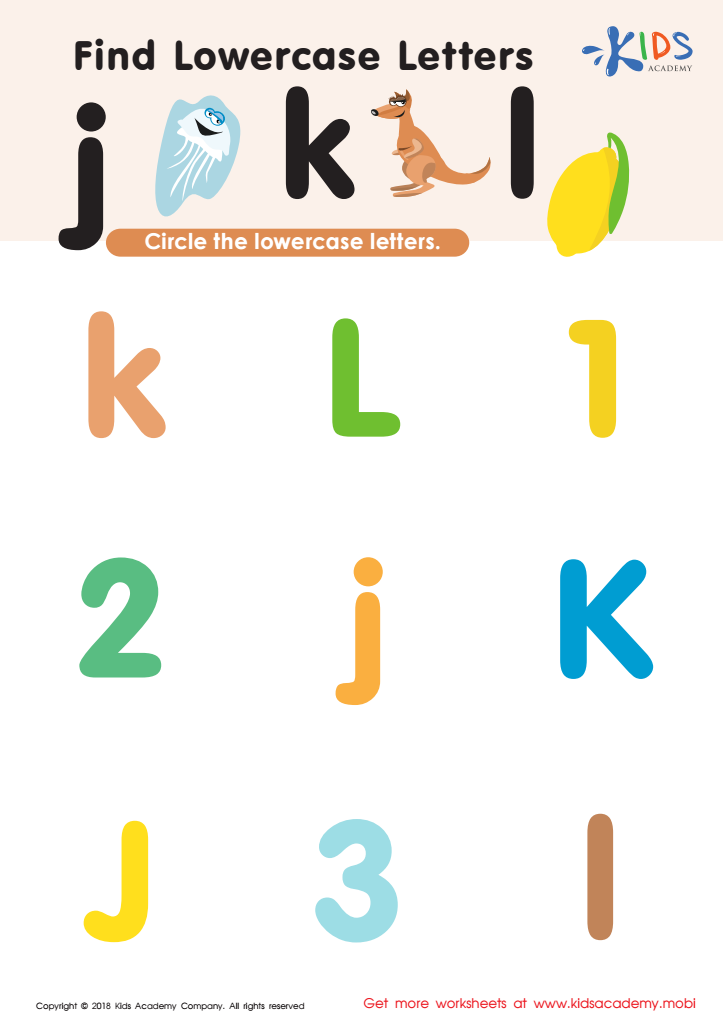
Find Lowercase Letters j k l Worksheet
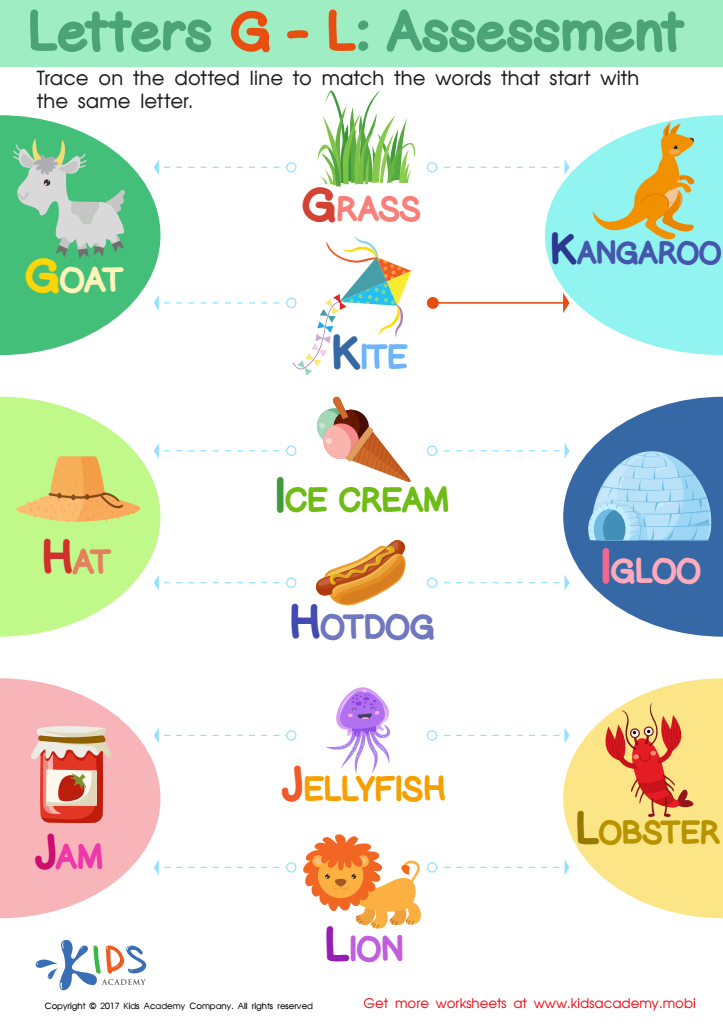
Letters G-L Worksheet
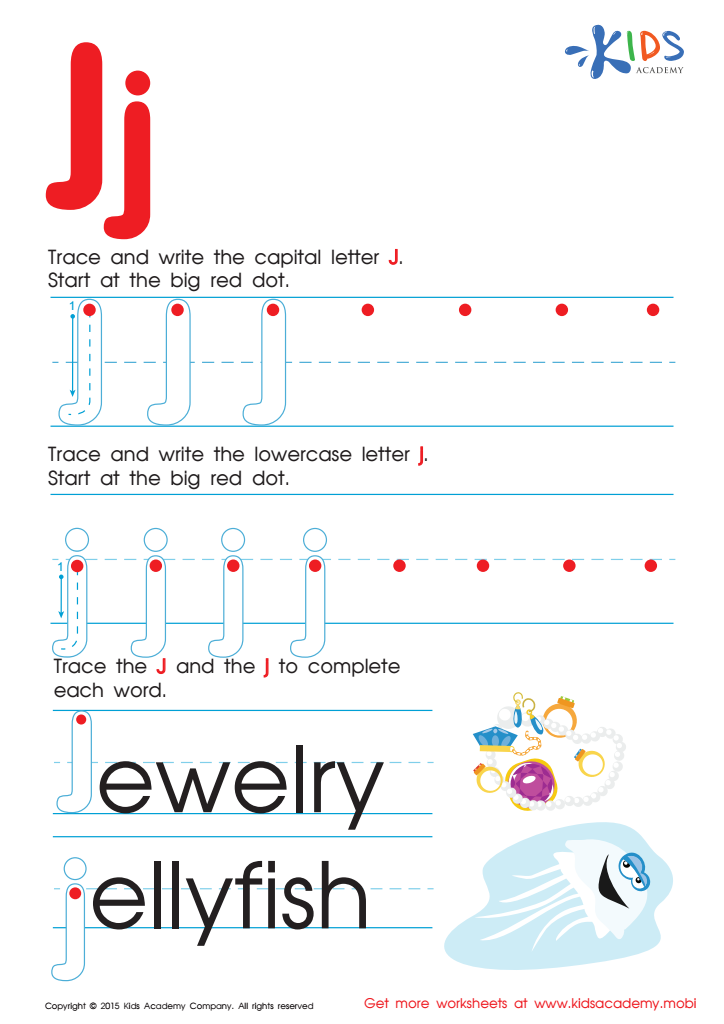
Letter J Tracing Page
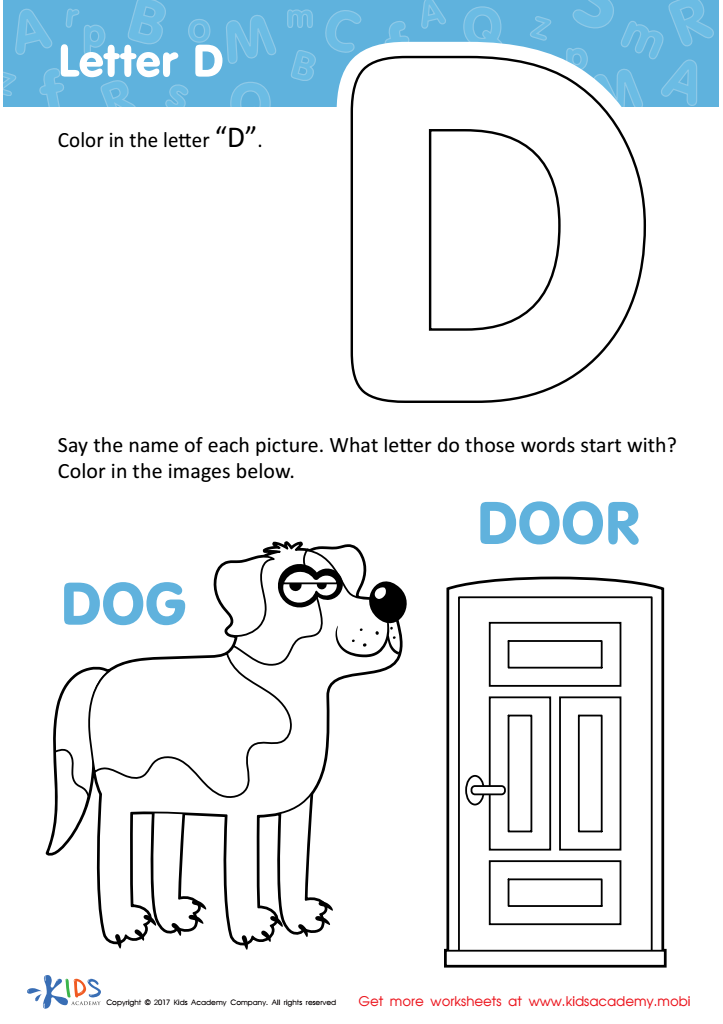
Letter D Coloring Sheet
 Assign to My Students

Night Sky Constellations: Aries Worksheet
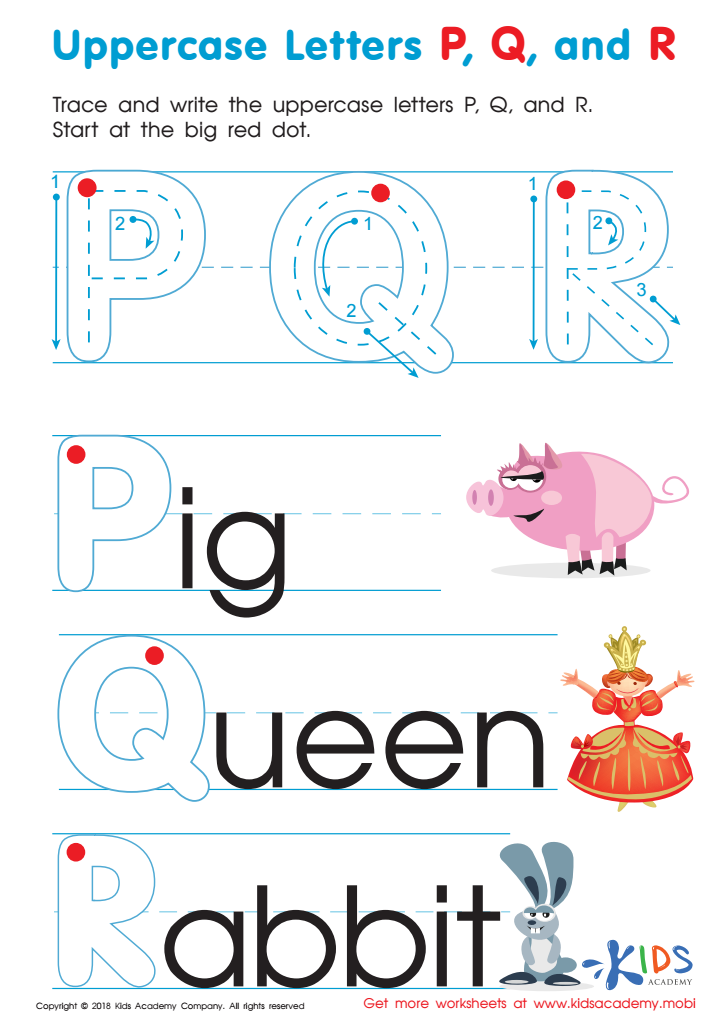
Uppercase Letters P, Q, and R Worksheet

Tracing Horizontal Lines Worksheet
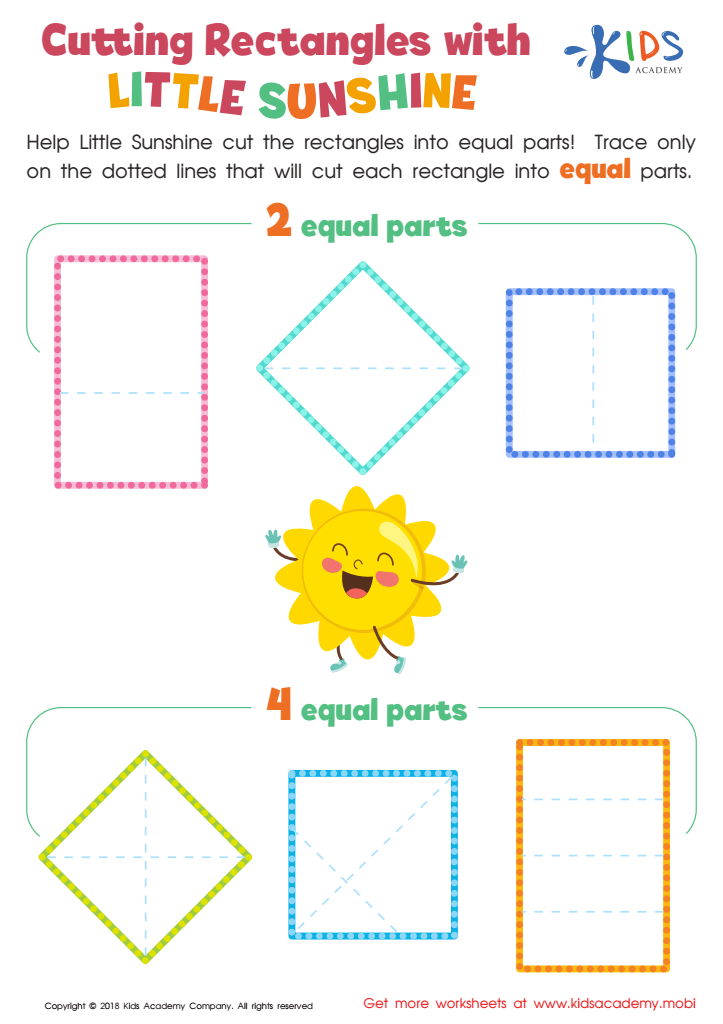
Cutting Rectangles with Little Sunshine Worksheet
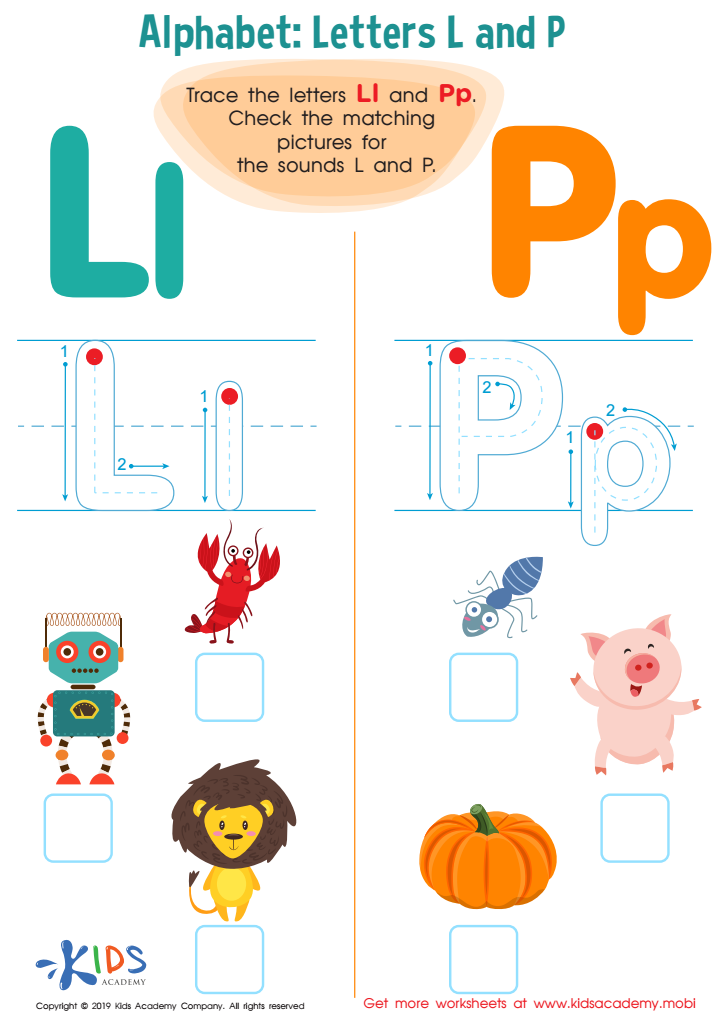
Letter L and P Tracing Worksheet





.jpg)

Fine motor skills are essential for early childhood development, particularly for children aged 3-6. These skills involve the coordination of small muscles, primarily in the hands and fingers, necessary for tasks that are fundamental to a child’s growth and independence.
Parents and teachers should care about fine motor skills because they directly impact a child’s ability to perform everyday activities such as buttoning shirts, tying shoelaces, eating with utensils, and eventually writing. Proficient fine motor skills encourage self-sufficiency, which boosts a child’s confidence and promotes a positive self-image.
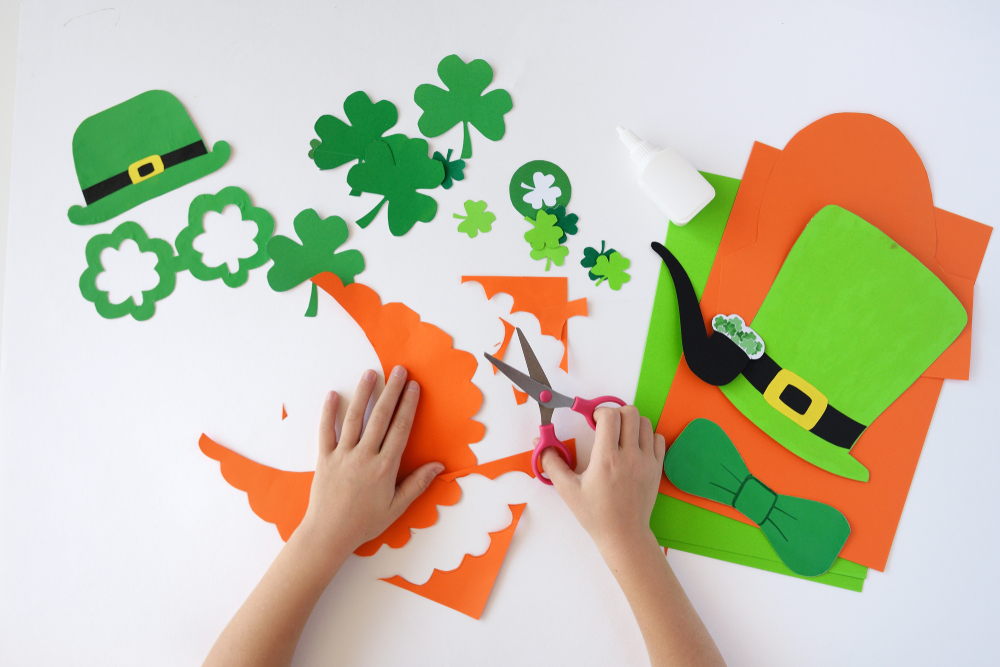
Moreover, fine motor skill development is linked to cognitive and social-emotional growth. Engaging children in activities that enhance these skills, such as drawing, using scissors, or playing with building blocks, encourages concentration, encourages problem-solving, and nurtures patience.
Additionally, strong fine motor skills can lead to greater academic success as children transition to more complex tasks in the classroom. In summary, parents and teachers play a crucial role in fostering fine motor development during these formative years, ensuring children develop the necessary skills for future learning and everyday life. Prioritizing this aspect of development can have lasting benefits for children physically, emotionally, and academically.








