Fraction comparison Worksheets for Ages 3-6
10 filtered results
-
From - To
Explore our engaging Fraction Comparison Worksheets designed for children ages 3-6! These worksheets introduce the foundational concepts of fractions through fun, age-appropriate activities, helping young learners understand how to compare different fractions. By using colorful visuals and hands-on exercises, children can develop their critical thinking and visualization skills while mastering the basics of fractions. Ideal for both classroom settings and at-home learning, our worksheets cater to various learning styles, ensuring that every child can grasp these essential mathematical concepts. Start your child’s math journey today with our interactive resources that make learning fractions enjoyable and effective!
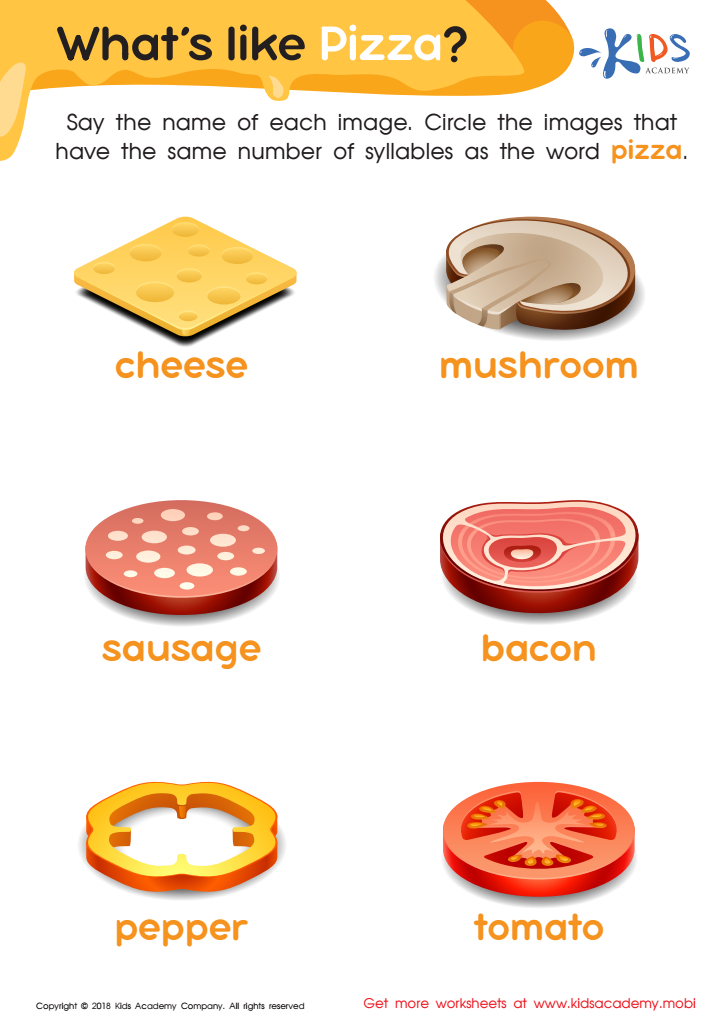
What's Like Pizza? Worksheet
 Assign to My Students
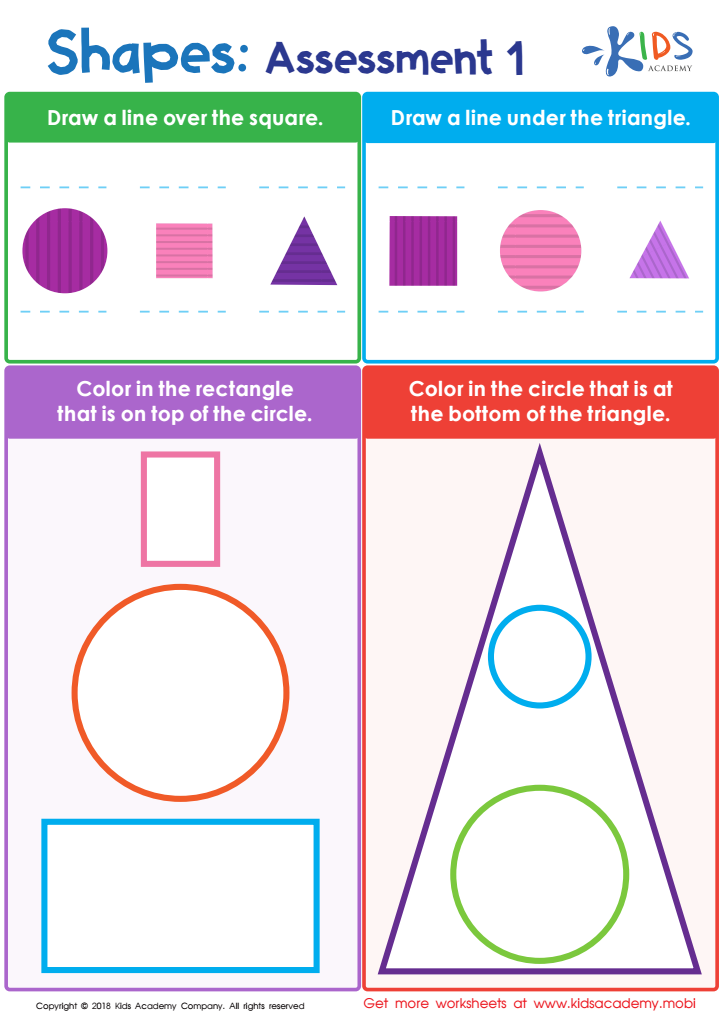
Shapes: Assessment 1 Worksheet





Understanding fraction comparison is important for children ages 3-6 because it lays the foundation for mathematical reasoning and critical thinking. During these formative years, children develop the cognitive skills necessary for recognizing relationships between numbers and quantities. Fractions are essentially a way to represent parts of a whole, and learning to compare them introduces concepts of size, quantity, and proportionality.
Introducing fraction comparisons at an early age helps children improve their problem-solving abilities. For instance, by exploring which of two fractions is larger, young learners engage in discussions about sharing, dividing, and measuring—subjects they encounter in everyday life. Visualization tools like fractions through food, toys, or segments allow children to grasp the comparative aspect seamlessly.
Moreover, understanding these concepts can enhance language skills as they learn to articulate their reasoning using terms like "more than," "less than," and "equal." Fostering these skills at an early age promotes curiosity and a positive attitude towards mathematics, setting the stage for future academic success. For parents and teachers, creating opportunities for discussions about fractions through games, activities, and real-life applications encourages children's natural inclination to explore and discover the world around them.








