Number Sequencing Worksheets for Ages 3-6 - Page 2
29 filtered results
-
From - To
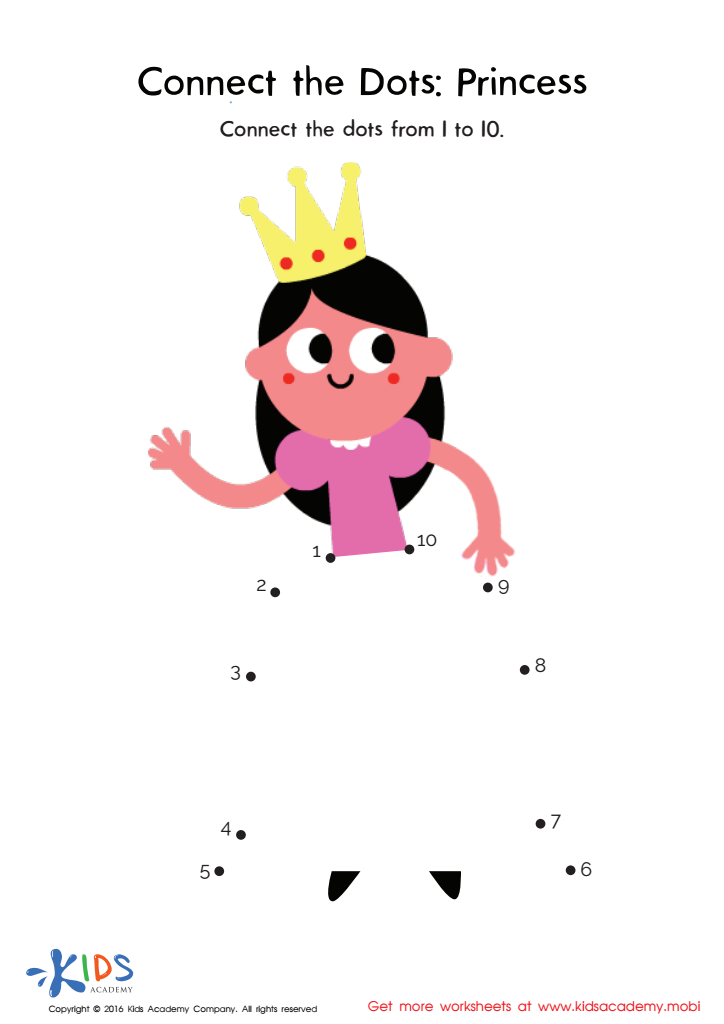
Princess Connect Dots Worksheet
 Assign to My Students
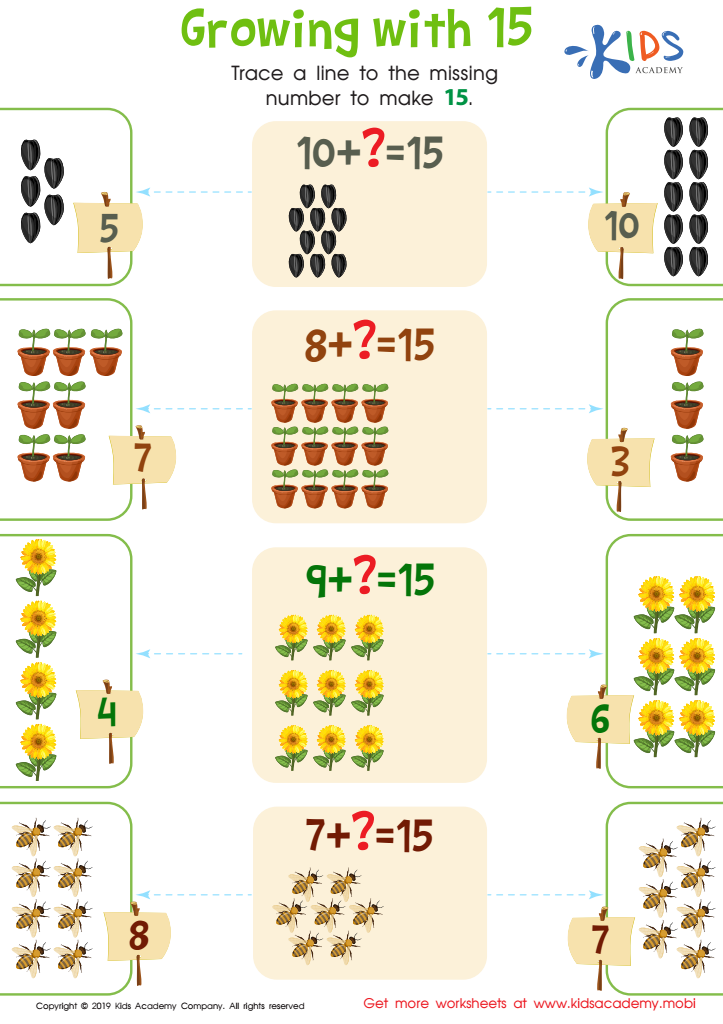
Growing with 15 Worksheet
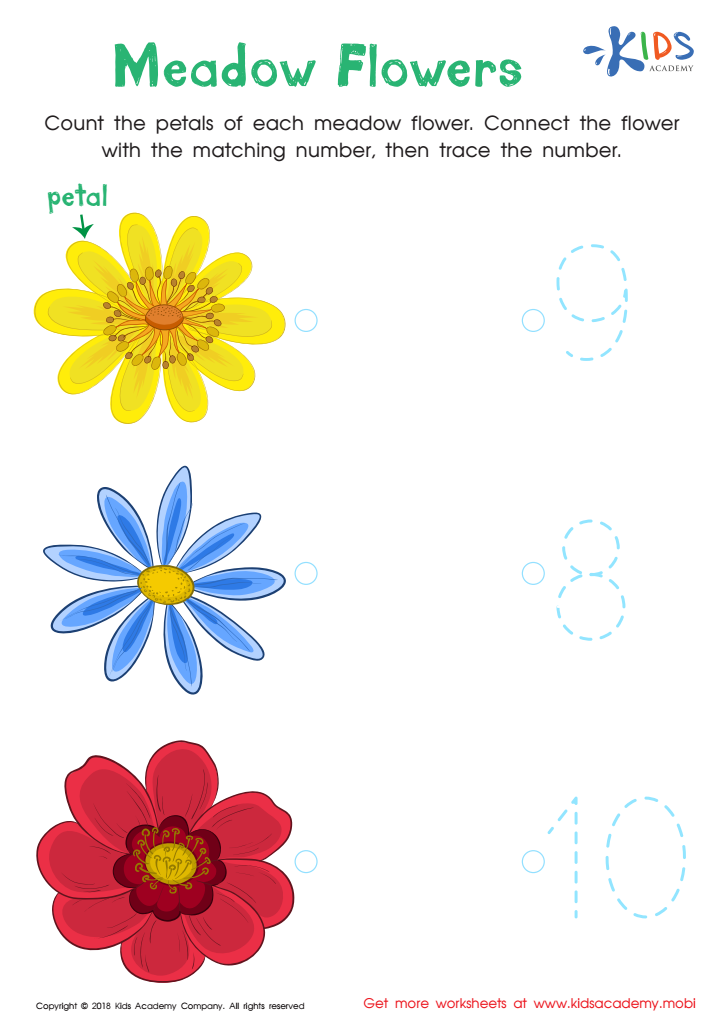
Kindergarten Number Tracing: Medow Flowers Worksheet
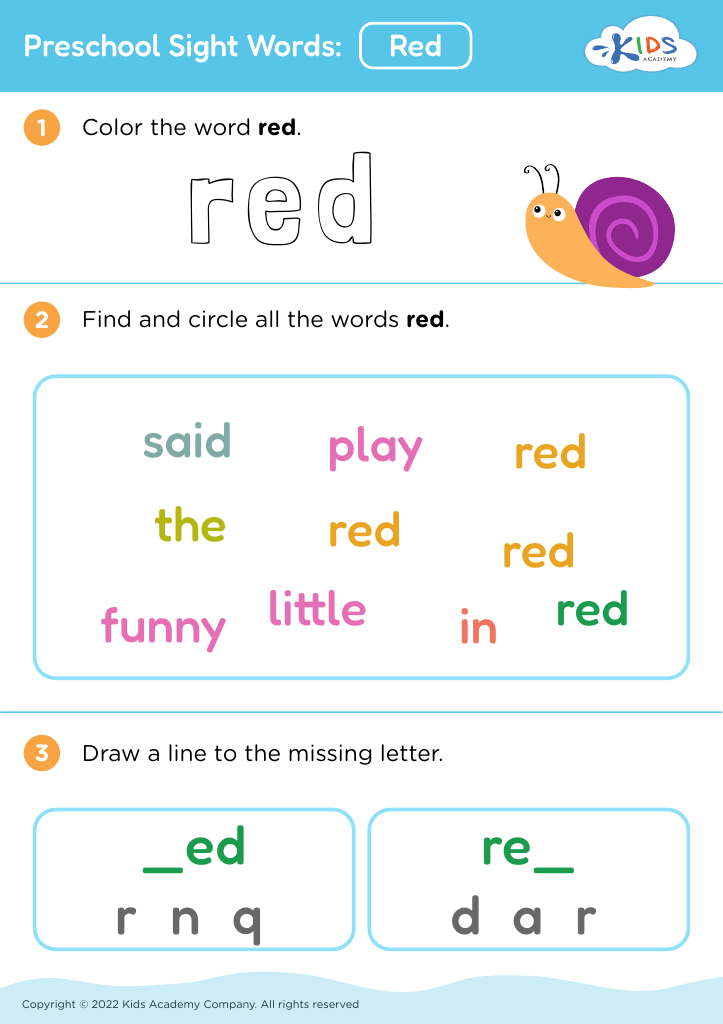






Number sequencing is a fundamental building block for mathematical understanding and cognitive development in early childhood. For children aged 3 to 6, engaging in number sequencing helps them recognize patterns, improve their counting abilities, and develop critical thinking skills.
Parents and teachers should care about number sequencing because it lays the groundwork for more complex math concepts encountered later in school. By mastering the order of numbers, children learn to make connections between quantities and their numerical representations. This skill is essential for tasks such as addition, subtraction, and even understanding time.
Moreover, number sequencing activities can enhance fine motor skills and memory, as children manipulate numbers with their hands or remember sequences through songs and games. These activities also promote social interaction when children collaborate on counting games or sequencing exercises.
Additionally, fostering a strong mathematical foundation through sequencing can boost a child's confidence and positive attitude toward learning in general. This will not only aid in their academic journey but also cultivate a lifelong love for learning. Therefore, recognizing the importance of number sequencing can empower parents and teachers to create enriching and supportive environments for early learners.








