Object identification Worksheets for Ages 3-6
6 filtered results
-
From - To
Discover our engaging object identification worksheets designed for children aged 3-6, perfect for enhancing their observational skills and vocabulary. These printable activities feature colorful images and simple instructions that make learning fun and interactive. Kids will explore everyday objects, learning to recognize, name, and categorize them while developing essential cognitive and language skills. Ideal for parents and teachers, these worksheets serve as a valuable resource for early education, fostering a love for learning in young children. Encourage curiosity and critical thinking as your child embarks on exciting adventures in identifying the world around them. Start their journey today!
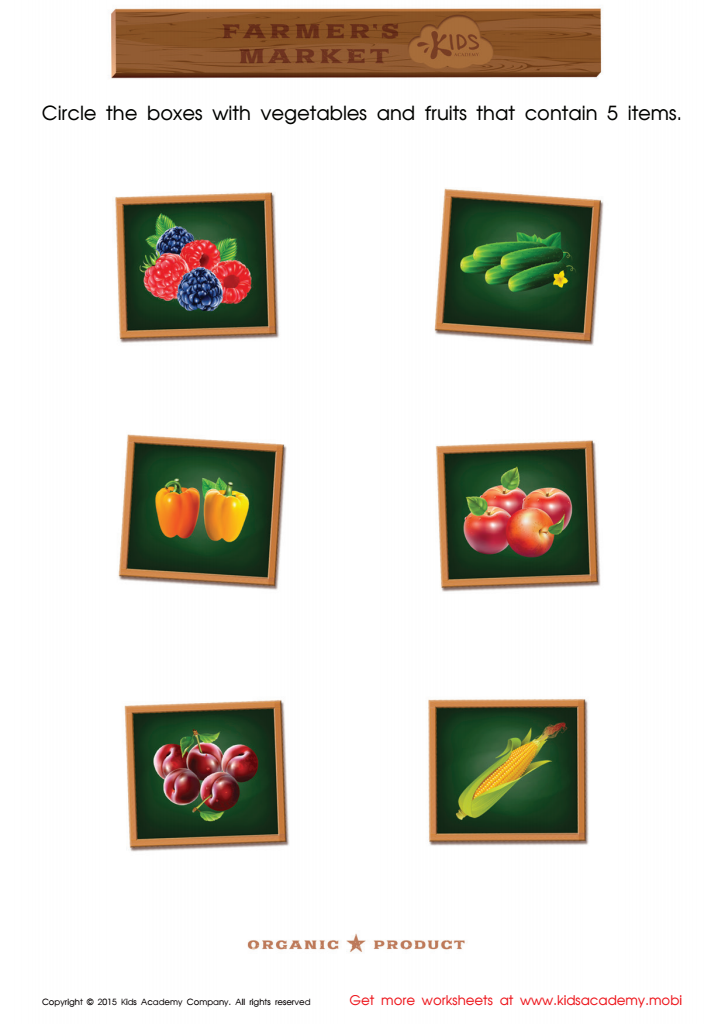
Count and Match Vegetables 1 – 7 Math Worksheet
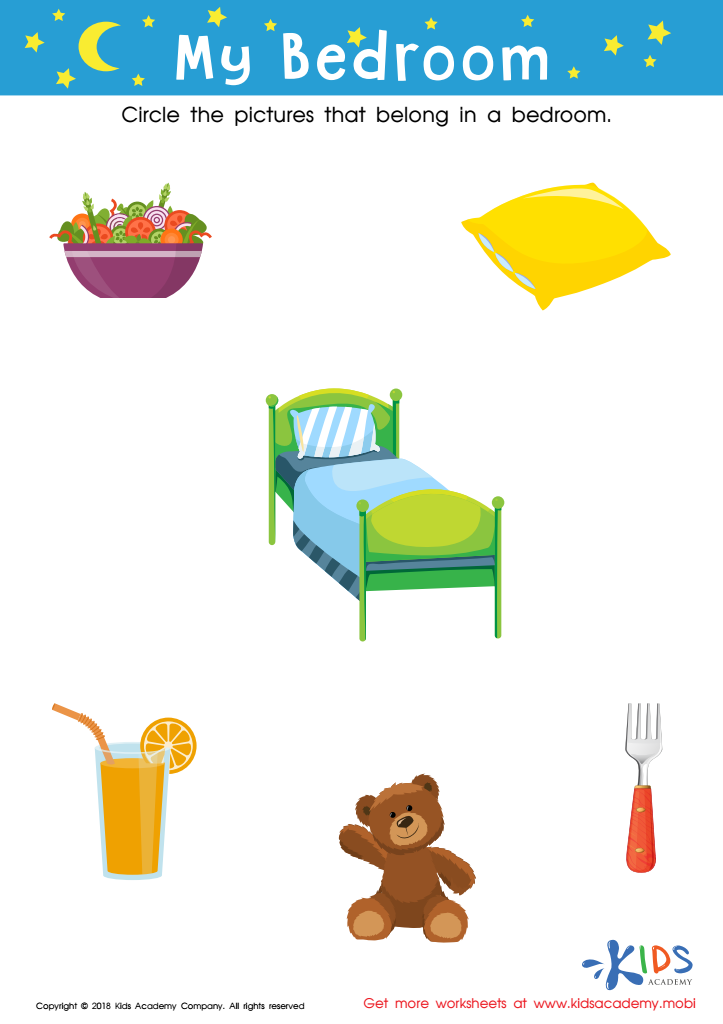
My Bedroom Worksheet
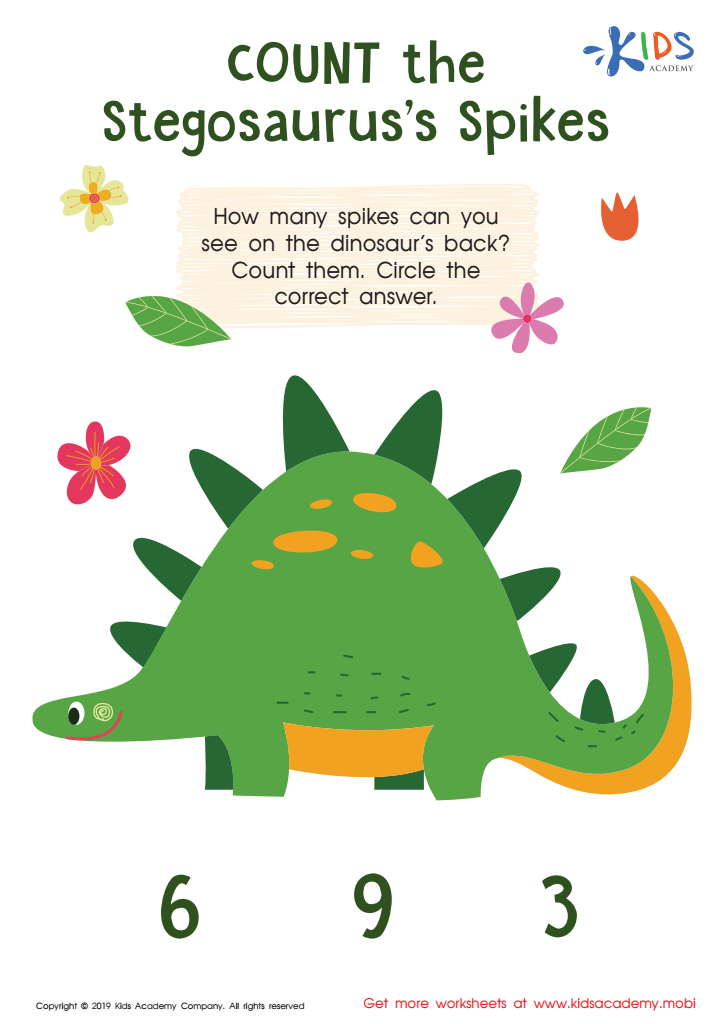
Count the Stegosaurus's Spikes Worksheet
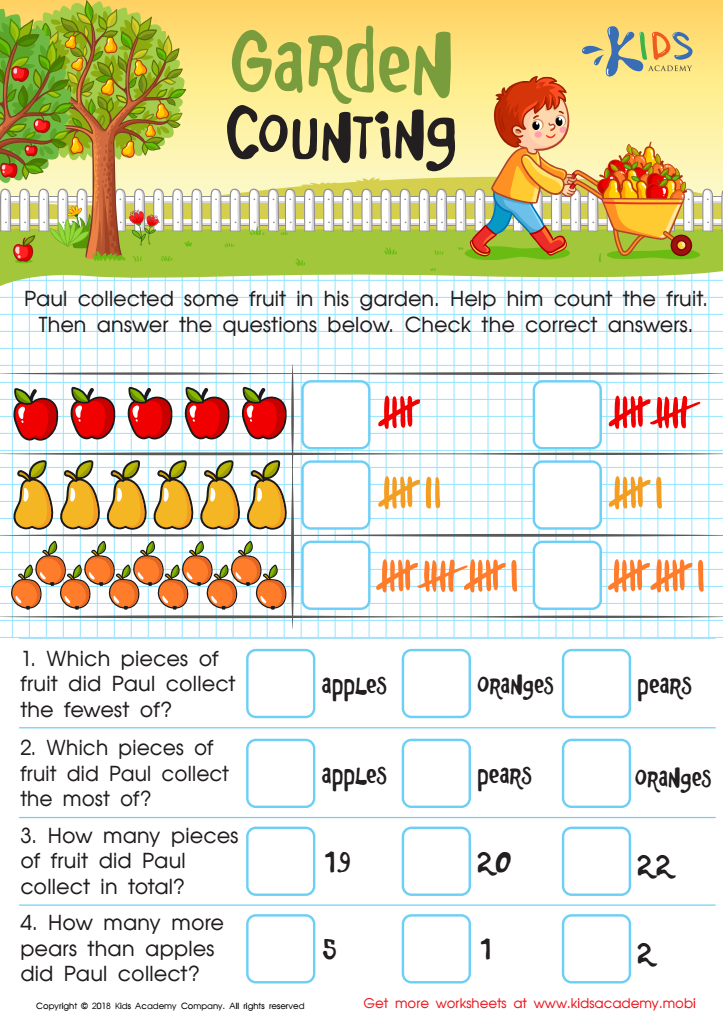
Garden Counting Worksheet
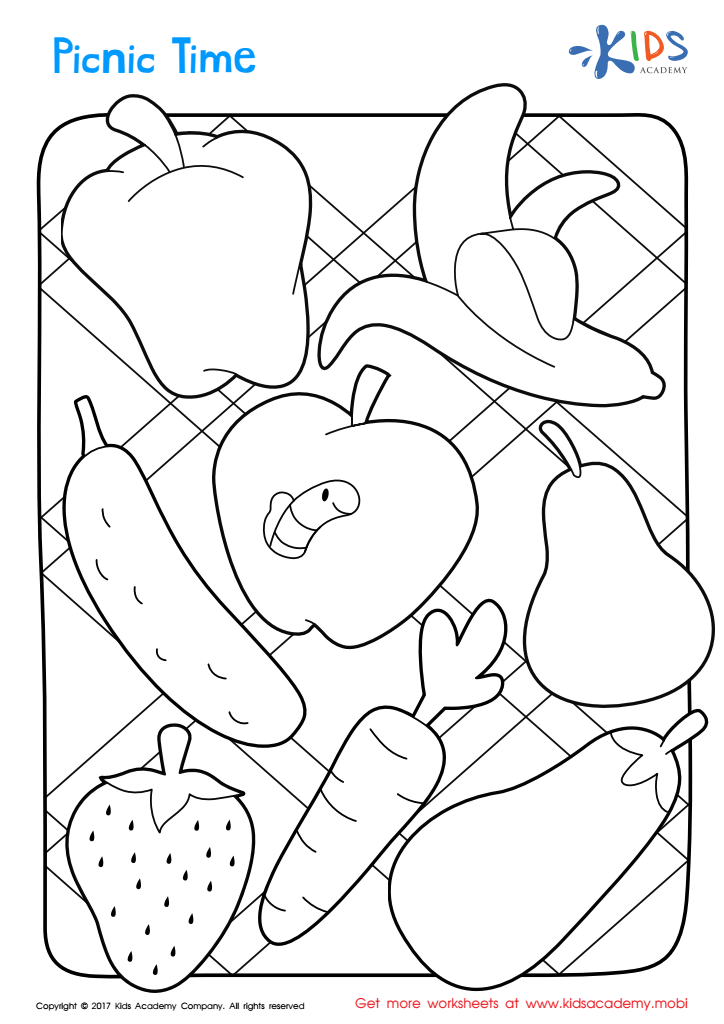
Picnic Time Coloring Page
 Assign to My Students
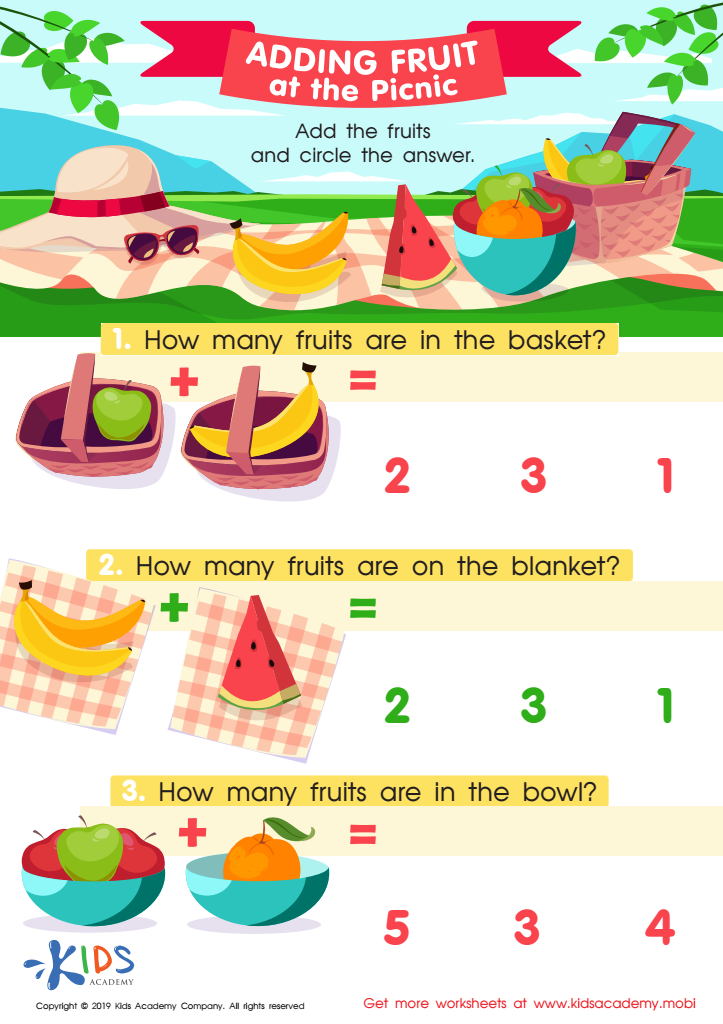
Adding Fruit at the Picnic Worksheet





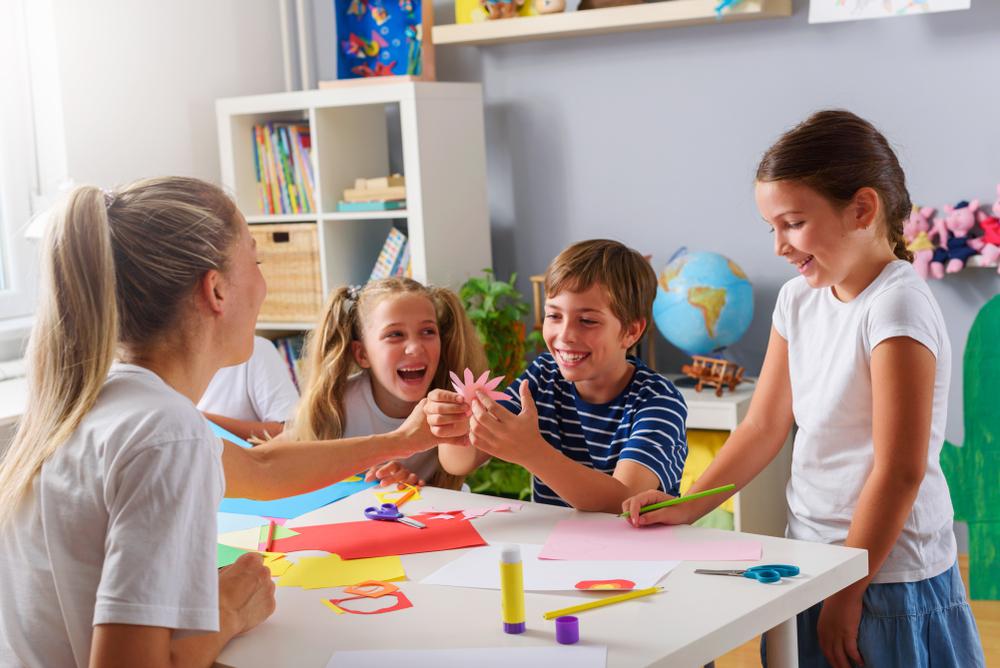

Object identification is a key developmental milestone for children aged 3-6, making it essential for parents and teachers to prioritize this skill. During these formative years, children are rapidly expanding their vocabulary and cognitive abilities. Learning to identify objects helps them make sense of the world around them, forming the basis for crucial skills like categorization, problem-solving, and critical thinking.
Parents and teachers can enhance children's object identification skills through engaging activities that promote exploration and interaction, such as sorting games, nature walks, and storytelling. By recognizing and naming various objects, children improve their language skills and develop a stronger understanding of relationships between items and their contexts, fostering cognitive growth.
Additionally, strong object identification skills lay the groundwork for later academic achievement. They contribute to literacy development, as children learn to connect words with their meanings, thereby enhancing reading comprehension in the future. Importantly, educational experiences that nurture this skill also promote social interaction, as children learn to communicate their observations and engage with peers.
In summary, focusing on object identification enriches children’s language, cognitive abilities, and social skills, setting them on a path for lifelong learning and success. Therefore, active involvement from both parents and educators is vital.








