Plant identification Worksheets for Ages 3-6
5 filtered results
-
From - To
Discover our engaging Plant Identification Worksheets designed specifically for children aged 3-6! These fun and educational printables from Kids Academy help young learners explore and identify various plants and flowers. Through vibrant illustrations and easy-to-follow activities, your child will develop critical thinking skills and a deeper understanding of nature. Perfect for at-home learning or classroom use, these worksheets make science both exciting and accessible for early learners. Foster a love for nature and botanical knowledge in your little ones with our age-appropriate and thoughtfully crafted Plant Identification Worksheets!
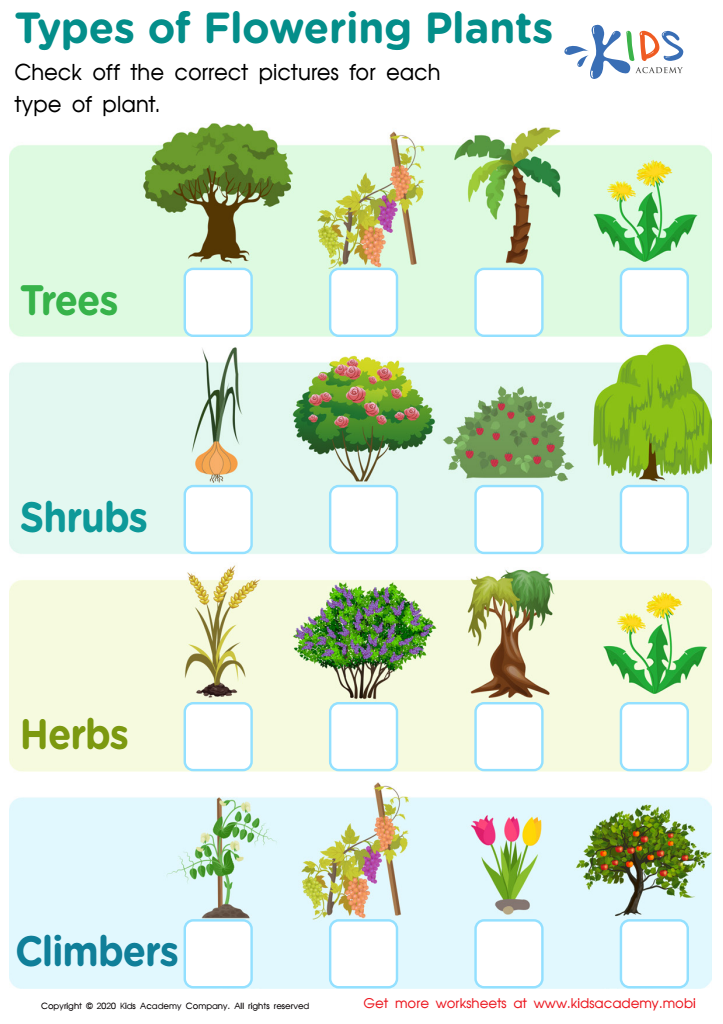
Types of Flowering Plants Worksheet
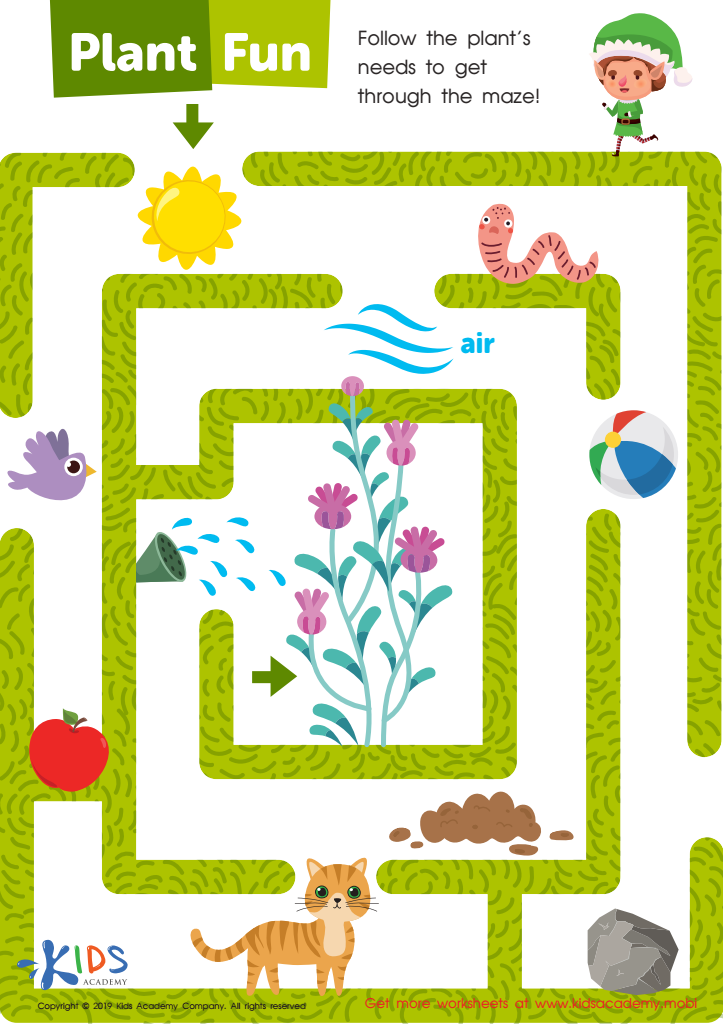
Plant Fun Worksheet
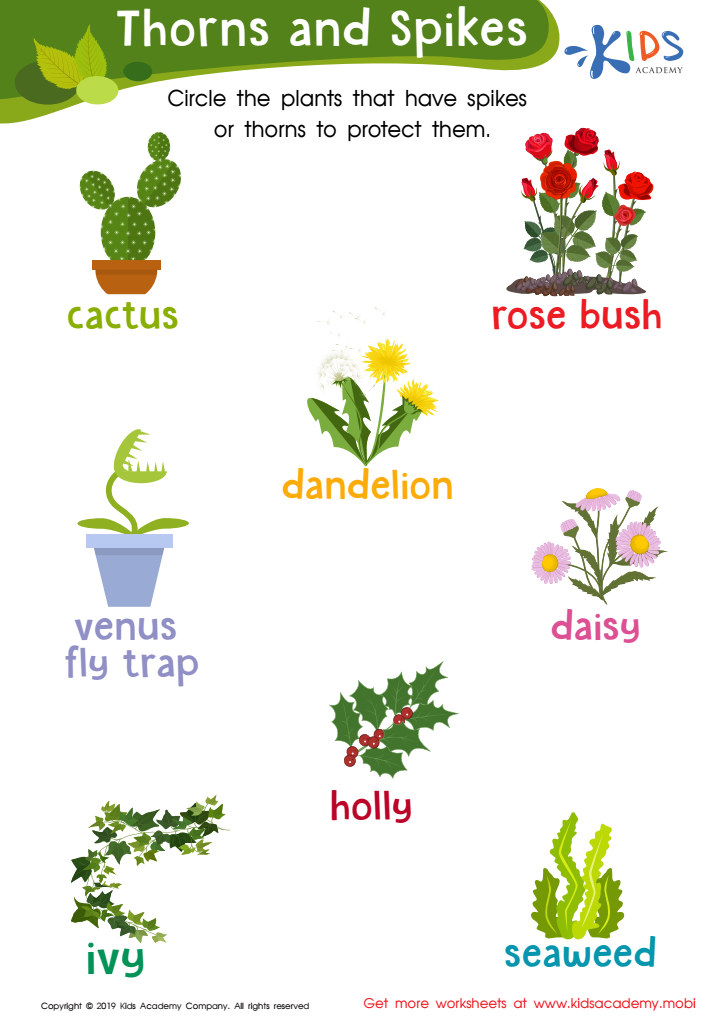
Thorns and Spikes Worksheet
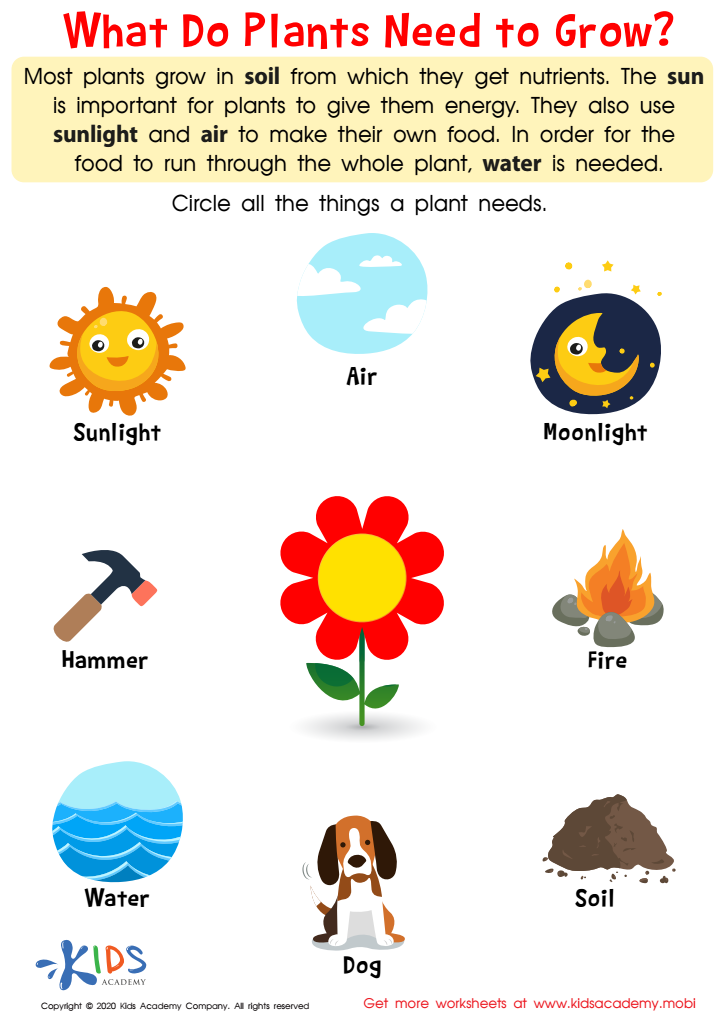
What Do Plants Need to Grow Worksheet
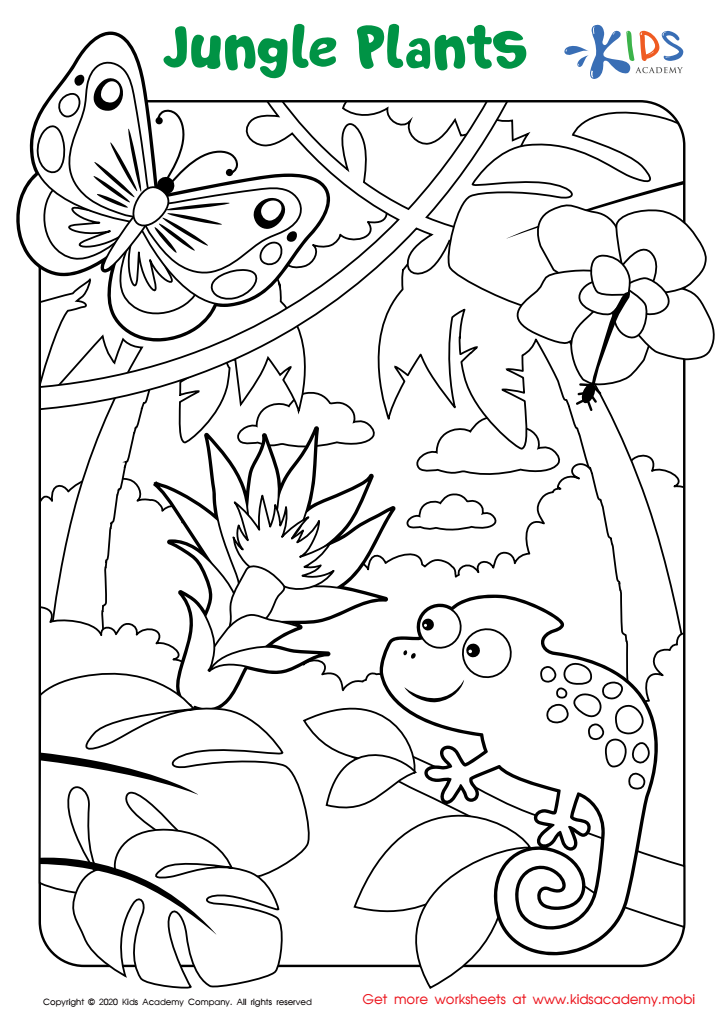
Jungle Plants Worksheet
 Assign to My Students



.jpg)



Early childhood is a critical period for cognitive, social, and emotional development, and introducing children to plant identification can play a significant role in this. For ages 3-6, plant identification activities help nurture curiosity and a sense of discovery. Engaging with nature helps children develop a better understanding and appreciation of the environment. It deepens their observational skills, which are fundamental for learning in all areas. Recognizing and naming different plants also expands their vocabulary and strengthens their language skills.
Moreover, such activities can foster a lifelong interest in science and nature. Being able to identify various plants can make outdoor activities more engaging and educational. It also promotes mindfulness and improves well-being as interaction with nature has been shown to reduce stress and enhance mood—for both children and adults.
From a social perspective, plant identification outings or projects encourage collaboration and teamwork among young children. These activities help children develop patience, care, and responsibility by learning how plants grow and what they need to thrive.
For teachers and parents, incorporating plant identification supports curricular goals in science and helps meet educational standards for early childhood learning. Thus, it's not merely about recognizing plants; it's about laying the foundation for a holistic educational experience that values knowledge, nature, and community.








