Practicing arithmetic operations Worksheets for Ages 3-6
3 filtered results
-
From - To
Discover the joy of learning with our "Practicing Arithmetic Operations Worksheets" designed for children ages 3-6! These engaging worksheets help young learners develop essential math skills through fun and interactive activities. Each worksheet emphasizes key arithmetic operations such as addition and subtraction in a playful manner that captivates young minds. Ideal for both classroom and home use, these ready-to-print resources foster early numeracy, boost confidence, and enhance critical thinking. Parents and educators can easily track progress while making learning enjoyable. Start your child’s math journey today with our colorful and stimulating worksheets that make arithmetic a breeze!
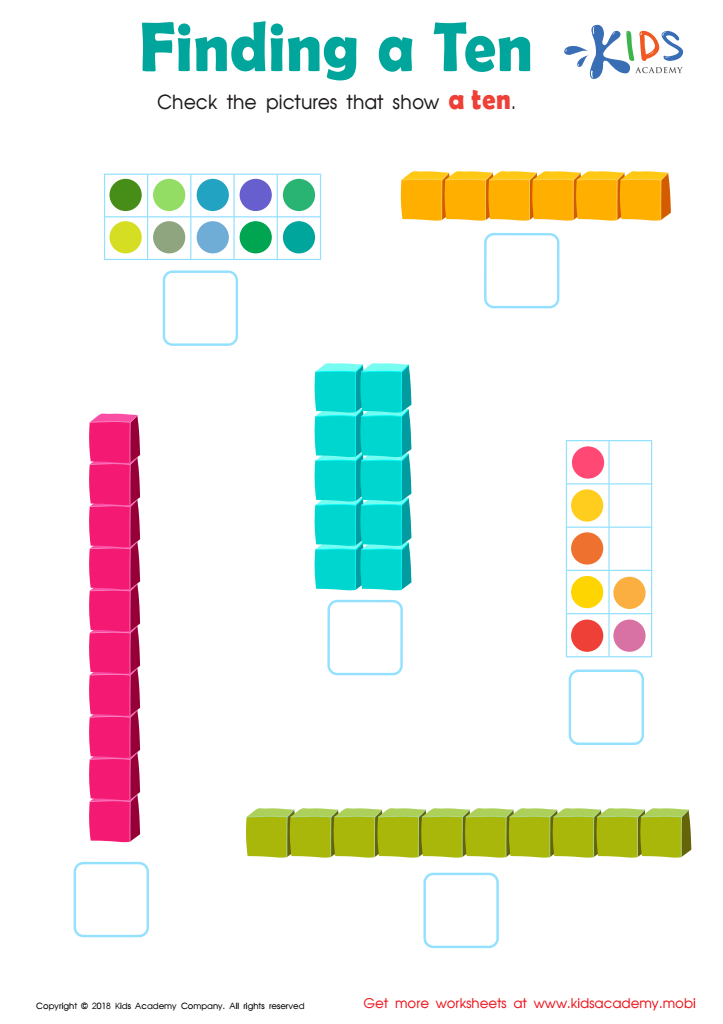
Finding a Ten Worksheet
 Assign to My Students
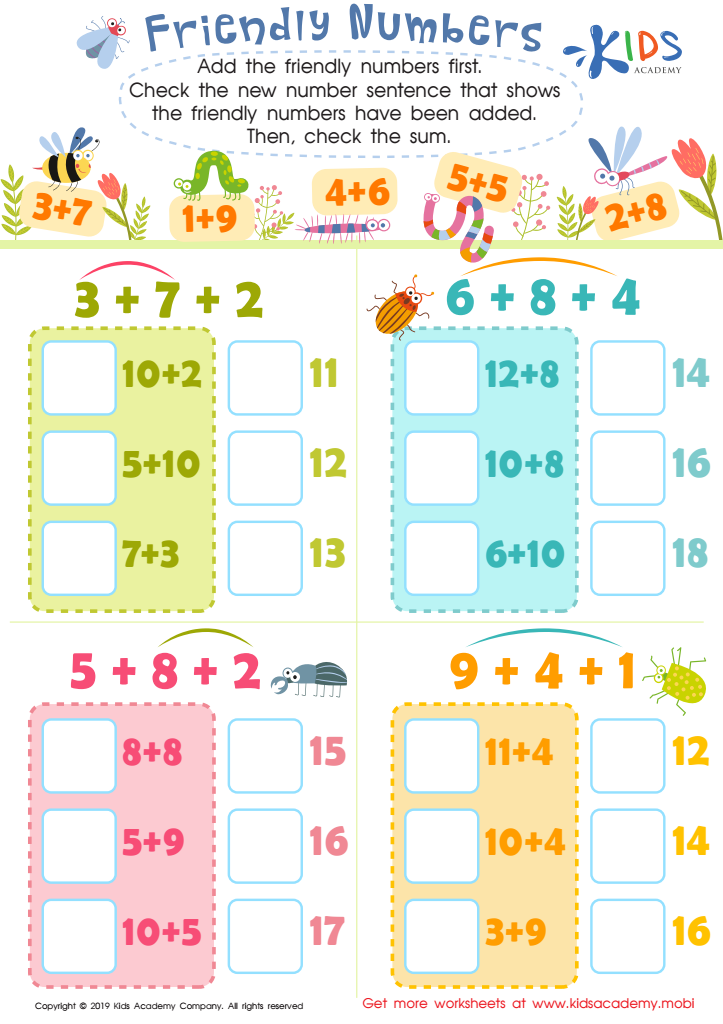
Friendly Numbers Worksheet
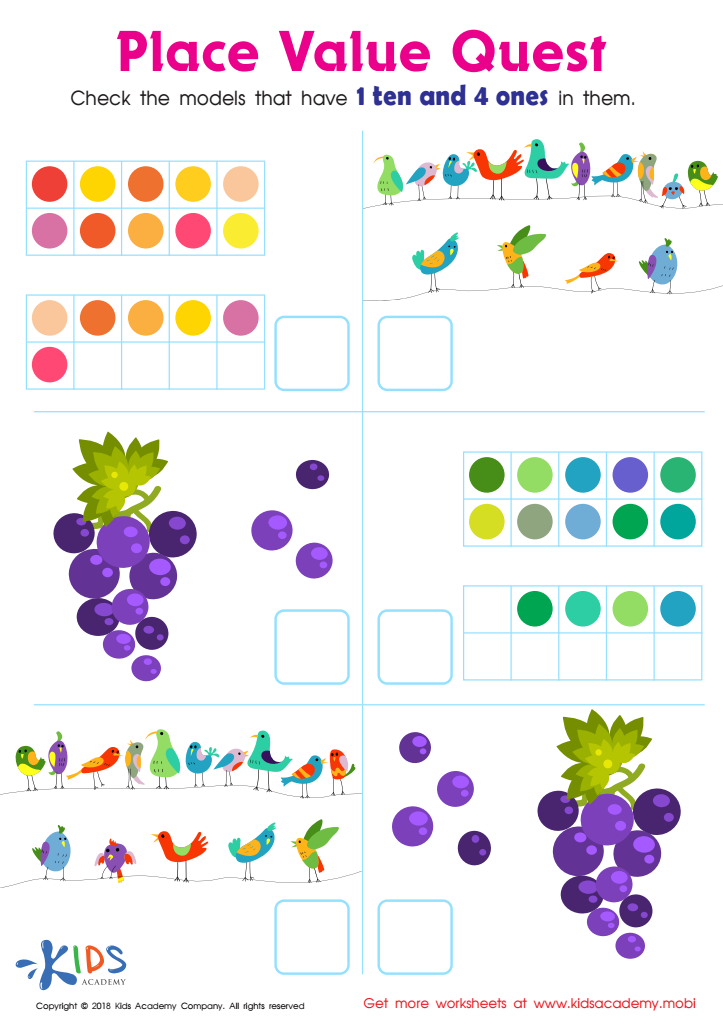
Place Value Quest Worksheet







Practicing arithmetic operations with children aged 3-6 is crucial for several reasons. Cognitive development during these formative years lays the foundation for future learning. Engaging in simple counting, addition, and subtraction activities helps children develop critical thinking skills, enhances their memory, and boosts their confidence in solving problems.
At this age, children learn best through play, so integrating arithmetic into daily activities through games and hands-on experiences can stimulate their interest in math. It also helps them understand the practical applications of numbers, making learning more relatable and enjoyable.
Furthermore, early arithmetic skills are linked to later academic success. Research shows that children with strong quantitative skills in preschool often continue to excel in math throughout their education. Recognizing different patterns, identifying shapes, and comparing quantities fosters a sense of curiosity and encourages exploration.
Additionally, practicing these skills boosts overall cognitive development and can help with social skills as children collaborate and communicate during group activities. Therefore, both parents and teachers should prioritize arithmetic practice as a fun and essential component of holistic educational growth for this age group. By doing so, they can help young learners cultivate a positive attitude toward mathematics that will serve them well in their academic journeys.








