Practicing multiplication Worksheets for Ages 3-6
6 filtered results
-
From - To
Welcome to our engaging “Practicing Multiplication Worksheets” tailored for young learners aged 3-6! These printable resources are designed to introduce early math concepts in a fun and accessible way. Our worksheets utilize colorful illustrations and interactive activities, helping children build a solid foundation in multiplication. Perfect for both classroom and home use, these worksheets encourage critical thinking and problem-solving skills. Each activity is age-appropriate, ensuring children remain excited while learning. Watch your little ones shine as they explore multiplication through playful exercises that promote learning through play. Dive in today and make math an enjoyable adventure for your child!
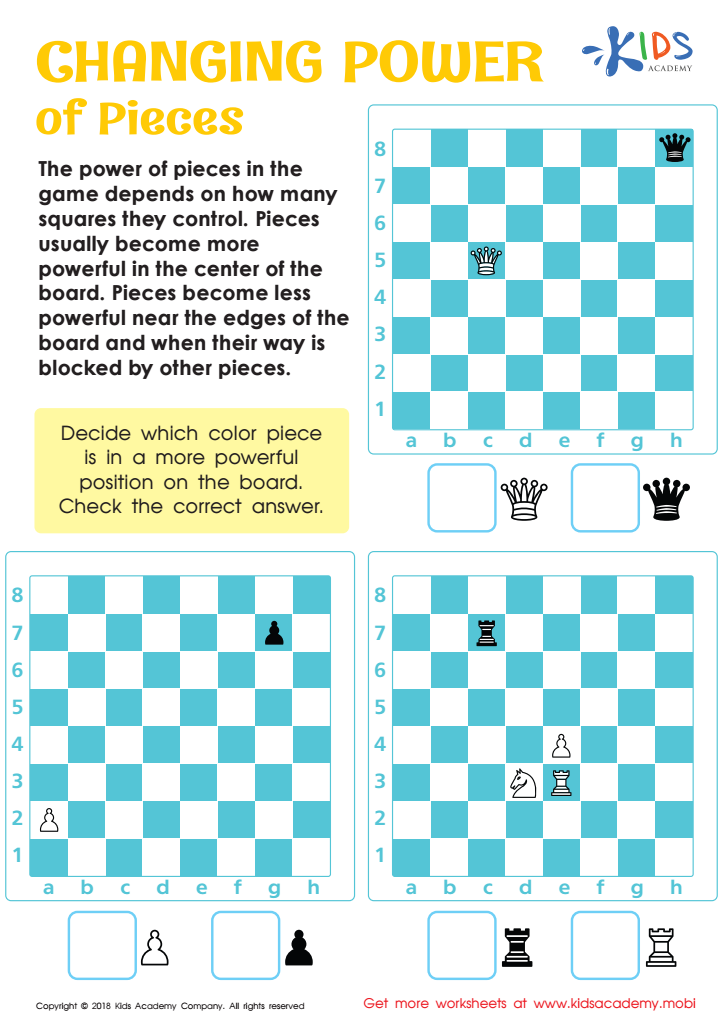
Changing Power of Chess Pieces Worksheet
 Assign to My Students
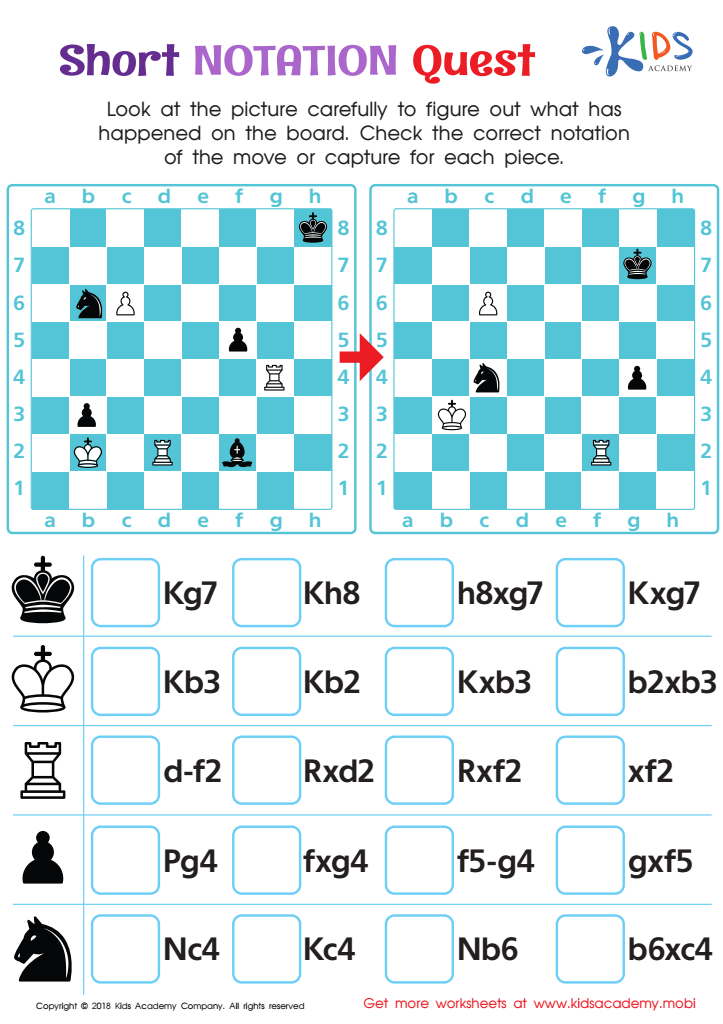
Short Notation Quest Worksheet
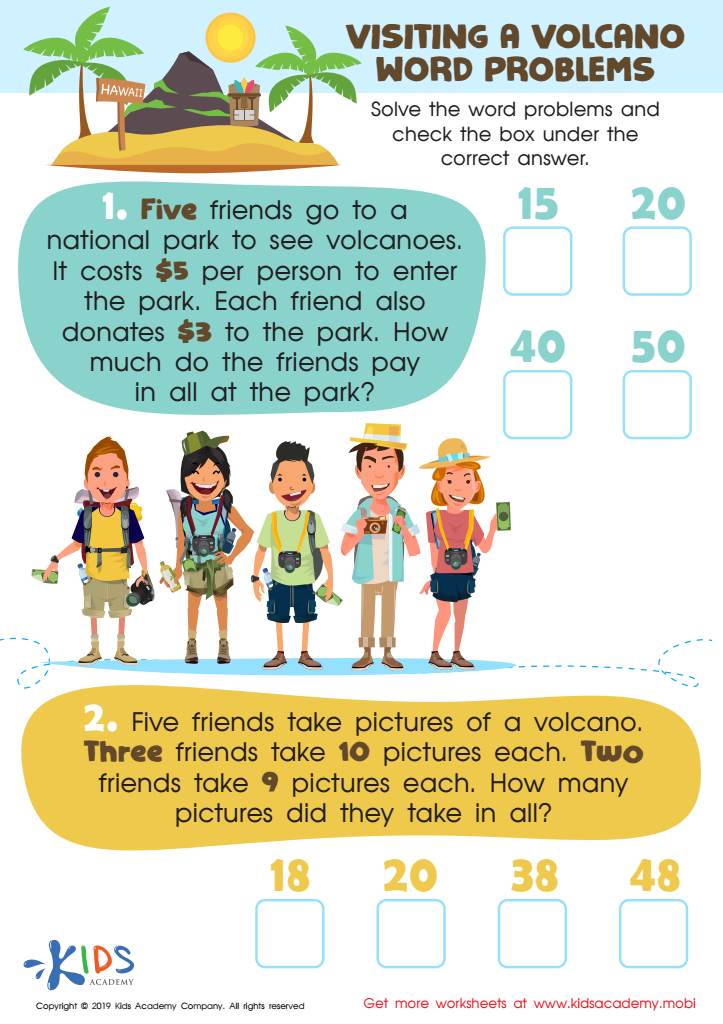
Visiting a Volcano Word Problems Worksheet
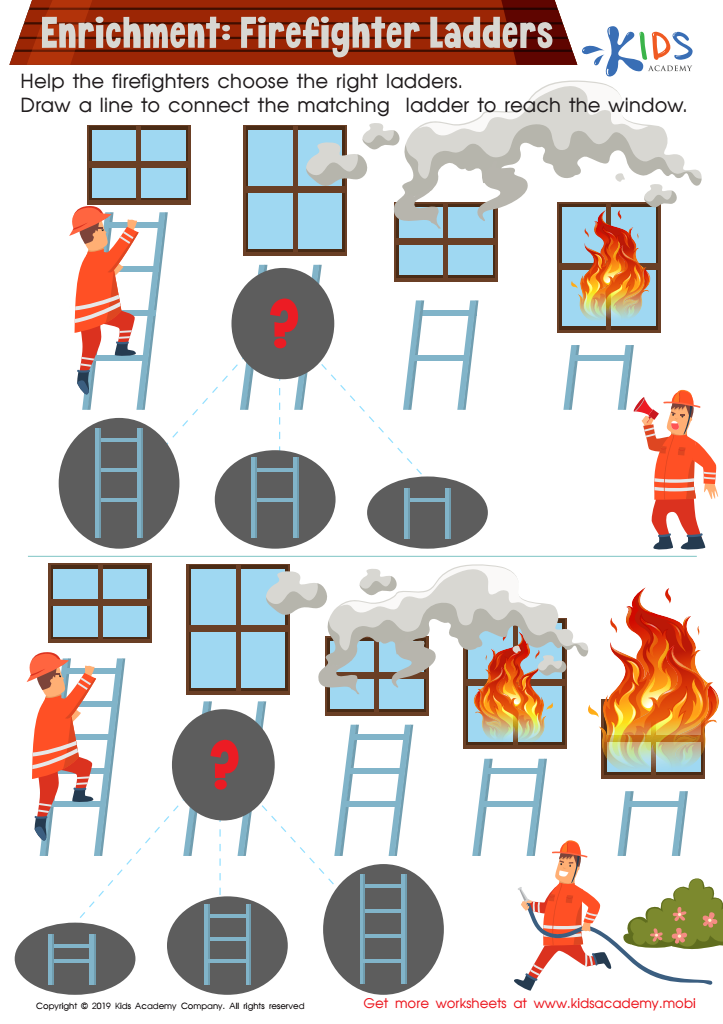
Enrichment: Firefighter Ladders Worksheet
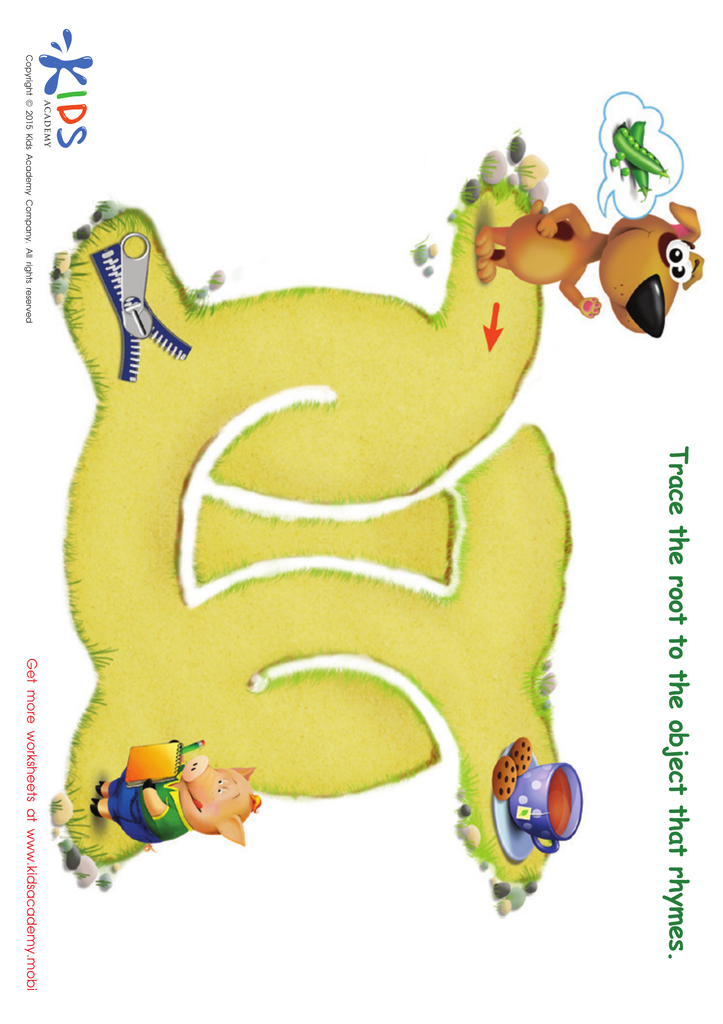
Pea Rhyming Words Worksheet
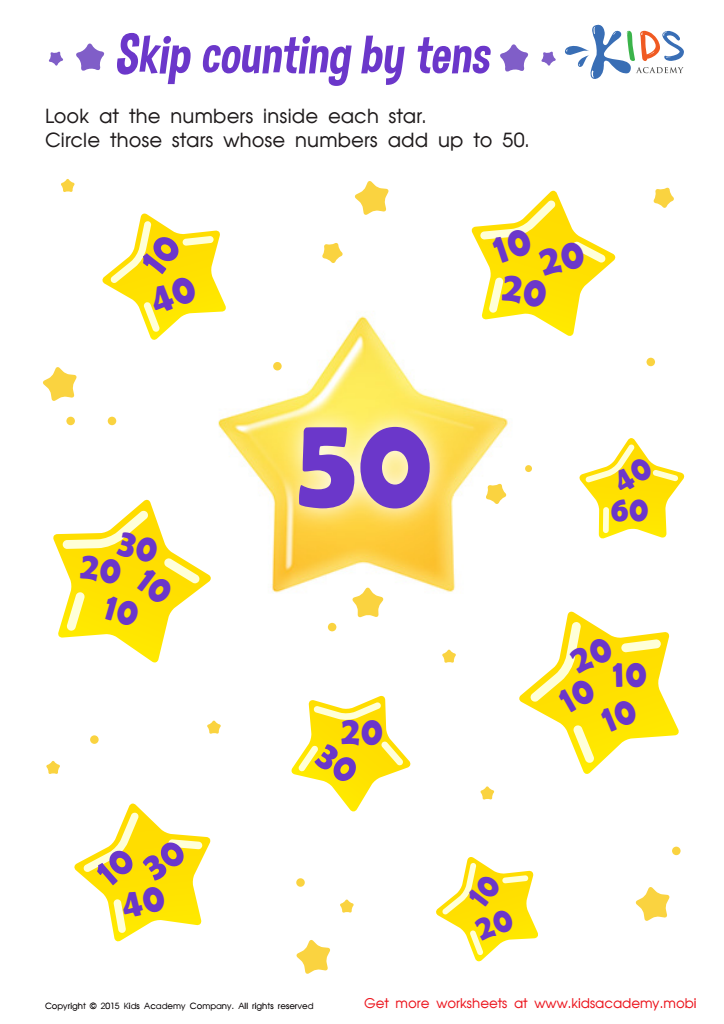
Learn Dozens: Skip Counting by Tens Printable




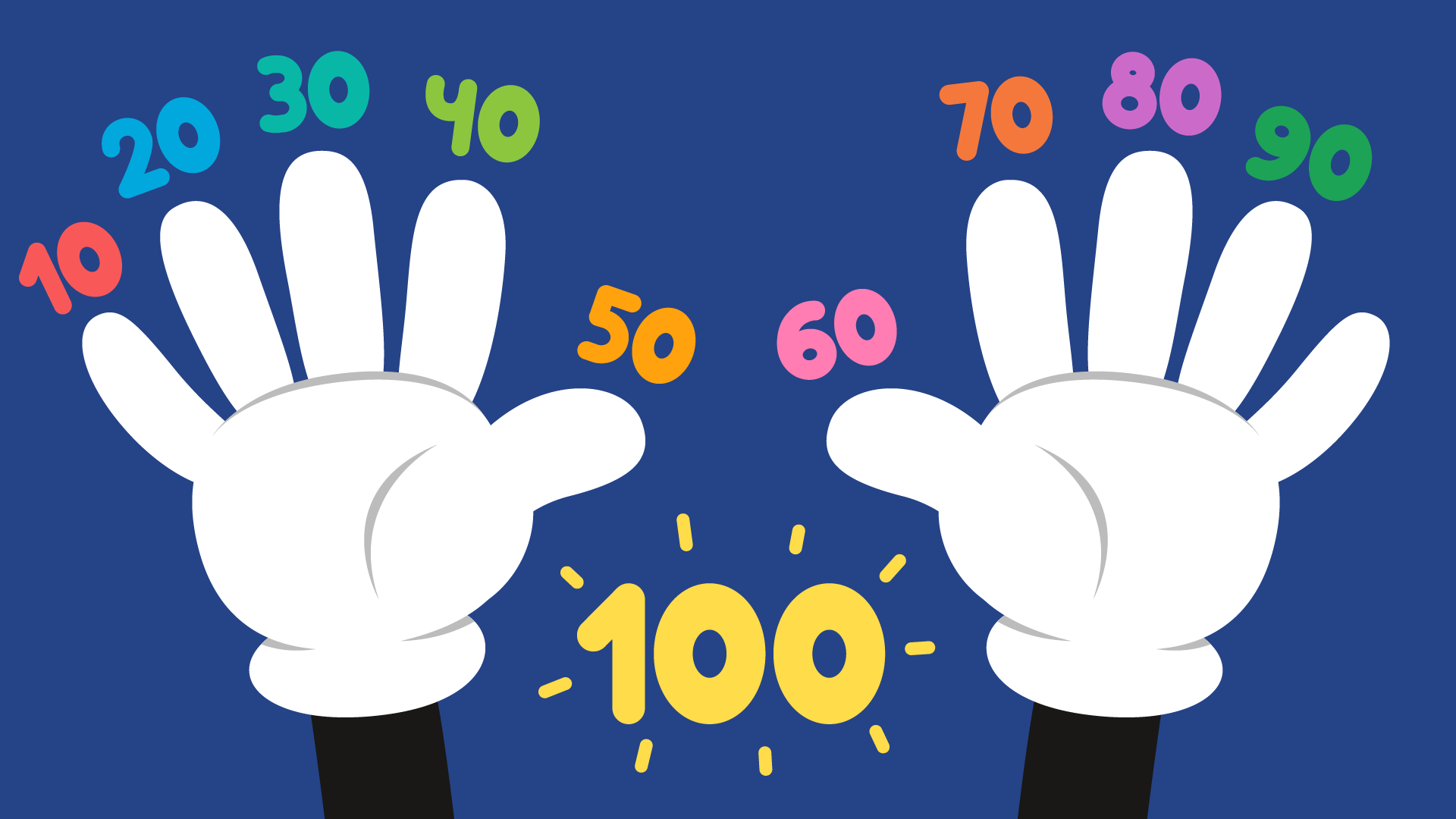


Practicing multiplication with young children, ages 3-6, lays a strong foundation for their mathematical understanding. Engaging in early multiplication activities helps to develop essential cognitive skills, including number recognition, counting, and basic arithmetic. This age group is naturally curious and eager to learn, making it a prime time to introduce multiplication concepts in a playful and hands-on manner.
Parents and teachers should recognize that early exposure to multiplication fosters a positive attitude towards math. Activities such as using objects for grouping, playing multiplication games, or singing songs can make learning fun and interactive, encouraging children to explore mathematical relationships creatively. Additionally, practical applications, such as sharing snacks or toys among friends, can provide real-life context to multiplication, enhancing comprehension and retention.
Moreover, strengthening these early math skills can build confidence in children as they progress through their educational journey. Comfort with multiplication at a young age will ease future encounters with more complex mathematical concepts. Therefore, investing time in practicing multiplication now not only nurtures foundational math skills but also fosters enthusiasm for learning in broader contexts, ultimately benefiting children's overall educational development.








