Reading comprehension Worksheets for Ages 3-6 - Page 17
394 filtered results
-
From - To
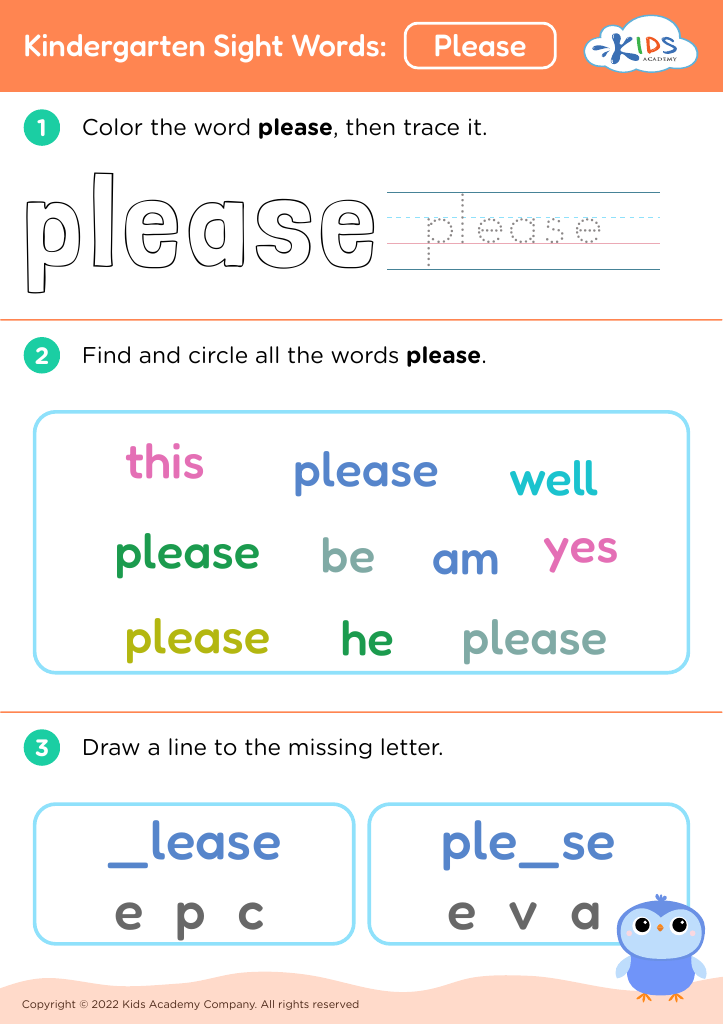
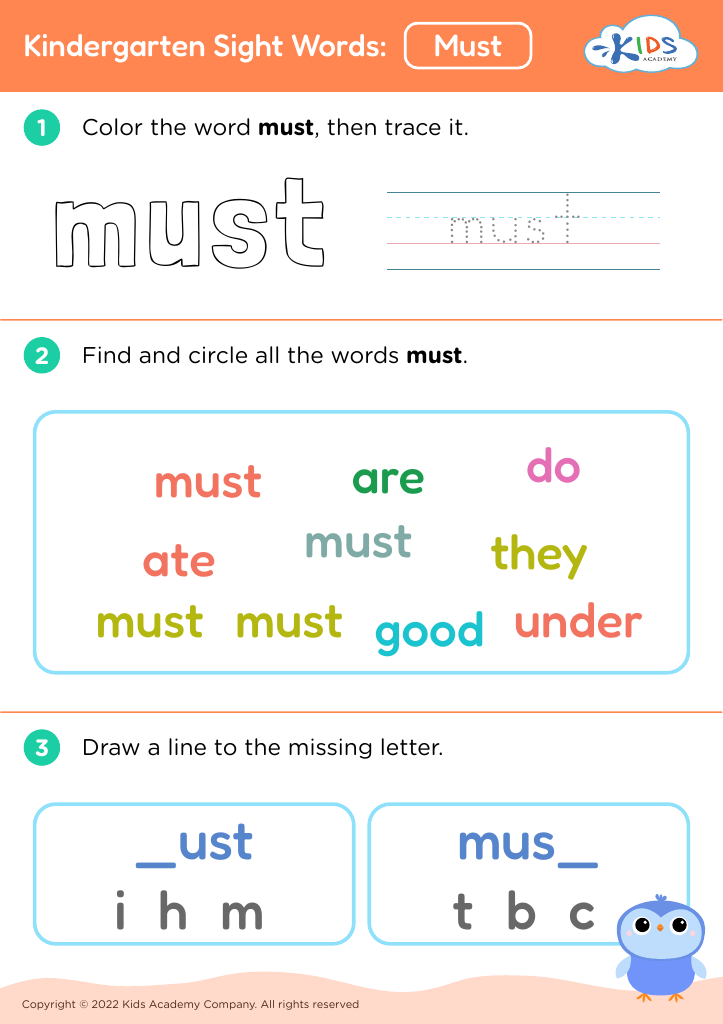






Reading comprehension for children aged 3-6 is crucial as it lays the foundation for their lifelong learning and development. At this early stage, children are not just learning to read but are also being introduced to the fundamental skills needed to understand and make sense of what they read. By caring about and fostering reading comprehension, parents and teachers help children develop critical thinking, vocabulary, and communication skills.
At ages 3-6, children's brains are highly adaptable and receptive; exposure to rich language experiences helps enhance their cognitive development. Reading comprehension activities, such as discussing stories and asking open-ended questions, encourage children to think about characters, settings, and plot, boosting their analytical abilities and empathy. Additionally, strong reading comprehension skills contribute to better academic performance as children advance to higher grades. This skill influences subjects beyond reading, including math and science, where understanding instructions and concepts is key.
Moreover, instilling a love for reading early on fosters a lifelong curiosity and eagerness to learn. By making reading an enjoyable and integral part of daily life, parents and teachers help children view reading as a pleasurable and rewarding activity. In this way, focusing on reading comprehension at a young age not only enhances immediate academic success but also promotes enduring intellectual growth and emotional well-being.








