Recognizing shapes Worksheets for Ages 3-6
13 filtered results
-
From - To
Discover our engaging "Recognizing Shapes Worksheets" designed specifically for children ages 3 to 6! These worksheets are perfect for helping young learners identify and understand various shapes through fun activities and colorful illustrations. Our comprehensive collection encourages creativity and enhances cognitive skills, making learning both enjoyable and effective. Activities include shape sorting, matching games, and tracing exercises tailored to keep little hands busy and minds focused. Perfect for both classroom and home use, these worksheets are ideal for early education and preschool settings. Help your child develop foundational geometry skills while having a blast! Explore today and watch their skills flourish!
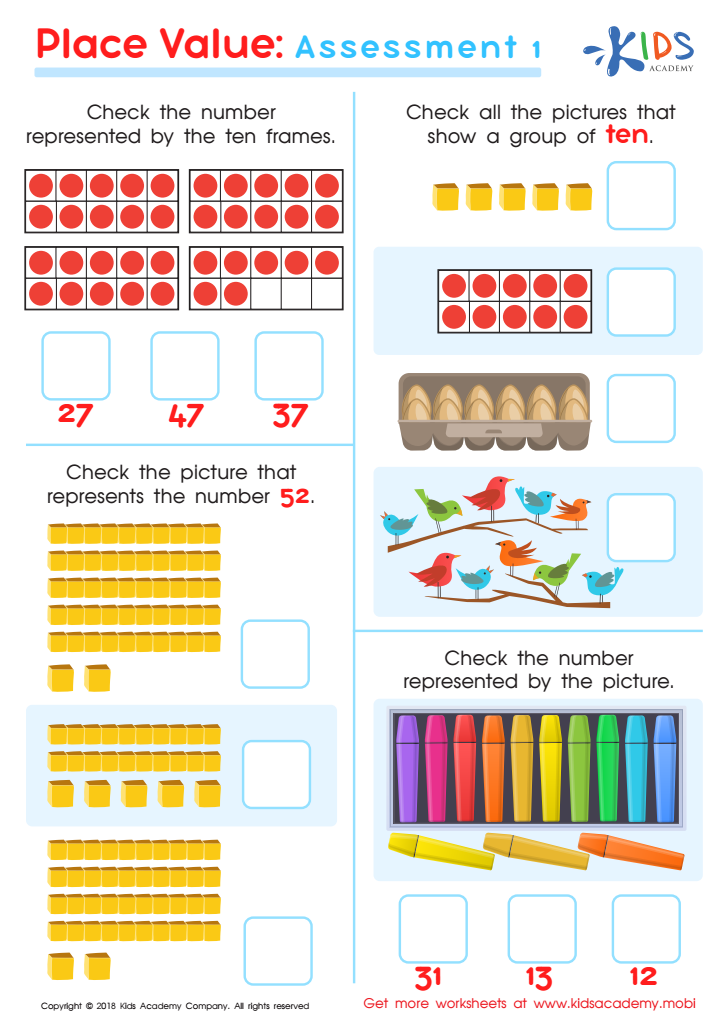
Place Value: Assessment 1 Worksheet
 Assign to My Students
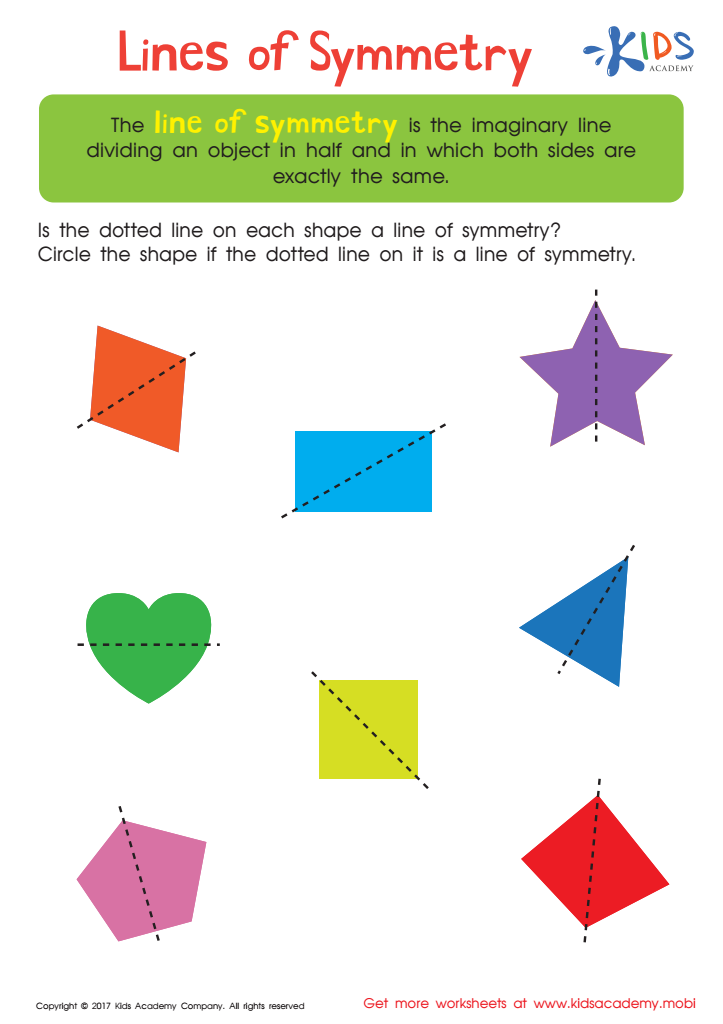
Lines of Symmetry Printable
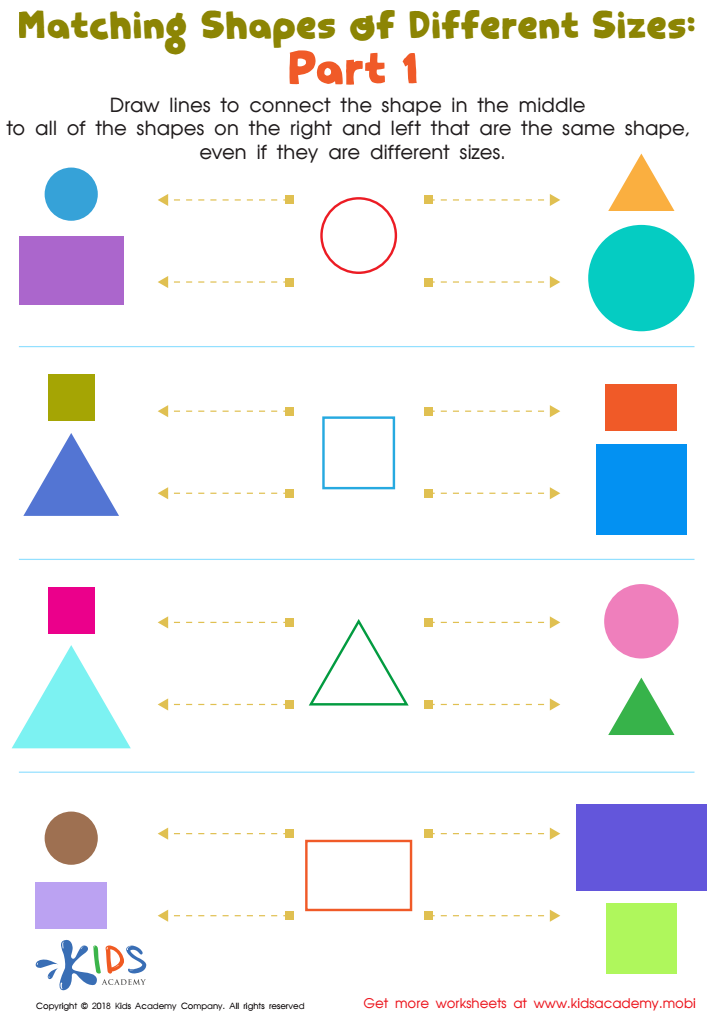
Geometry: part 1 Worksheet
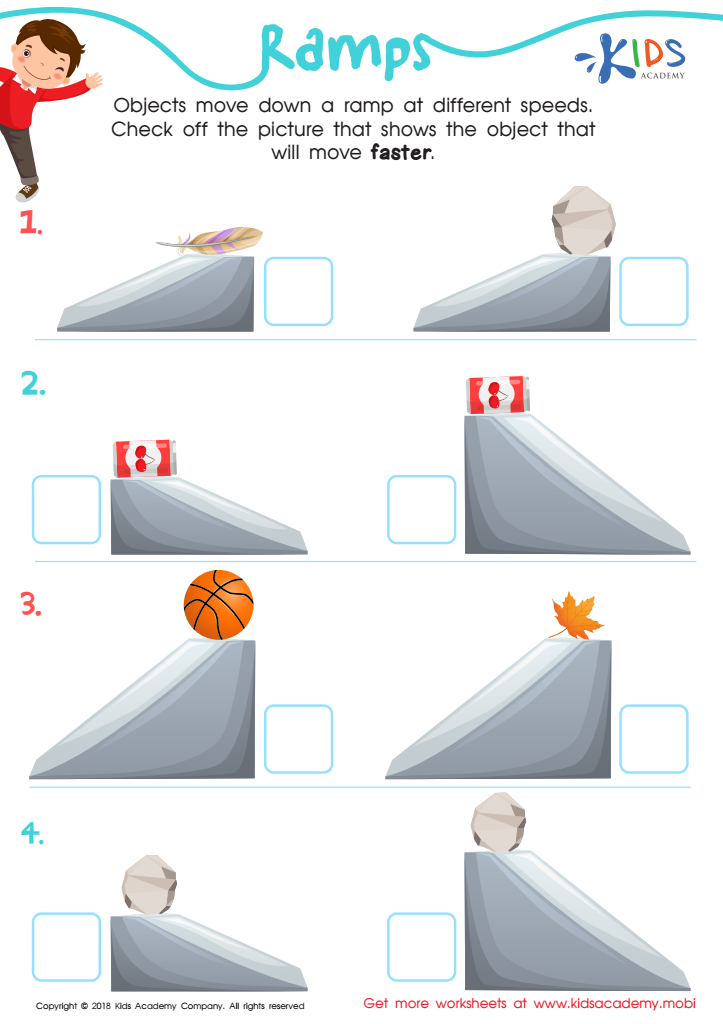
Ramps Worksheet
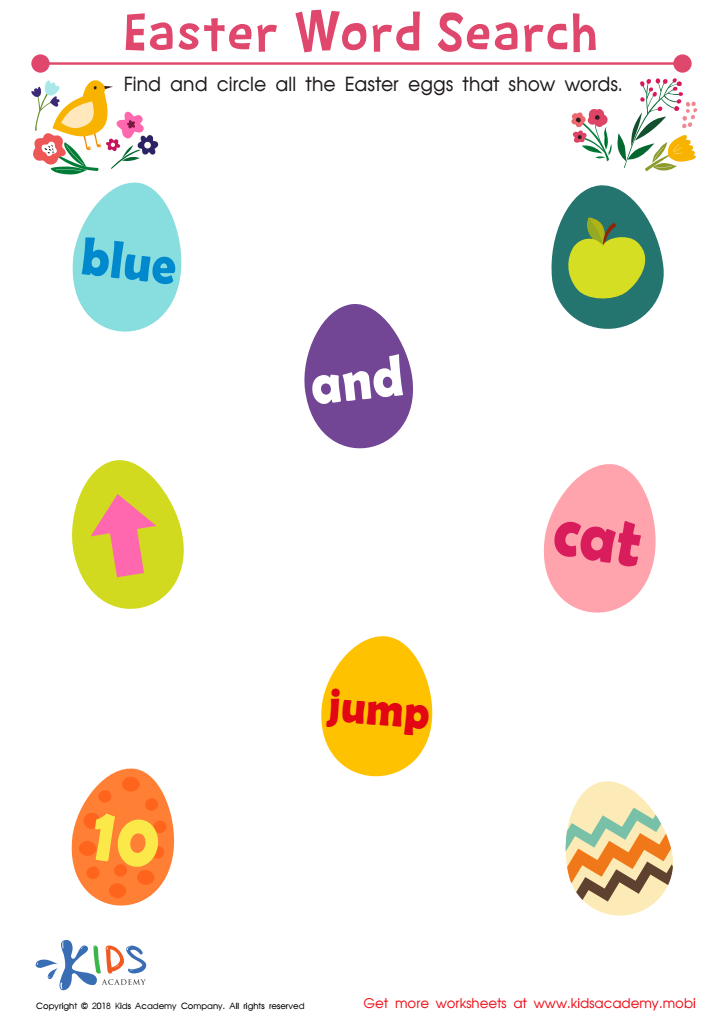
Easter Word Search Worksheet
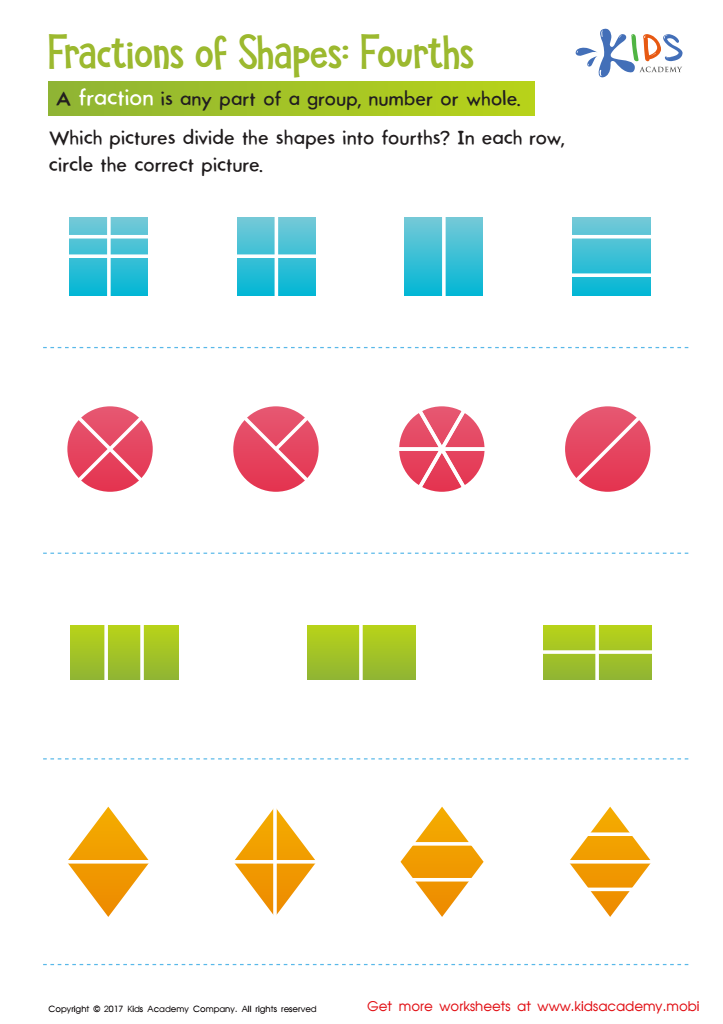
Fractions of Shapes Worksheet








Recognizing shapes is a fundamental skill for young children, particularly between the ages of 3 and 6, as it lays the groundwork for their mathematical understanding and cognitive development. During these critical years, children are naturally curious and actively exploring the world around them. By learning to identify shapes, they enhance their ability to categorize and make sense of their environment.
Shape recognition aids in developing spatial awareness, a vital skill that helps children navigate through spaces and understand their relative positioning. This skill also supports problem-solving capabilities as they learn to analyze and differentiate objects based on their shapes.
Beyond mathematics, recognizing shapes fosters creativity and language development. Children use shape names and attributes while engaging in art and play, enhancing their vocabulary and communication skills. Additionally, recognizing shapes promotes critical thinking as children observe, compare, and draw conclusions about the world around them.
Ultimately, supporting shape recognition through playful activities, art projects, and everyday conversations is crucial for parents and teachers. It cultivates a rich learning foundation, boosts confidence, and encourages a lifelong love for learning in young children, ensuring they are well-equipped for future academic challenges.








