Sound Association Worksheets for Ages 3-6 - Page 2
35 filtered results
-
From - To
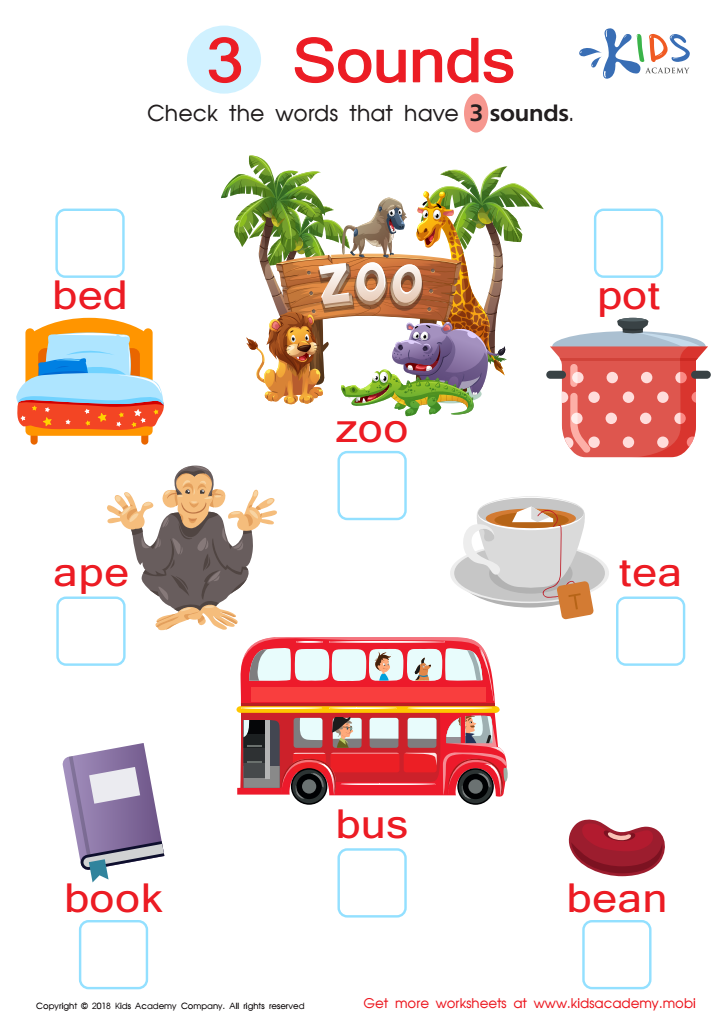
3 Sounds Worksheet
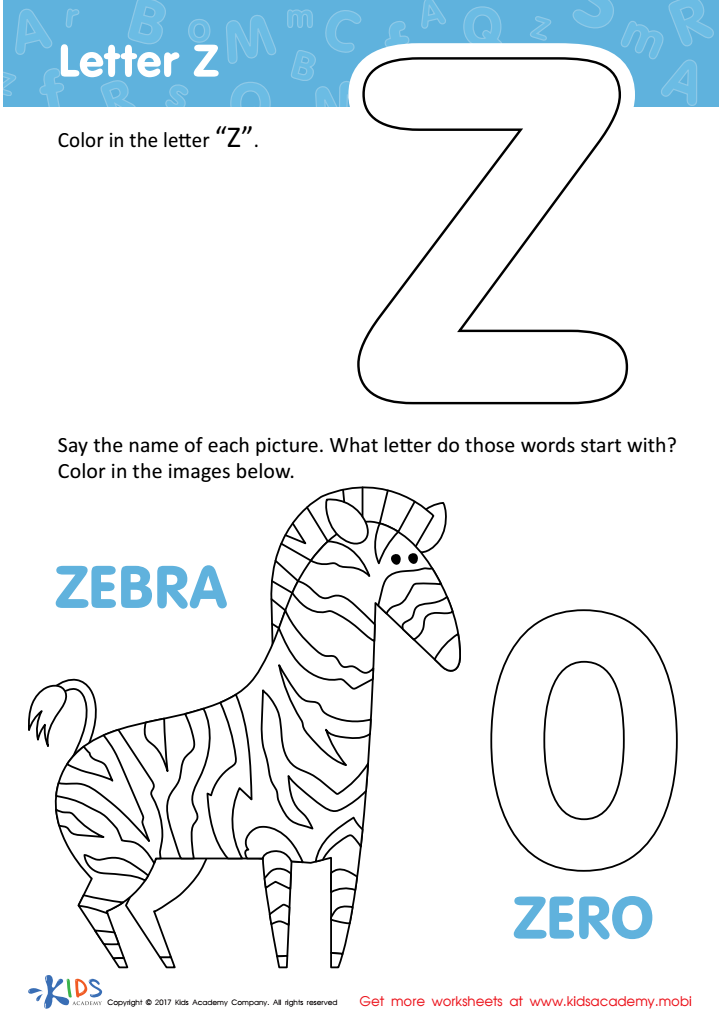
Letter Z Coloring Sheet
 Assign to My Students
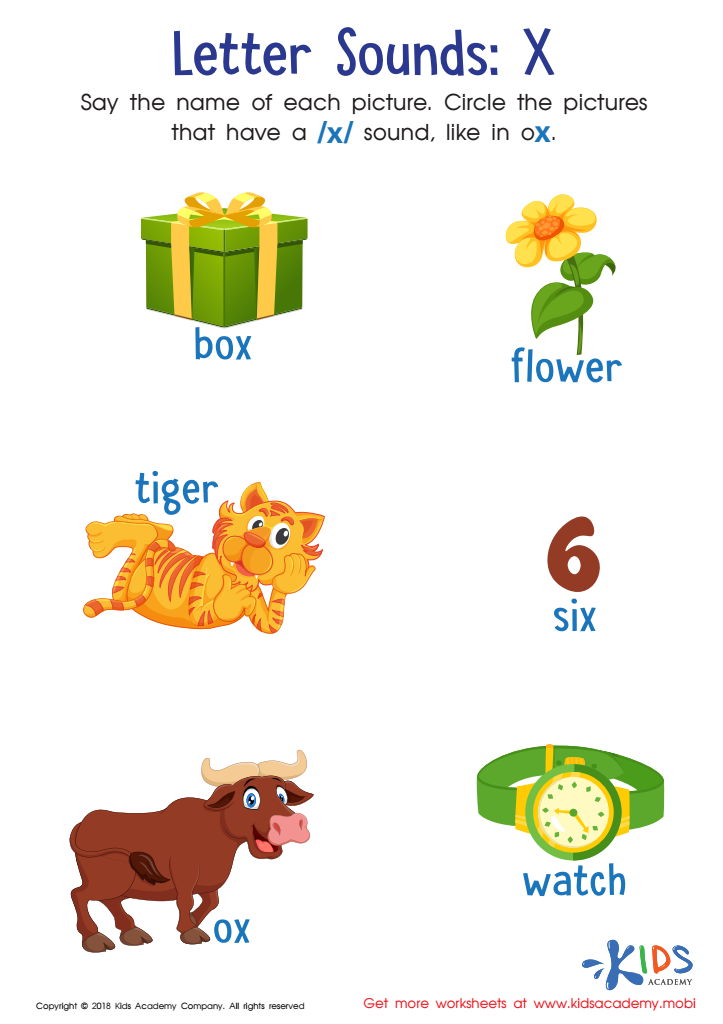
Letter X Sounds Worksheet
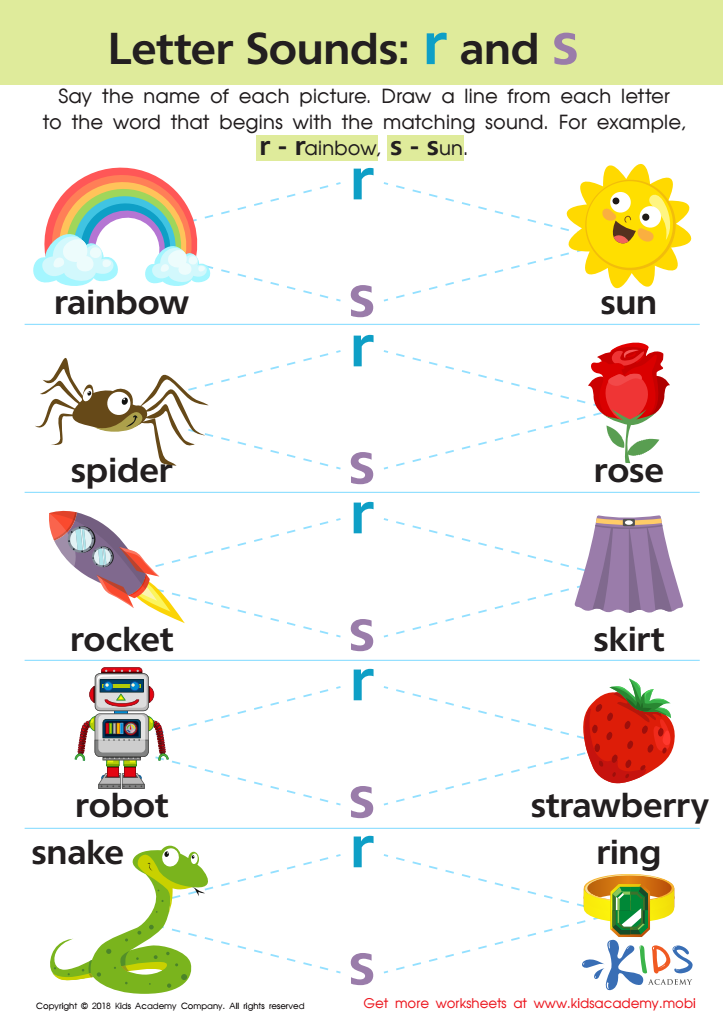
Letter R and S Sounds Worksheet
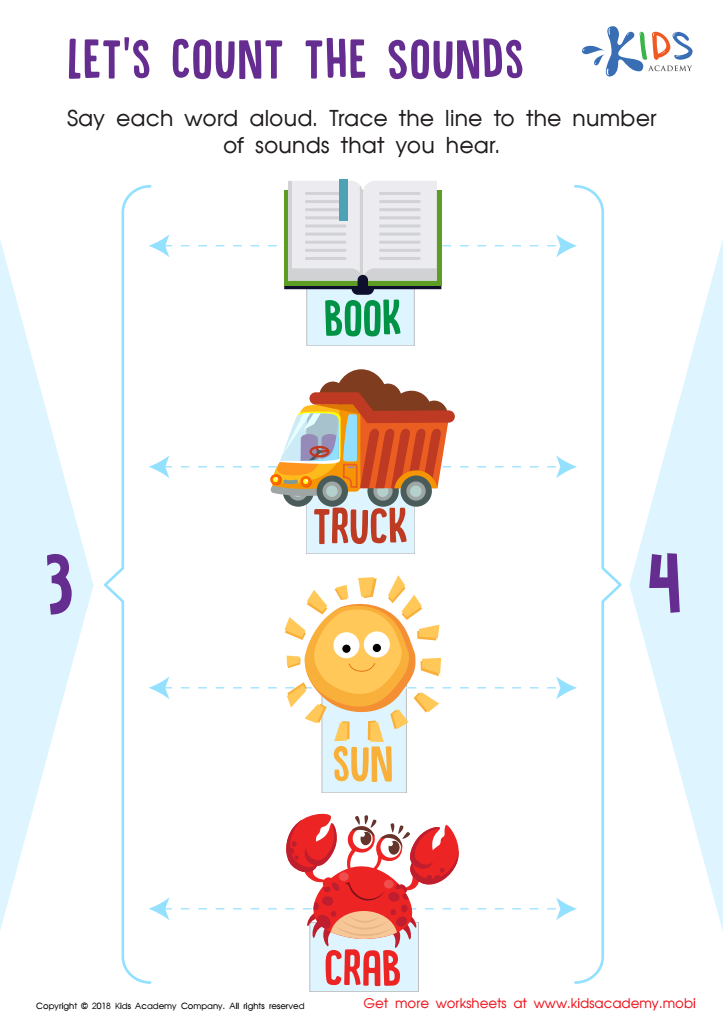
Let's Count the Sounds Worksheet
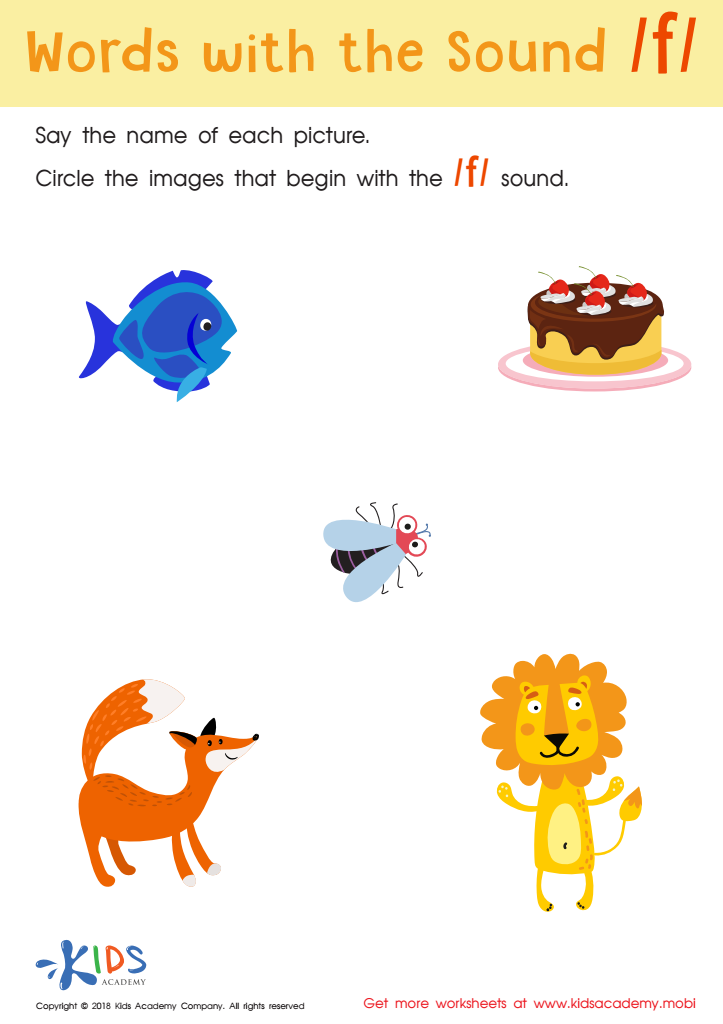
Words with sound f Reading Worksheet
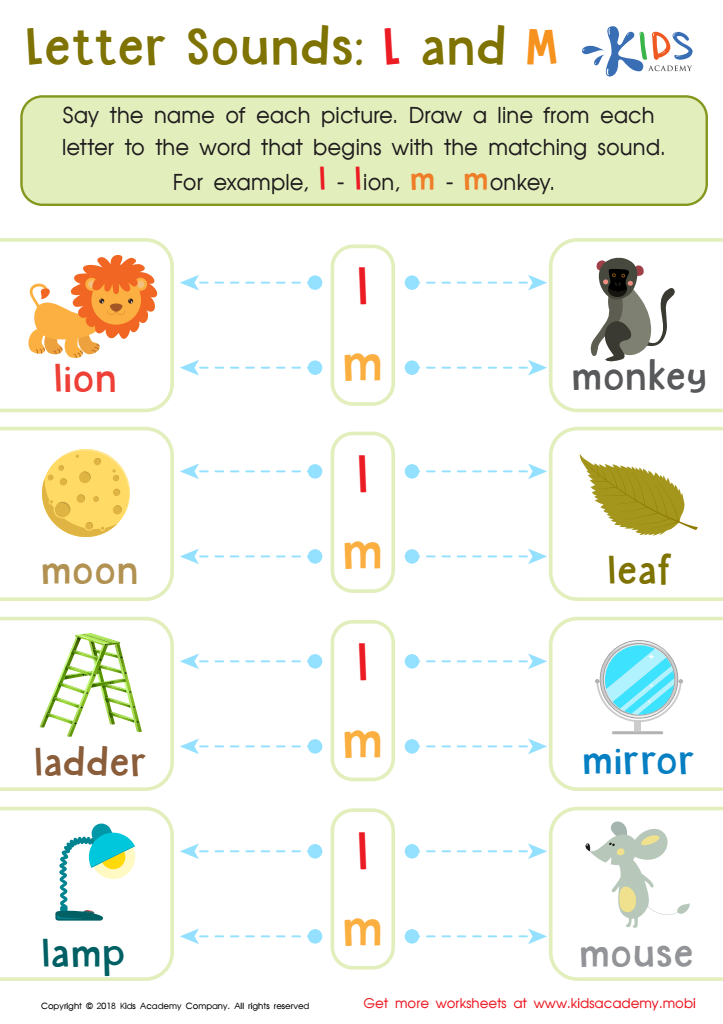
Letter l and M Sounds Worksheet
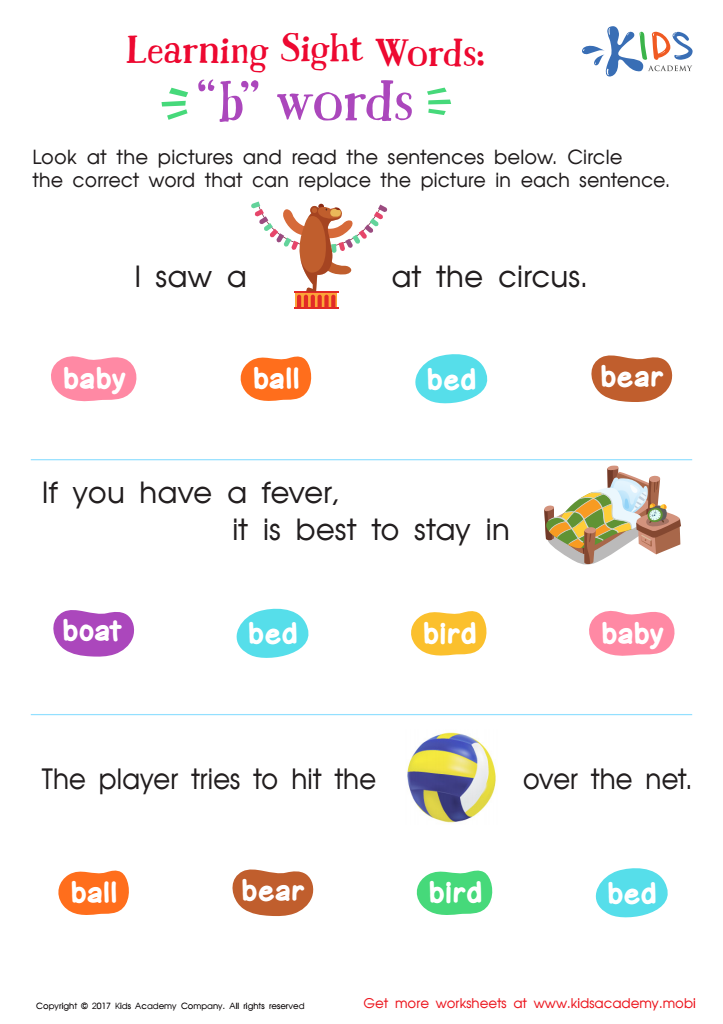
"B" Words Printable Sight Words Worksheet
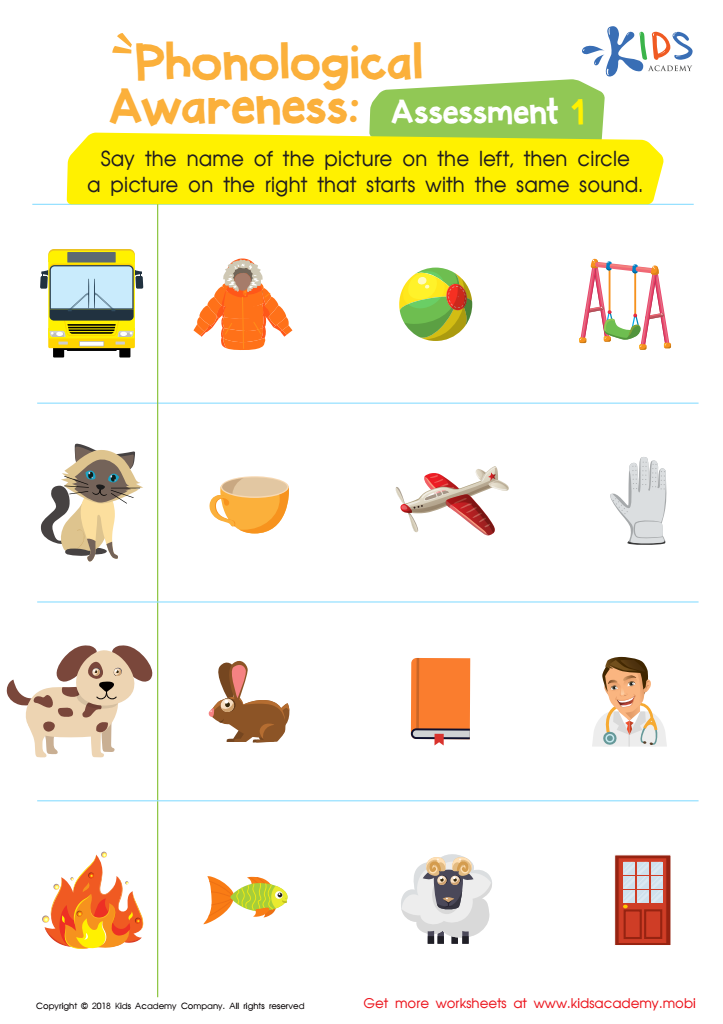
Phonological Awareness: Assessment 1 Worksheet
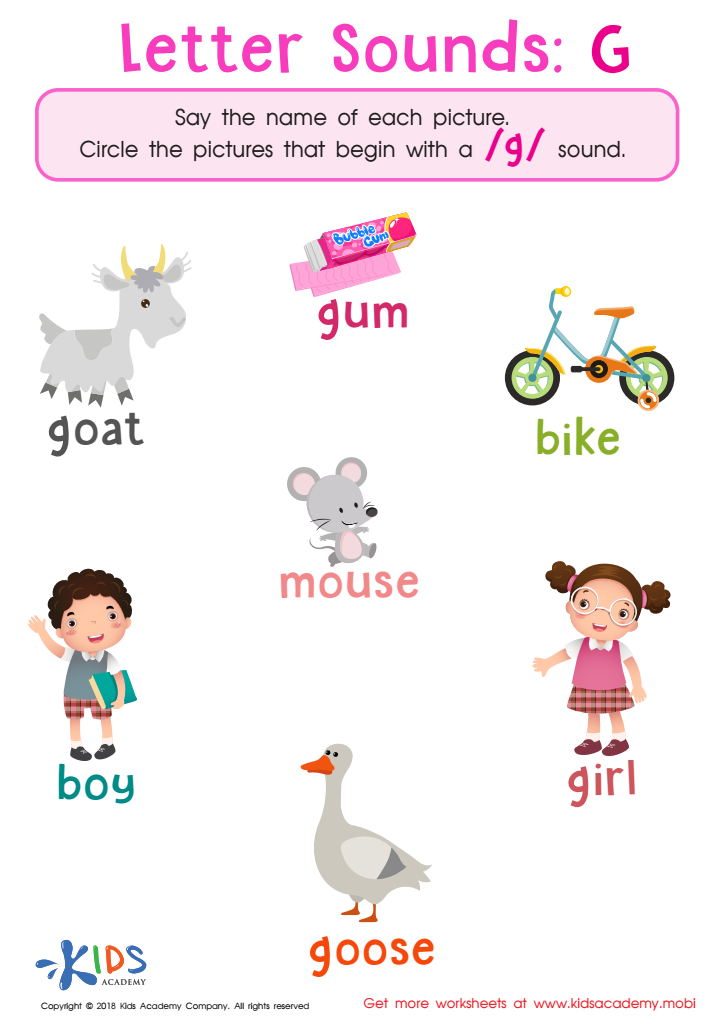
Letter G Sounds Worksheet
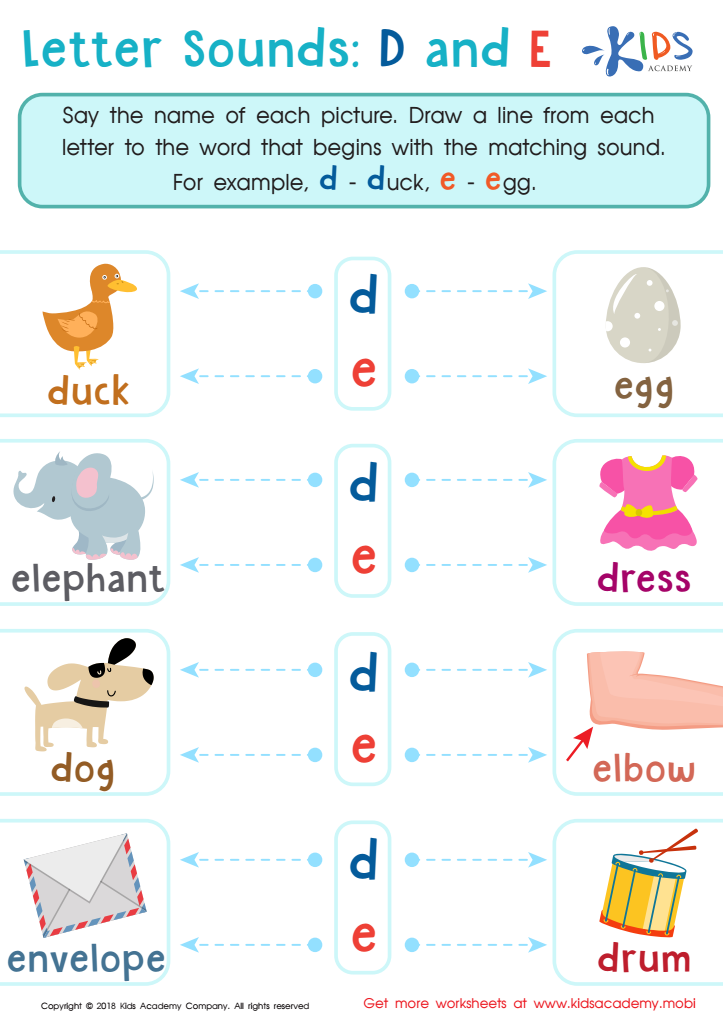
Letter D and E Sounds Worksheet








Sound association is a fundamental aspect of early childhood education that significantly impacts a child's development in literacy and language skills. For children ages 3-6, this crucial period, often referred to as the "sensitive period" for language, lays the groundwork for future learning.
Parents and teachers should highly prioritize sound association because it directly relates to phonemic awareness, which is the ability to hear, identify, and manipulate individual sounds in words. This skill is essential for reading and writing proficiency. By nurturing sound association, adults help children decode words, enhancing both their reading fluency and comprehension.
Moreover, engaging in sound association activities, like rhyming games, singing songs, or playing with letter sounds, makes learning enjoyable and interactive. It fosters a love for language, increasing a child's motivation to read independently later on.
Sound association also aids in developing listening skills and auditory discrimination, which are important for following instructions, social interactions, and classroom learning.
In essence, by investing time in sound association, parents and teachers equip children with foundational skills that can lead to academic success and a lifelong appreciation for reading. Building these skills early ensures children are more confident and capable as they progress in their education.








