Understanding instructions Worksheets for Ages 3-6
3 filtered results
-
From - To
Unlock your child’s potential with our Understanding Instructions Worksheets, designed for ages 3-6. These engaging activities help preschool and kindergarten children develop essential listening and comprehension skills through fun exercises. Each worksheet is tailored to encourage kids to follow directions accurately, enhancing their ability to process and understand information in everyday situations. By mastering these skills, young learners will build confidence and independence while enjoying interactive learning experiences. Perfect for teachers and parents alike, these resources provide a valuable foundation for academic success. Explore our collection now and watch your little ones thrive as they learn to understand instructions effectively!
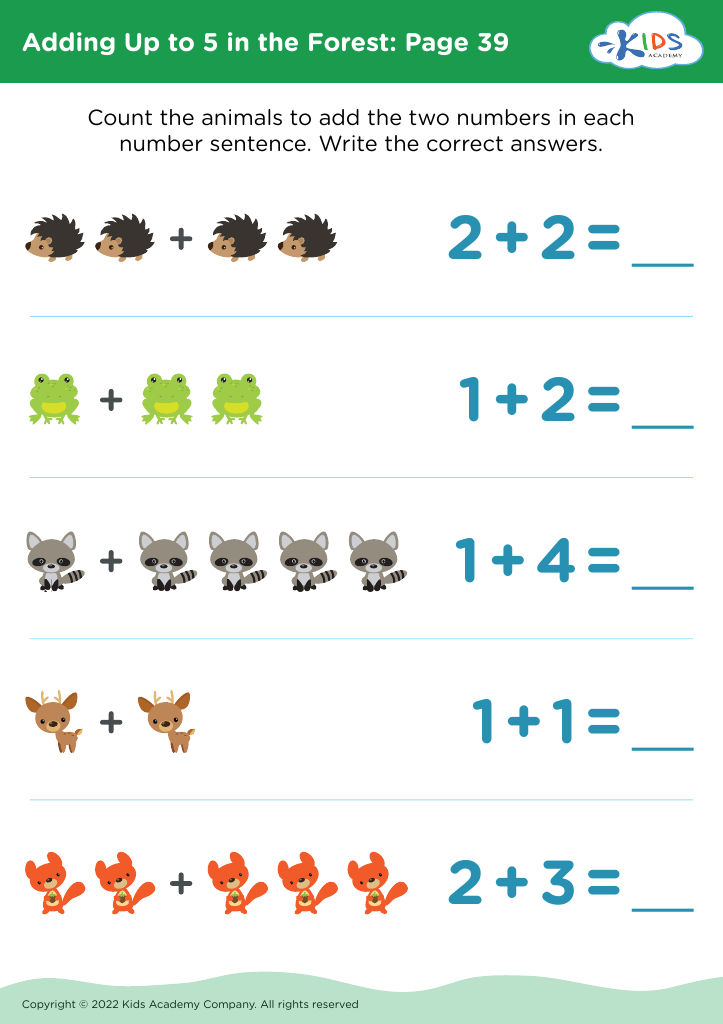
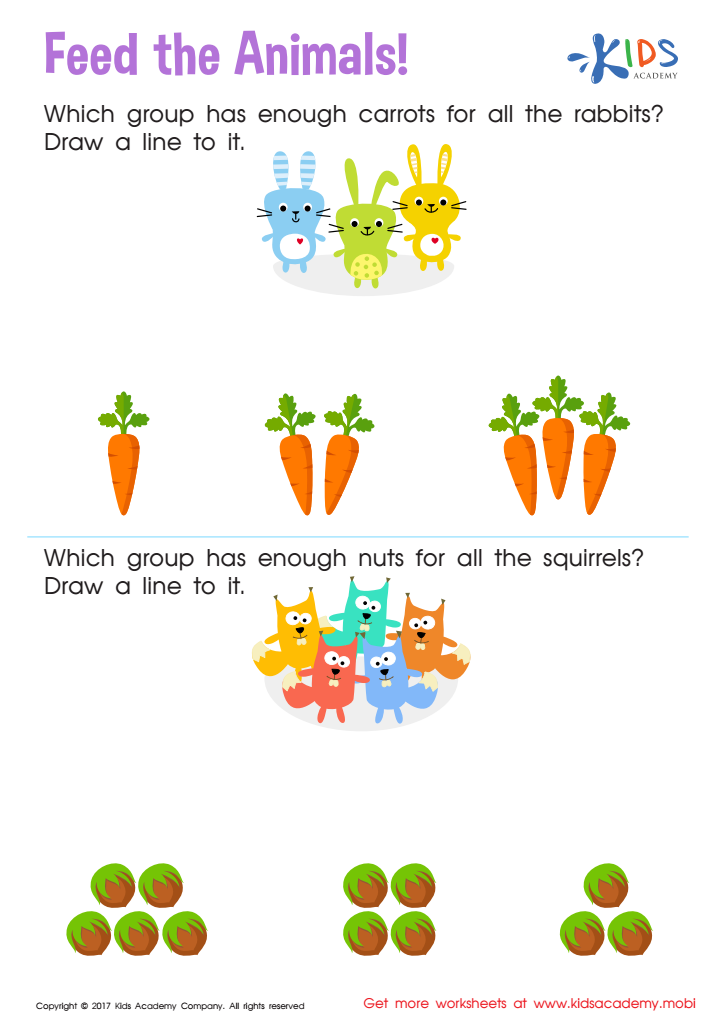
Count and Match: Feed the Animals Worksheet
 Assign to My Students





.jpg)
.jpg)

Understanding instructions is vital for children ages 3-6 as it lays the foundation for their cognitive and social development. At this stage, children are learning to navigate their environment, and they heavily rely on verbal and non-verbal cues for guidance. When parents and teachers ensure that children fully comprehend instructions, they empower them to engage in activities, participate in group settings, and foster independence.
Effective communication skills developed through understanding instructions help children build confidence. When they grasp what is expected, they are more likely to take on challenges, explore new concepts, and develop problem-solving skills. Furthermore, meaningful interactions with adults provide opportunities to enhance vocabulary and language skills, crucial for future academic success.
Parents and teachers also play a significant role in modeling effective listening and response techniques. By showing patience and using clear, age-appropriate language, caregivers can create an encouraging learning environment. This practice teaches children not only to follow instructions but to express their thoughts and needs clearly, aiding in socialization and cooperation with peers.
In summary, caring about children's understanding of instructions is key to nurturing well-rounded, capable learners ready to thrive in school and life.








