Understanding multiplication Worksheets for Ages 3-6
7 filtered results
-
From - To
Discover engaging Understanding Multiplication Worksheets tailored for children ages 3-6, designed to make learning multiplication fun and interactive! These worksheets introduce early math concepts through colorful illustrations and age-appropriate activities that spark curiosity. Young learners will explore the basics of multiplication using visuals, counting, and hands-on exercises. Each worksheet fosters essential skills while accommodating varied learning styles, ensuring each child gains confidence in their math abilities. Perfect for homeschool settings or classroom use, our multiplication worksheets provide a solid foundation for future math success. Explore our collection today to ignite your child’s love for learning and mathematics!
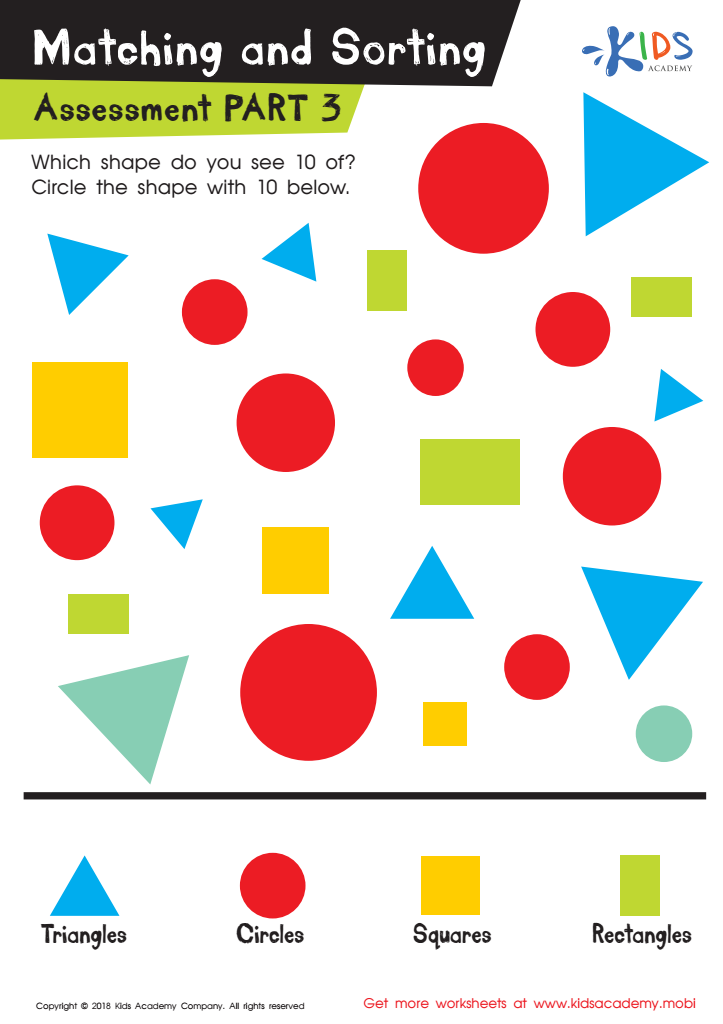
Matching and Sorting for Kindergarten: Assessment 3 Worksheet
 Assign to My Students
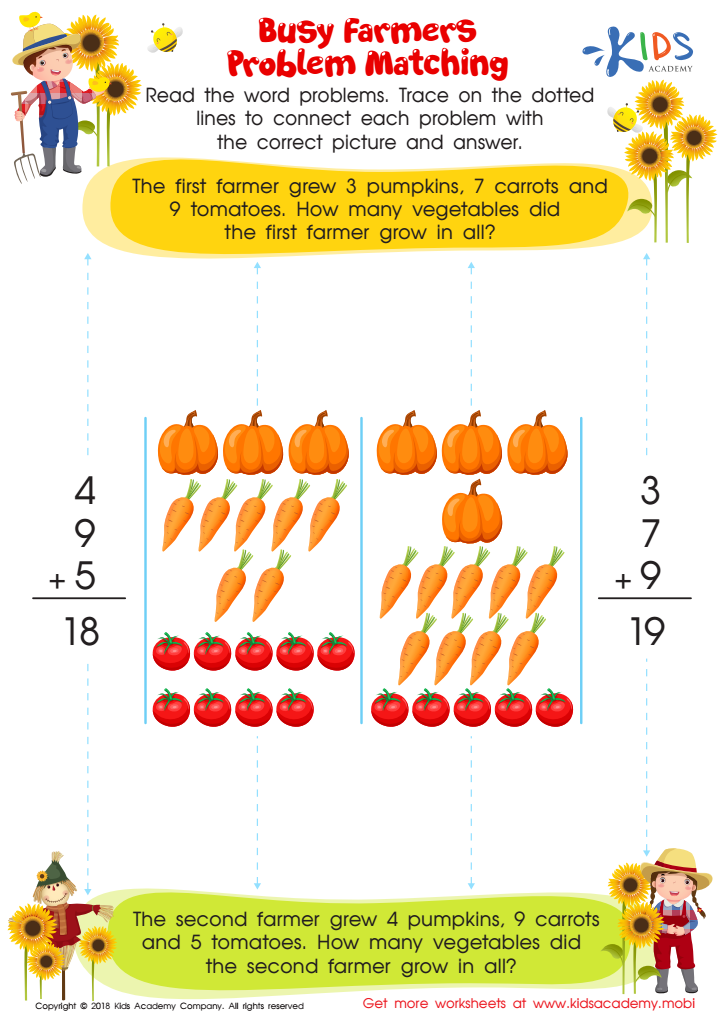
Busy Farmers: Problem Matching Worksheet
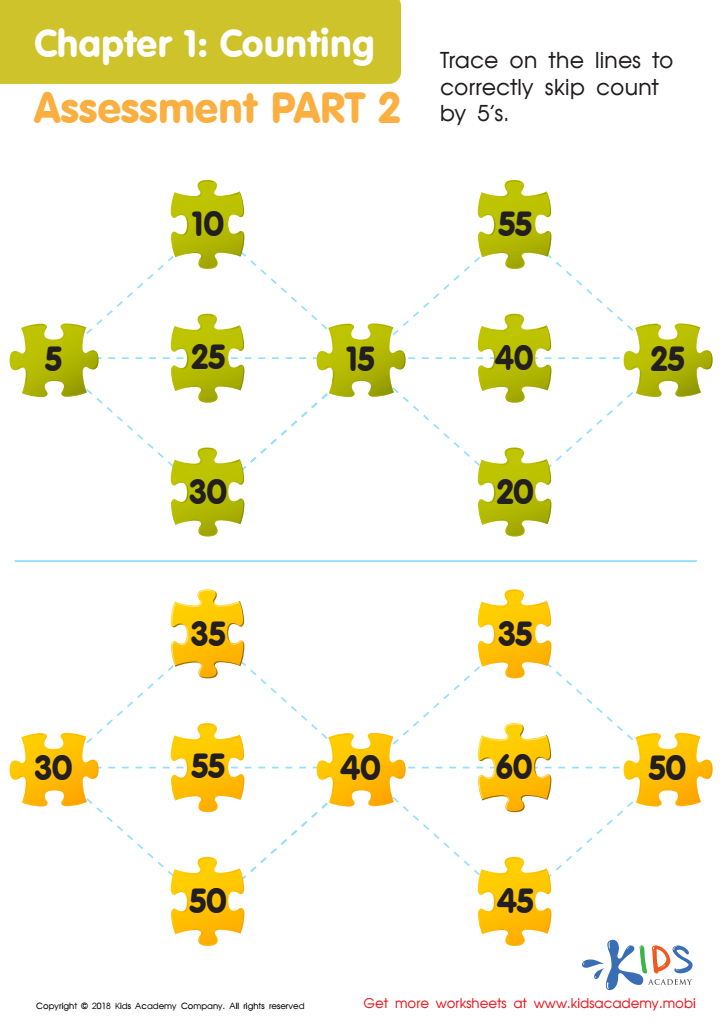
Counting: Assessment 2 Worksheet
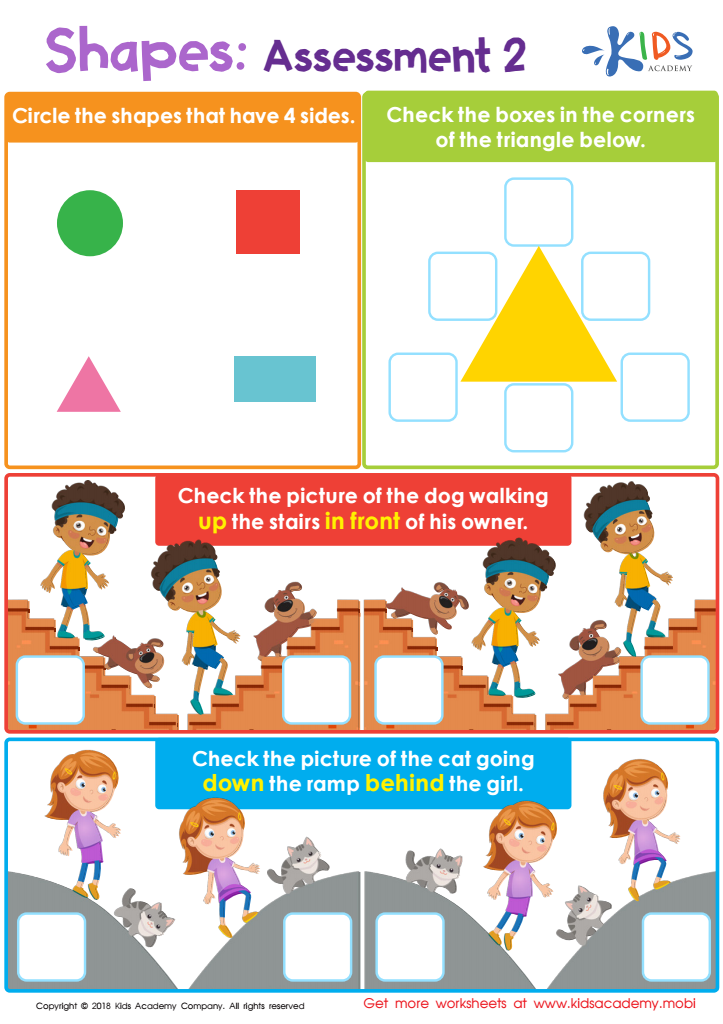
Shapes: Assessment 2 Worksheet
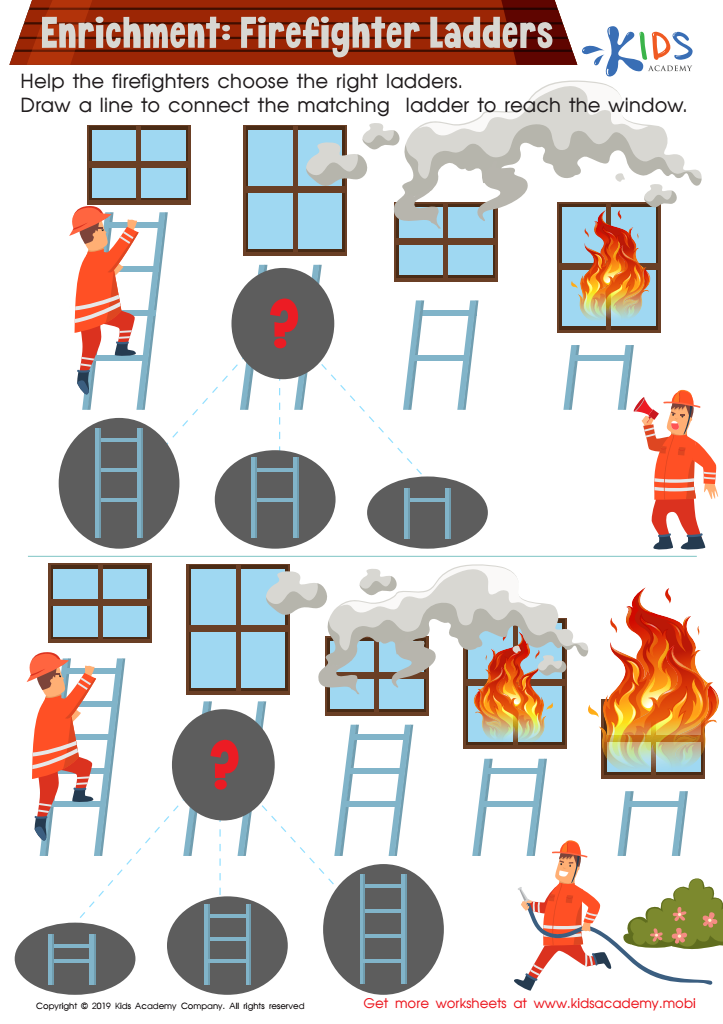
Enrichment: Firefighter Ladders Worksheet
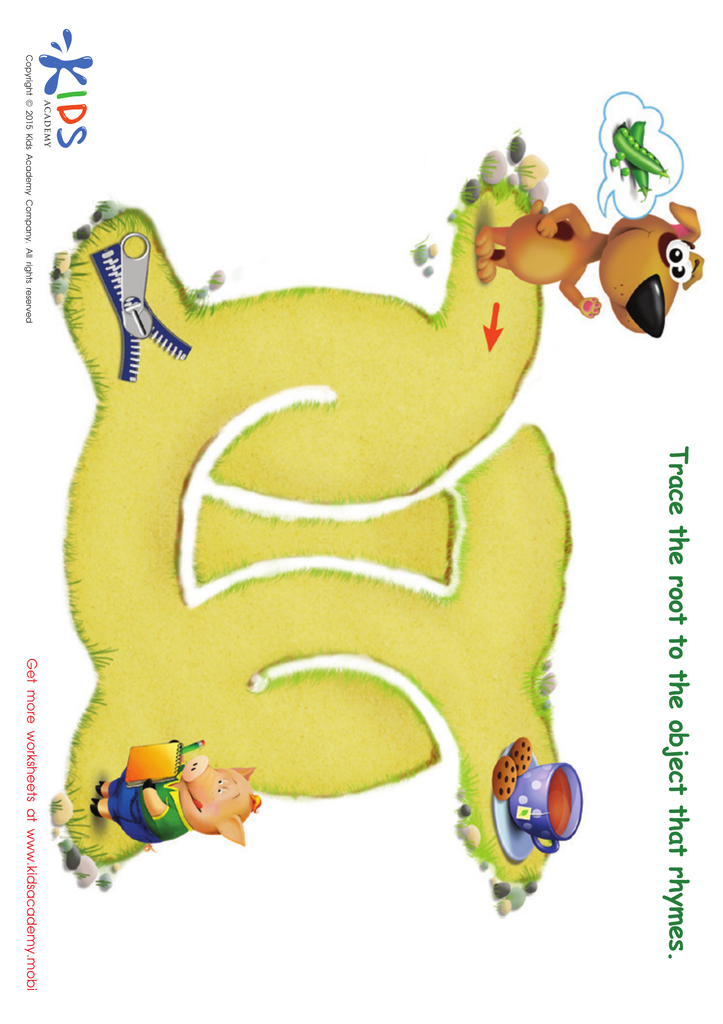
Pea Rhyming Words Worksheet
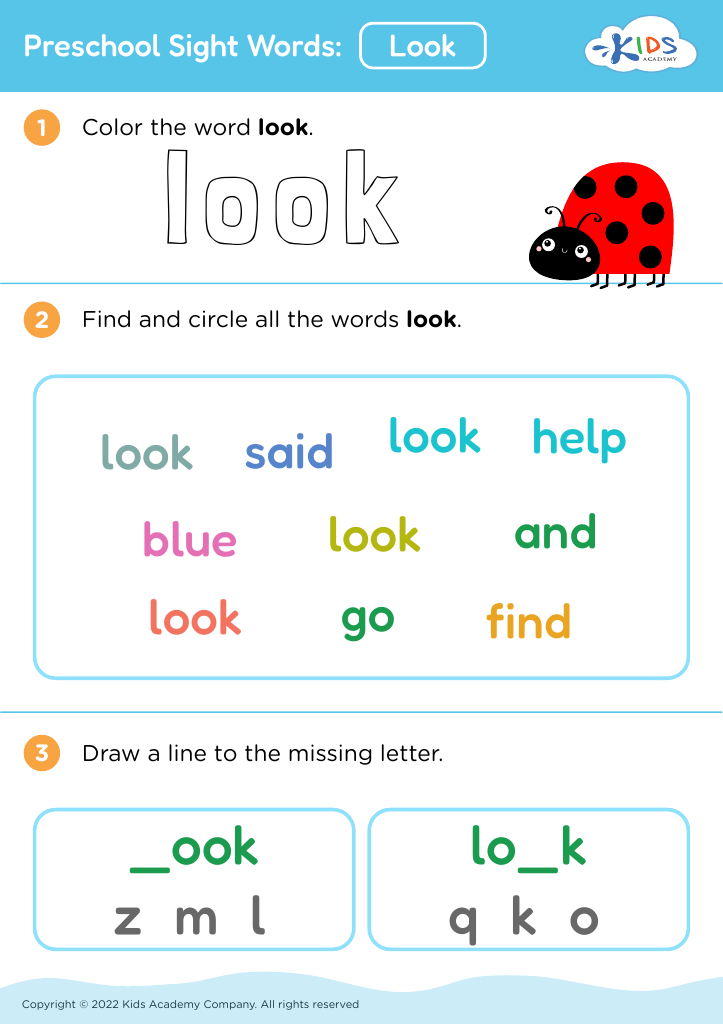


.jpg)
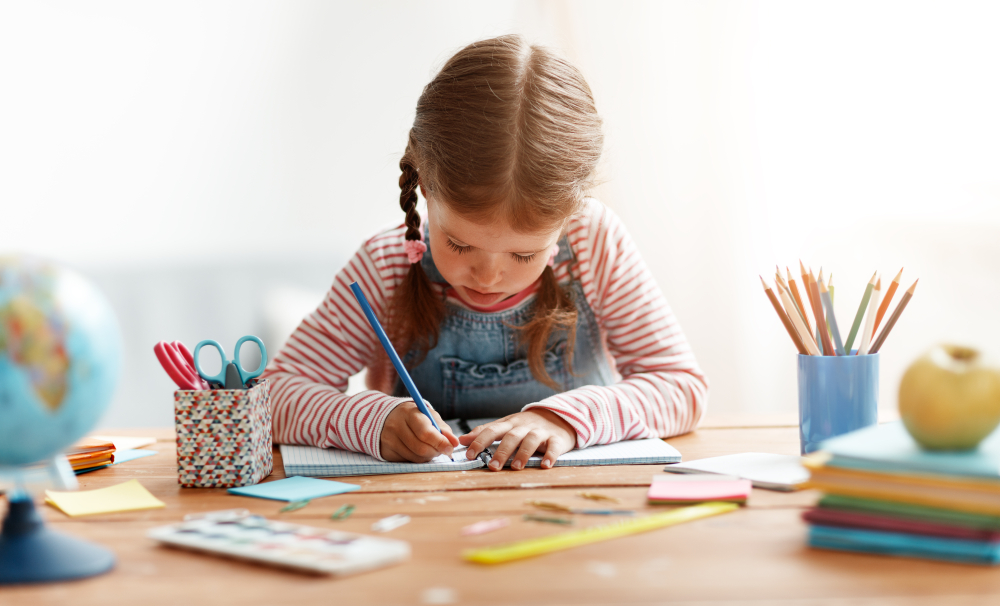
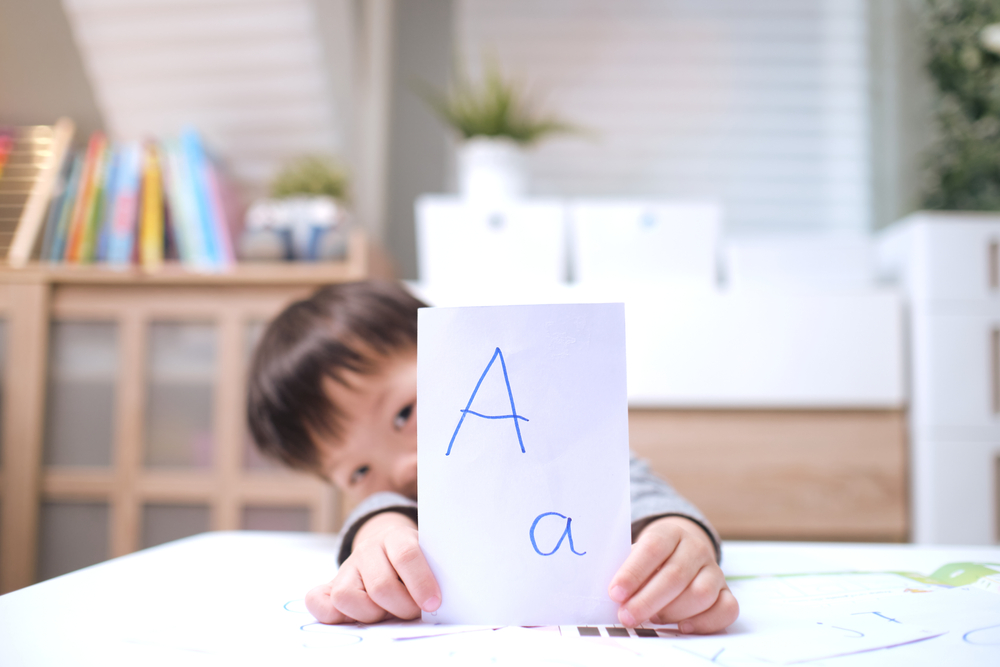
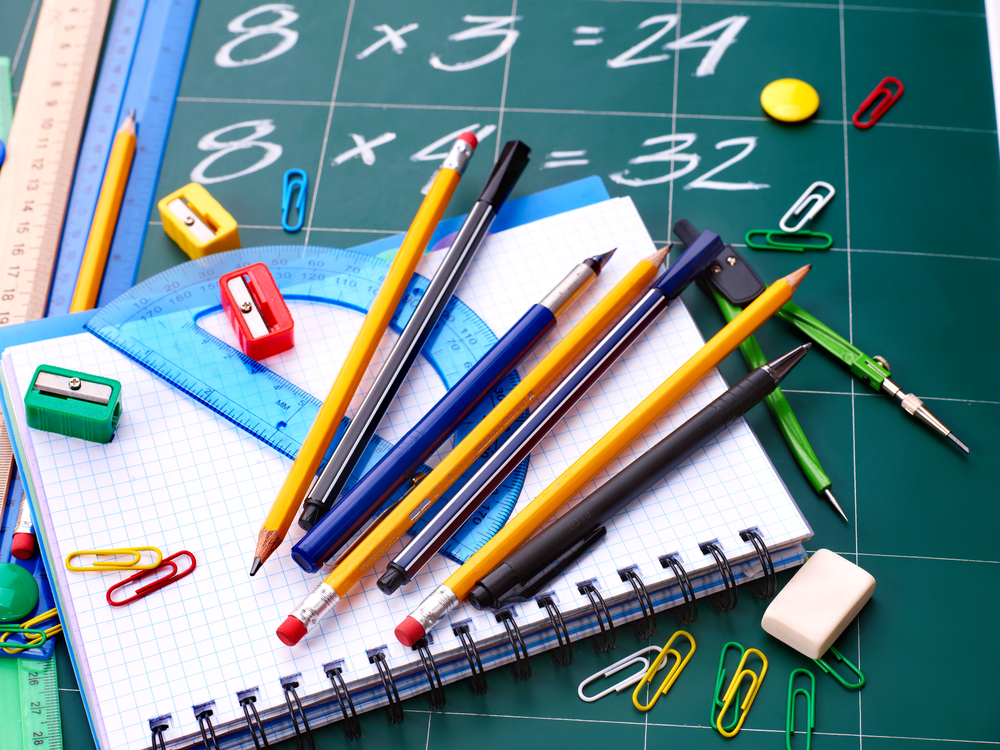
Understanding multiplication at an early age, even as young as 3 to 6, lays a critical foundation for mathematical skills that children will build upon throughout their education. During these formative years, children are naturally curious and eager to learn, making it an ideal time to introduce mathematical concepts, including multiplication, in engaging and age-appropriate ways.
Firstly, introducing multiplication helps young learners develop number sense and an understanding of basic arithmetic. Activities that promote counting, grouping, and recognizing patterns nurture these skills, making concepts like multiplication more intuitive for children. This early exposure ensures that they will feel more confident when encountering mathematics later on in school.
Secondly, multiplication is not just about numbers; it is a key concept relevant to daily life, from understanding sharing and dividing to comprehending quantities and measurements. Teaching children about multiplication through real-life contexts promotes critical thinking and problem-solving abilities.
Finally, parents and teachers who emphasize these early math skills are preparing children for future academic success, as a strong foundation in mathematics correlates with improved performance in later grades. Engaging children in fun math activities reduces anxiety associated with the subject and reinforces a positive attitude toward learning throughout their educational journey.








