
Understanding number values Worksheets for Ages 3-6
4 filtered results
Difficulty Level
Grade
Age
-
From - To
Subject
Activity
Standards
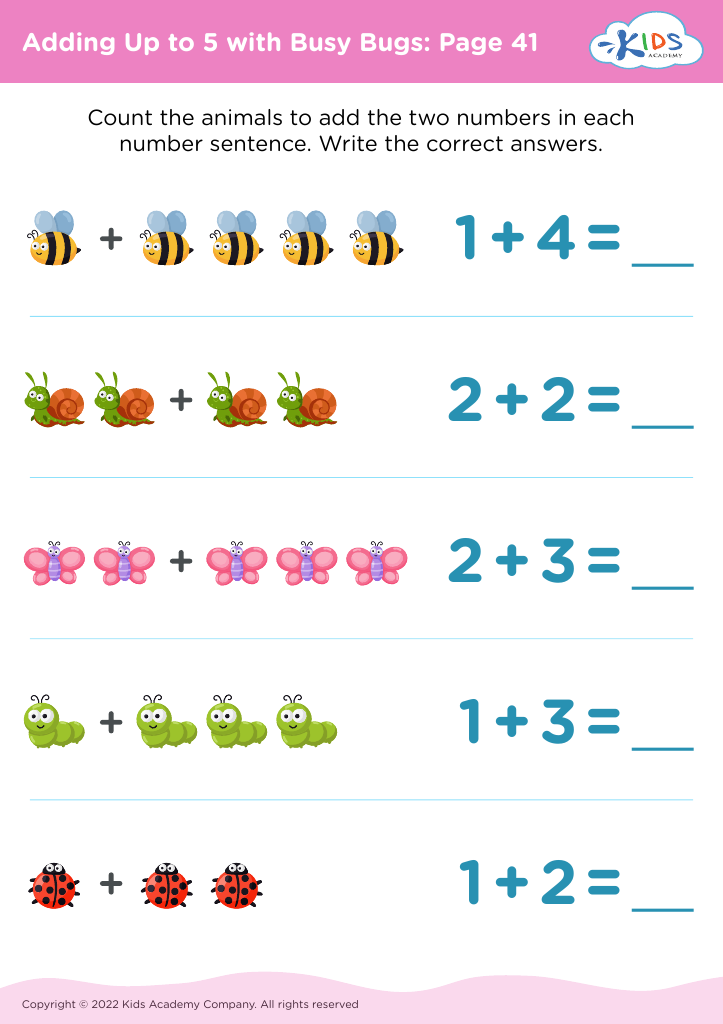
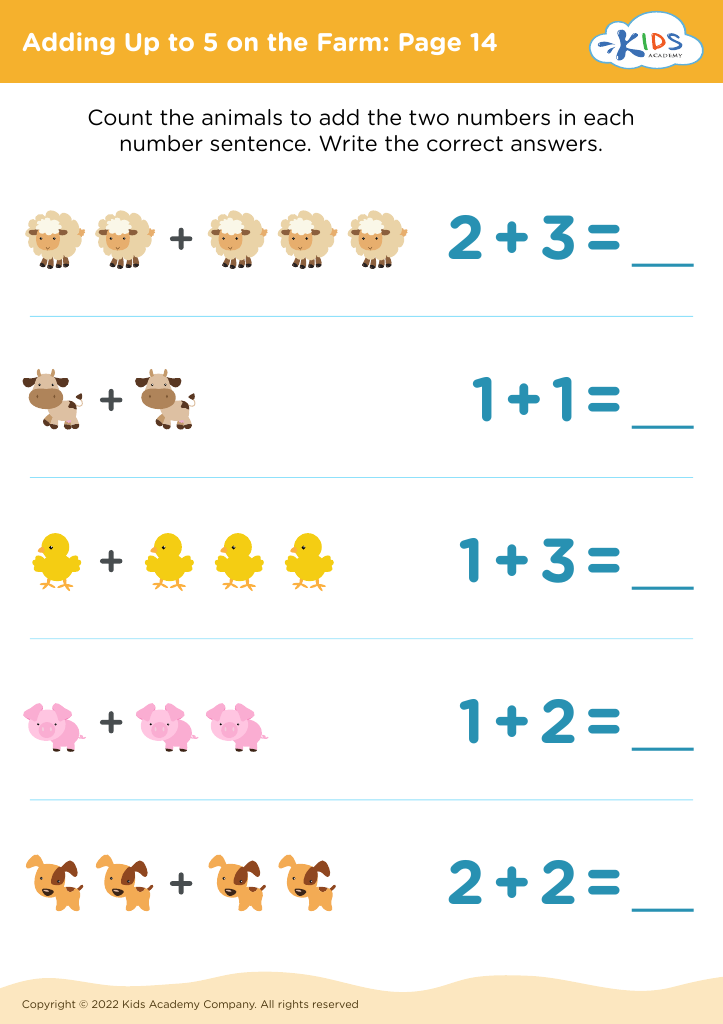
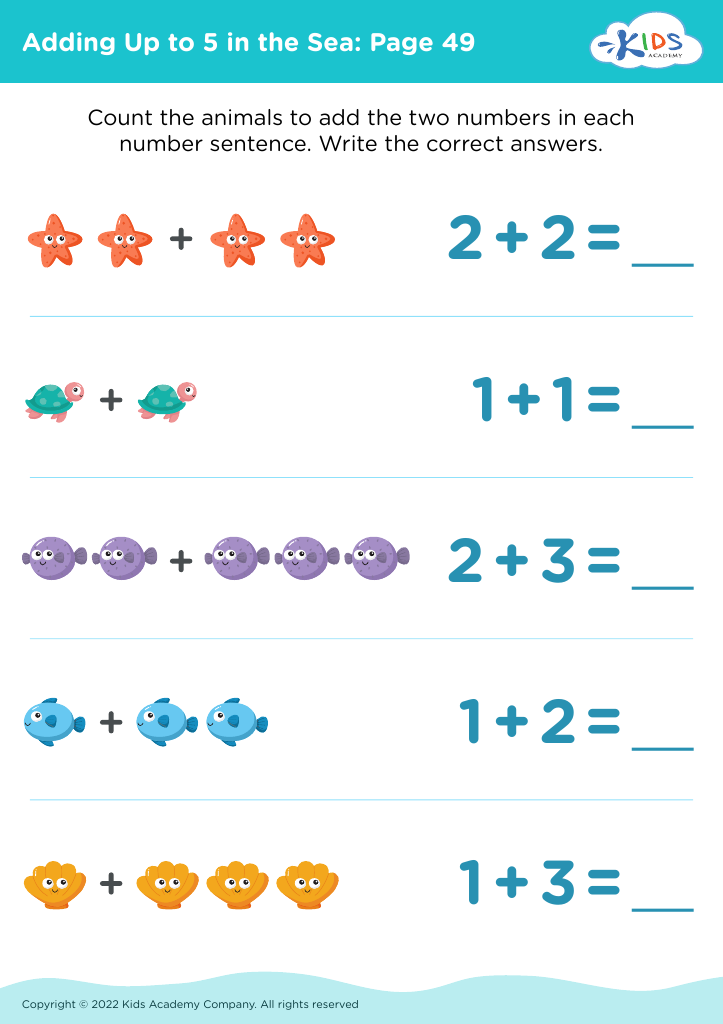
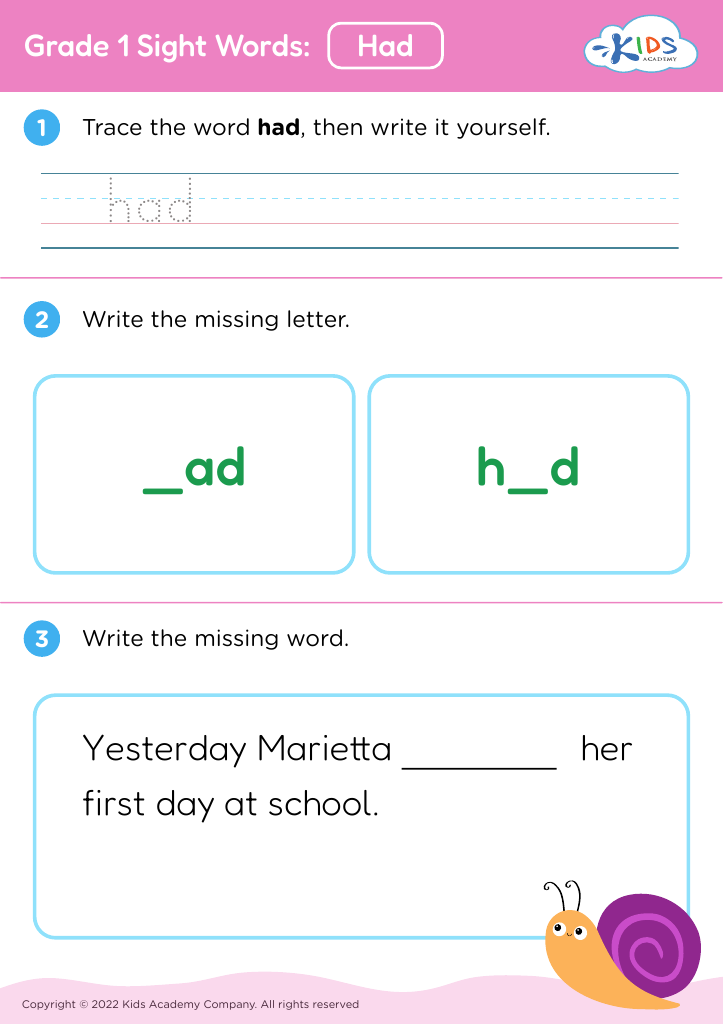
Discover our "Understanding Number Values" worksheets designed for ages 3-6 at Kids Academy. These engaging printables help young learners grasp essential numerical concepts, fostering early math skills in a fun and interactive manner. Our expertly crafted activities guide children to recognize, count, and compare numbers, laying a solid foundation for future learning. Bright illustrations and easy-to-follow exercises captivate kids, ensuring they enjoy their educational journey. Perfect for parents and teachers aiming to support little ones in developing strong number sense and confidence in math. Explore our collection today and watch your child's math skills flourish!
Favorites
With answer key
Interactive
Join Kids Academy for Free
Who is primarily going to use this learning content?








Understanding number values in early childhood (ages 3-6) forms a critical foundation for later math skills and overall cognitive development. At this age, children are developing their sense of quantity and how numbers represent these quantities—a concept known as number sense. For parents and teachers, fostering a grasp of number values is essential because it supports not just arithmetic learning but also problem-solving and logical reasoning.
When children learn to recognize number values, they begin to compare quantities, understand concepts of more and less, and engage in basic addition and subtraction. This early mathematical grounding is beneficial as it makes them more confident and proficient when they encounter more complex math concepts in later school years. Additionally, proficiency in early math is often correlated with better academic achievements across a variety of subjects.
Practical activities, such as counting objects, sorting items, and playing number-related games, enrich this learning process, making math fun and approachable. Parents and teachers who prioritize understanding of number values are essentially laying the groundwork for successful, positive academic experiences. Moreover, they are helping children develop essential life skills, including critical thinking, that are important for everyday problem-solving and decision-making.








