Understanding numerical values Worksheets for Ages 3-6
4 filtered results
-
From - To
Discover our engaging "Understanding Numerical Values Worksheets" designed for children ages 3-6. These interactive worksheets guide young learners through the foundational concepts of numbers and counting in a fun and accessible way. Fostering essential math skills, each activity encourages children to explore numerical values through colorful visuals, age-appropriate challenges, and hands-on tasks. From counting objects to recognizing number sequences, these worksheets promote cognitive development, enhance fine motor skills, and build confidence in early mathematics. Perfect for parents and educators, our resources make learning enjoyable and effective, setting the stage for a lifelong love of numbers. Check them out today!
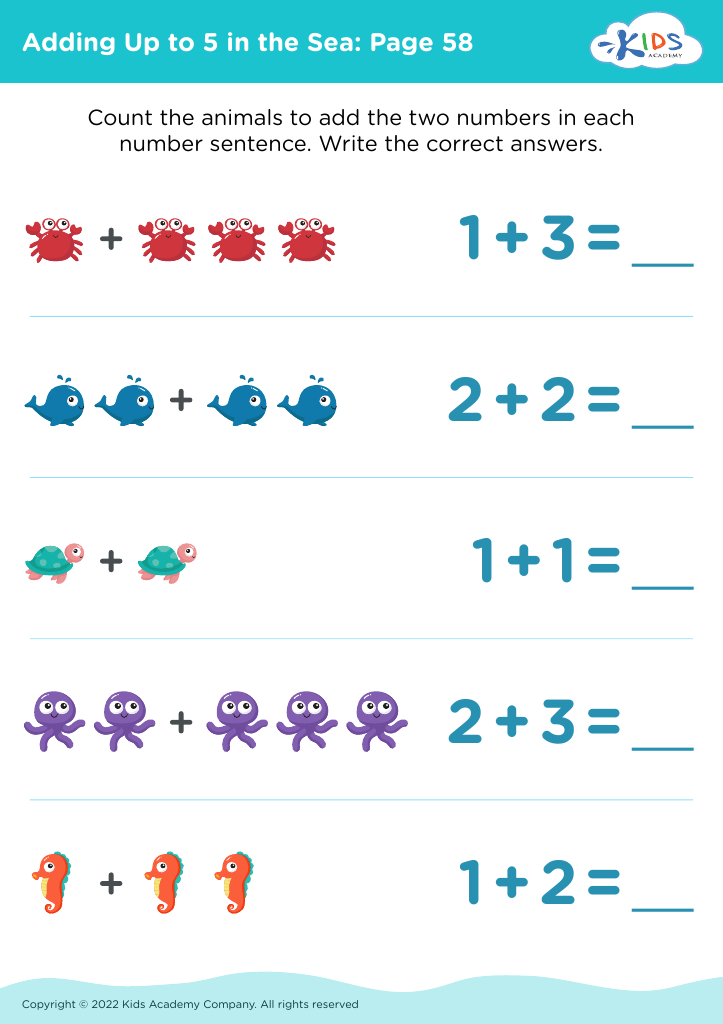
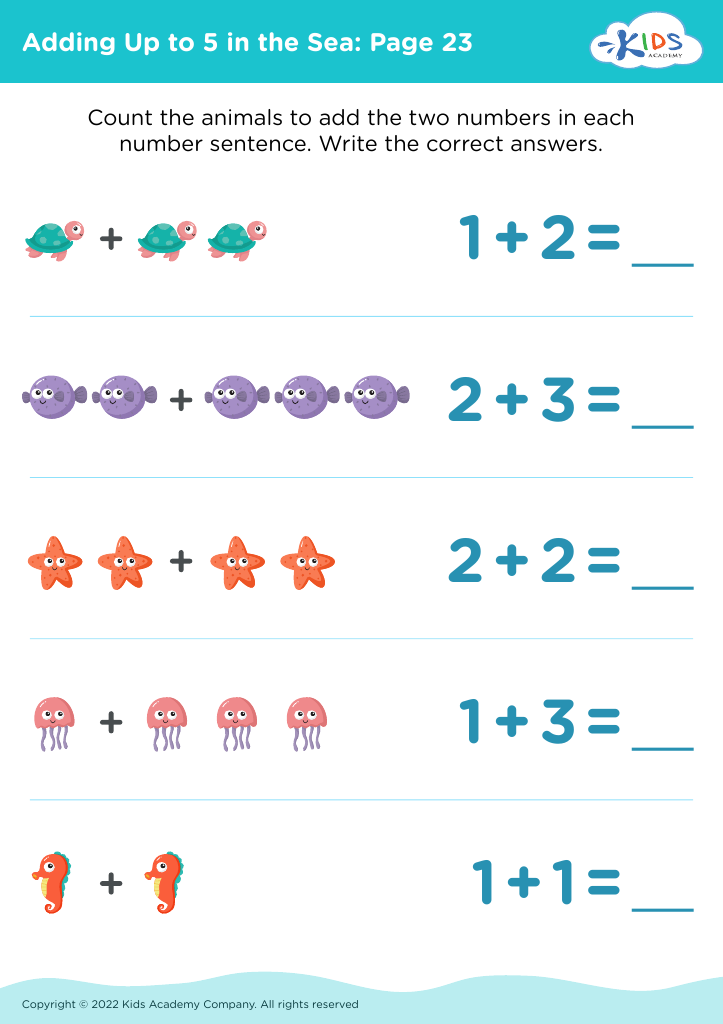
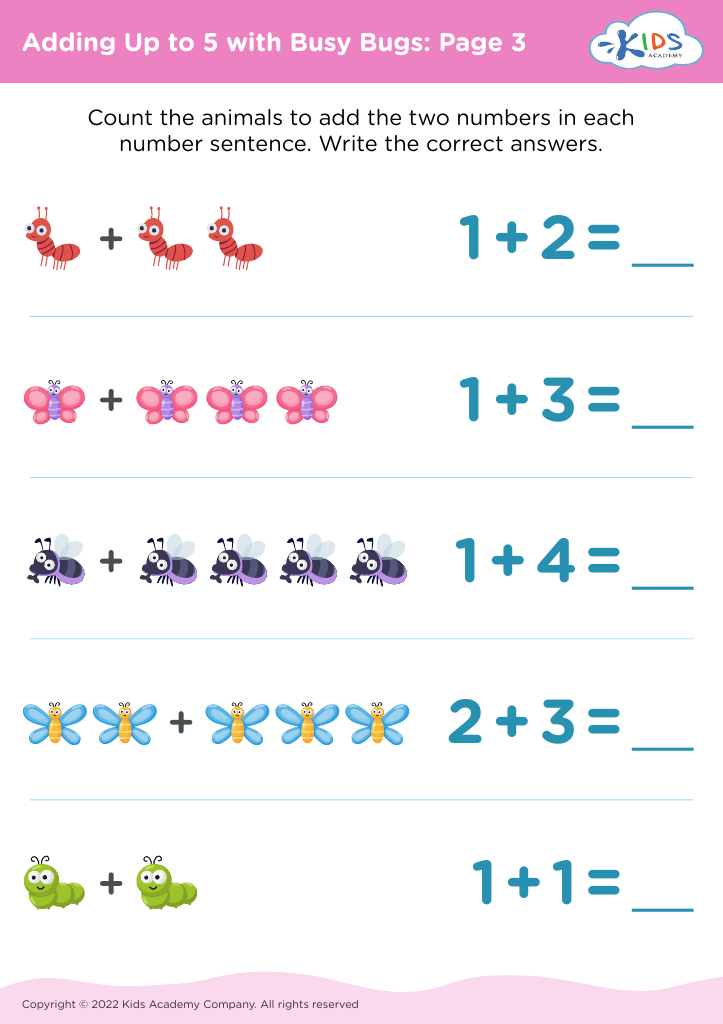
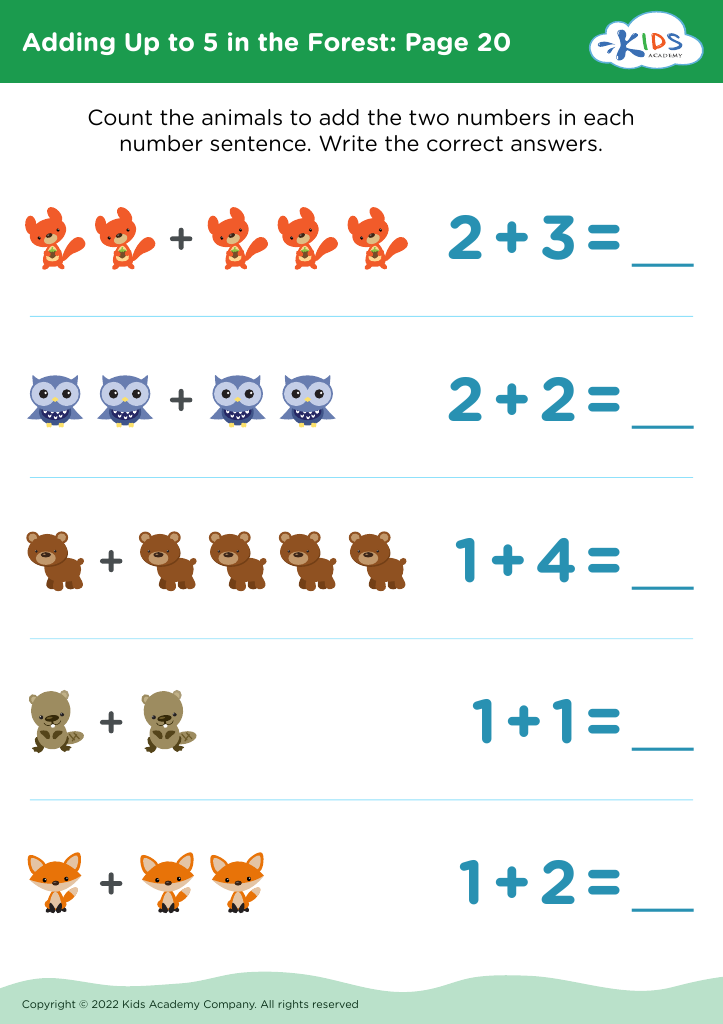







Understanding numerical values is crucial for children ages 3-6 as it lays the foundation for their mathematical education and cognitive development. At this stage, children begin to explore quantity, counting, and basic mathematical concepts, which are essential for problem-solving skills. Early numerical understanding helps develop logic and reasoning abilities, enabling children to make connections between numbers and the world around them.
By nurturing numerical comprehension, parents and teachers foster a positive attitude towards math, encouraging curiosity and confidence in their abilities. Engaging in activities that involve counting objects, comparing sizes, or recognizing patterns makes learning enjoyable and interactive. These experiences promote critical thinking skills, facilitate social interactions, and enhance communication as children discuss their reasoning and findings.
Moreover, early exposure to numerical values directly impacts future academic achievement. Studies show that a strong foundation in math during preschool years correlates with success in later grades. By prioritizing numerical understanding, parents and teachers help children build essential skills that will benefit them academically and in everyday life. This early investment in math literacy prepares young learners to face future challenges and thrive in an increasingly data-driven world.








