Visual learning stimulation Worksheets for Ages 3-6
3 filtered results
-
From - To
Discover a vibrant collection of Visual Learning Stimulation Worksheets designed for children ages 3-6! These engaging resources enhance visual recognition, critical thinking, and cognitive skills through interactive activities. Promote your child's early learning journey with colorful images, fun exercises, and age-appropriate themes that captivate young minds. Our worksheets encourage exploration and creativity while reinforcing essential concepts in a playful manner. Perfect for home schooling or enhancing classroom learning, these printable materials help spark curiosity and foster a love for learning. Empower your child’s development today with our visual learning stimulation worksheets that make education enjoyable and effective!
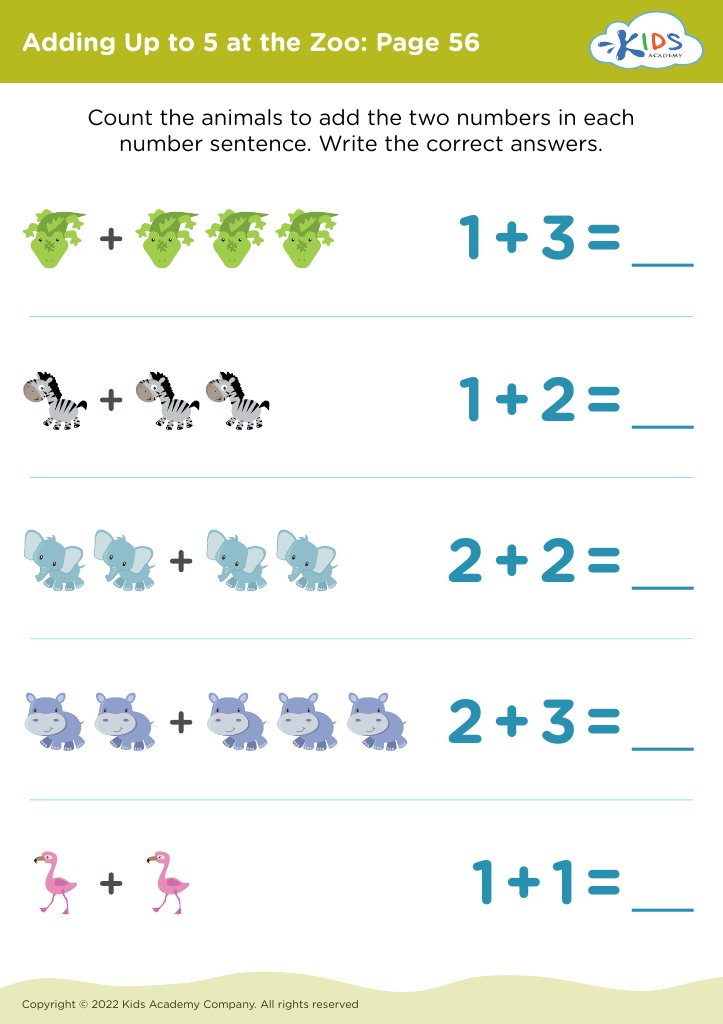
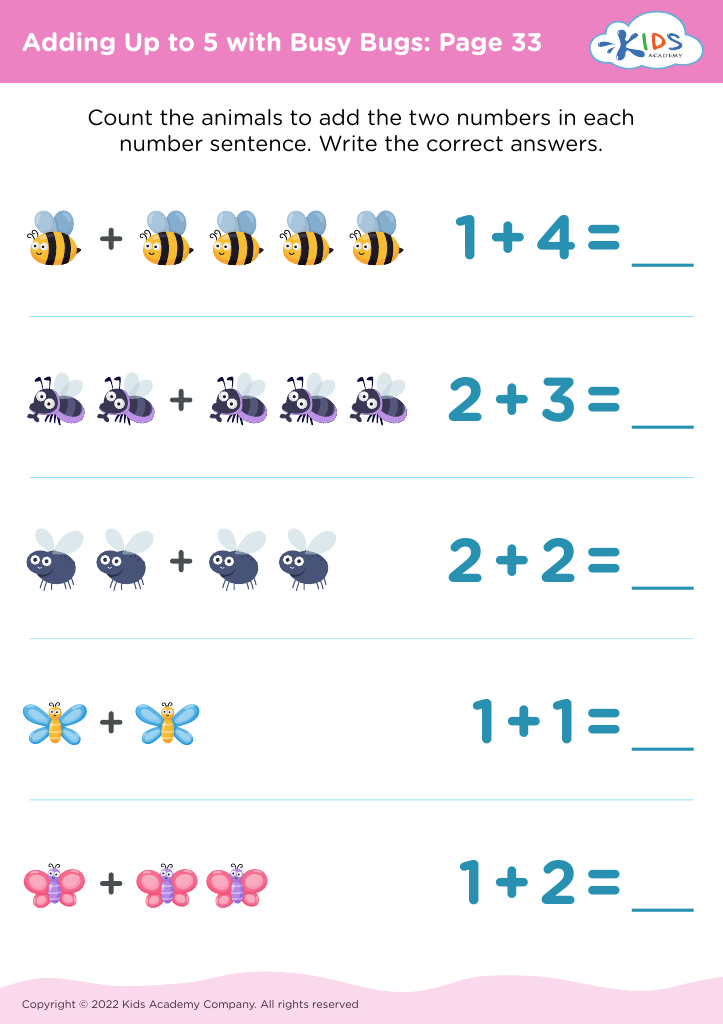
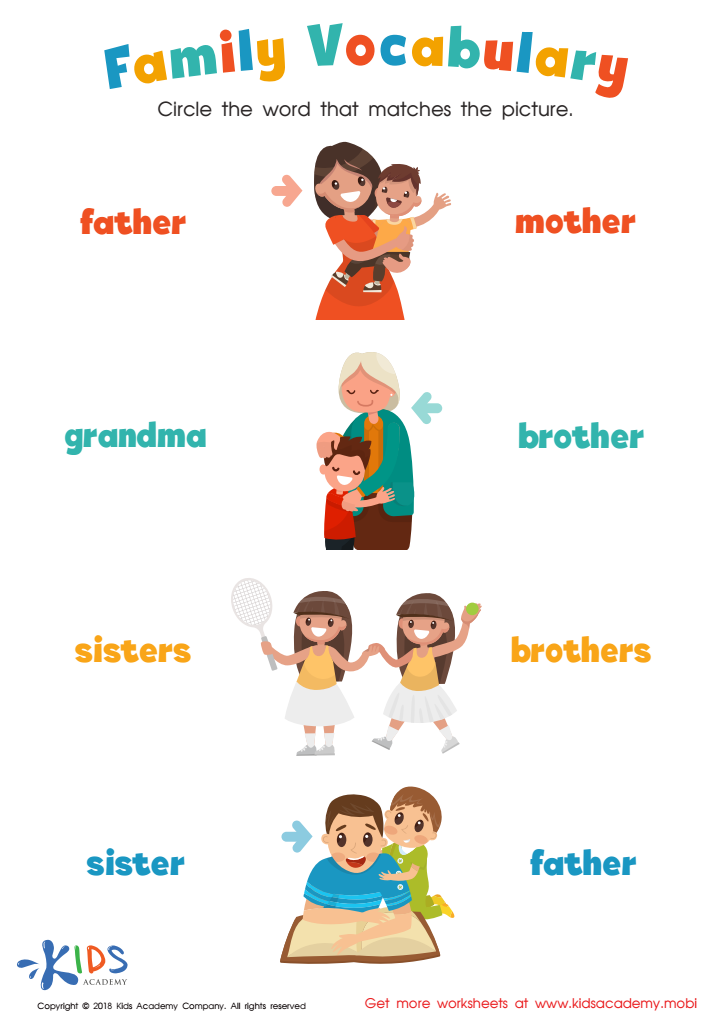
Family Vocabulary Worksheet
 Assign to My Students




.jpg)
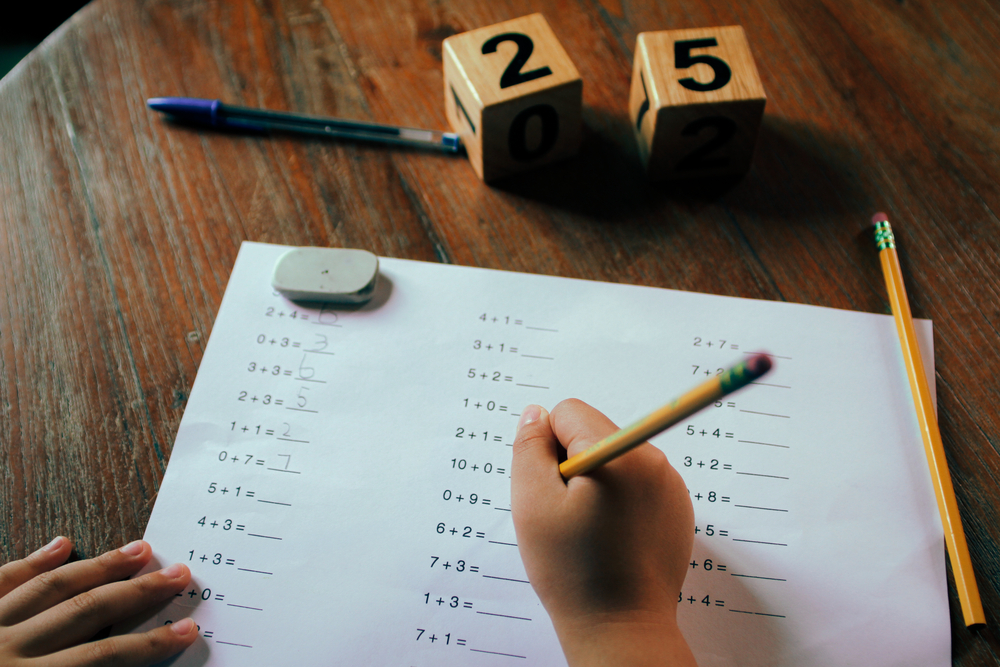


Parents and teachers should prioritize visual learning stimulation for children aged 3-6 because it significantly enhances cognitive development during this critical stage. Young children are inherently visual learners who absorb information through observation. Engaging visual stimuli—such as colorful images, diagrams, and interactive materials—can captivate their attention, making learning more enjoyable and effective.
Visual learning aids help children recognize patterns, improve memory retention, and develop early literacy skills as they connect images with words. Additionally, visual stimulation supports the development of fine motor skills through activities that involve drawing, coloring, and constructing, thus promoting hand-eye coordination.
Furthermore, incorporating visual elements into learning can cater to diverse learning styles, ensuring that all children, including those with learning challenges, can grasp concepts more easily. It also invites creativity and imagination, crucial components in developing problem-solving skills. When parents and teachers collaborate to provide rich visual experiences—like educational games, picture books, and art projects—they nurture independent thinkers and confident learners, setting a strong foundation for future academic success. In essence, investing in visual learning stimulation during these formative years cultivates a lifelong love for learning.








