Visual-motor skills Worksheets for Ages 3-6
5 filtered results
-
From - To
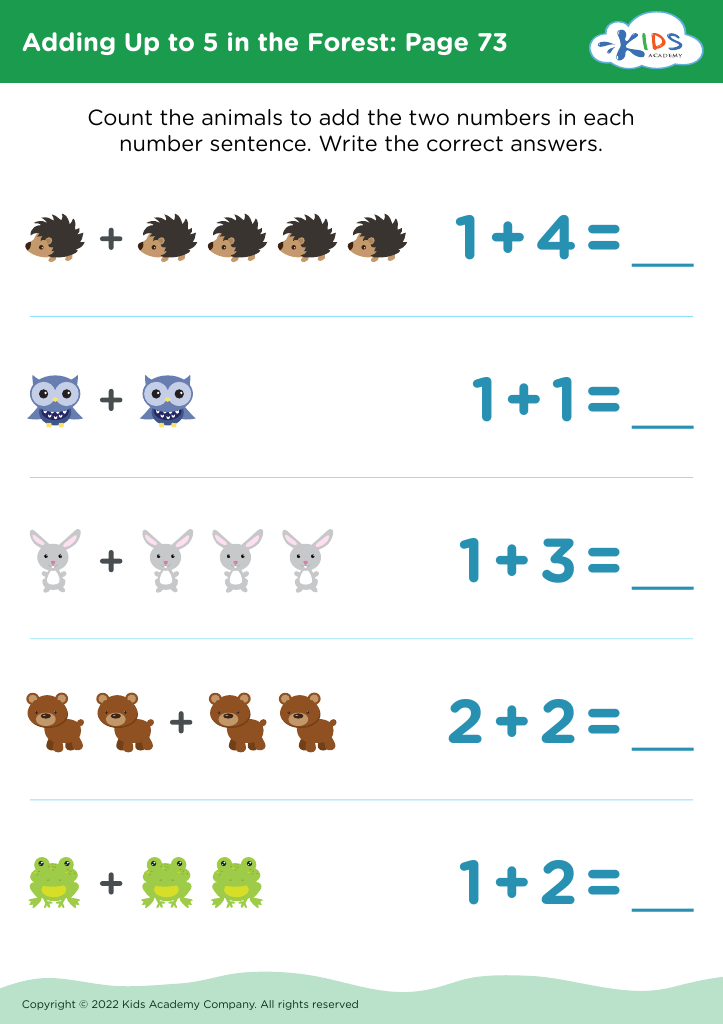
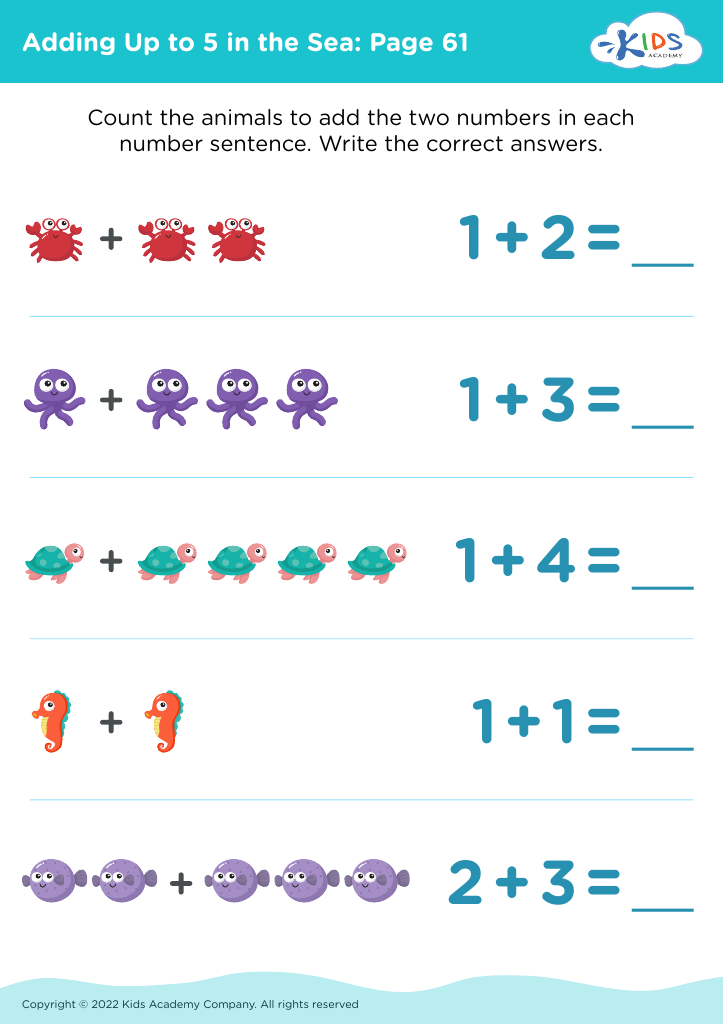
Enhance your child's visual-motor skills with our engaging worksheets designed specifically for ages 3-6! These printable resources promote essential coordination between visual input and motor actions, crucial for early learning and development. Featuring fun activities to trace, connect dots, color, and create, our worksheets motivate young learners while building hand-eye coordination, fine motor skills, and concentration. Each activity is crafted to cater to the developmental needs of preschoolers, ensuring they learn through play. Download and print our visual-motor skills worksheets today to support your child's early education journey and foster a strong foundation for future learning success!
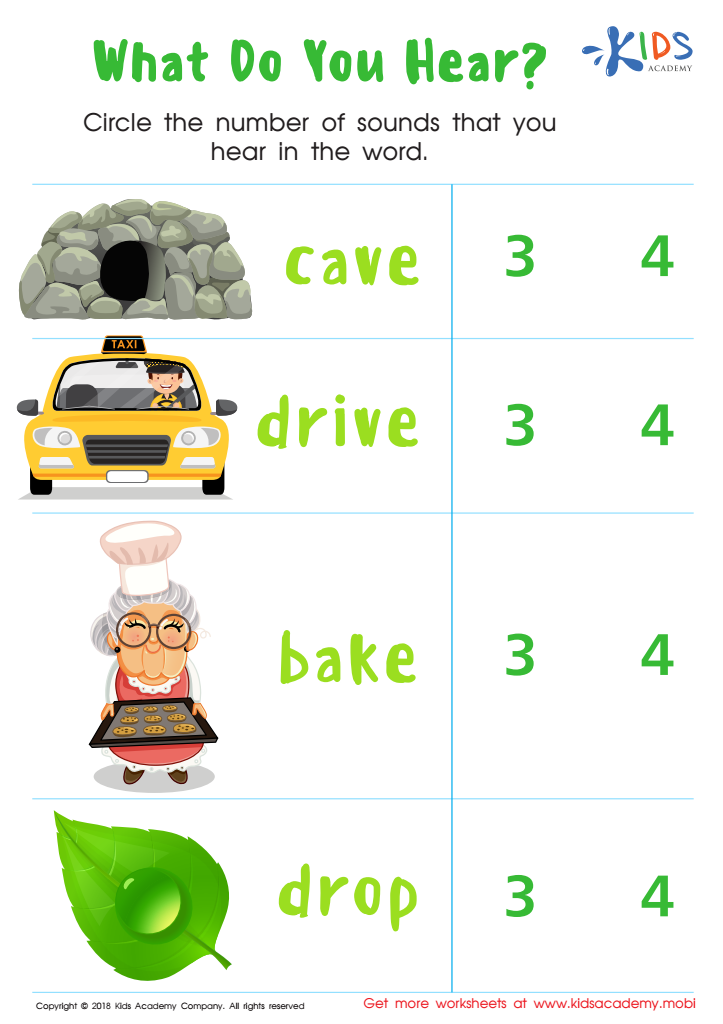
What Do You Hear? Worksheet
 Assign to My Students
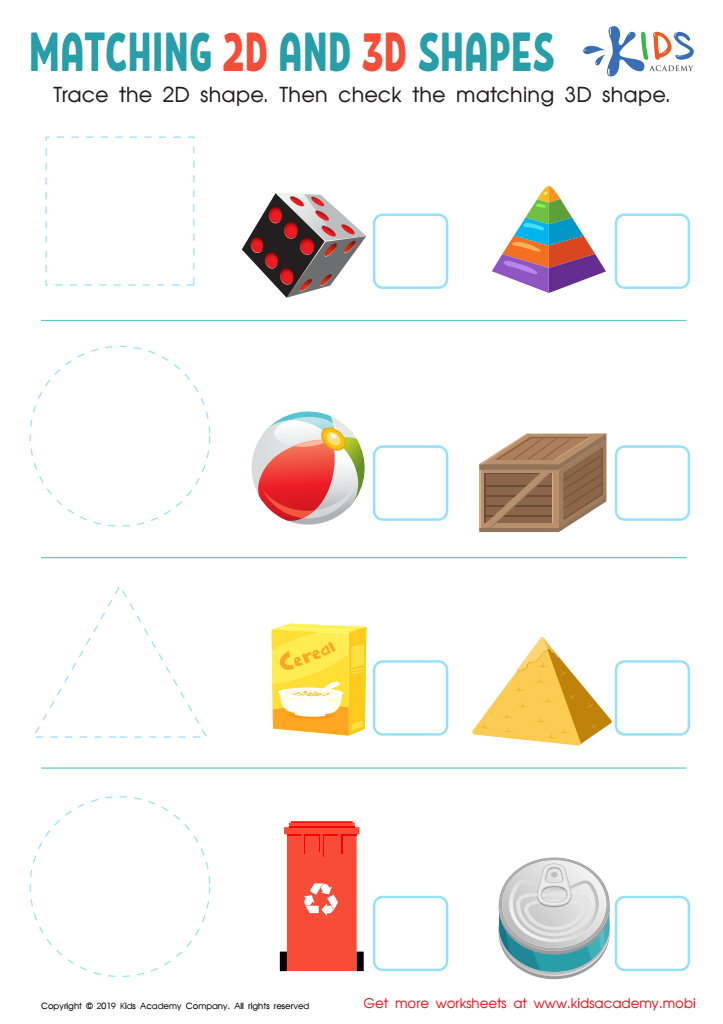
Matching 2D and 3D Shapes Worksheet
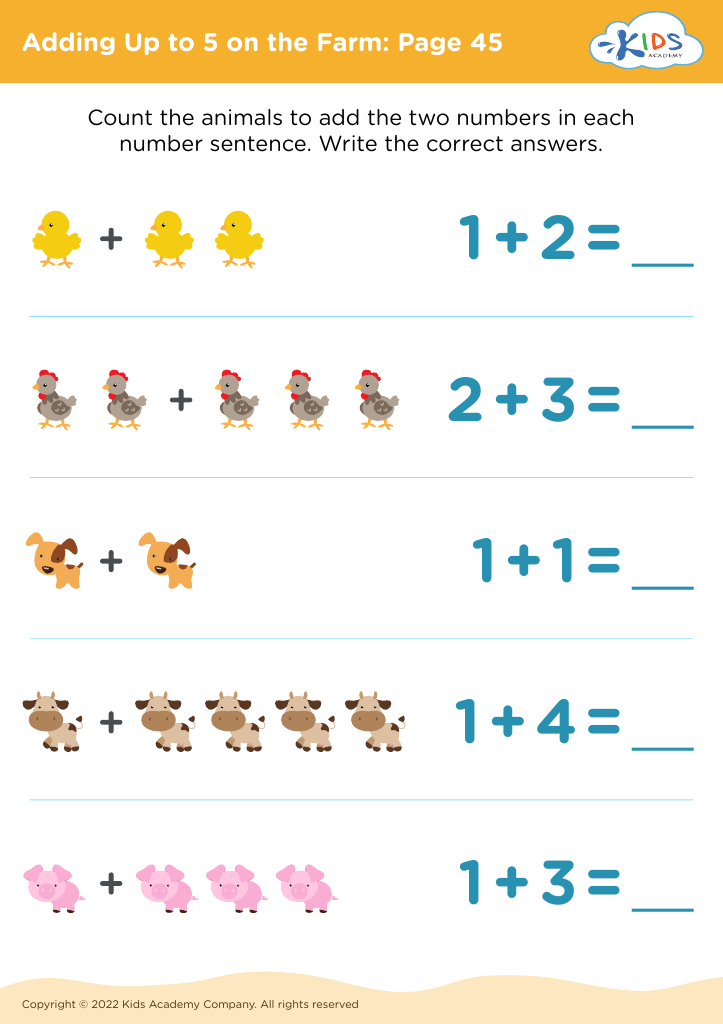








Visual-motor skills are crucial for young children aged 3-6 as they form the foundation for many aspects of learning and daily living. These skills involve the coordination of visual input with motor actions, enabling children to effectively control their movements based on what they see. For instance, developing these skills is essential for tasks such as writing, drawing, self-feeding, and engaging in various preschool activities.
Parents and teachers should care about fostering visual-motor skills because they directly impact academic readiness and overall development. Strong visual-motor coordination helps children perform better in school by facilitating learning in activities like reading and math, where visual and physical interaction with the environment is necessary.
Moreover, visual-motor skills contribute to building fine motor abilities. Children who excel in these skills are often more confident and independent in completing tasks, enhancing their self-esteem and social interactions. Engaging in activities that promote visual-motor skills, such as puzzles, block play, or art, can greatly enrich a child's exploratory learning and problem-solving capabilities. By prioritizing visual-motor development, parents and educators can equip children with the essential skills they need to thrive in their early years and beyond.








