




%20(1).jpg)


Fine motor skills are critical for young children, especially those aged 3-6, as they lay the foundation for numerous essential life tasks and academic success. These skills involve the coordination of small muscles in the hands and fingers, enabling children to perform everyday actions with greater independence and efficiency.
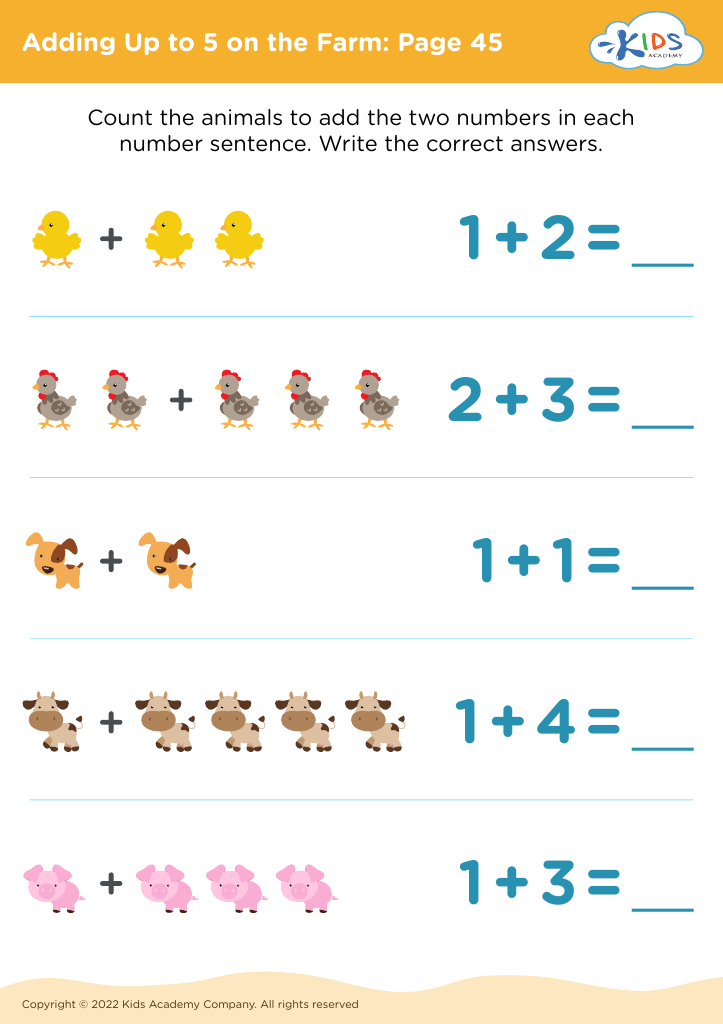
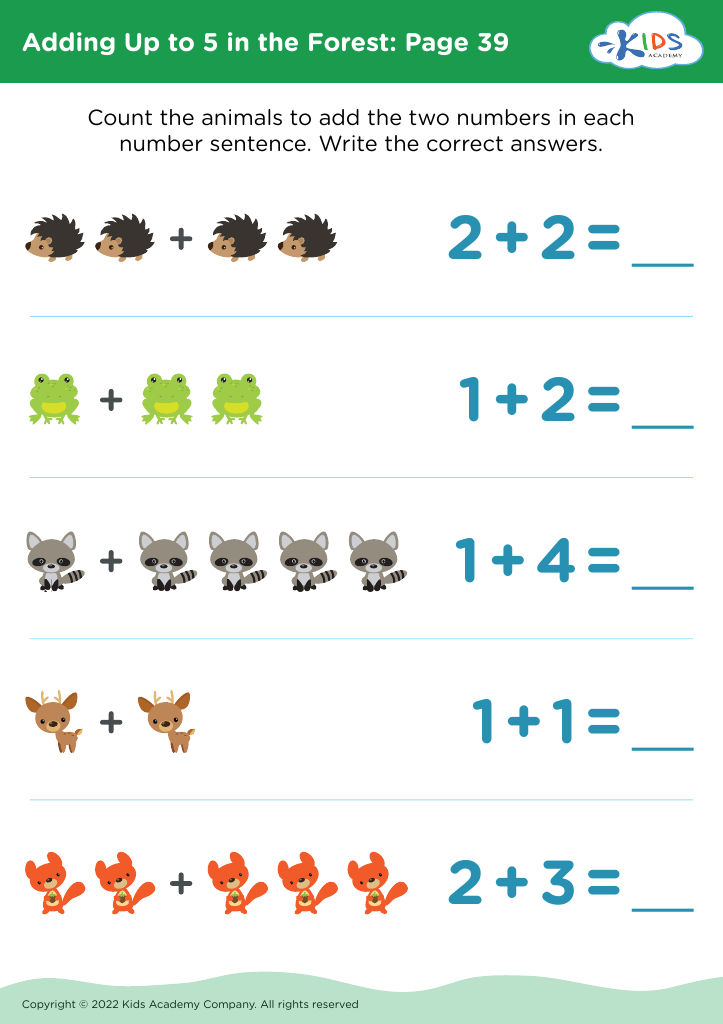
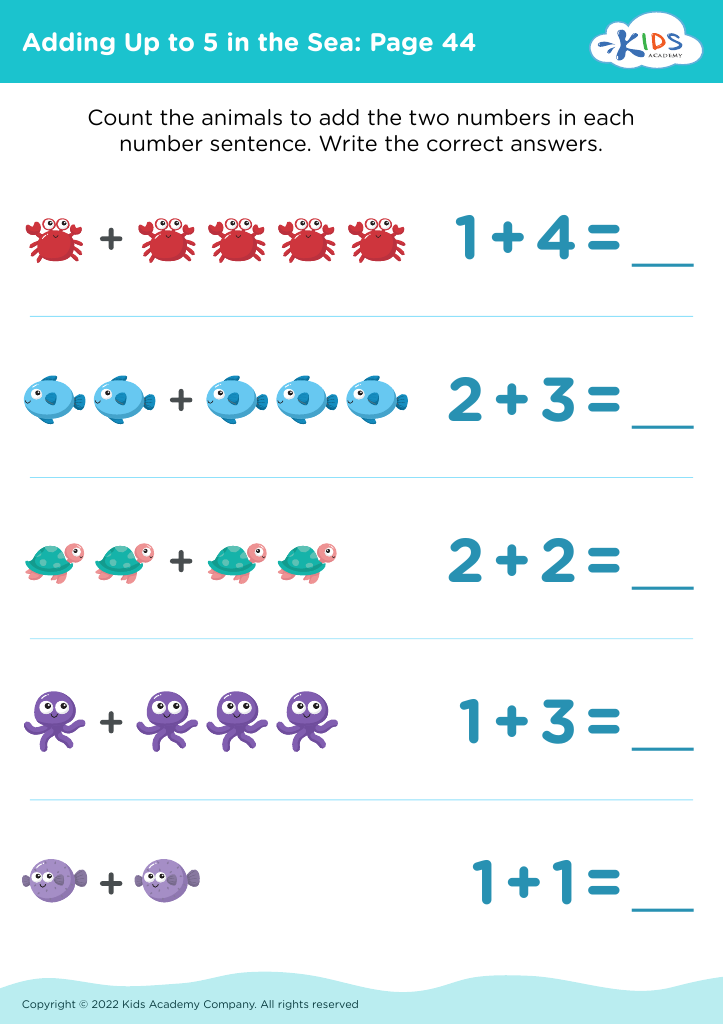
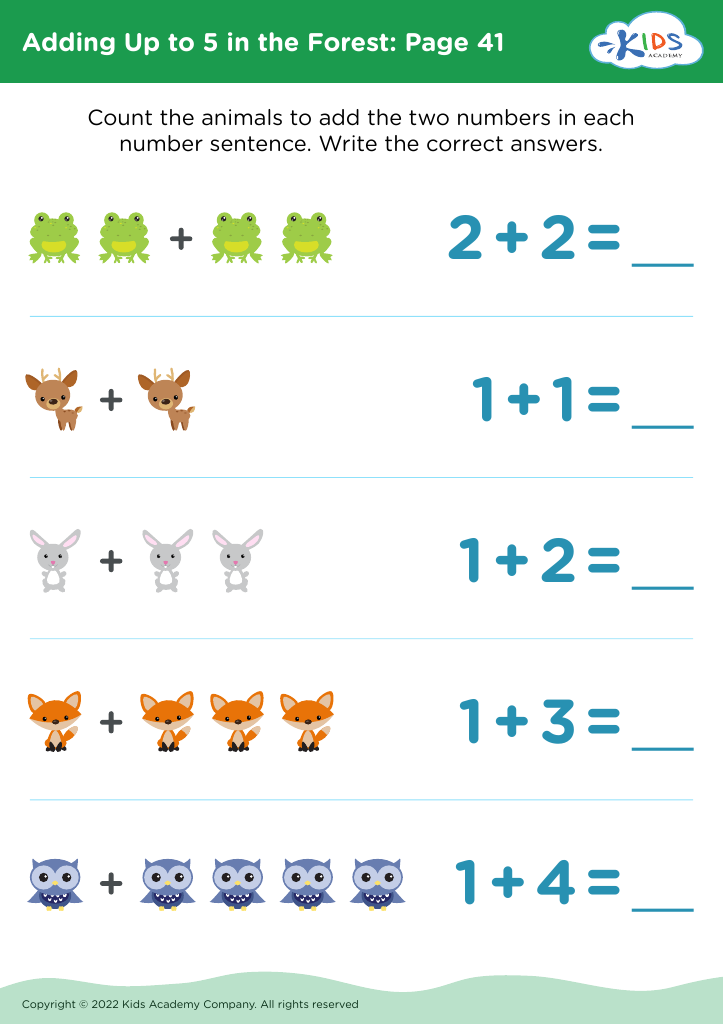
Focusing on fine motor skills that involve adding up to 5 is particularly beneficial for several reasons. Firstly, engaging in activities like counting snacks or placing small objects helps children develop hand-eye coordination, dexterity, and precision. Such tasks also strengthen the muscles required for holding a pencil correctly, which is crucial for writing.
Secondly, introducing basic mathematics through hands-on activities makes learning more interactive and enjoyable. Children at this age benefit from concrete experiences, and adding small numbers visually and tactilely can enhance their conceptual understanding of math. This method paves the way for smoother transitions to more complex mathematical concepts.
Moreover, these activities promote cognitive development. As children manipulate objects to count and add, they practice problem-solving, memory, and attention to detail. This integration of fine motor skills with early math fosters both intellectual and physical growth, setting a strong foundational base that can lead to improved academic performance in the future.
Therefore, parents and teachers should prioritize fine motor skills and basic arithmetic to support a child's holistic development during these formative years.








