
Basic Addition Skills Addition Facts Worksheets for Ages 3-6
4 filtered results
Difficulty Level
Grade
Age
-
From - To
Subject
Activity
Standards
Discover the essential "Basic Addition Skills Worksheets" designed for children ages 3-6. Our engaging printables help young learners build a strong foundation in addition through fun exercises tailored to their developmental stage. These worksheets feature colorful illustrations and simple problems to captivate kids' attention while promoting early math skills. From counting objects to solving basic addition problems, each worksheet encourages practice in a playful way, ensuring children develop confidence in their abilities. Perfect for homeschool lessons or supplementary learning, our resources are geared towards making math enjoyable and accessible for early learners. Start your child’s math journey today!
Favorites
With answer key
Interactive
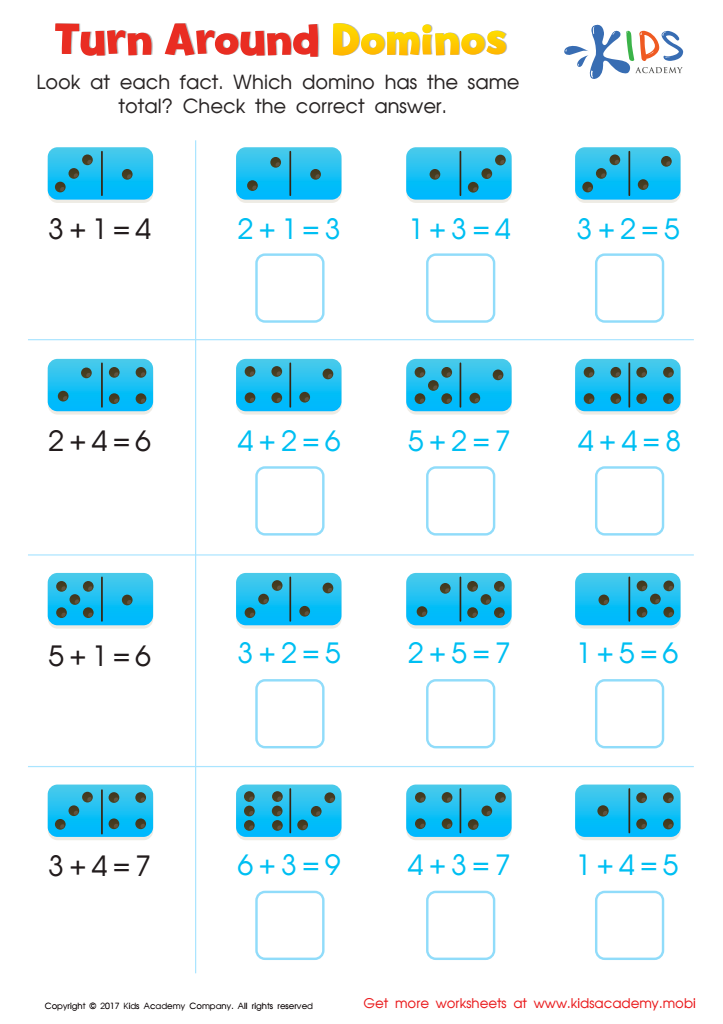
Turn Around Dominos Worksheet
Encourage your child to flex their mental muscles with this math worksheet. Look through the left side's dominos and their values and then check the three boxes on the right. Ask your child if any of the right box's dominos are similar. This requires focus and careful observation.
 Assign to My Students
Turn Around Dominos Worksheet
Worksheet
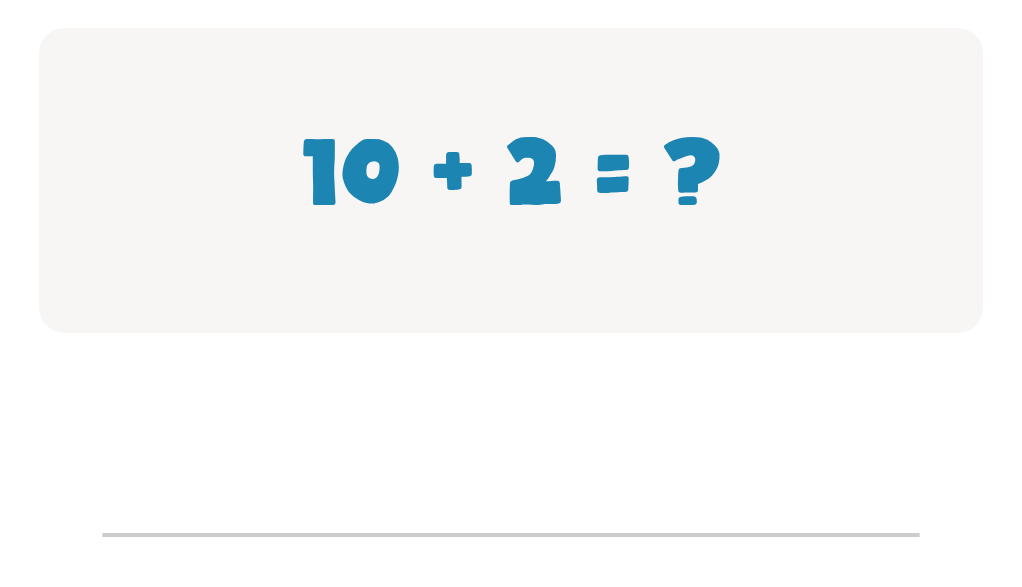

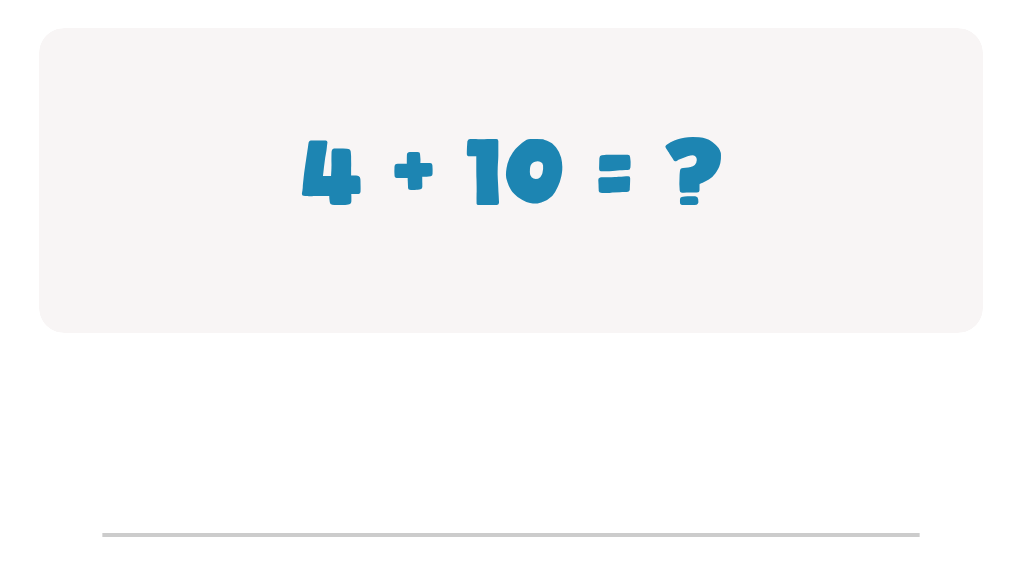
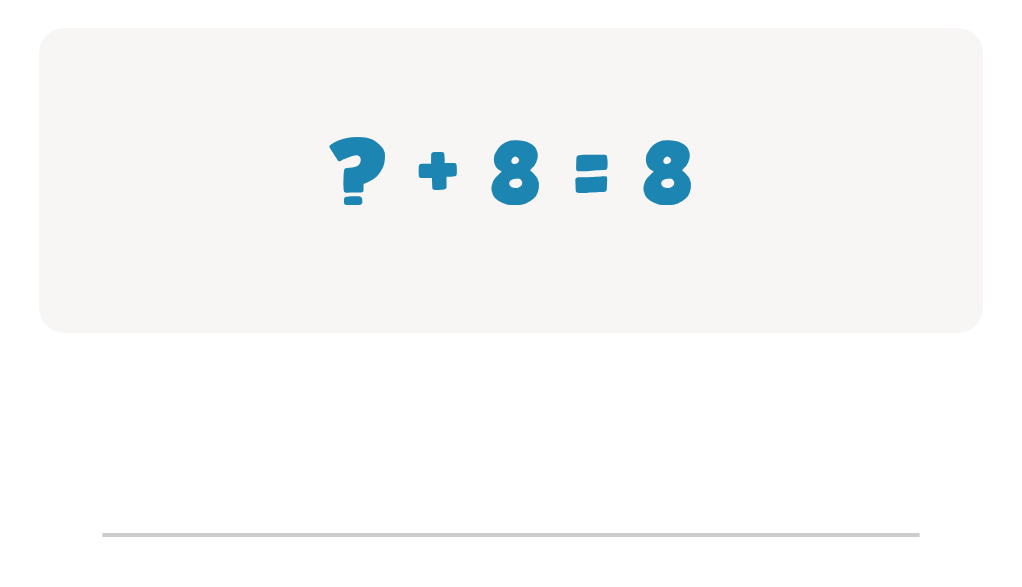
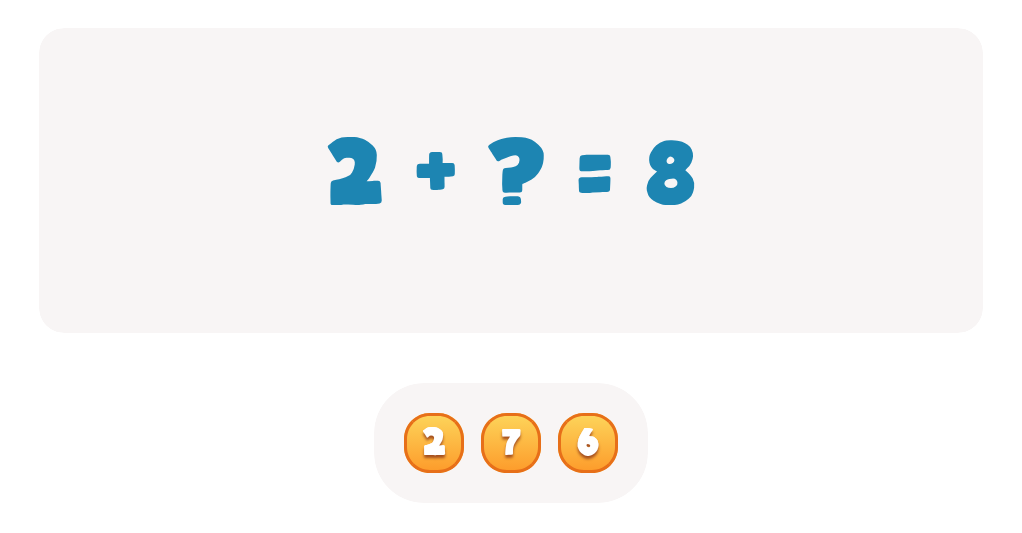
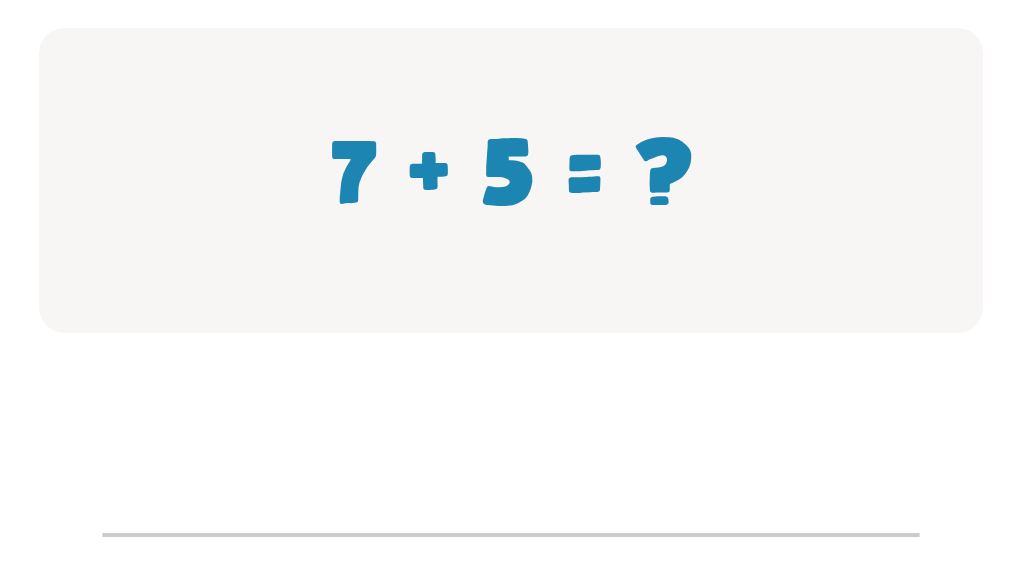
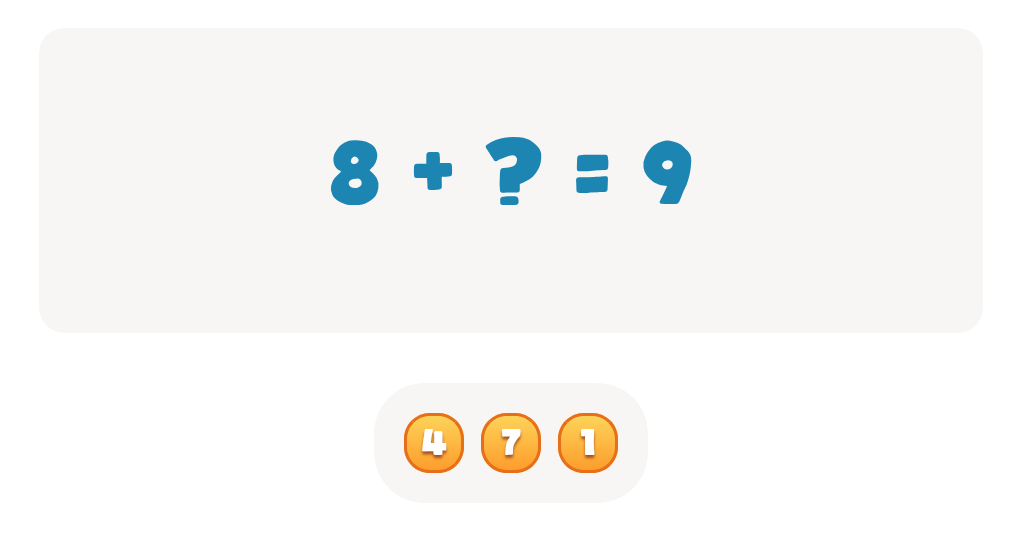

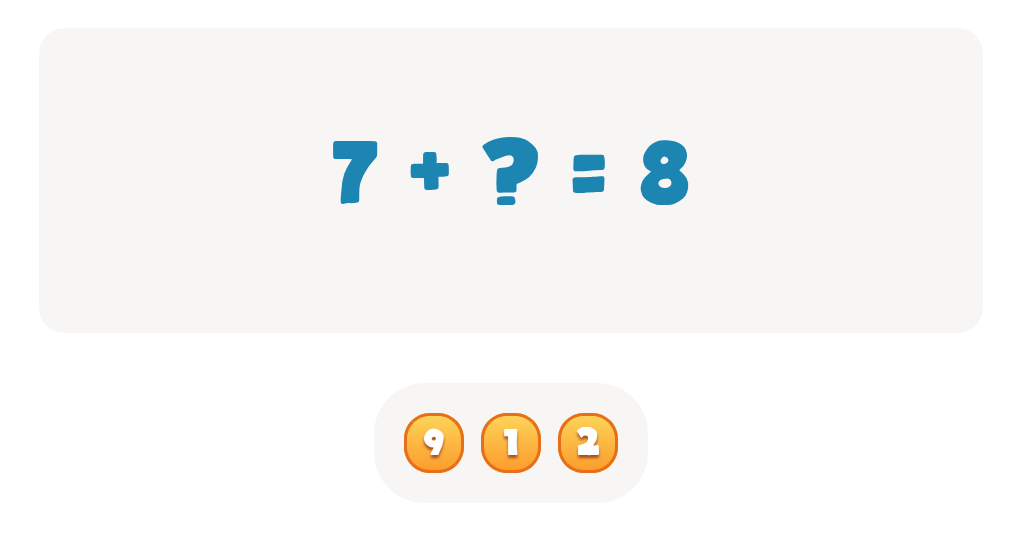
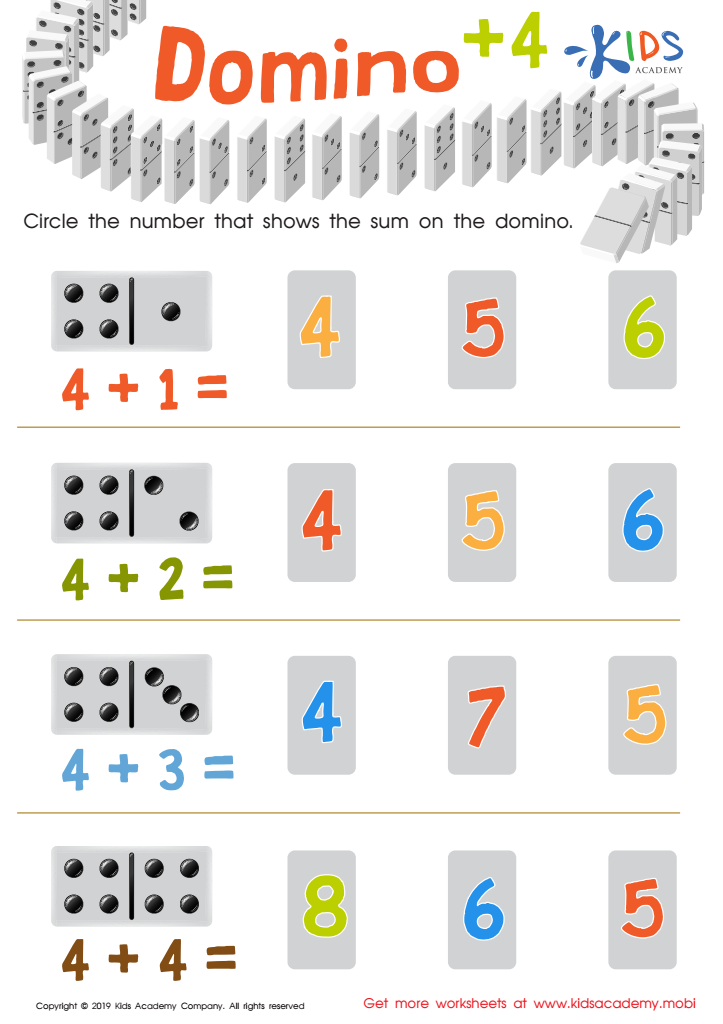
Domino +4 Worksheet
Ask your kids if they know what a domino is. Explain, then move on to solving the four simple equations on this printout, adding a number to 4. Help them find the sum and circle the number.
Domino +4 Worksheet
Worksheet
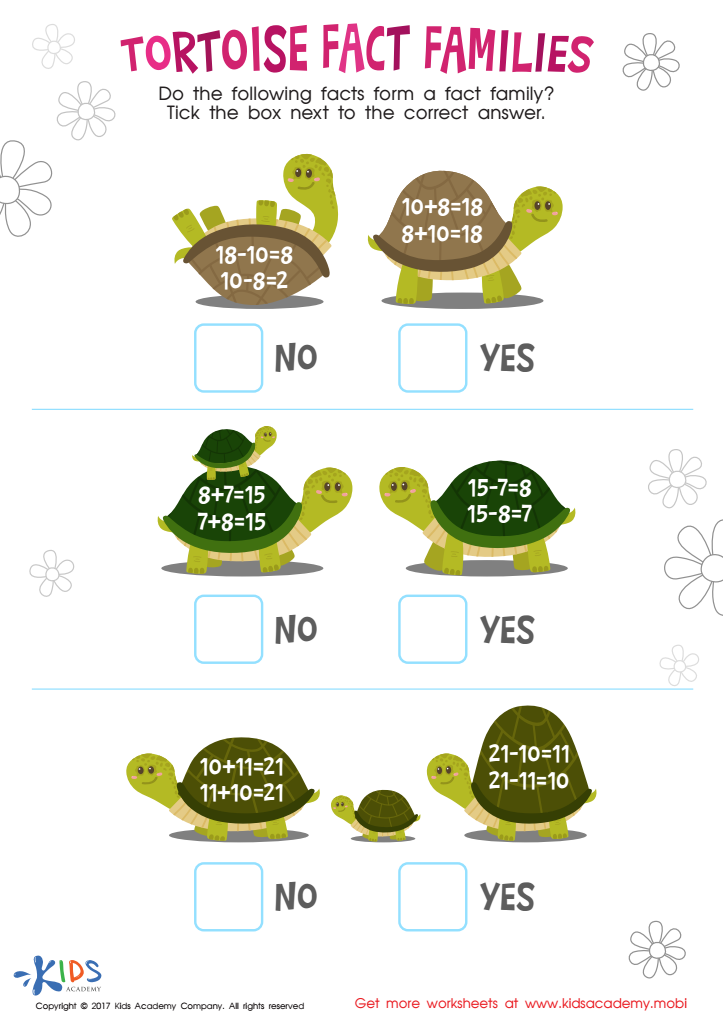
Tortoise Fact Families Printable
With 1st grade add & subtract tortoises, kids can improve their math understanding and skills. Enjoy fun, hands-on practice with fact families and strengthen logical reasoning and critical thinking!
Tortoise Fact Families Printable
Worksheet
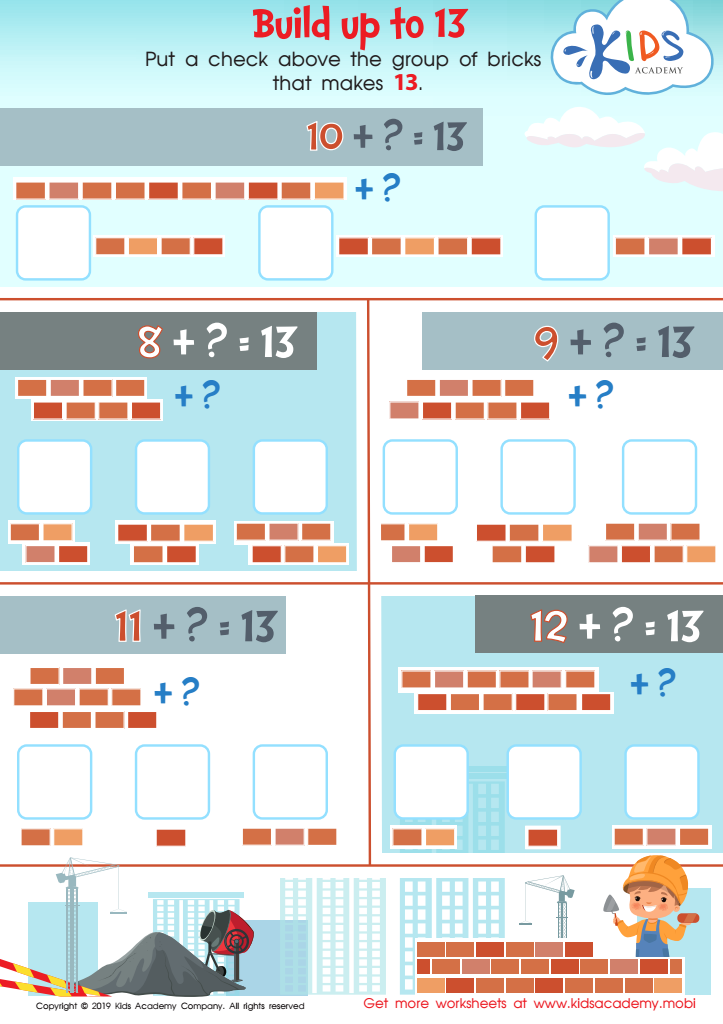
Build up to 13 Worksheet
Help your kids master addition and subtraction with this worksheet! It'll help clear up any confusion they may have with adding different numbers. Have them add up the simple equations and mark the group of bricks that makes 13. It's a great way for them to get familiar with the basics.
Build up to 13 Worksheet
Worksheet
Join Kids Academy for Free
Who is primarily going to use this learning content?








Parents and teachers should prioritize basic addition skills for children aged 3-6 because these early math foundations significantly influence a child's future academic success. Mastering addition facts fosters numerous cognitive benefits, including problem-solving abilities, critical thinking, and logical reasoning. During this developmental stage, children are particularly adept at absorbing new information, and basic addition acts as a building block for more complex mathematical concepts later on.
Additionally, strong addition skills enhance a child's confidence in their abilities, leading to a positive attitude toward learning. Engaging with addition facts through playful activities, games, and hands-on experiences makes learning enjoyable and can spark a lifelong interest in mathematics. Furthermore, as children learn to communicate and understand numbers, they also develop essential skills in cooperation and teamwork through group activities that involve sharing and addition tasks.
Early exposure to and mastery of addition facts prepares children not only for standardized tests but also enriches practical life skills, such as managing money and time. When parents and teachers collaborate to reinforce these skills, they create a supportive environment that encourages exploration and growth in math, ultimately setting children up for future success in all areas of learning.








