Counting practice Addition & Subtraction Worksheets for Ages 3-6
251 filtered results
-
From - To
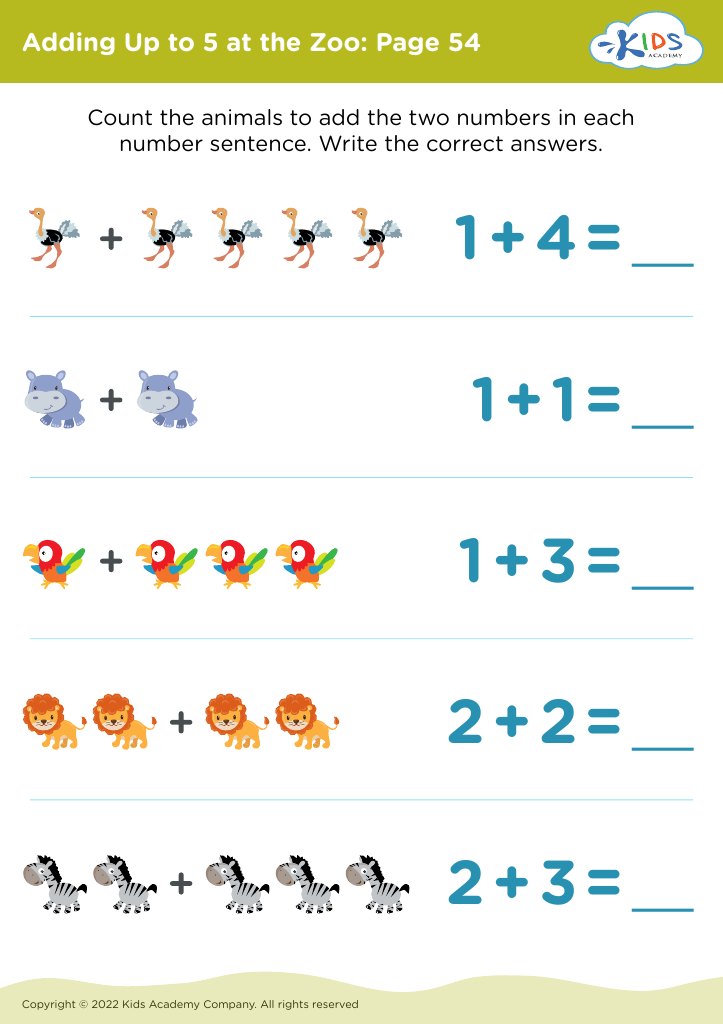
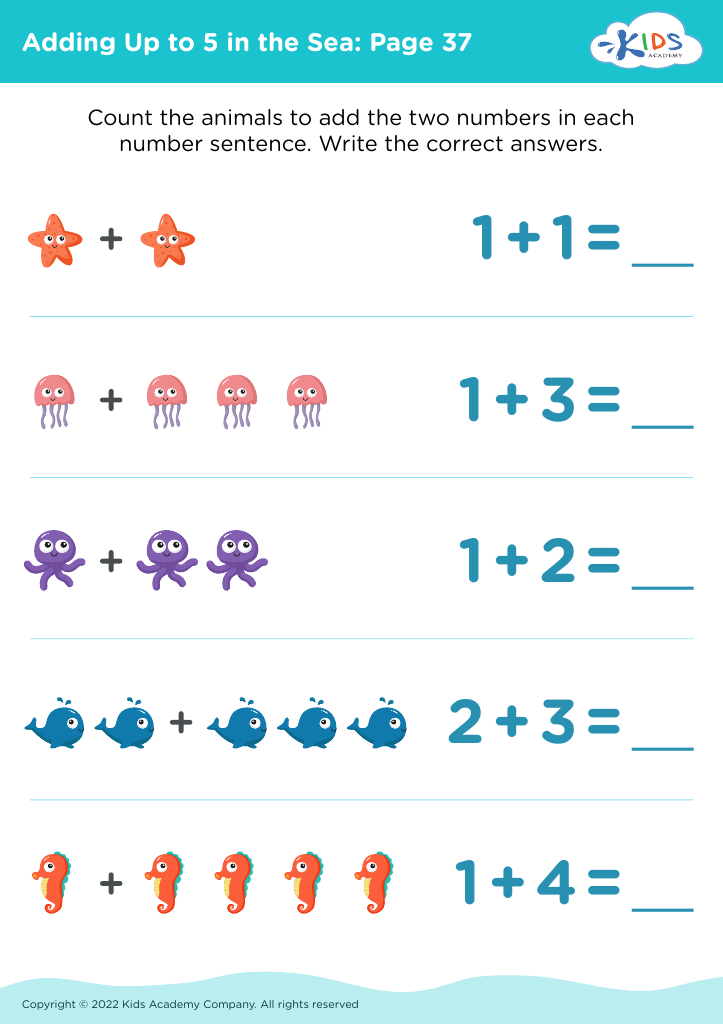
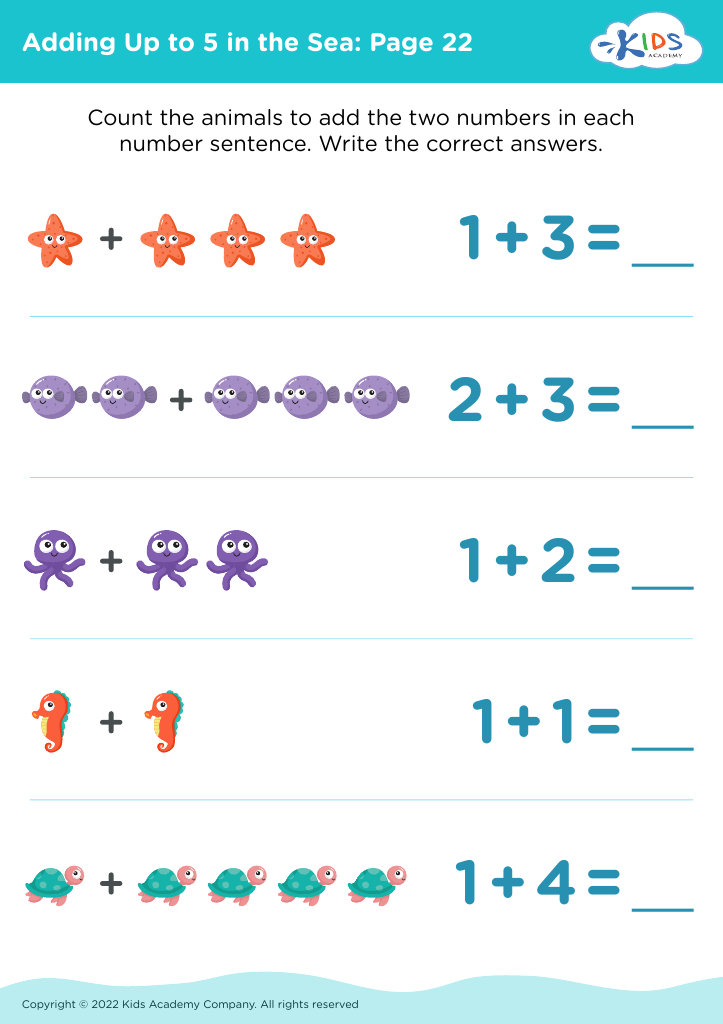
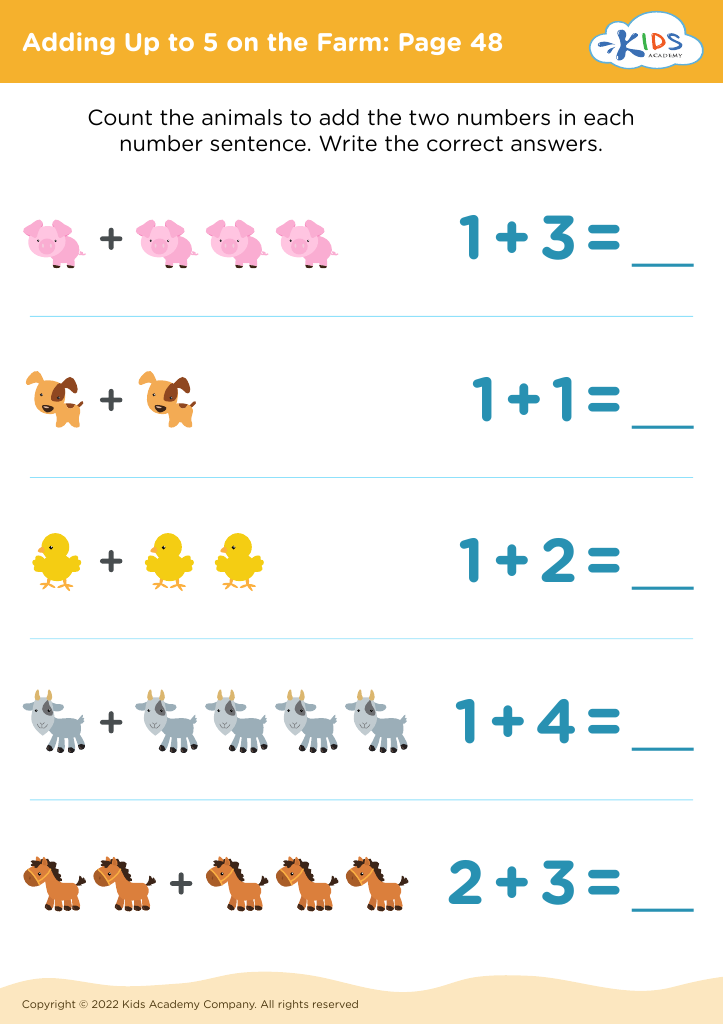
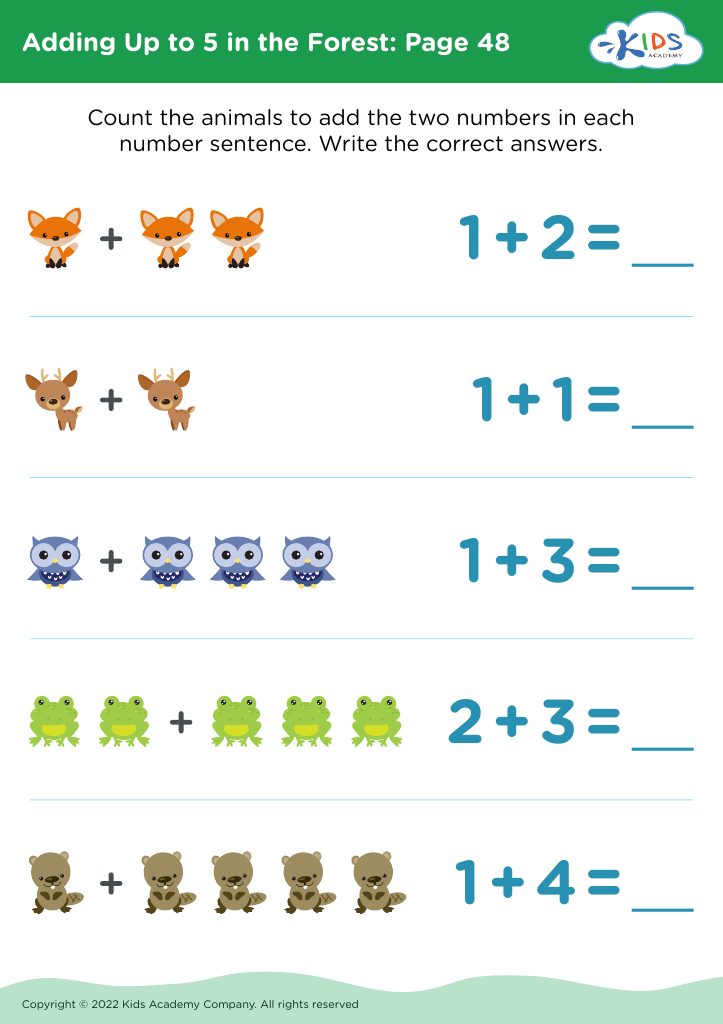
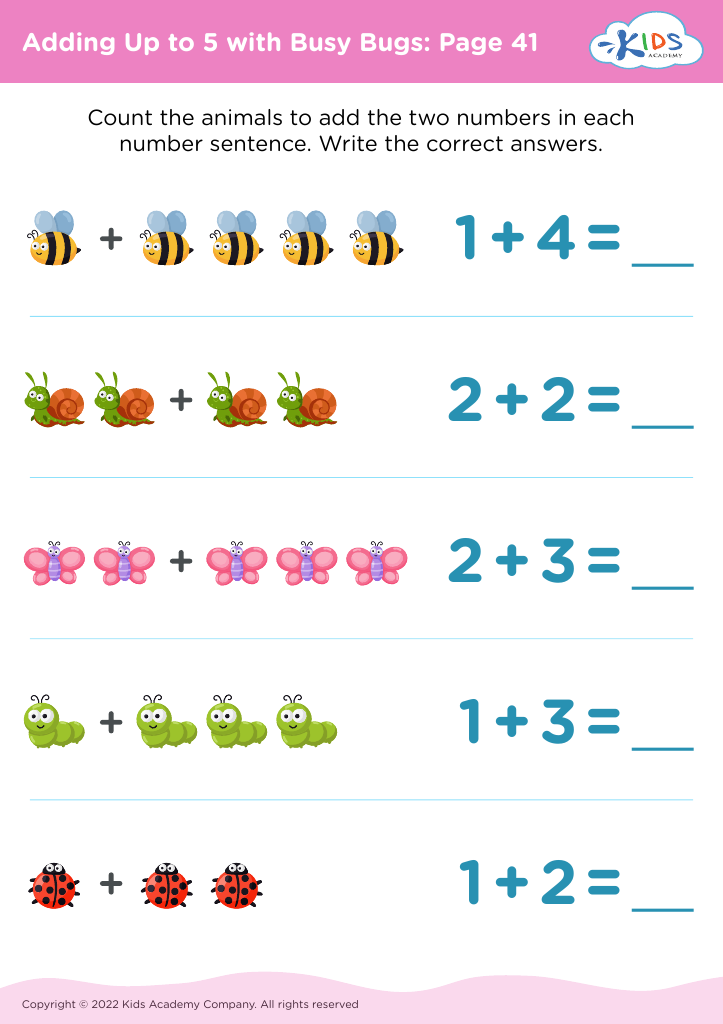
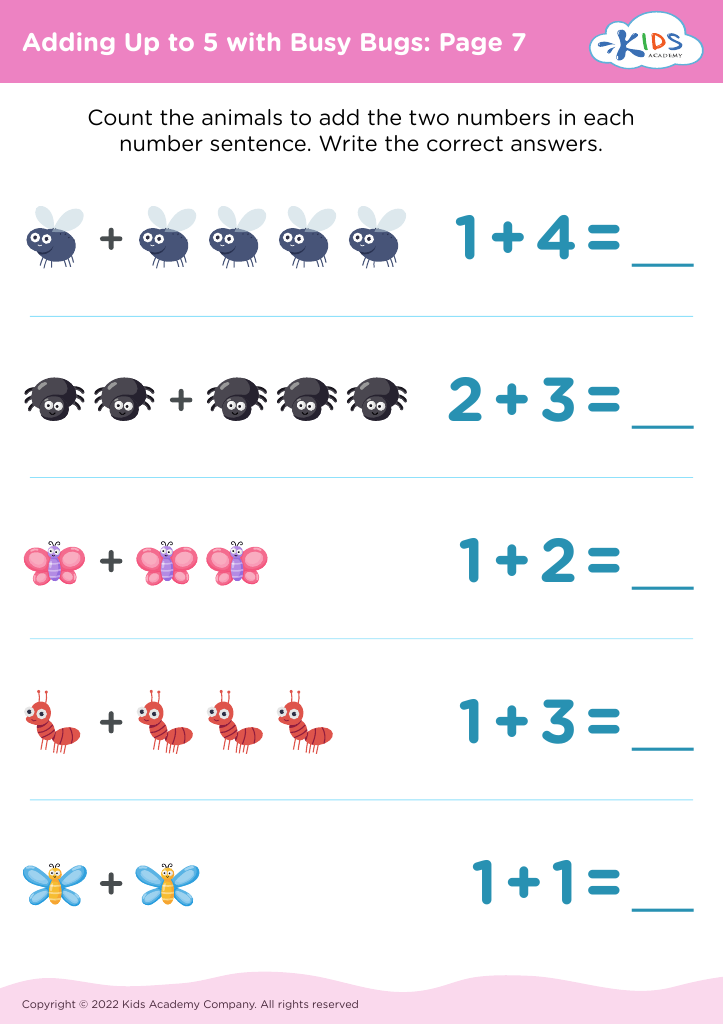
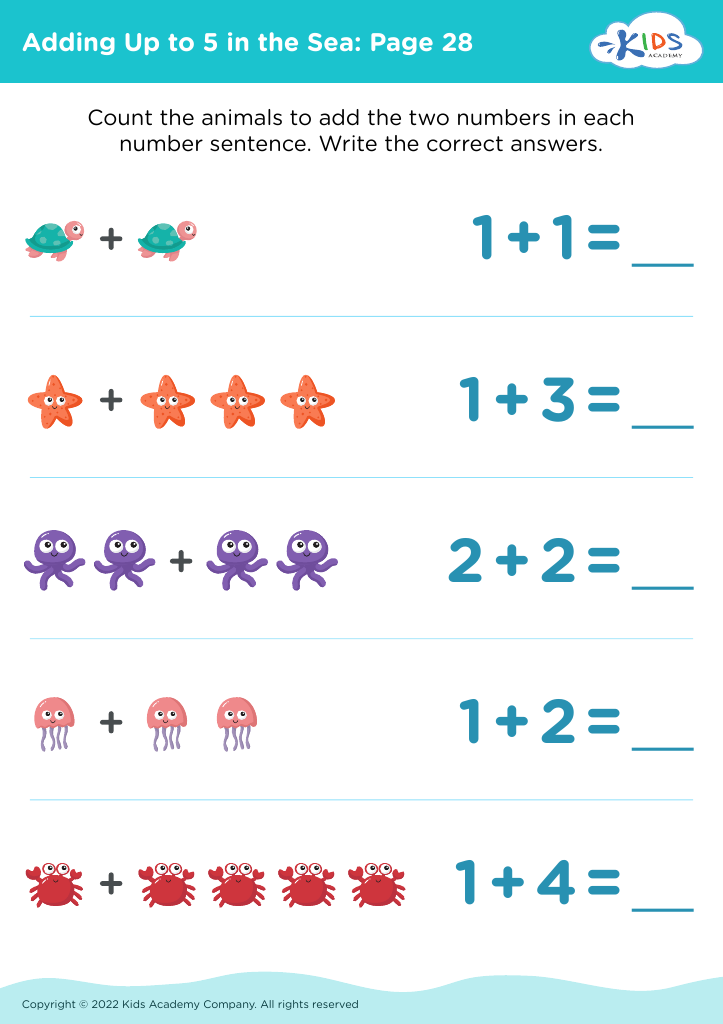
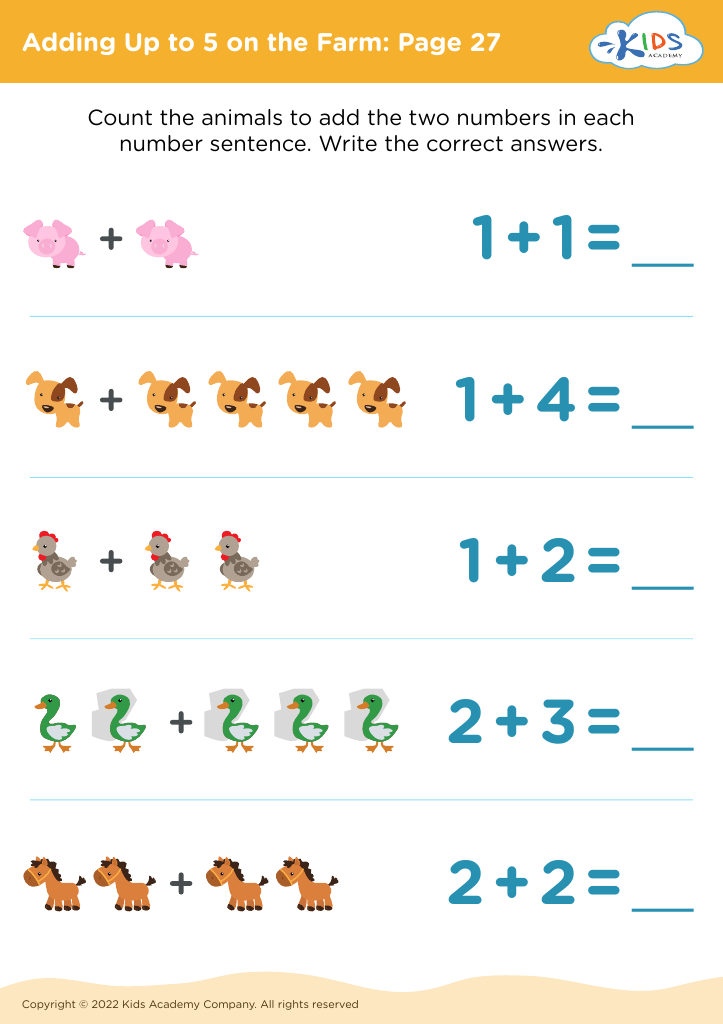
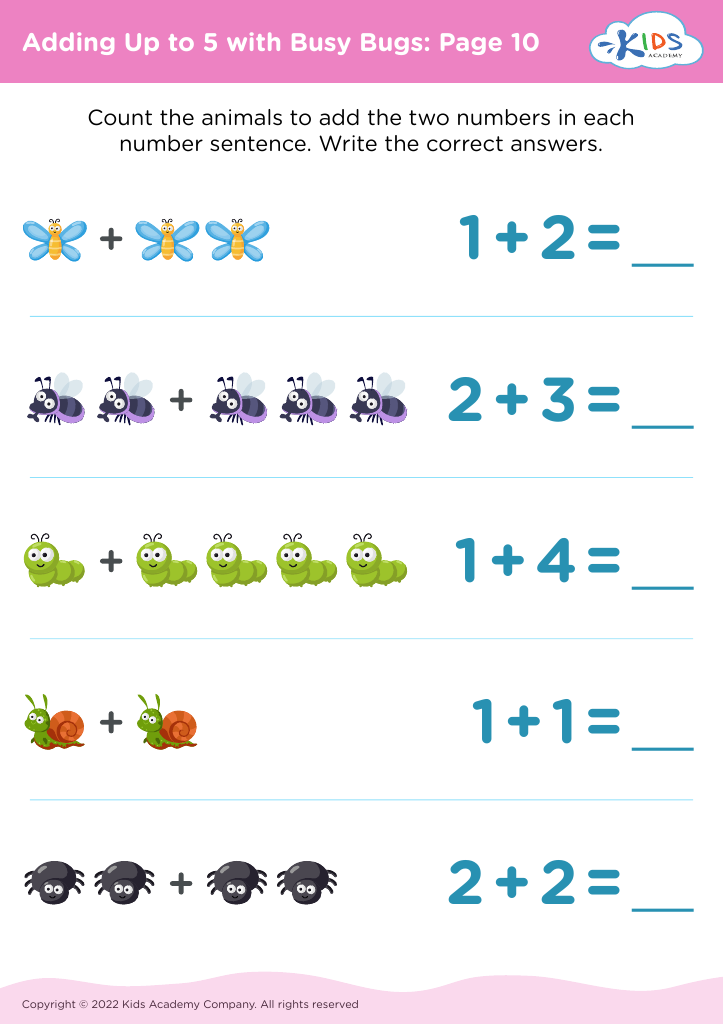
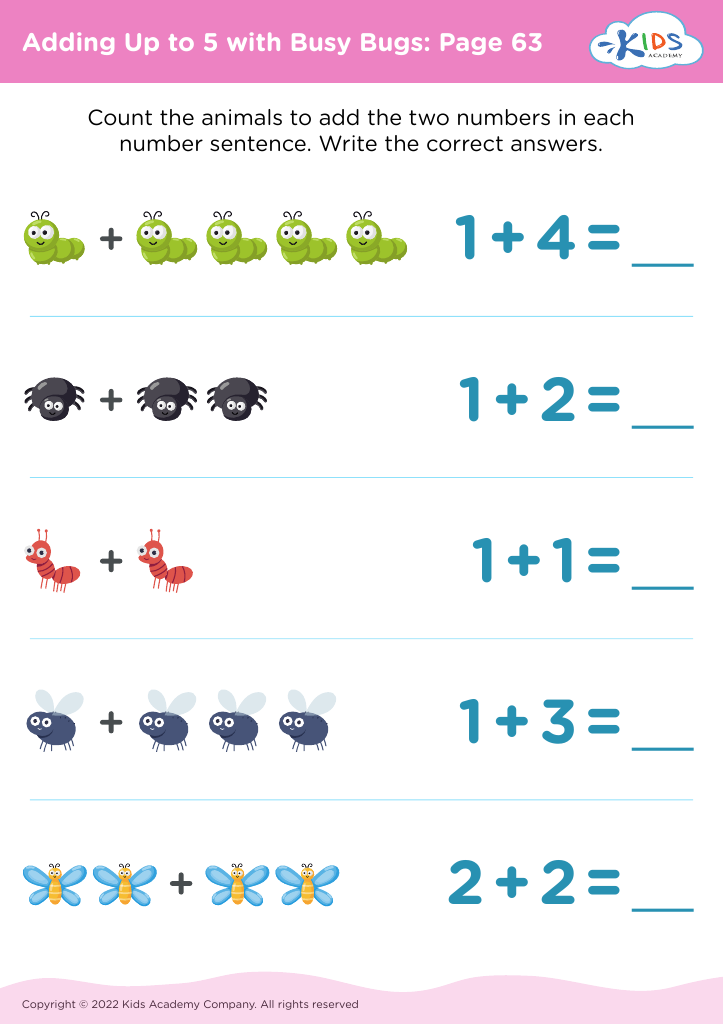
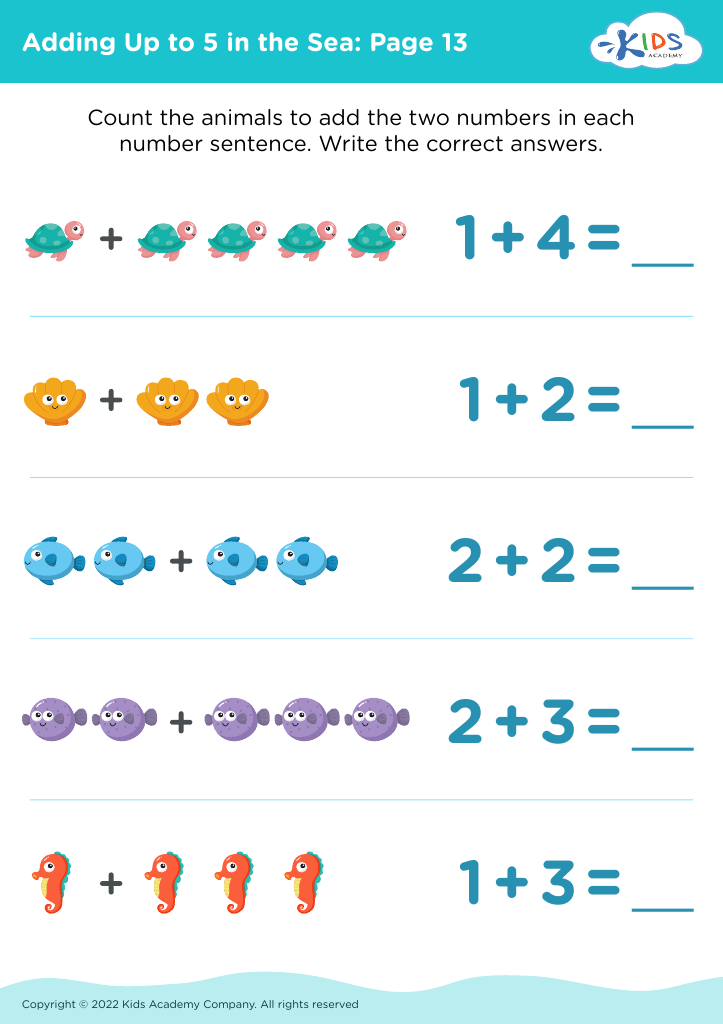
Introduce your little learners to the fun world of math with Counting Practice Addition & Subtraction Worksheets designed for ages 3-6! These worksheets from Kids Academy focus on developing early math skills through engaging activities that teach young children how to add and subtract effectively. With vibrant illustrations and age-appropriate exercises, kids will practice counting, improve number recognition, and enhance their basic arithmetic skills. Prepare your children for a bright mathematical future by making learning interactive and enjoyable. Download these fantastic worksheets now to provide a strong foundation in both addition and subtraction!
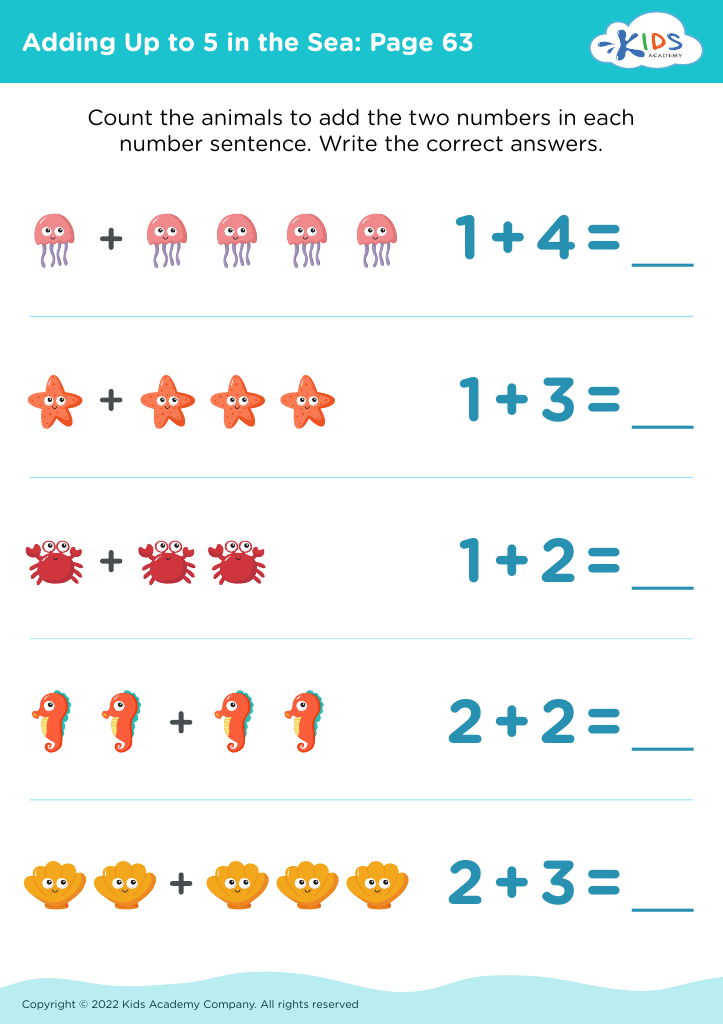
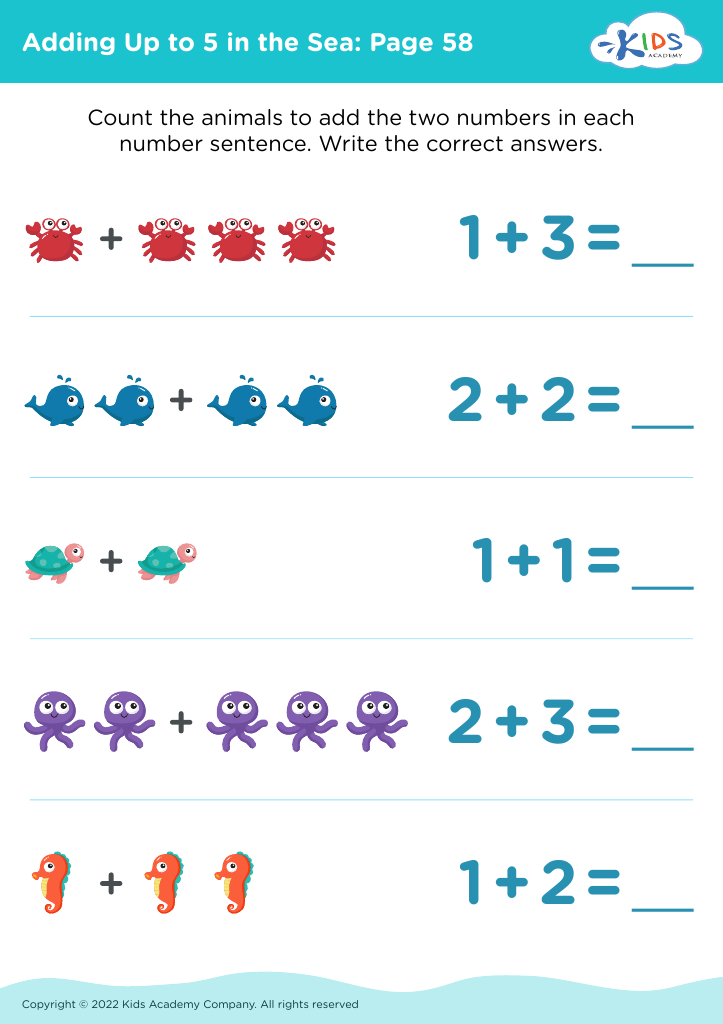
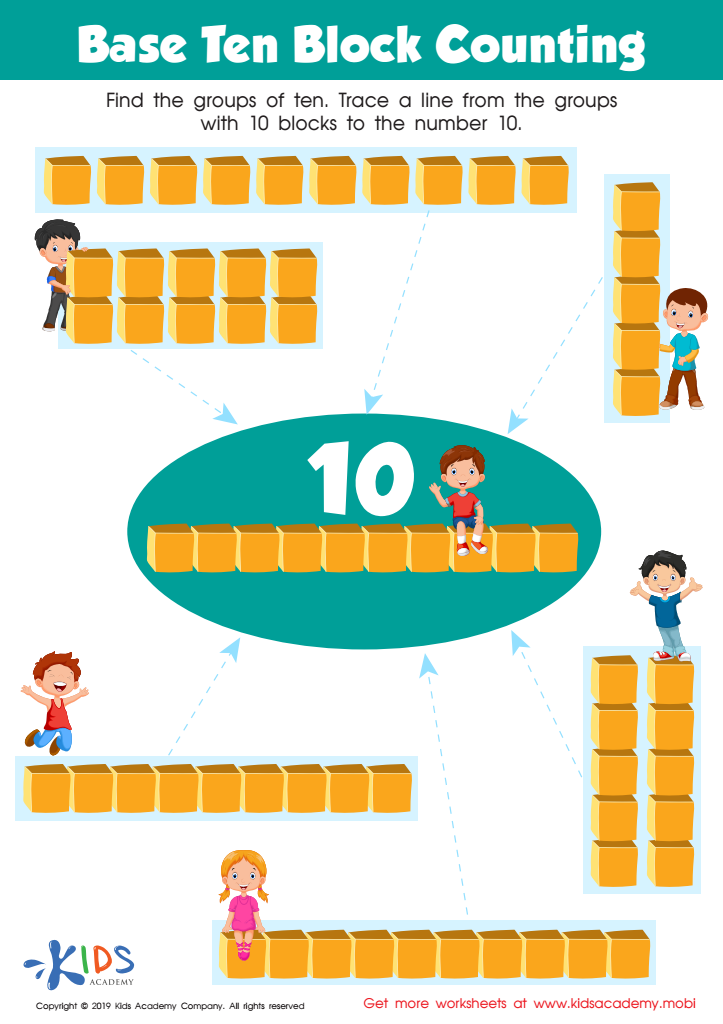
Base Ten Block Counting Worksheet
 Assign to My Students
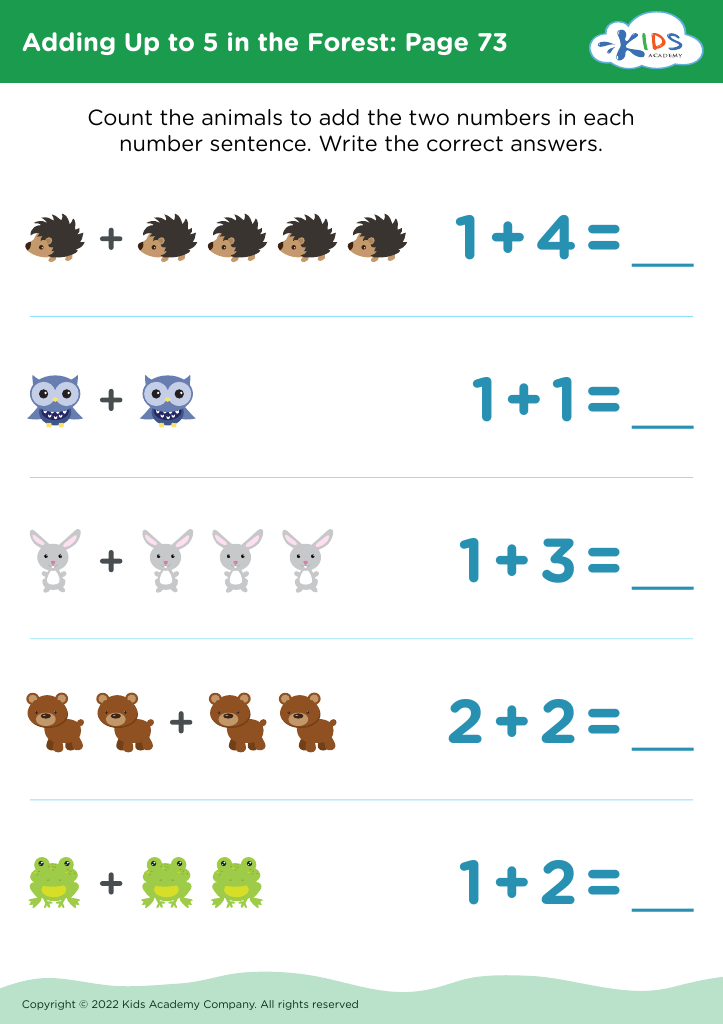
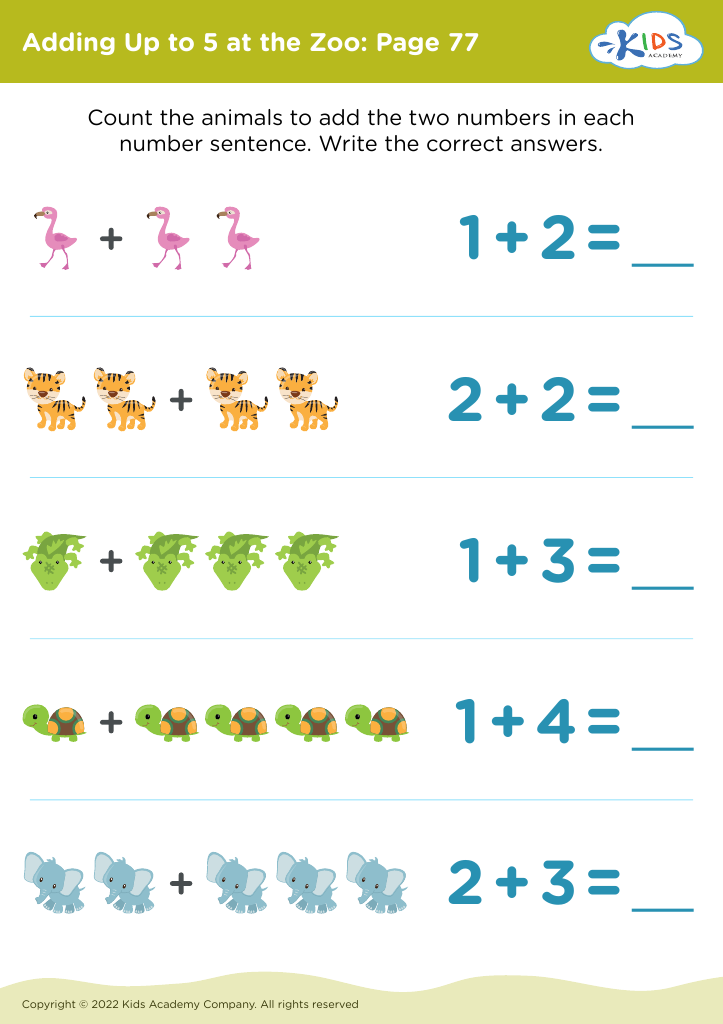
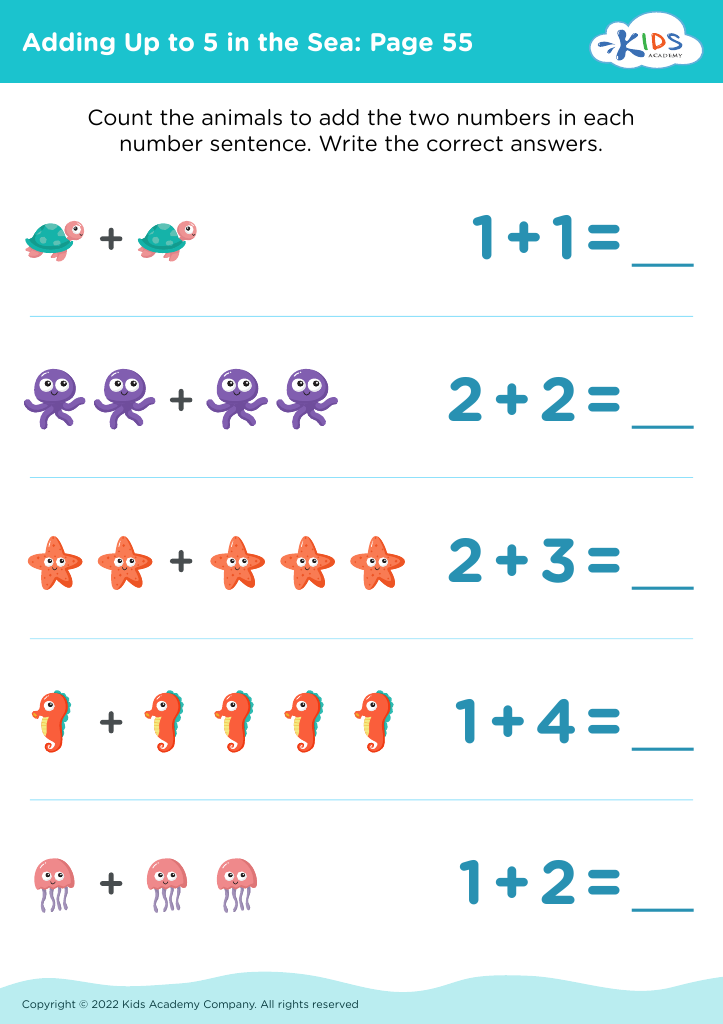
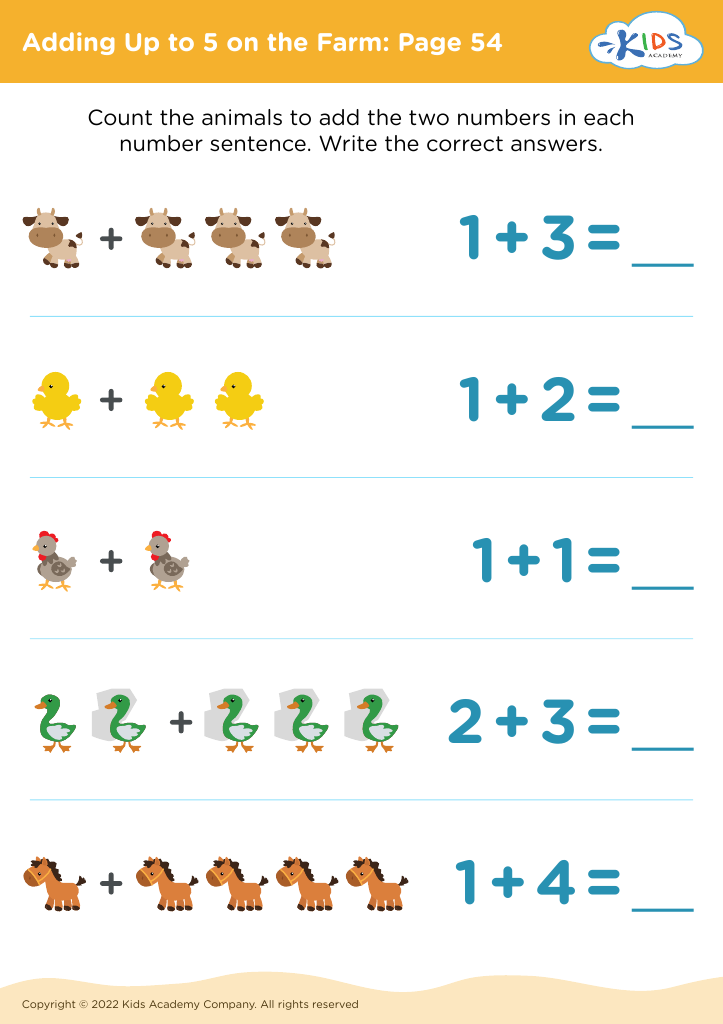
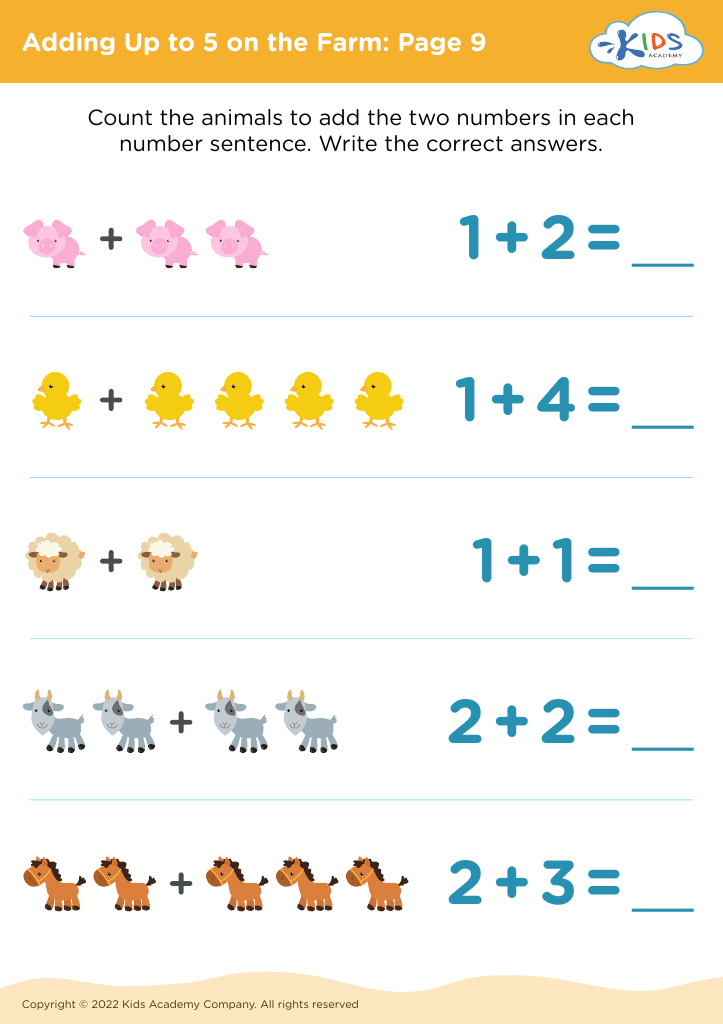
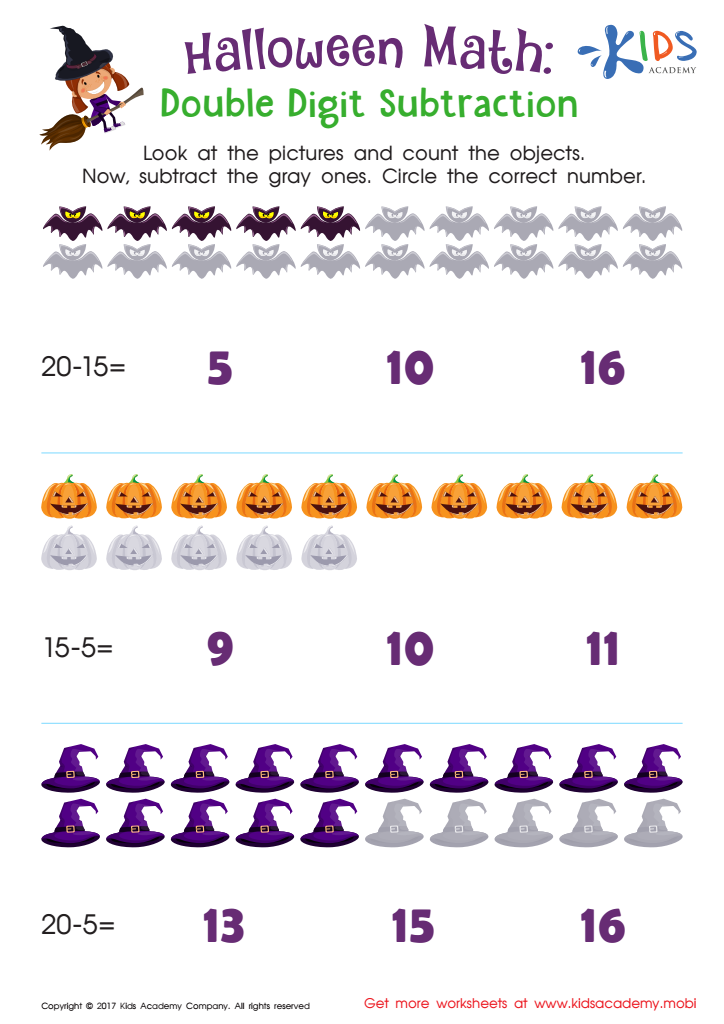
Halloween Math Subtraction Worksheet








Counting practice, addition, and subtraction are foundational skills for young children ages 3-6, crucial in setting the groundwork for all future mathematical learning. At this developmental stage, children's brains are exceptionally adaptable and primed for absorbing new information. Engaging in counting exercises helps them understand numbers as symbols that represent quantities, developing their number sense.
Addition and subtraction, introduced through simple, hands-on activities, teach children basic yet vital concepts of quantity and arithmetic operations. These skills are essential not only for higher-level math but also for everyday tasks and problem-solving, such as sharing toys, understanding time, and recognizing patterns.
Moreover, early math practice enhances cognitive abilities like memory, attention, and logical thinking. It nurtures the ability to reason, sort, and classify objects, which are critical for academic success. Early proficiency in math can boost a child's confidence and foster a positive attitude towards learning, paving the way for accomplishments in various subjects.
For parents and teachers, focusing on these core mathematical skills involves consistent practice through engaging activities, games, and real-life scenarios, making learning fun and meaningful. By prioritizing these foundational skills during early childhood, adults play a pivotal role in ensuring future academic achievement and the overall development of a child.








