Addition Practice Addition Worksheets for Ages 3-6 - Page 4
77 filtered results
-
From - To
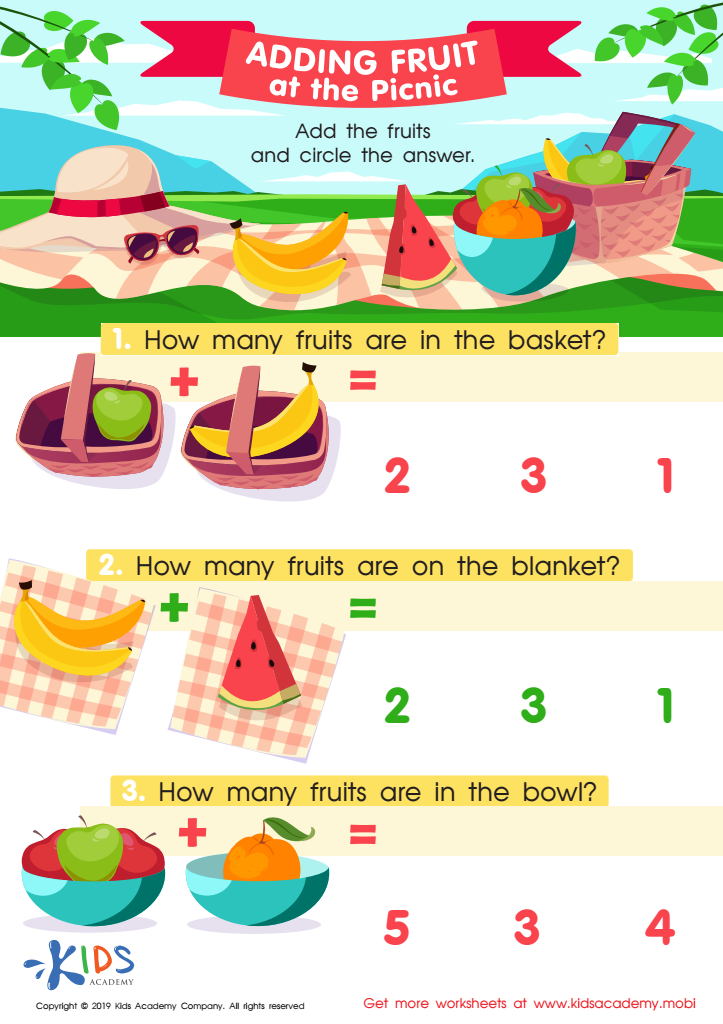
Adding Fruit at the Picnic Worksheet
 Assign to My Students






.jpg)
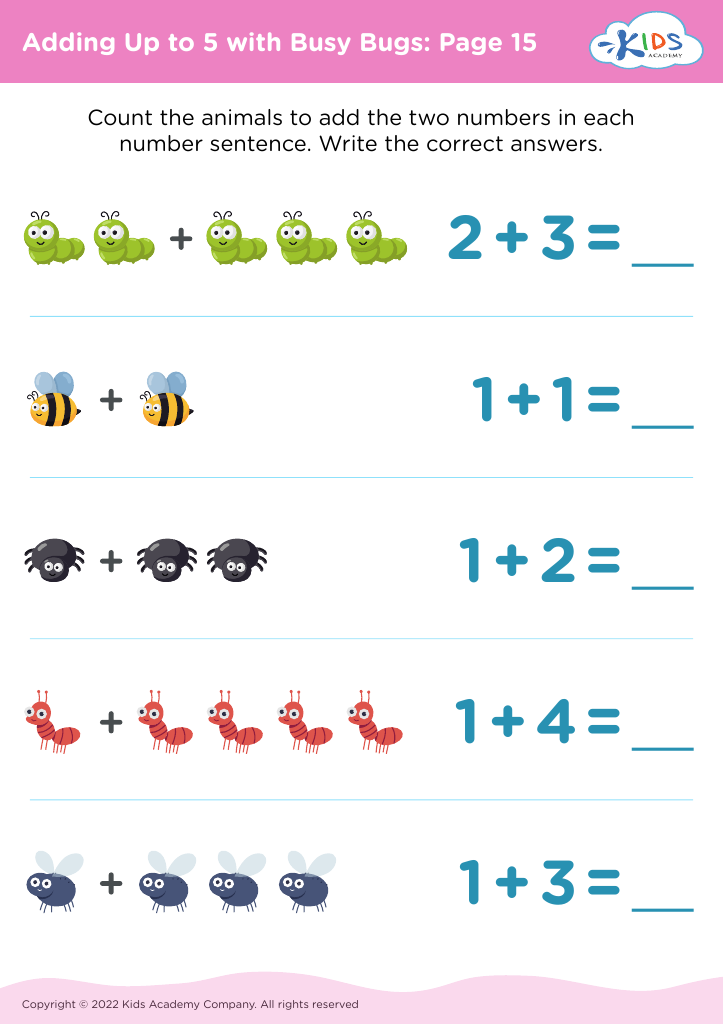
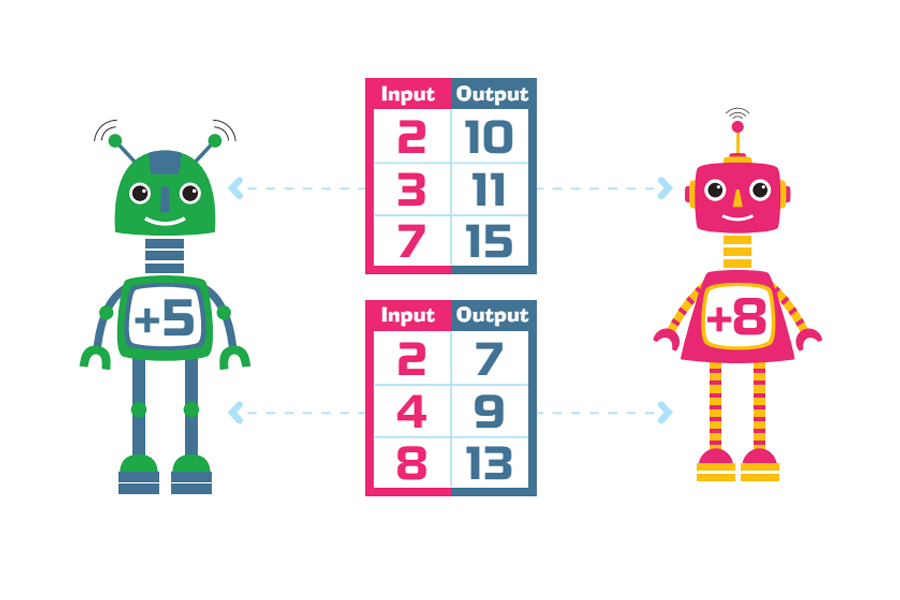
Addition practice for children aged 3-6 is crucial because it lays the foundation for their future math skills and overall cognitive development. At this early stage, children’s brains are incredibly receptive to new information and forming basic neural connections that shape their ability to understand more complex concepts later on. Engaging in addition exercises helps young learners develop numerical literacy, enhancing their ability to count, recognize patterns, and grasp the concept of numbers and how they relate to real-world situations.
For parents and teachers, prioritizing addition practice ensures that young students build confidence in their mathematical abilities. Positive early experiences with math can foster a lifelong interest and reduce anxiety associated with the subject. Consistent practice also improves problem-solving skills, critical thinking, and logical reasoning, which are applicable in multiple areas of life and learning.
Early addition practice can be fun and incorporated through games, songs, and hands-on activities, making the learning process enjoyable and less intimidating for young children. Moreover, engaging parents and teachers in this practice strengthens the children’s support system, encouraging consistent practice both at home and in the classroom, and fostering a collaborative environment that prioritizes educational growth and development.








