Visual Perception Skills Addition Worksheets for Ages 3-6
5 filtered results
-
From - To
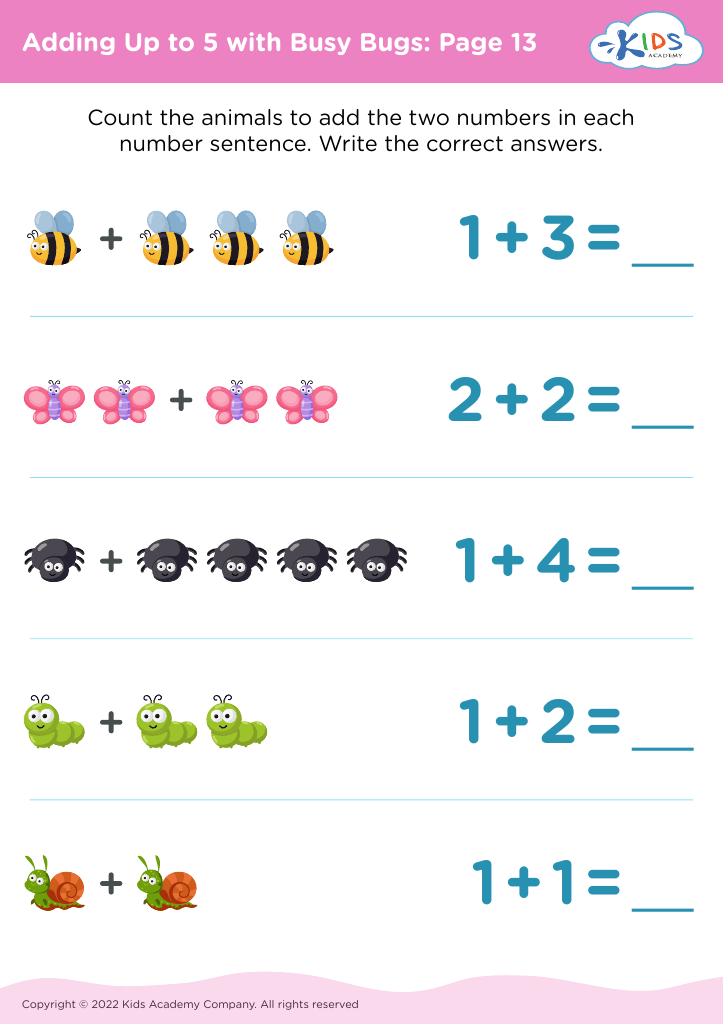
Enhance your child's learning journey with our Visual Perception Skills Addition Worksheets designed specifically for ages 3-6! These engaging worksheets combine foundational math concepts with essential visual perception skills, ensuring your little ones develop a strong cognitive base. Each activity encourages kids to recognize shapes, patterns, and spatial relationships as they practice basic addition. Our user-friendly designs offer colorful visuals that captivate young learners, making math both fun and interactive. Perfect for preschool and early kindergarten, these worksheets support independent learning at home or in the classroom. Download now to inspire confidence in math and boost your child's visual perception abilities!
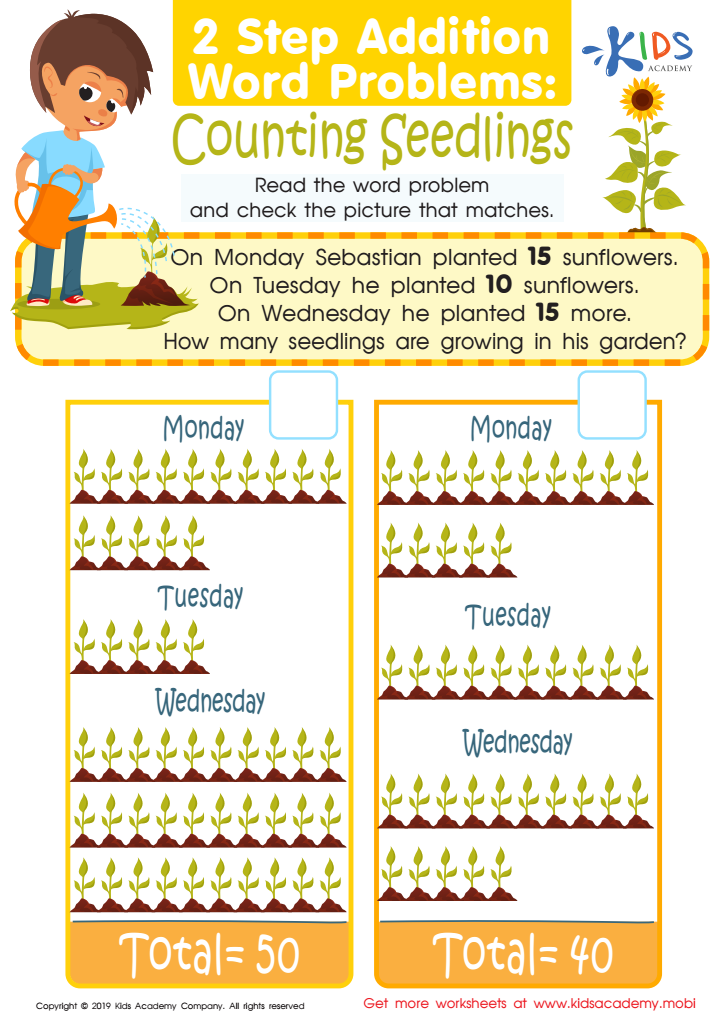
Counting Seedlings Worksheet
 Assign to My Students
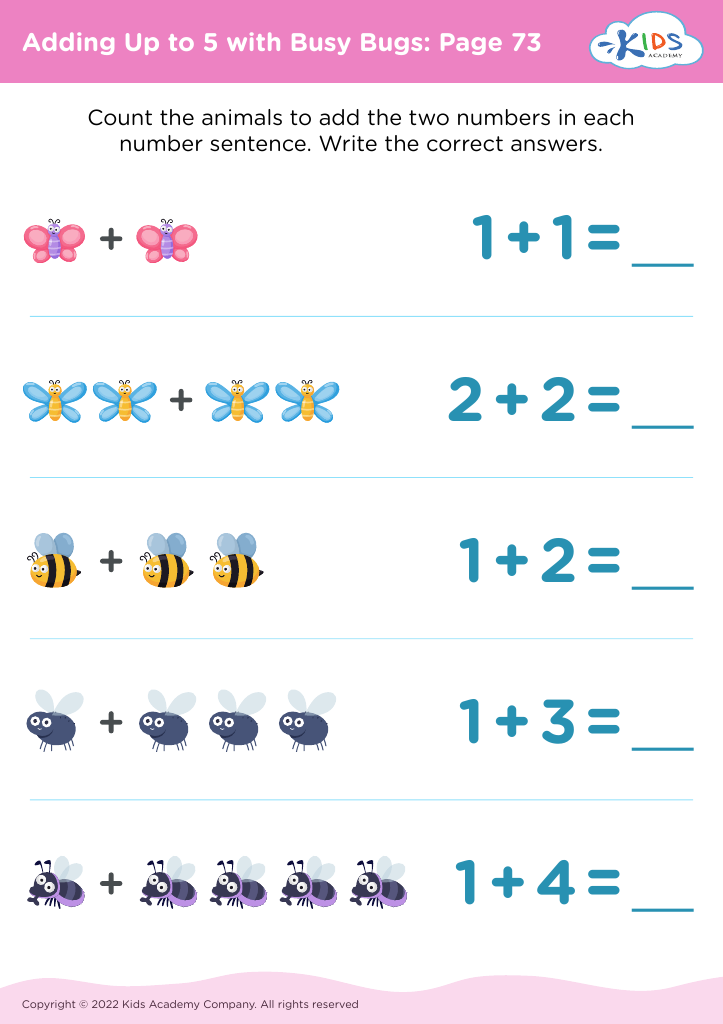
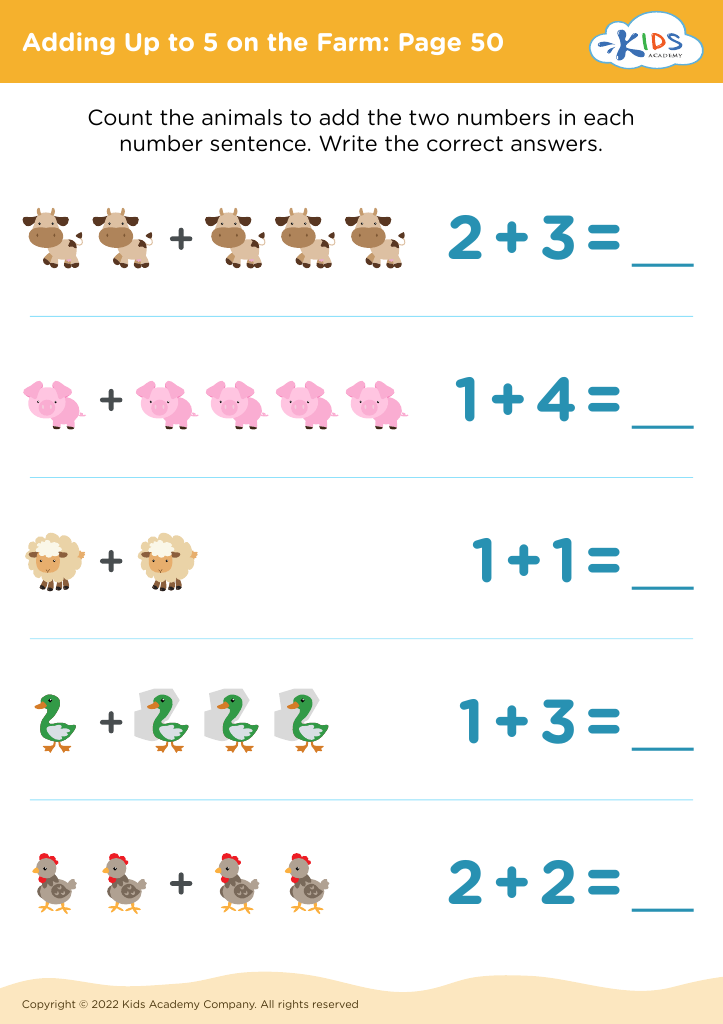
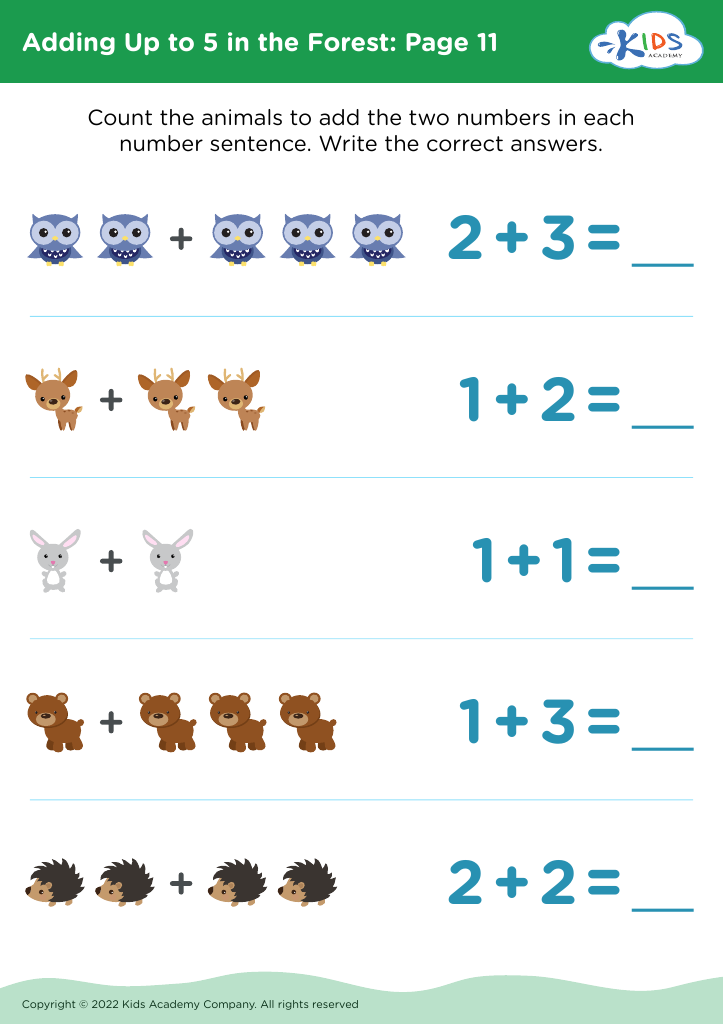








Visual perception skills are crucial for children aged 3 to 6 as they serve as the foundation for their overall learning and development. These skills involve the ability to interpret and understand visual information, and they play a significant role in academic success. For parents and teachers, fostering these skills is essential, as they are intertwined with crucial functions such as reading, writing, and problem-solving.
During these formative years, children explore their surroundings and need to efficiently process visual cues to make sense of their experiences. Enhanced visual perception skills can improve hand-eye coordination, aiding in tasks like cutting, drawing, and constructing with building blocks. Furthermore, children who develop robust visual perception are typically better at recognizing letters, numbers, and shapes, which are vital for their early literacy and numeracy skills.
Supporting visual perception development can also reduce frustration in academic settings, leading to increased confidence and motivation. By engaging children in activities that promote these skills—such as puzzles, matching games, or interactive storytelling—parents and teachers can create a strong foundation for future learning and growth, ultimately contributing to a child’s lifelong educational journey. Prioritizing visual perception skills is an investment in a child's future success.








