Comparing quantities Comparing Numbers Worksheets for Ages 3-6
3 filtered results
-
From - To
Enhance your child's early math skills with our Comparing Quantities Comparing Numbers Worksheets designed for ages 3-6. These engaging and colorful worksheets help young learners understand the concept of comparing numbers and quantities through fun and interactive activities. Ideal for preschoolers and kindergartners, these resources cover skills such as identifying greater, smaller, and equal numbers, and comparing group sizes. Perfect for at-home practice or classroom use, our worksheets foster critical thinking and build a strong foundation in early mathematics. With clear instructions and delightful illustrations, learning to compare numbers becomes an enjoyable adventure.
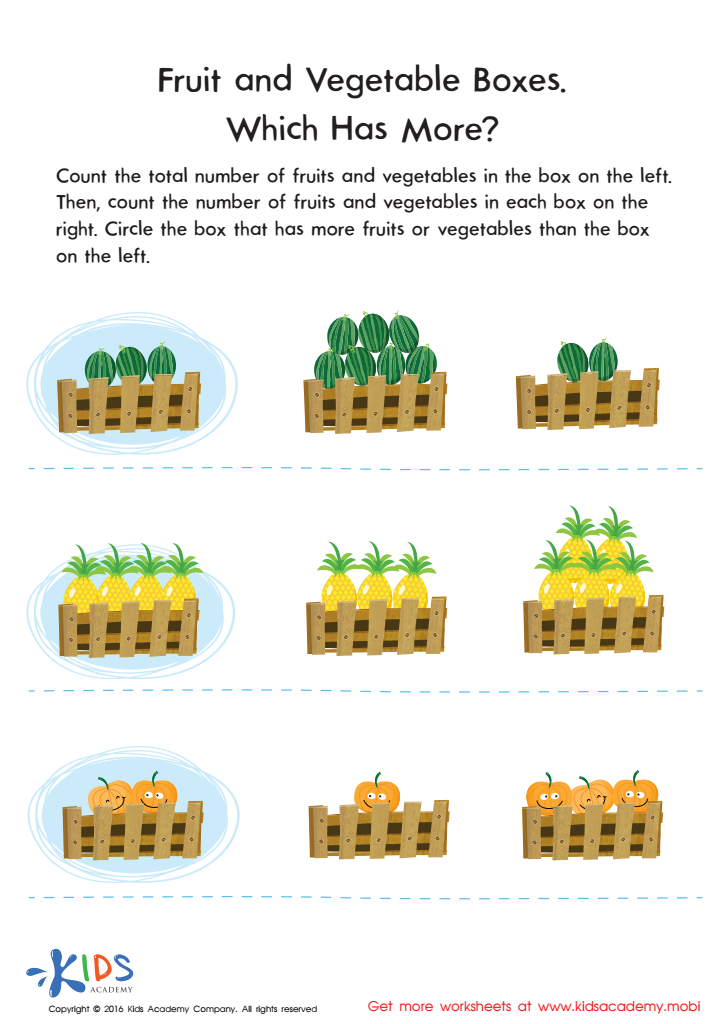
Which Has More? Size Worksheet
 Assign to My Students
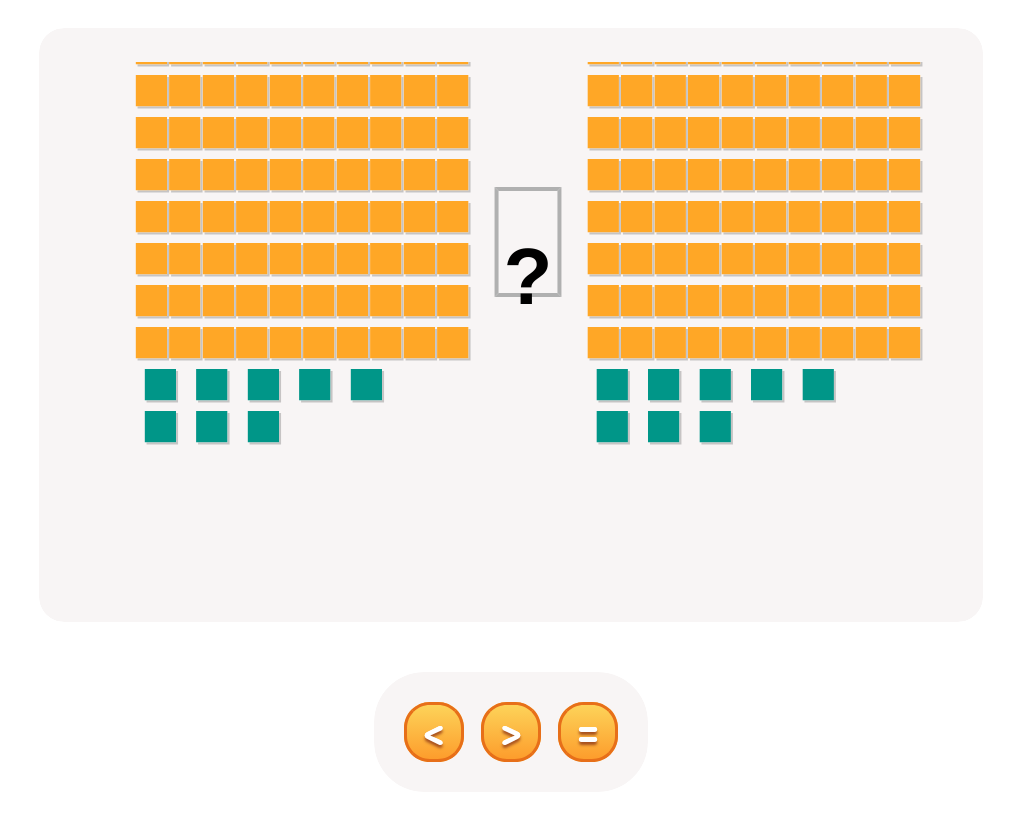

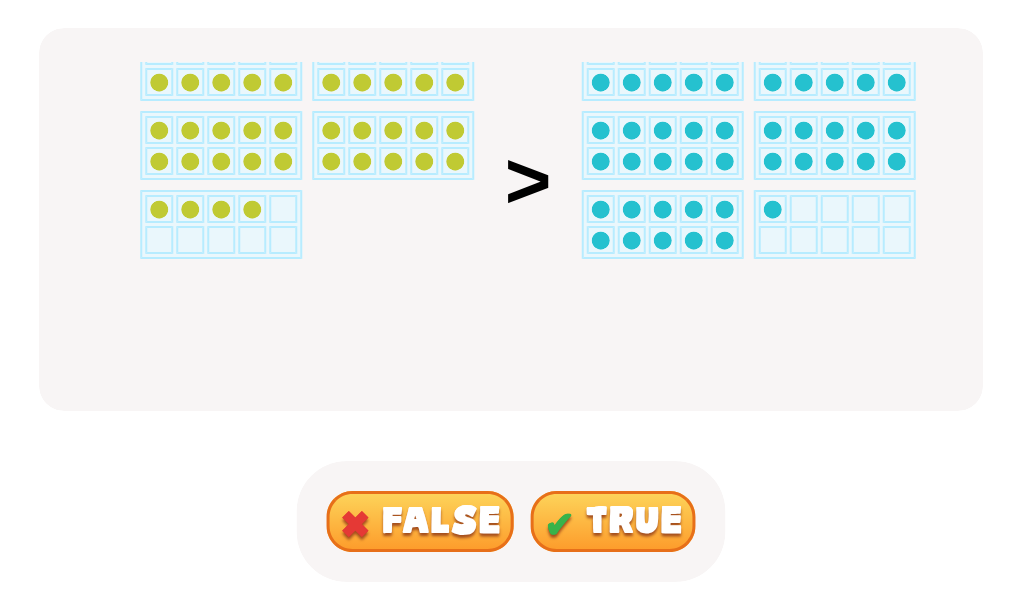
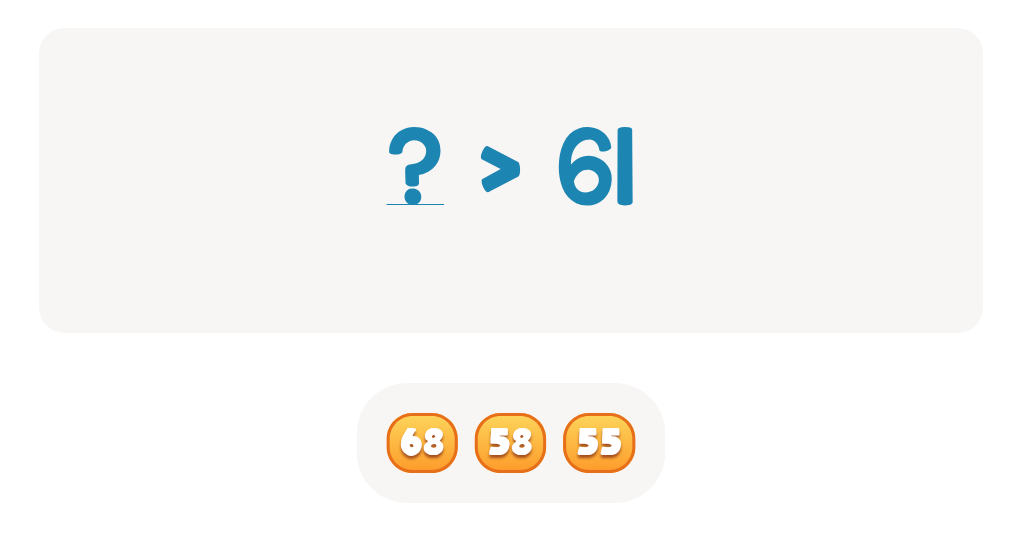
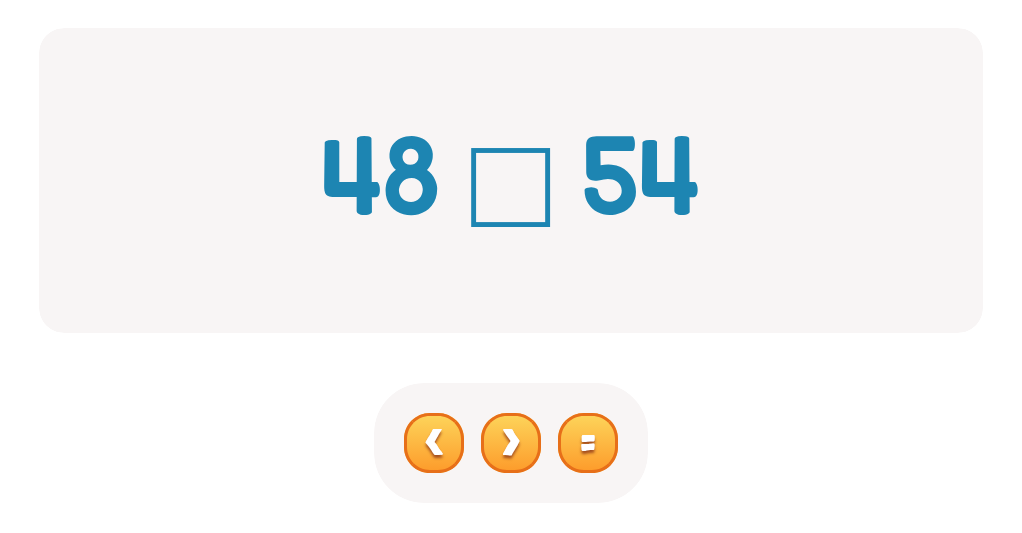
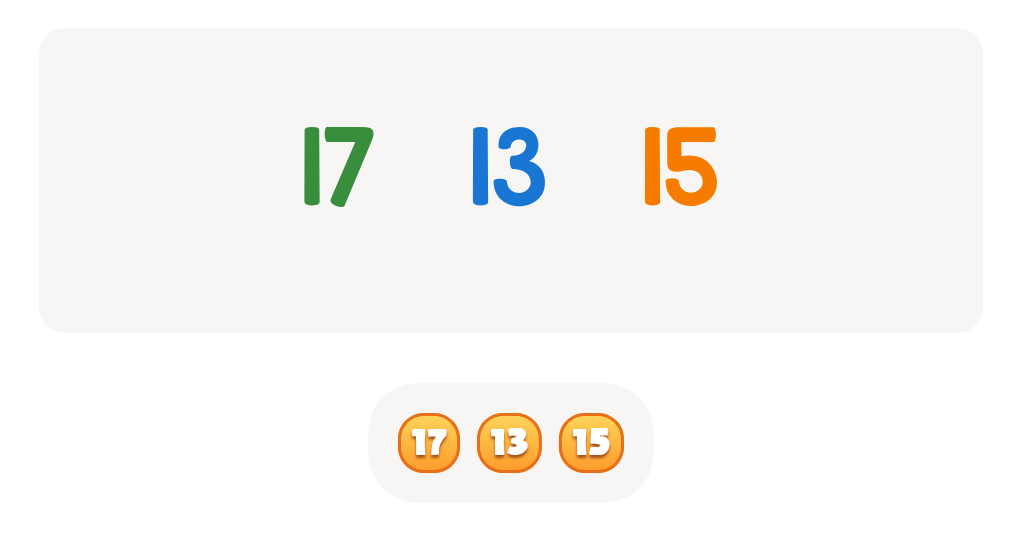
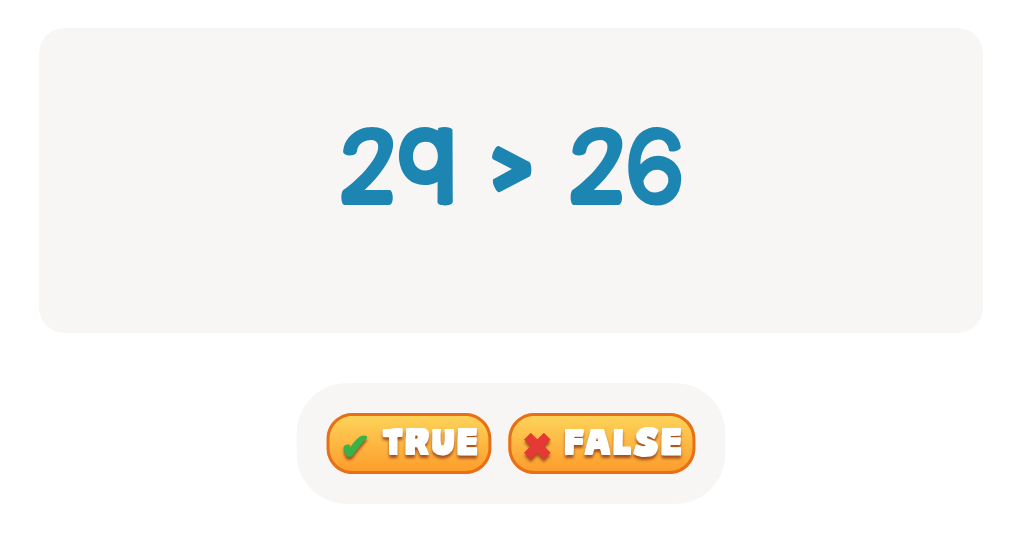
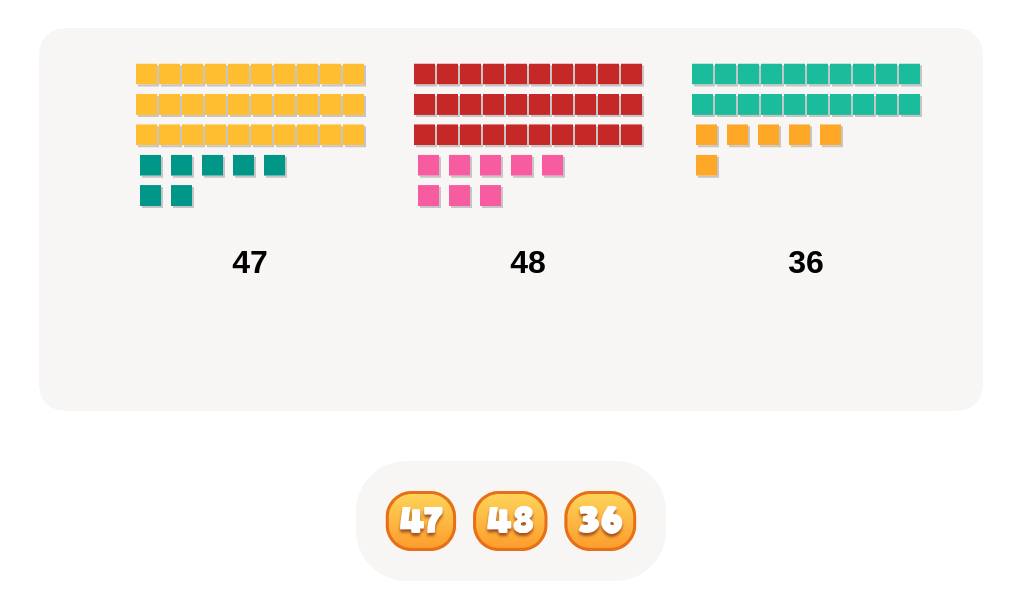
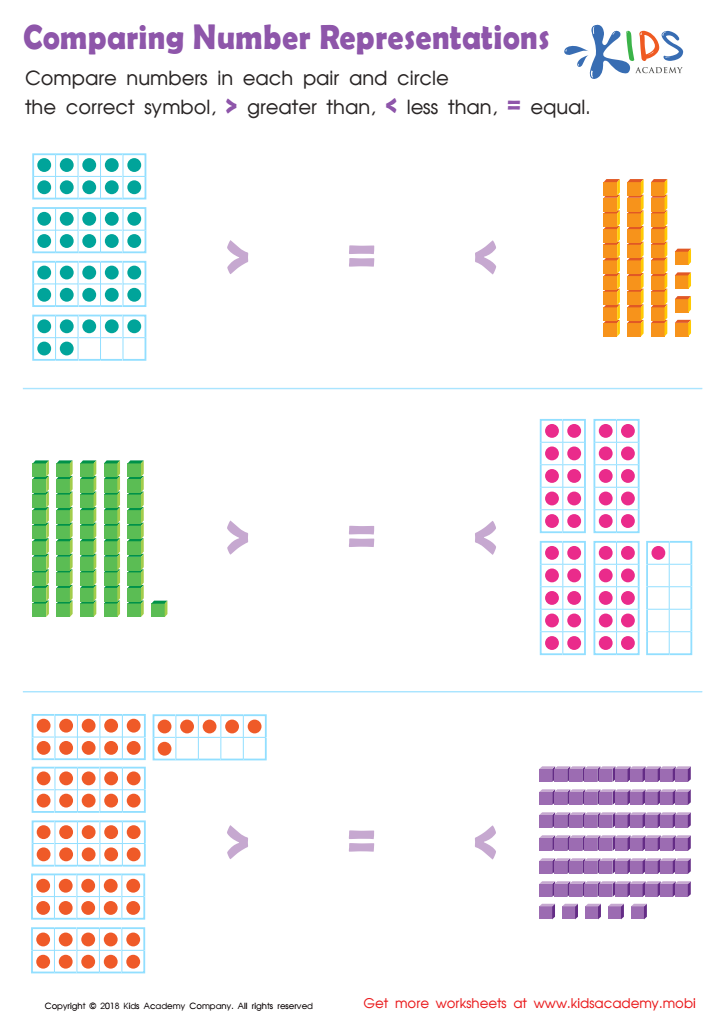
Comparing Number Representations Worksheet
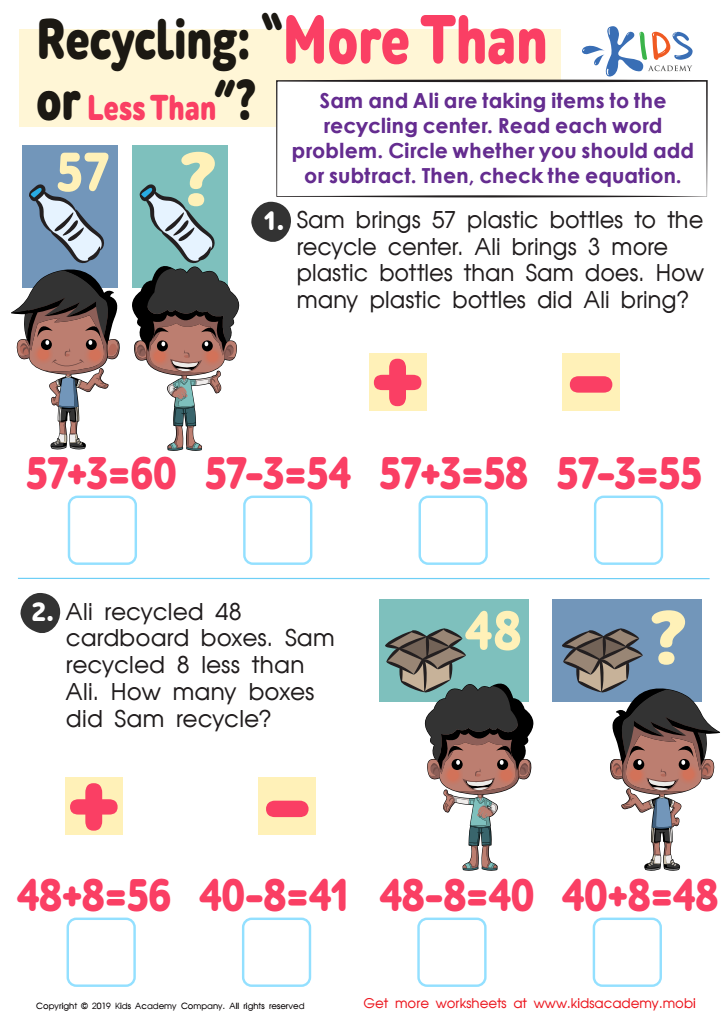
Recycling - More or Less Worksheet








Parents and teachers should prioritize comparing quantities and numbers for children aged 3-6 because it lays the foundation for essential mathematical understanding and problem-solving skills. At this formative stage, children begin to develop their number sense, the intuitive feel for quantities, and their relationships. Engaging in activities that involve comparing quantities supports cognitive development by fostering critical thinking and analytical skills.
When children compare objects by size, length, weight, or number, they start to grasp concepts such as more, less, larger, smaller, and equal. This early exposure helps children understand the relative nature of numbers and quantities, promoting an intuitive sense of order and magnitude. Additionally, comparative exercises can enhance language development as children learn descriptive terminology and verbally express their mathematical reasoning.
Mastery of these basic concepts is vital as it forms the building blocks for more complex arithmetic and mathematical principles taught later in school. Furthermore, success in early math and the genuine enjoyment of these activities boosts children’s confidence and encourages a positive attitude toward learning overall. Therefore, by focusing on these comparisons, parents and teachers help children build a strong mathematical foundation that will support their academic journey and everyday logical thinking skills.








