Improving counting skills Comparing Numbers Worksheets for Ages 3-6
3 filtered results
-
From - To
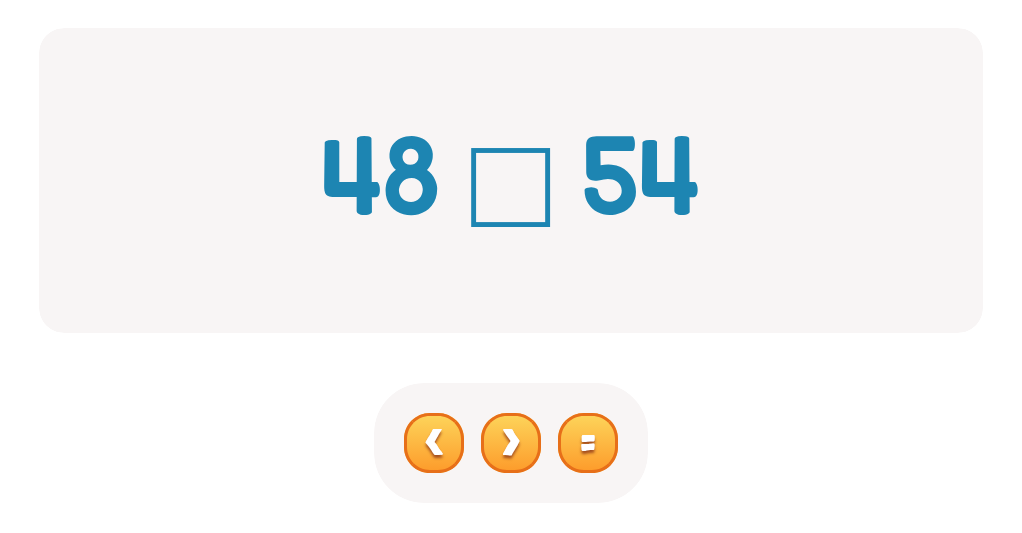
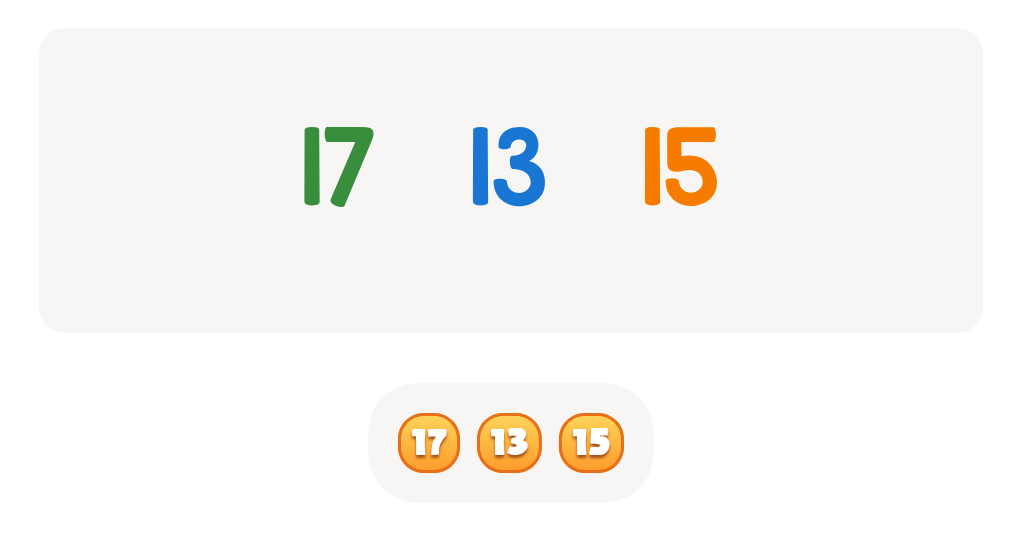
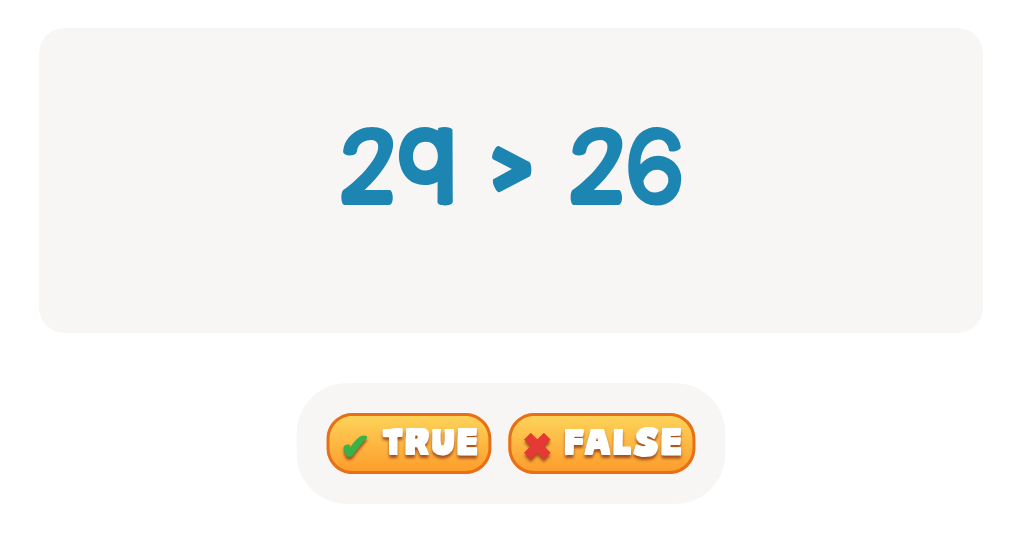
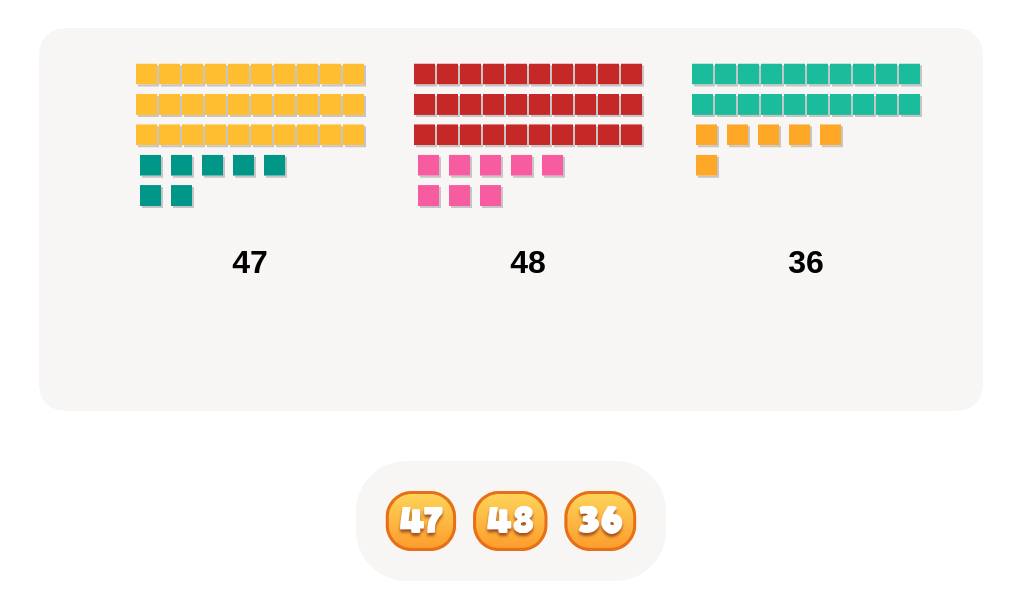
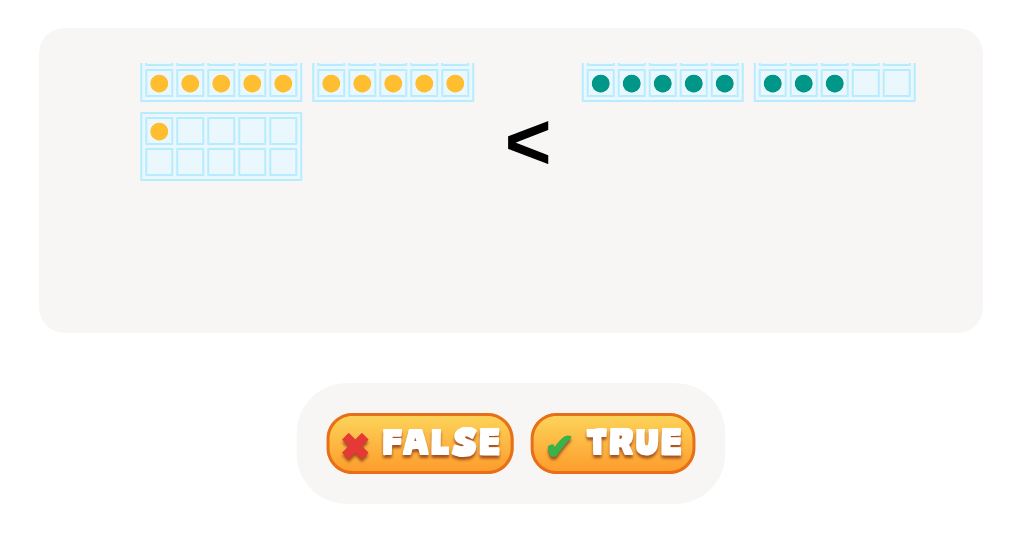
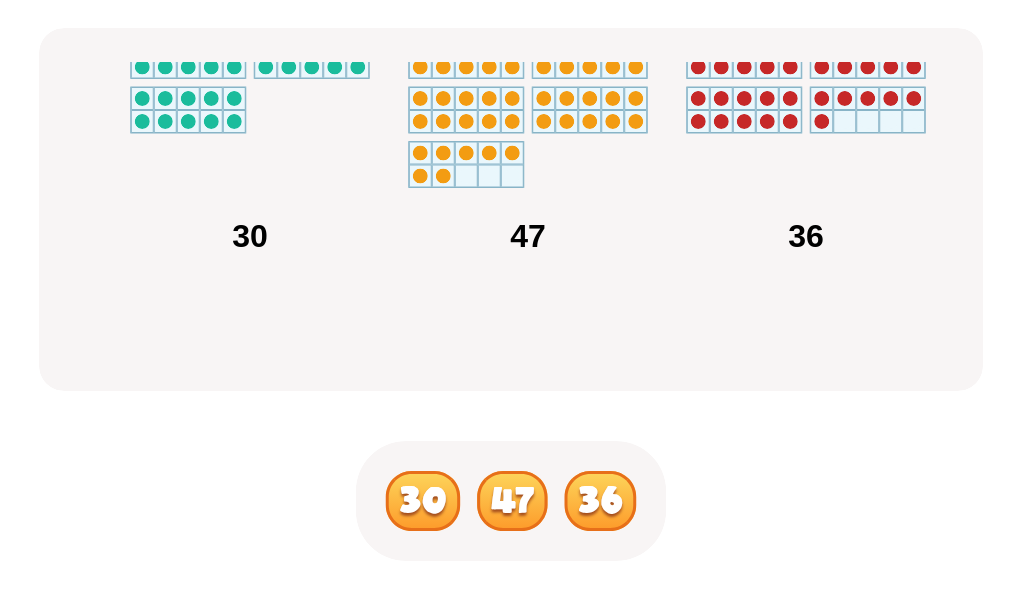
Boost your child's numerical confidence with our "Comparing Numbers Worksheets for Ages 3-6." Designed to enhance counting skills, these printable activities help young learners distinguish between greater and lesser values through interactive exercises. Each worksheet combines colorful visuals with engaging tasks, promoting a fun learning environment. Perfect for preschool and kindergarten students, our worksheets support core math skills development, ensuring a solid foundation in number comparison. Aligning with educational standards, these resources are ideal for parents and educators seeking to enrich their math curriculum. Brighten your child’s mathematical journey today with our expertly crafted worksheets.
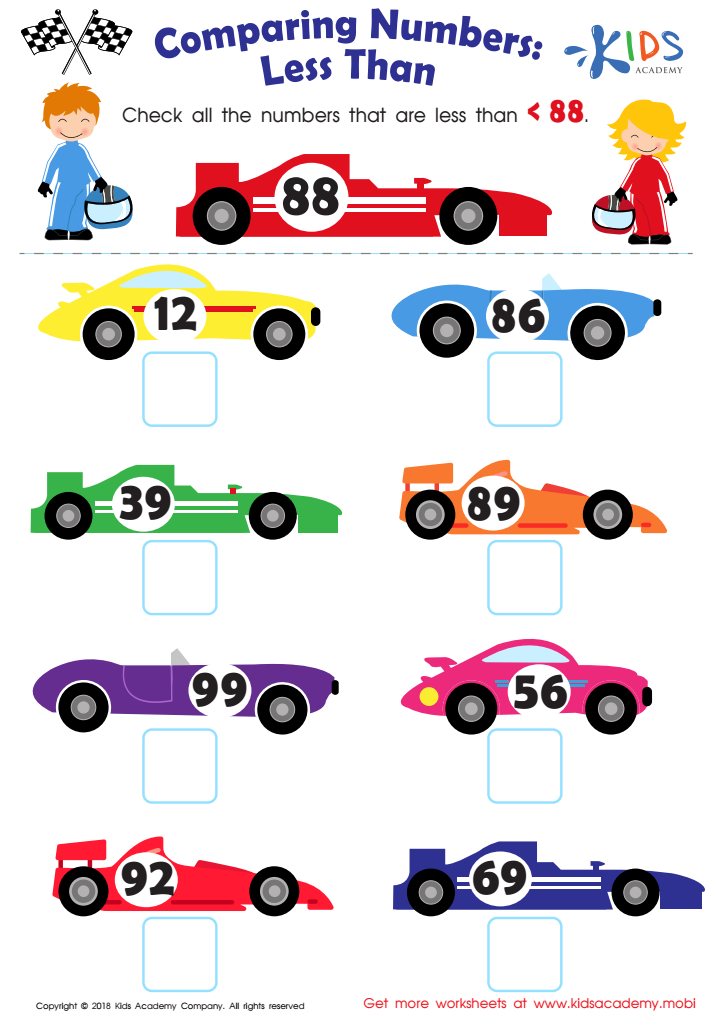
Less Than Worksheet
 Assign to My Students
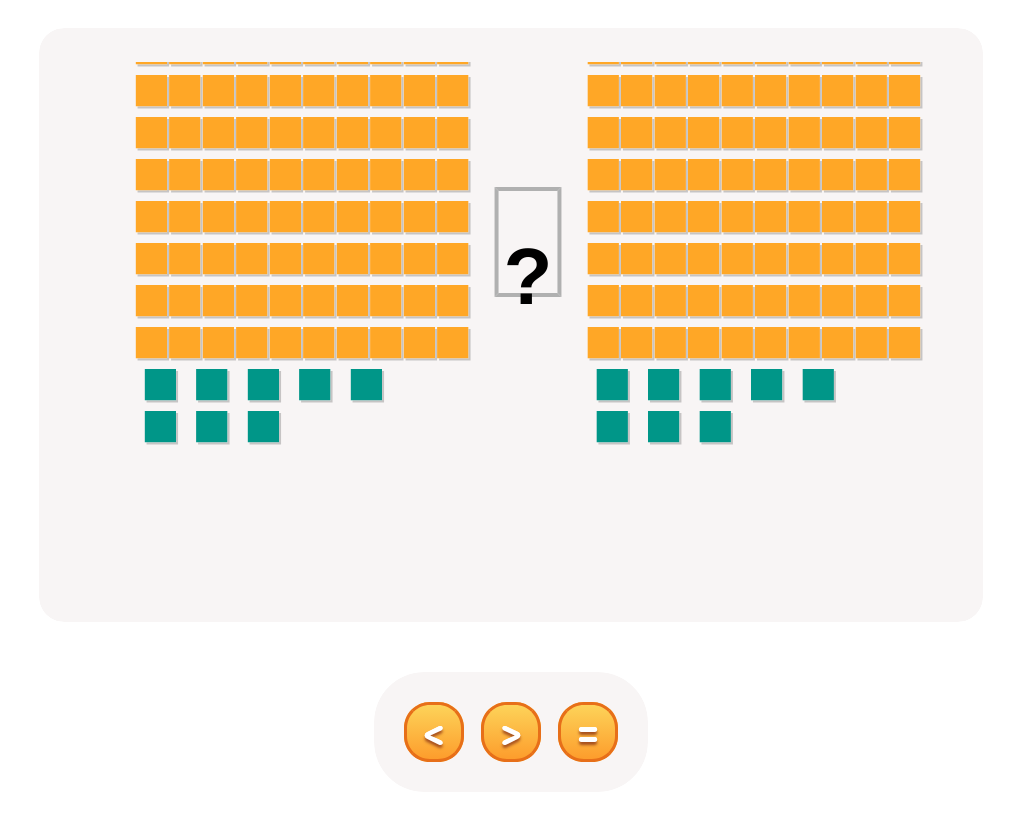

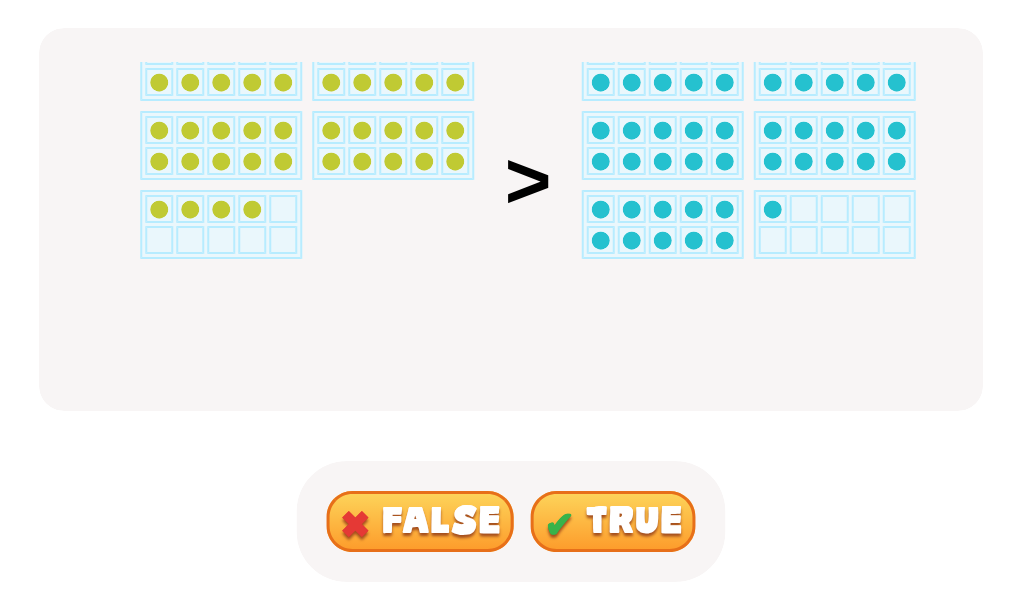
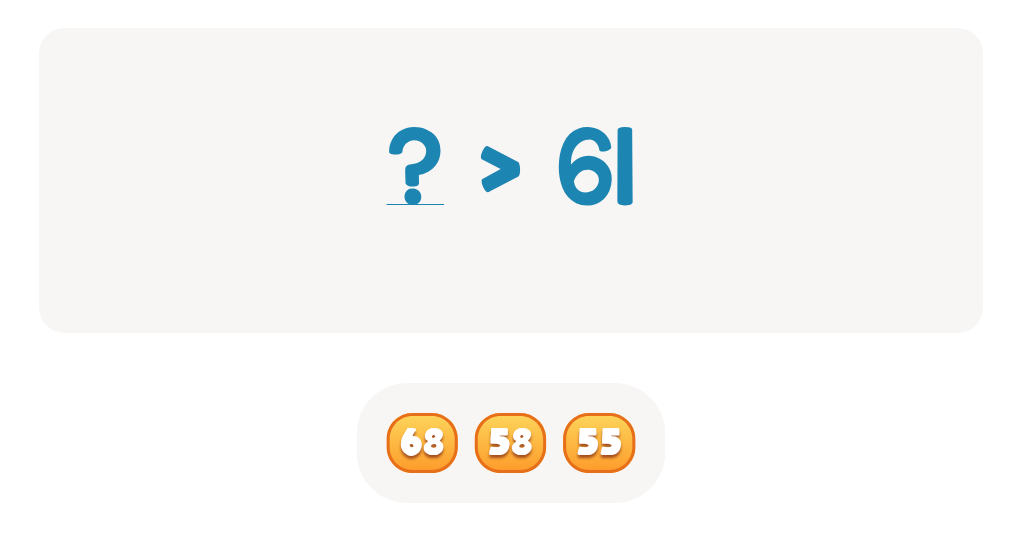
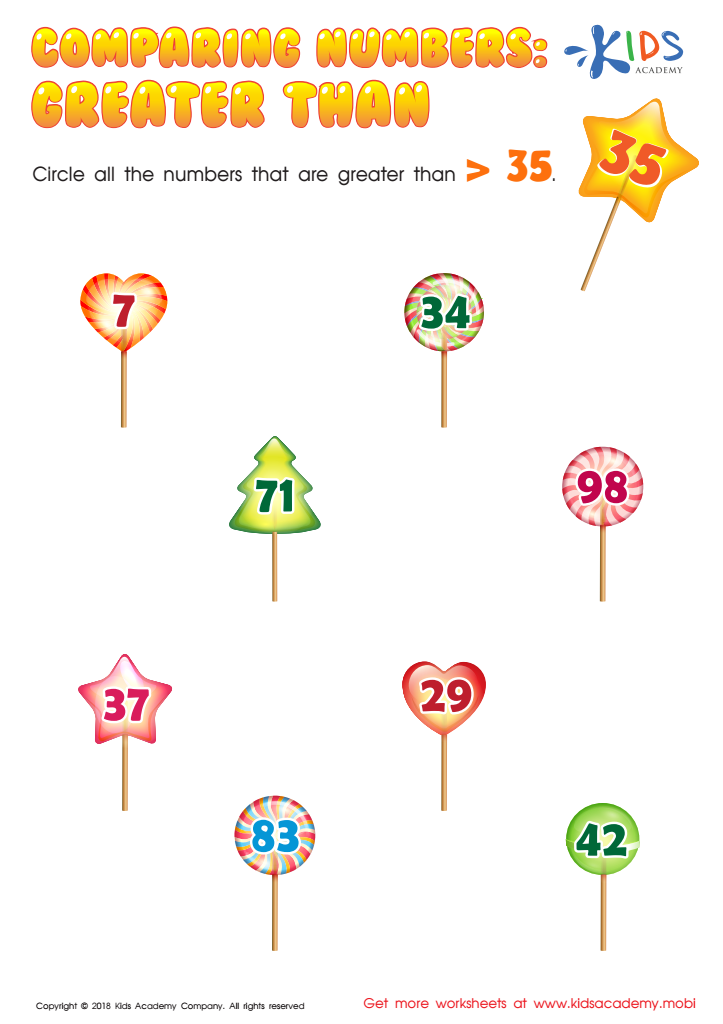
Greater Than Worksheet
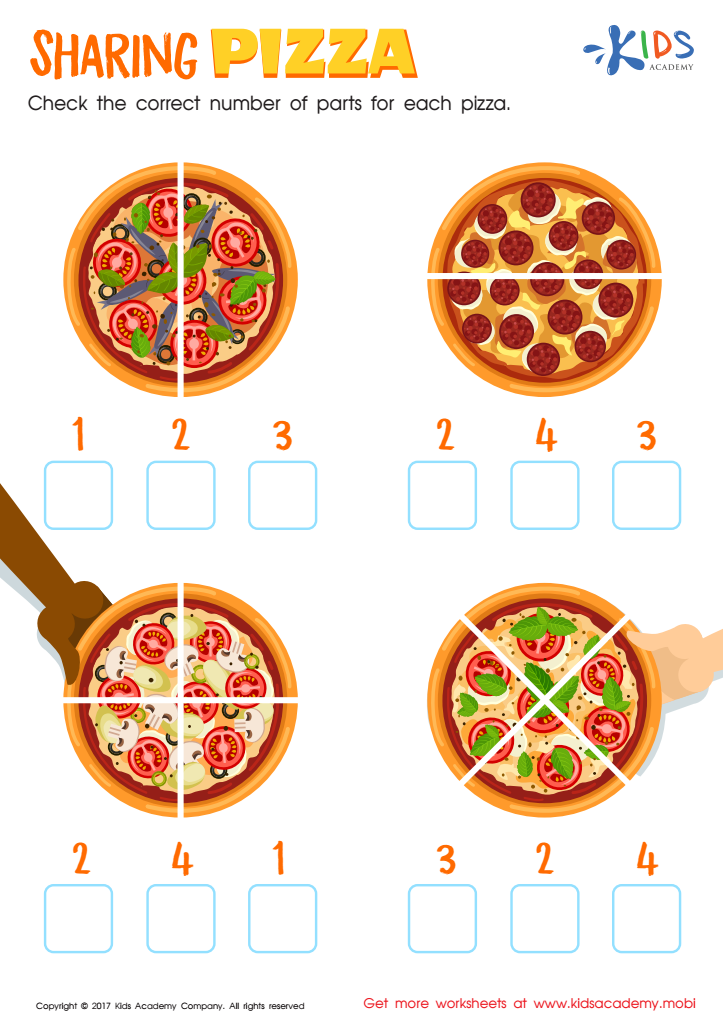
Sharing Pizza Worksheet








Improving counting skills and the ability to compare numbers in young children, ages 3-6, is crucial for their overall cognitive development and future academic success. At this formative stage, children are developing foundational mathematical understandings that are essential for more advanced concepts they will encounter in later years. Counting helps children grasp the concept of numerical order and introduces them to the ideas of quantity and value. This, in turn, fosters logical thinking and problem-solving abilities, which are integral not just in math but across all subject areas.
Being able to compare numbers helps children comprehend differences in quantity, allowing them to make sense of the world around them. For instance, understanding that 5 apples are more than 3 apples can influence their nutritional choices or their sharing habits. These skills are vital for real-world applications, as everyday activities like shopping, cooking, and even play often require a basic understanding of numbers.
Moreover, developing strong numerical skills early on can boost a child's confidence in their abilities, leading to a positive attitude towards learning in general. Children's early experiences with numbers can set the tone for their entire educational journey, laying a solid foundation for more complex mathematical concepts and academic achievements in their future education.








