Analytical thinking Math Worksheets for Ages 3-6
5 filtered results
-
From - To
Discover our engaging Analytical Thinking Math Worksheets designed specifically for children aged 3-6! These worksheets promote cognitive skills through fun and interactive activities, helping young learners develop critical problem-solving abilities. Each worksheet encourages kids to analyze patterns, sequence numbers, and sort shapes, laying a strong foundation for future math success. With colorful illustrations and age-appropriate challenges, these resources make learning enjoyable and effective. Perfect for at-home practice or classroom use, our worksheets provide a seamless way to enhance analytical thinking in early childhood education. Equip your child with essential skills while they explore the exciting world of math in a playful way!

The 5 Sense Scientist Worksheet
 Assign to My Students
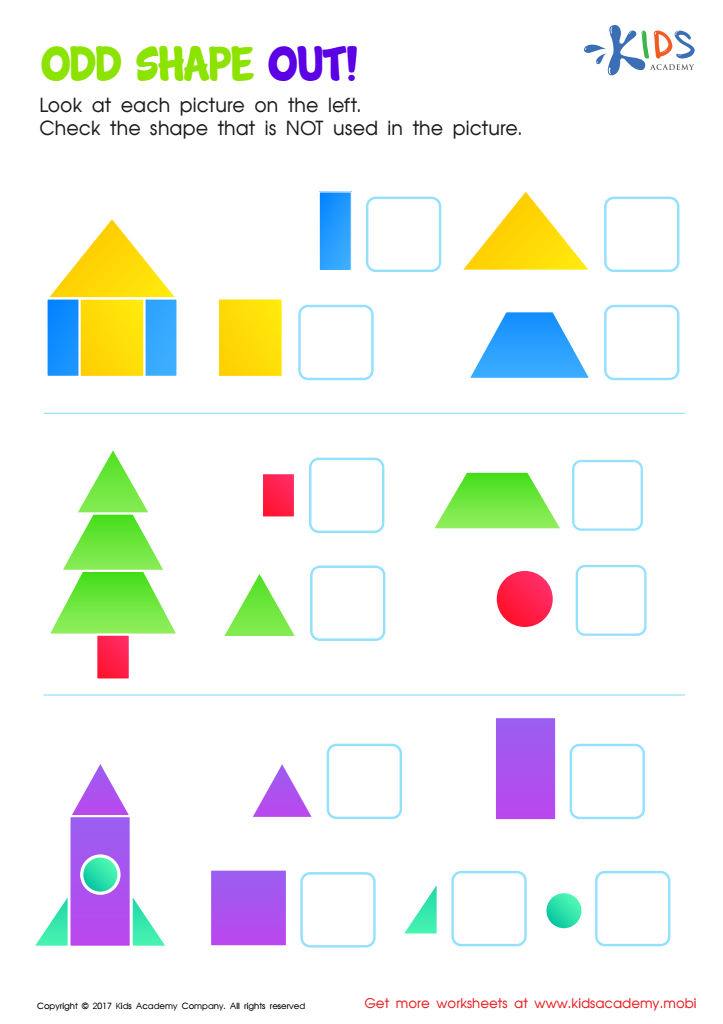
Odd Shape Out Worksheet for Grade 1
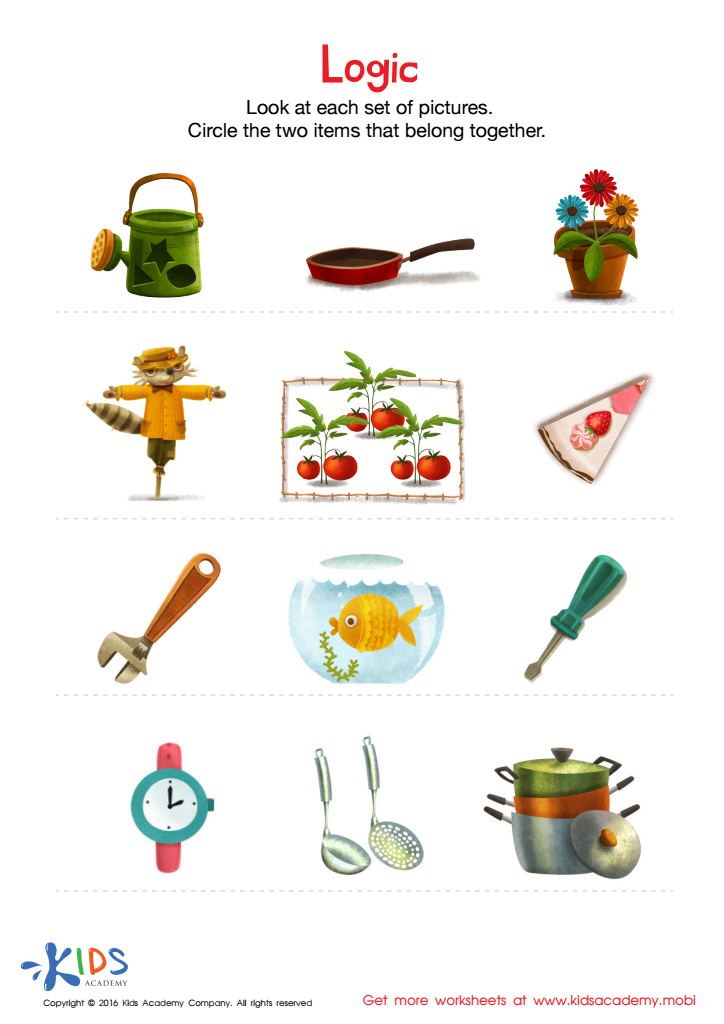
Logic Game Sorting Worksheet
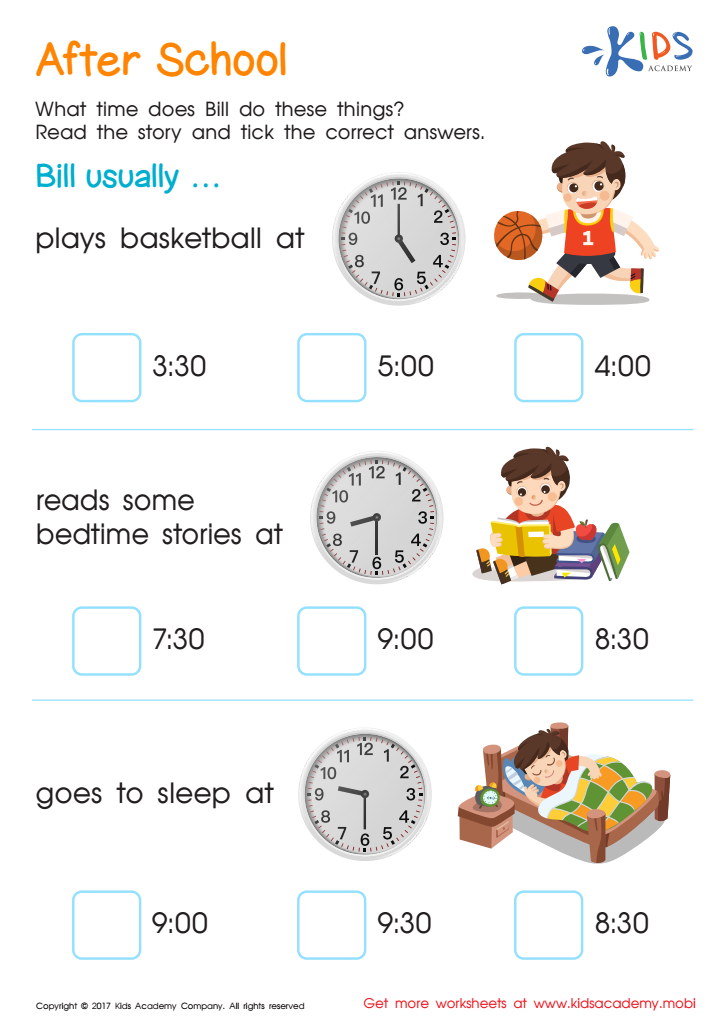
After School Time Printable
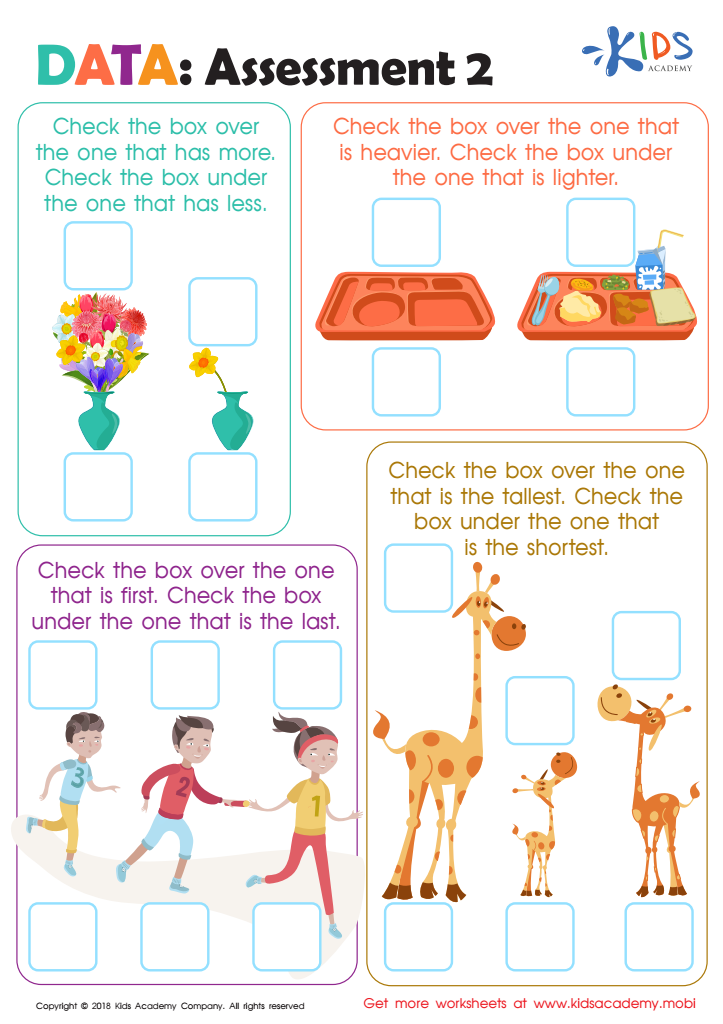
Data: Assessment 2 Worksheet







Analytical thinking in mathematics is crucial for children aged 3-6 as it lays the foundation for their future learning and problem-solving skills. During these formative years, children's brains are rapidly developing, making it the perfect time to introduce concepts that enhance critical thinking. Engaging in analytical math activities, such as puzzles and pattern recognition, helps to sharpen their ability to reason, make connections, and think systematically.
Parents and teachers should care because these skills are not only fundamental in math but also transcend into other subjects and real-life situations. Early exposure to analytical thinking promotes confidence and encourages persistence when faced with challenges. Children learn to approach problems methodically, breaking them down into manageable parts, which is an essential skill for academic success and everyday decision-making.
Moreover, fostering a strong mathematical mindset from an early age can combat math anxiety in later years. Using playful and interactive methods to teach math concepts reinforces learning and keeps children engaged while nurturing a love for learning. Ultimately, investing in analytical math skills equips young learners with the tools they need to navigate an increasingly complex world, validating the need for parents and teachers to prioritize these experiences in early childhood education.








