Basic math practice Math Worksheets for Ages 3-6
6 filtered results
-
From - To
Discover our engaging Basic Math Practice Worksheets designed for children aged 3-6! These worksheets provide a fun and interactive way for young learners to develop essential math skills. Featuring a variety of activities such as counting, number recognition, simple addition and subtraction, our resources cater to early childhood education needs. Designed with colorful illustrations and age-appropriate challenges, these worksheets encourage comprehension and build a solid foundation for future math learning. Perfect for both classroom and home use, our printable worksheets support playful learning while helping children gain confidence in their math abilities. Start your child's math journey today!
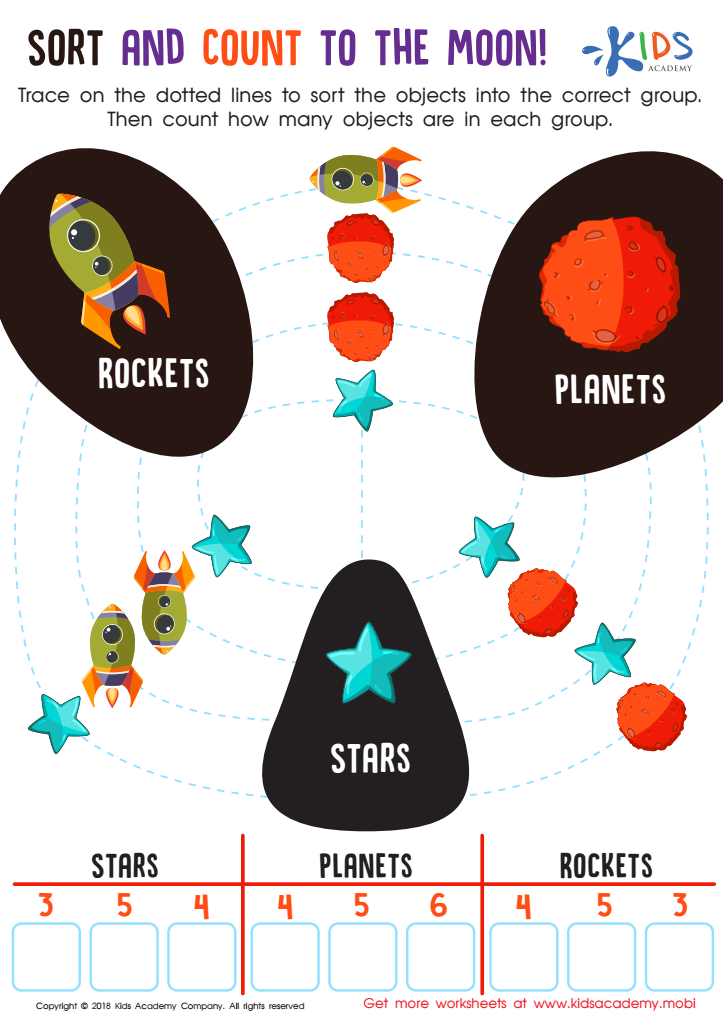
Sort and Count to the Moon Worksheet
 Assign to My Students
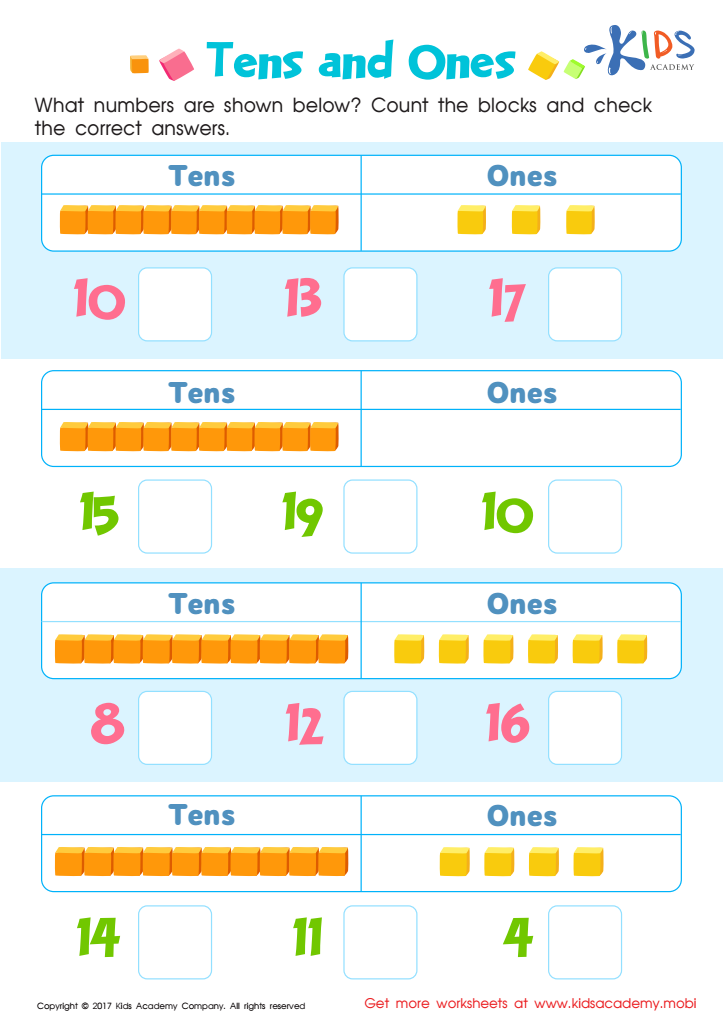
Tens and Ones Worksheet
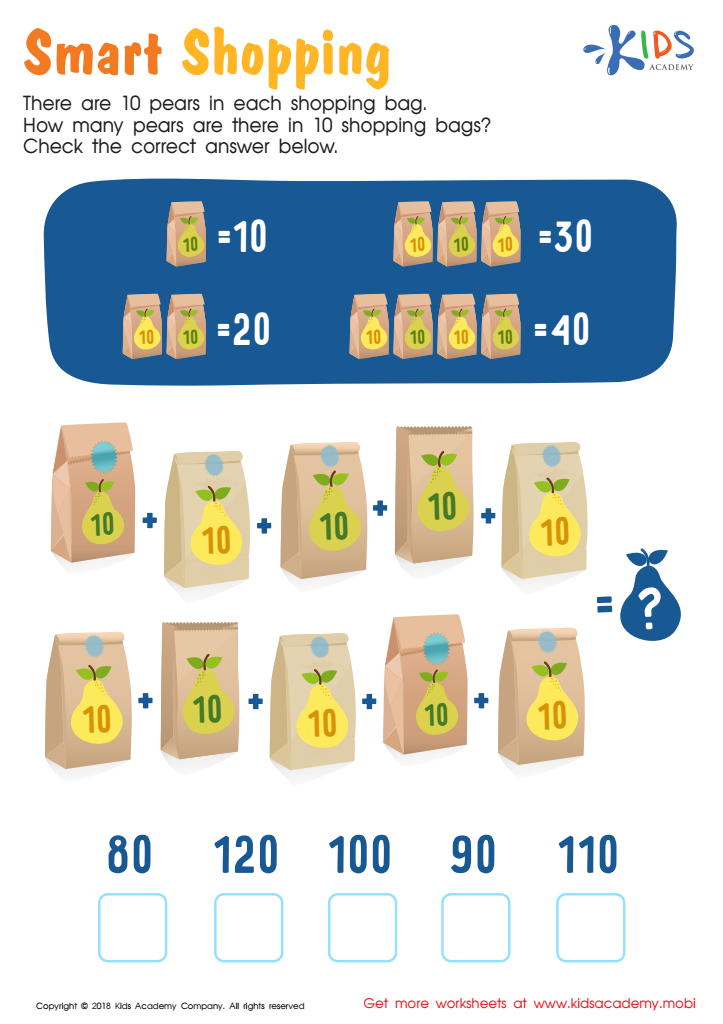
Smart Shopping: Trade Tens for a Hundred Worksheet
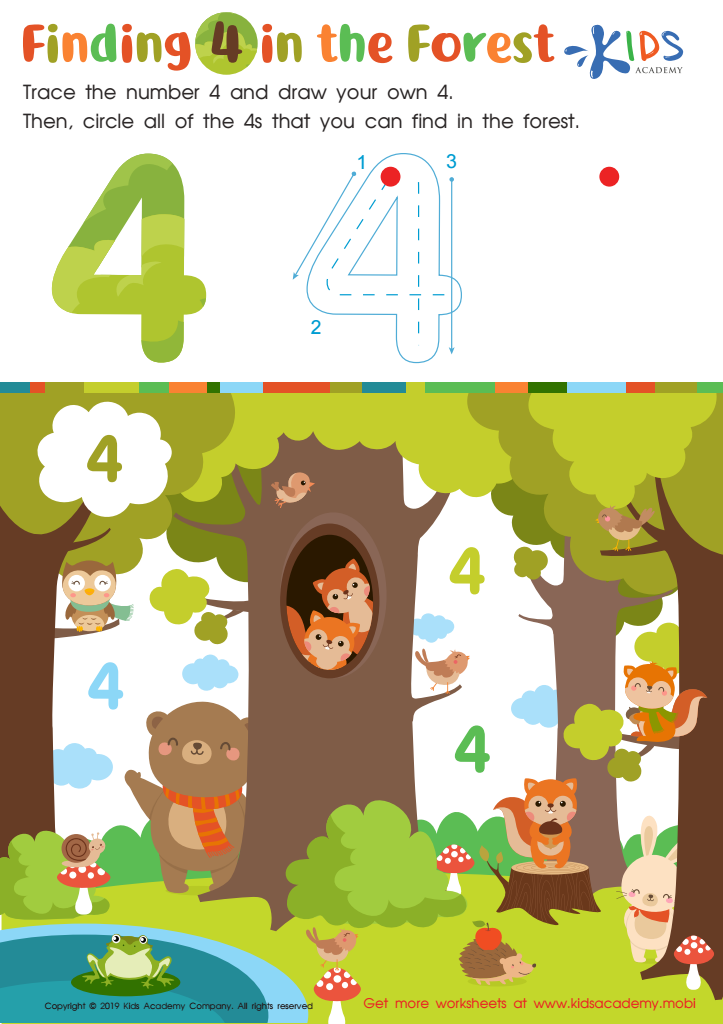
Finding 4 in the Forest Worksheet
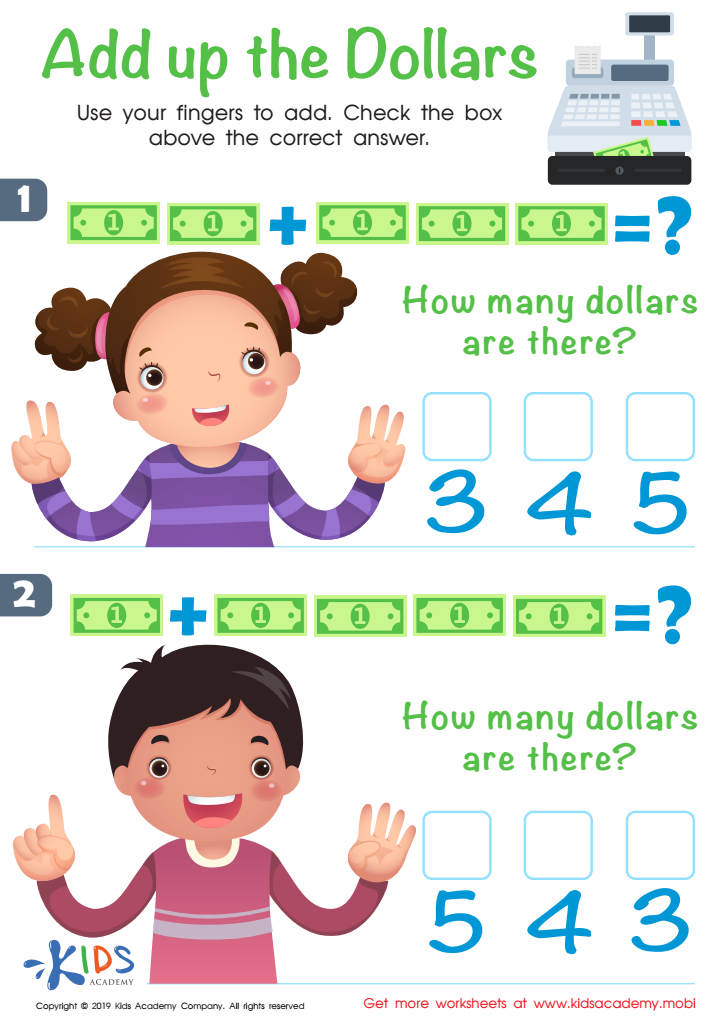
Add up the Dollars Worksheet








Basic math practice for children ages 3-6 is crucial for their cognitive development and future academic success. At this age, children are naturally curious and eager to learn, making it an ideal time for them to acquire foundational math skills. Engaging in basic math activities promotes critical thinking, problem-solving, and logical reasoning.
Moreover, early math skills are strongly linked to later academic performance. Research shows that children who have a solid understanding of basic math concepts are more likely to excel in school and beyond. Parents and teachers should care because early math experiences can help shape a child’s attitude towards learning. Positive early encounters with math can foster a lifelong love for the subject, while negative experiences may lead to math anxiety.
Additionally, basic math practice enhances fine motor skills and language development through hands-on activities and discussions about numbers, patterns, and shapes. Activities like counting objects, sorting, and simple addition not only make learning fun but also integrate math into everyday life. By incorporating math into play and daily routines, caregivers can nurture confident, capable learners who appreciate the value of math throughout their lives. Thus, attention to early math practice is an investment in a child’s future success.








