
Comparative analysis Math Worksheets for Ages 3-6
3 filtered results
Difficulty Level
Grade
Age
-
From - To
Subject
Activity
Standards
Discover comprehensive and engaging Comparative Analysis Math Worksheets for children aged 3-6 at Kids Academy! These expertly designed worksheets foster critical thinking and enhance essential math skills through practical exercises focused on comparing numbers, quantities, and sizes. With vibrant visuals and fun activities, young learners enjoy a seamless educational experience that promotes logical reasoning while stimulating curiosity. Designed by educational experts, these worksheets are perfect for parents and teachers seeking to provide high-quality, age-appropriate math practice. Visit Kids Academy to explore our full collection and lay the foundation for a lifetime of math success.
Favorites
With answer key
Interactive
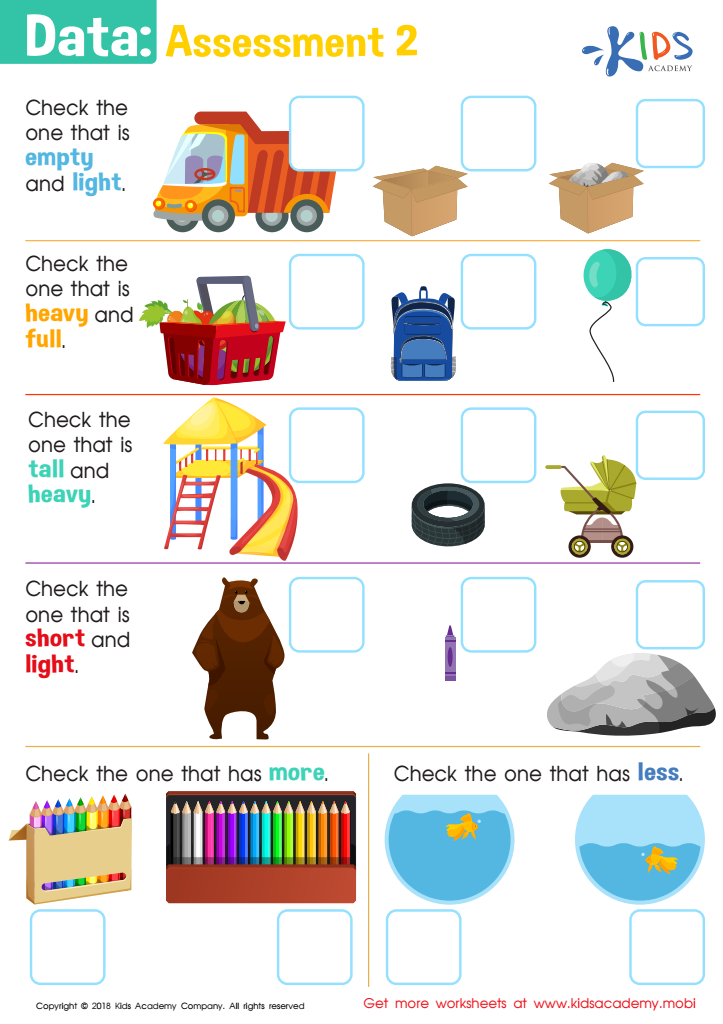
Data: Assessment 2 Worksheet
This PDF helps you assess your students' understanding of concepts like empty/light, full/heavy, tall/short, and more/less. With this worksheet, students use pictures to answer questions and check off the appropriate box. It's a fast, easy way to determine what concepts they have learned and which need more work.
 Assign to My Students
Data: Assessment 2 Worksheet
Worksheet
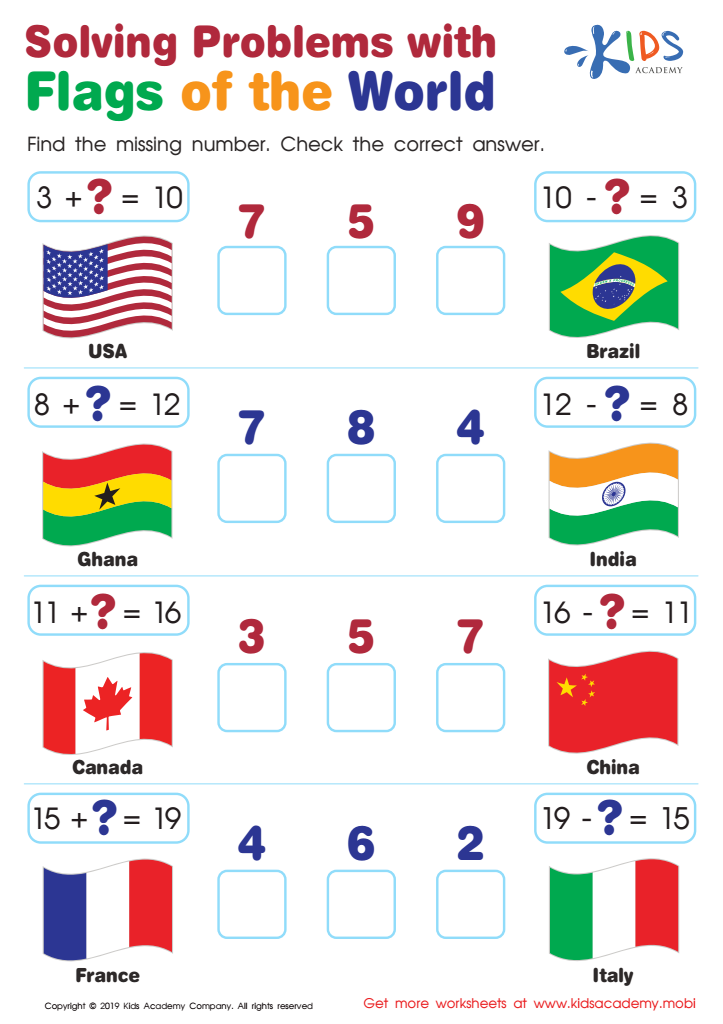
Solving Problems with Flags of the World Worksheet
Name some countries you know with your kids, then introduce their flags with this worksheet. Help them find the missing number in each addition problem, and then check the answer. It's a fun way to learn about different countries near and far.
Solving Problems with Flags of the World Worksheet
Worksheet
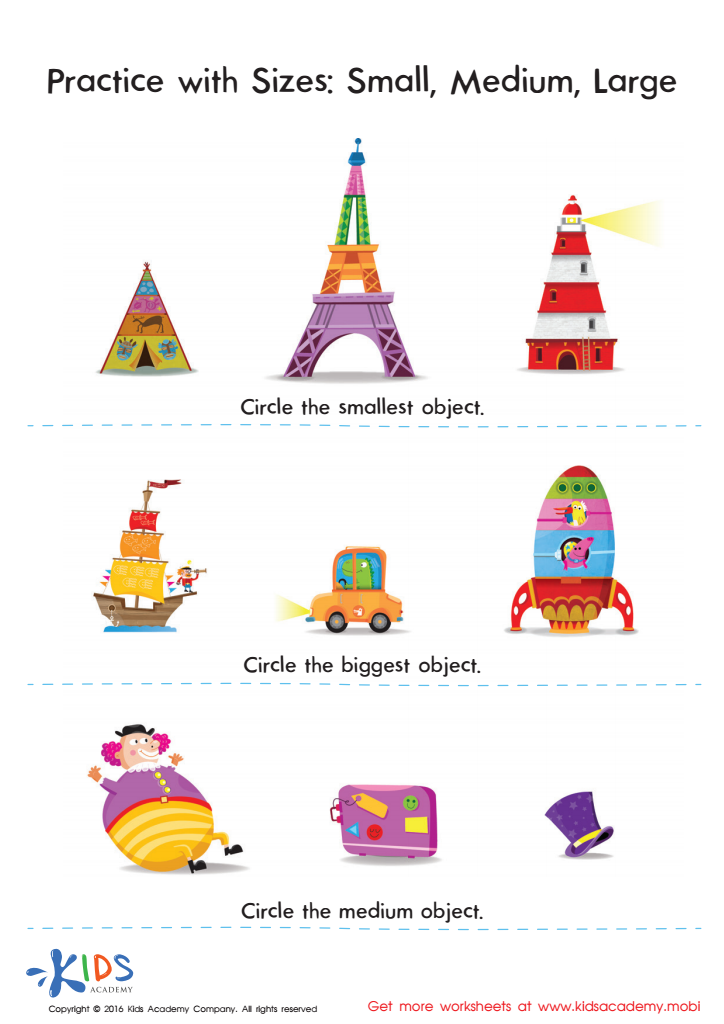
Join Kids Academy for Free
Who is primarily going to use this learning content?


.jpg)
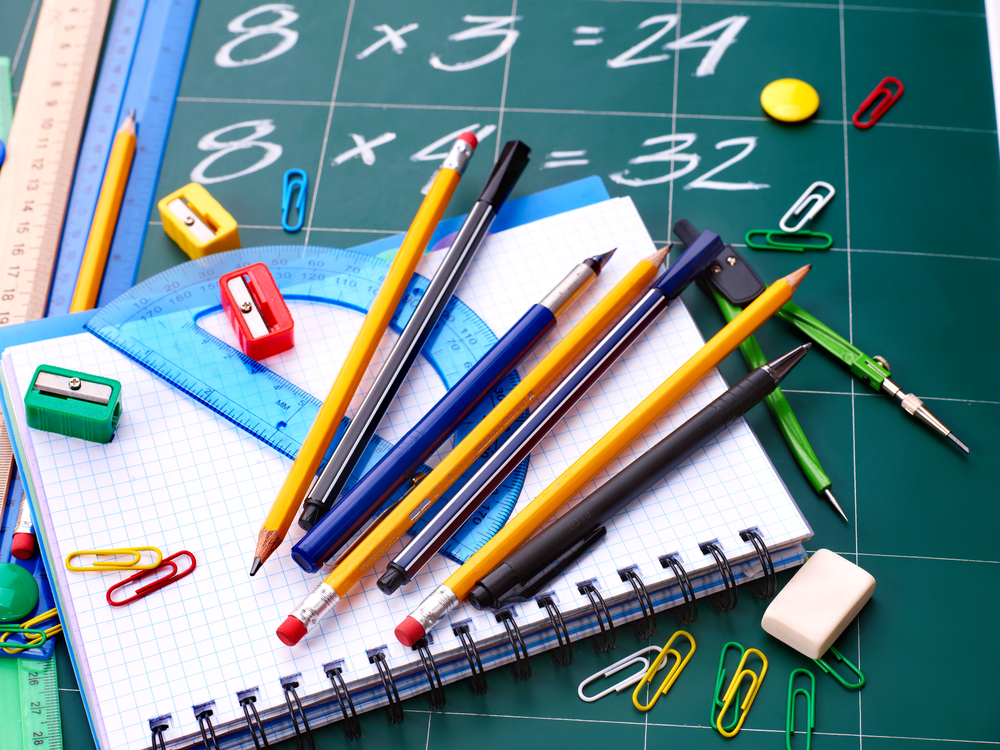




Comparative analysis in math for children aged 3-6 is a crucial developmental tool that parents and teachers should prioritize. At this early stage, children are developing foundational cognitive and problem-solving skills, and introducing concepts of comparison acts as a building block for higher-level math.
Firstly, comparative analysis helps young children understand relationships between objects, such as size, quantity, and position. When children compare lengths ("Is this stick longer or shorter?"), weights, or quantities ("Who has more apples?"), they learn to observe and quantify differences.
Secondly, these activities boost critical thinking and decision-making skills. When asked to compare objects or quantities, children have to process information, draw conclusions, and express their reasoning. This fosters analytical thinking that is beneficial for all subjects, not just math.
Thirdly, incorporating comparative analysis into early education can boost language development. Using comparative language ('bigger,' 'smaller,' 'heavier,' 'lighter') helps children learn descriptive vocabulary and articulate their thoughts more precisely.
Finally, fostering these skills early lays a solid foundation for more complex mathematical concepts such as measurement, geometry, and number sense. Parents and teachers who emphasize comparative analysis enable children to develop a deeper understanding of math and prepare them for future academic success.








