Handwriting improvement Math Worksheets for Ages 3-6
3 filtered results
-
From - To
Discover our Handwriting Improvement Math Worksheets designed for children ages 3-6. These engaging and educator-approved materials seamlessly blend math practice with handwriting development. Each worksheet aims to enhance motor skills, number recognition, and proper number formation, setting a strong foundation for future learning. Enjoy fun tracing, counting, and simple math exercises that captivate young minds while honing their writing abilities. Ideal for both classroom and home use, our worksheets offer a fun, educational experience that supports early childhood education. Equip your child with the skills needed for academic success and confident, legible handwriting.
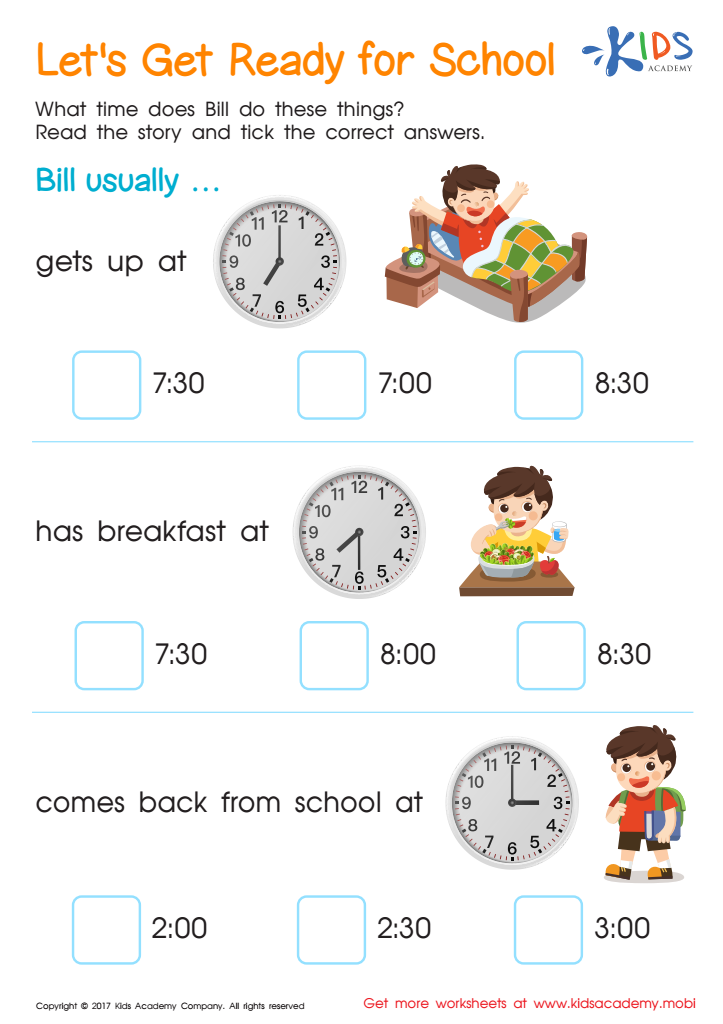
Lets Get Ready For School Time Printable
 Assign to My Students
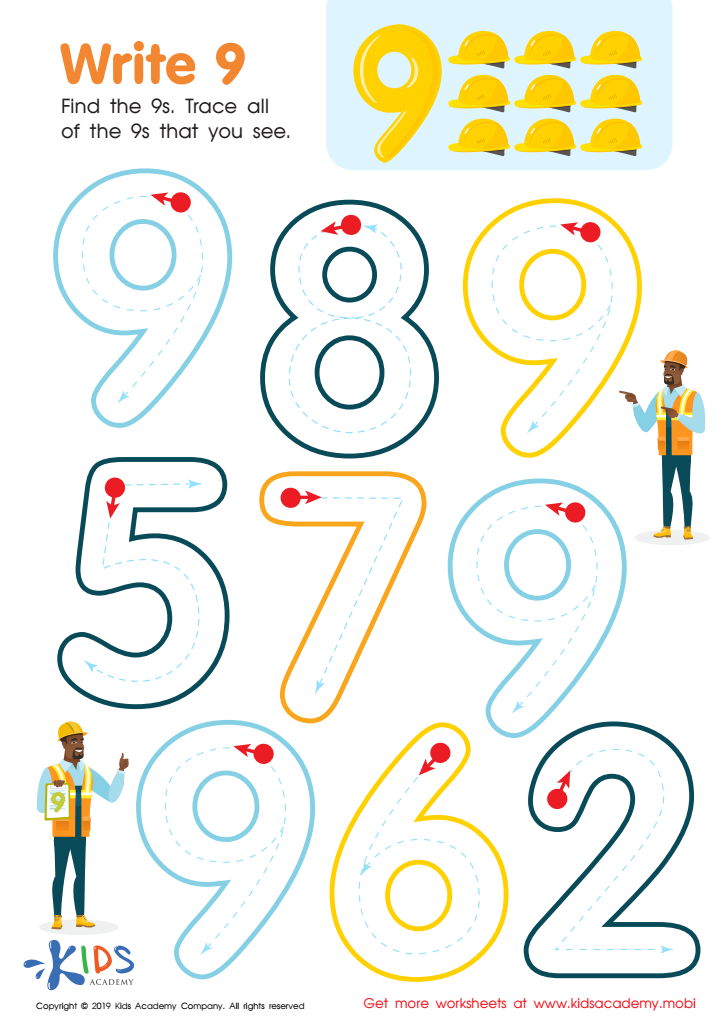
Write 9 Worksheet
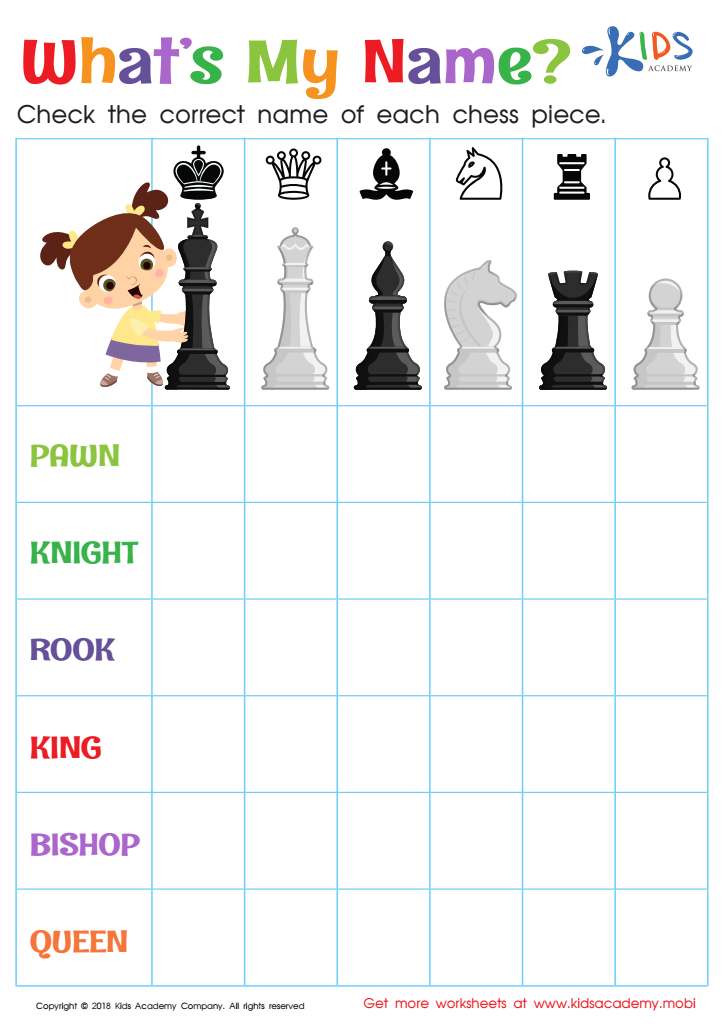
What's My Name? Worksheet







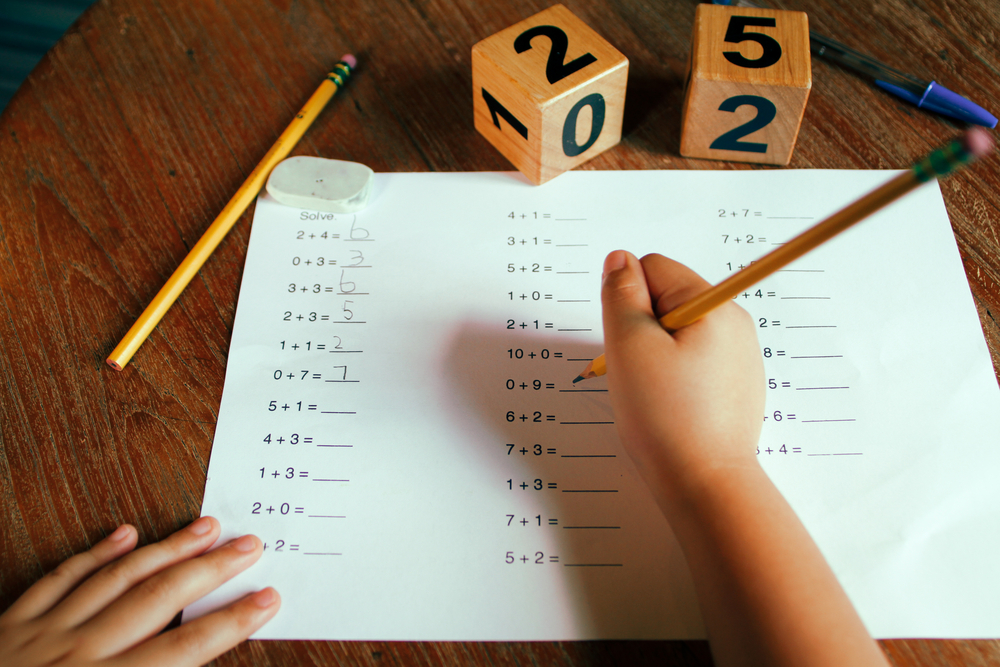
Handwriting improvement in math is essential for children aged 3-6 because it lays the foundation for educational success and cognitive development. At this formative age, fine motor skills are still maturing. Practicing handwriting specifically in the context of math helps strengthen these skills, facilitating better control over writing instruments, which is crucial for legible and efficient handwriting.
Math and handwriting are interconnected in multiple ways. Writing numbers clearly and correctly is essential for understanding mathematical concepts and avoiding errors. Poor handwriting can make it difficult to distinguish between digits and symbols, leading to confusion and frustration, which may hamper a child's enthusiasm for learning.
Improving handwriting in math contexts also enhances a child's focus and attention to detail. When children practice writing numbers, they simultaneously work on spatial awareness, sequencing, and memory—all key ingredients for later academic success. Structured handwriting practice can foster patience and discipline, aiding in emotional and behavioral development.
Moreover, legible handwriting boosts self-confidence. Children receive positive reinforcement from teachers and parents, fostering a sense of accomplishment. Encouraging good handwriting practices early in life sets the stage for clear communication and academic achievement. Therefore, investing time in handwriting improvement in math for young children yields lasting educational benefits.








