Handwriting Skills Math Worksheets for Ages 3-6
6 filtered results
-
From - To
Enhance your child’s math journey with our Handwriting Skills Math Worksheets designed for children aged 3-6. These engaging and educational worksheets seamlessly combine basic math concepts with handwriting practice, ensuring young learners develop crucial fine motor skills alongside their numeracy. Our thoughtfully crafted materials cover counting, tracing numbers, and simple arithmetic, making learning fun and effective. Perfect for preschool and kindergarten, these worksheets offer a solid foundation in both writing and math, preparing kids for future academic success. Explore our collection today and give your child a head start in their educational adventure with Kids Academy.
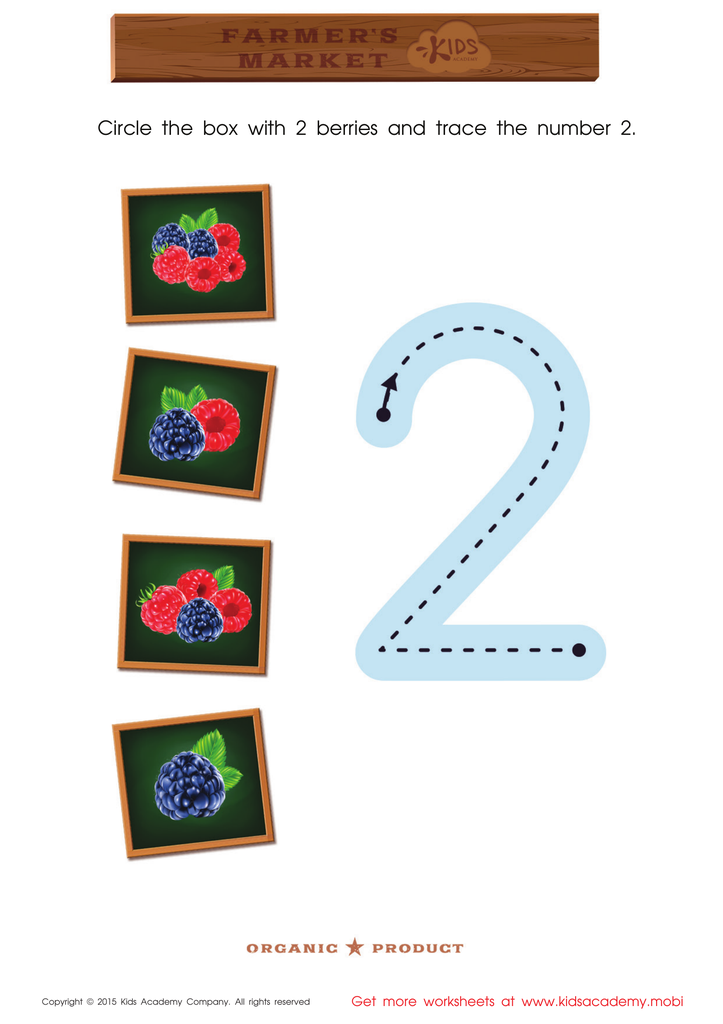
Count the Berries and Trace the Number 2 Printable
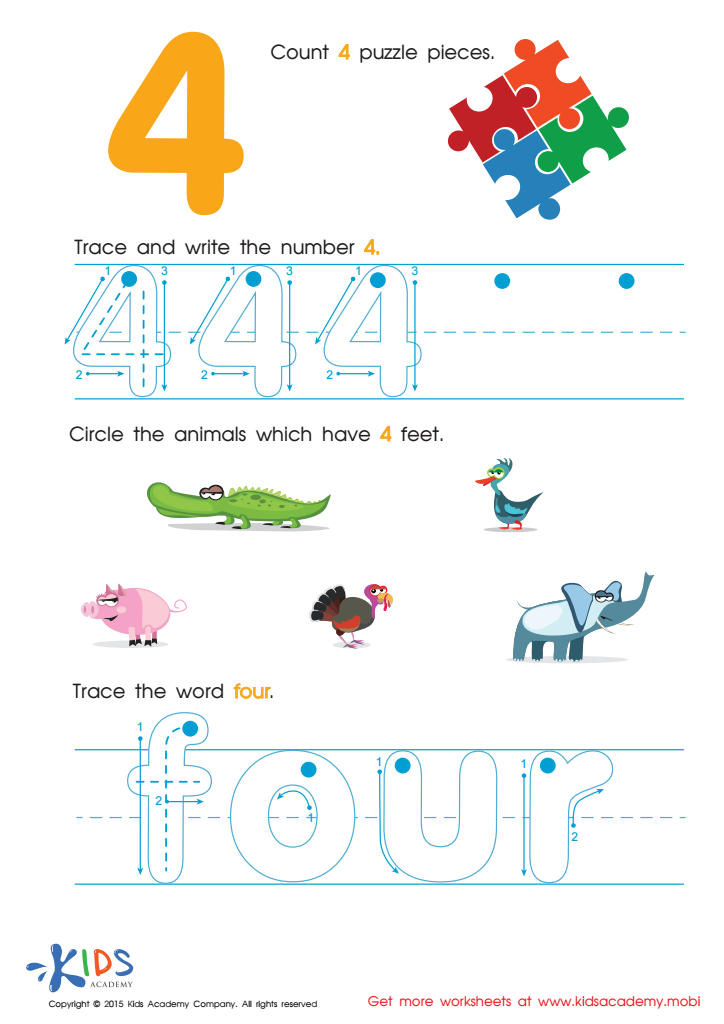
Teaching Children to Write Number 4 Worksheet
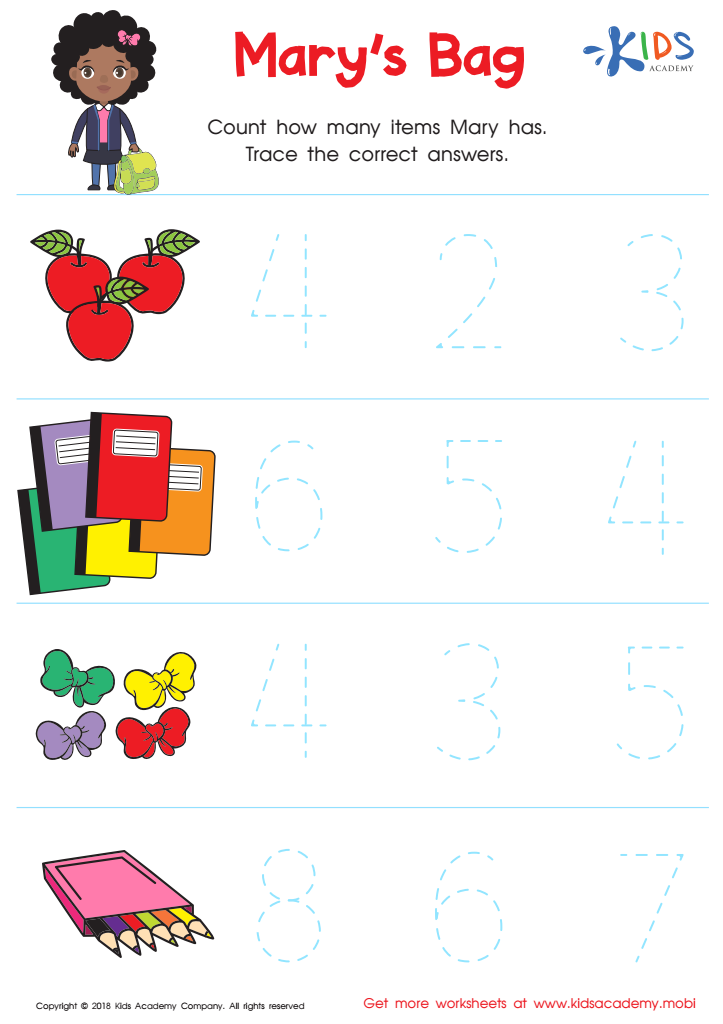
Kindergarten Number Tracing: Mary's Bag Worksheet
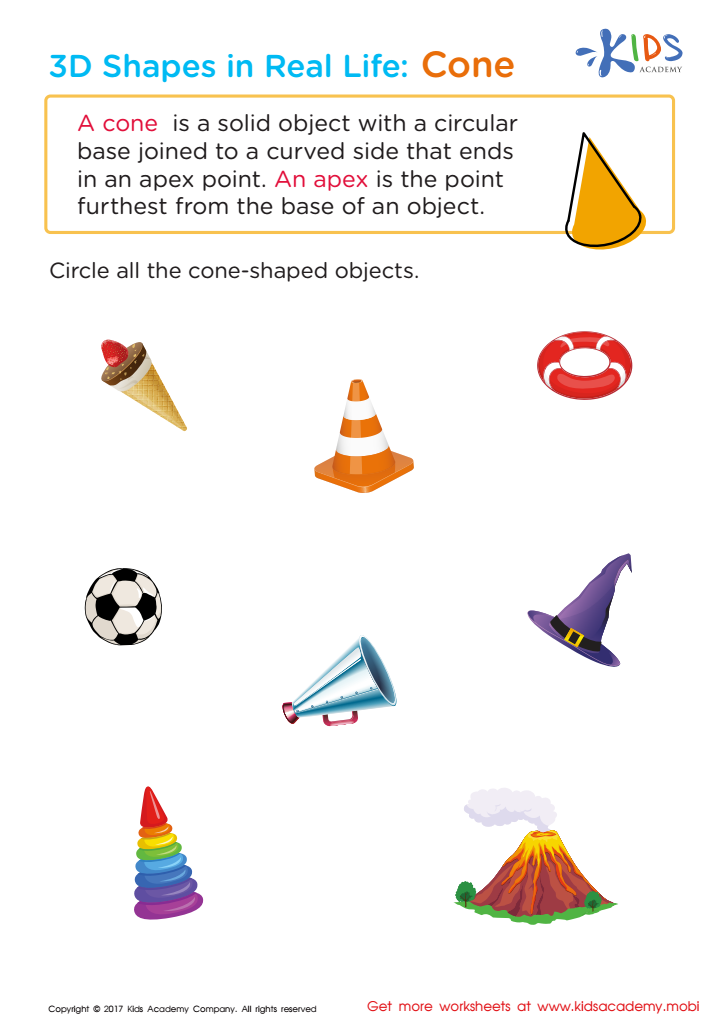
Shapes in Real Life: Cone Worksheet
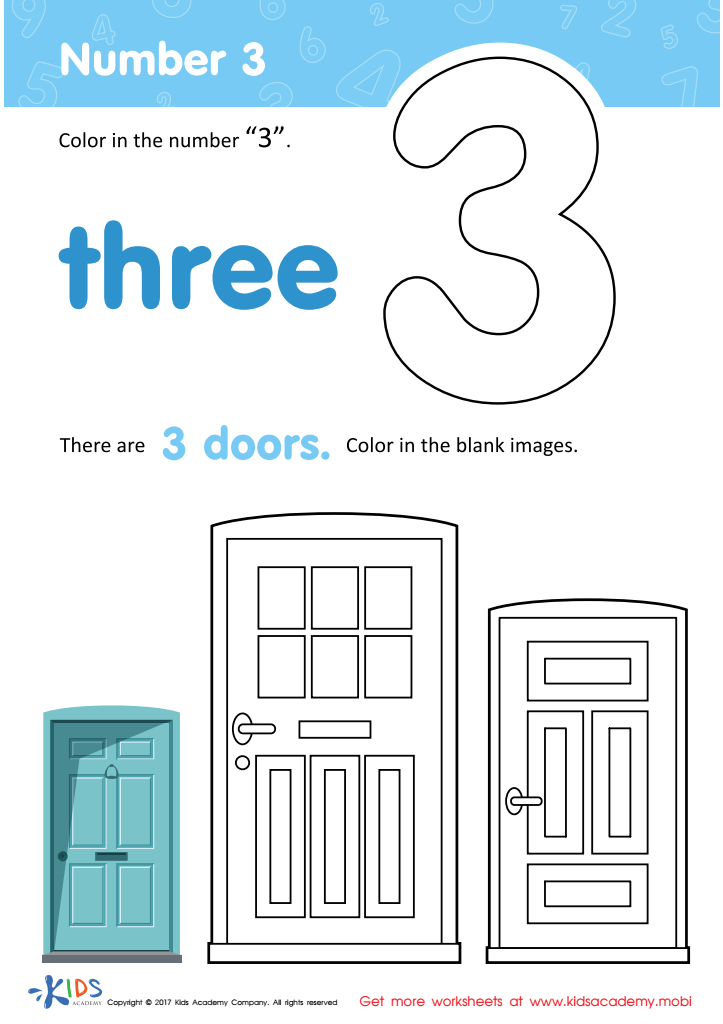
Number 3 Worksheet
 Assign to My Students
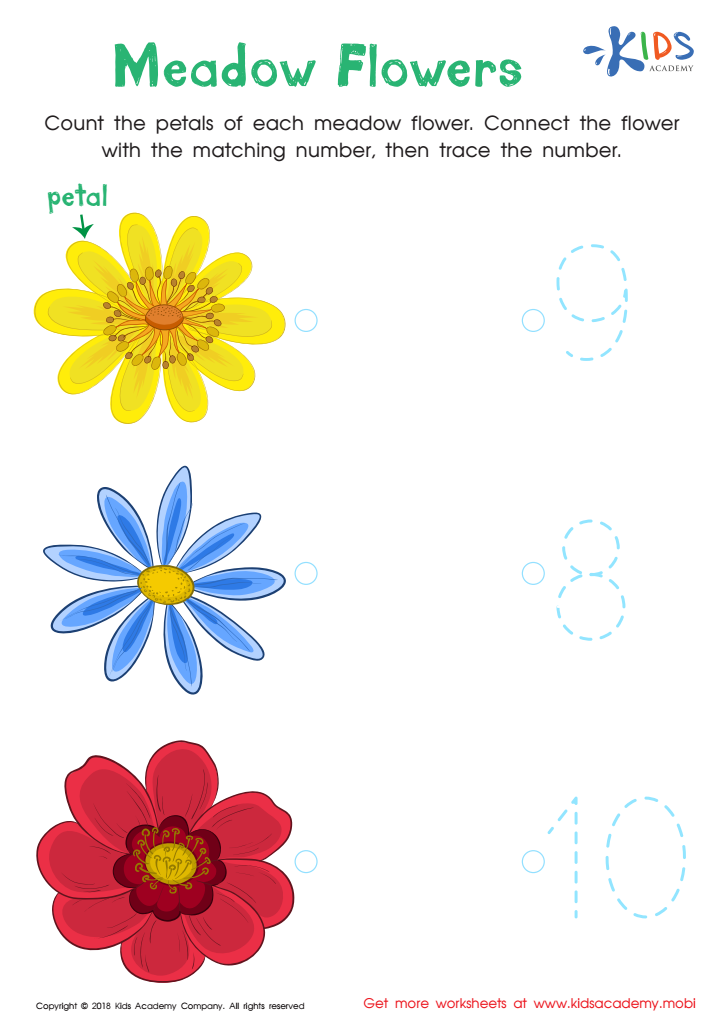
Kindergarten Number Tracing: Medow Flowers Worksheet








Handwriting skills and math proficiency are foundational components in a child's early education journey, particularly for ages 3-6. Parents and teachers have a vital role in nurturing these skills to ensure holistic development.
Handwriting is essential because it aids in fine motor skills development, which are crucial for tasks requiring precision and coordination. By practicing handwriting, children learn proper pencil grip, hand-eye coordination, and muscle memory. These skills extend beyond writing; they contribute to a child’s ability to perform daily activities effectively, like buttoning a shirt or using utensils.
Mathematics, on the other hand, builds cognitive abilities such as logical thinking, pattern recognition, and problem-solving. Early math skills, like counting, recognizing shapes, and basic arithmetic, form the groundwork for more complex concepts taught in higher grades.
Combining handwriting practice with math exercises maximizes developmental benefits. Writing numbers, for example, reinforces number recognition and understanding, while also practicing fine motor skills. These combined activities engage multiple areas of the brain, fostering deeper learning and retention.
In essence, focusing on handwriting skills and math for young children equips them with essential tools for academic success and daily life. By nurturing these skills early, parents and teachers pave the way for enriched cognitive development and educational achievement.








