Nature appreciation Math Worksheets for Ages 3-6
5 filtered results
-
From - To
Discover the enchanting world of Nature Appreciation Math Worksheets tailored for ages 3-6! Inspire your little learners with beautifully designed printables that merge fundamental math skills with the wonders of nature. Our worksheets foster a love for math through engaging activities featuring animals, plants, and natural landscapes. Each sheet is carefully crafted to captivate young minds, promoting number recognition, counting, basic addition, and more, all while appreciating the environment. Perfect for preschoolers and kindergarteners, our nature-themed worksheets build a strong math foundation and nurture a sense of curiosity and respect for the world around them. Dive into learning today!
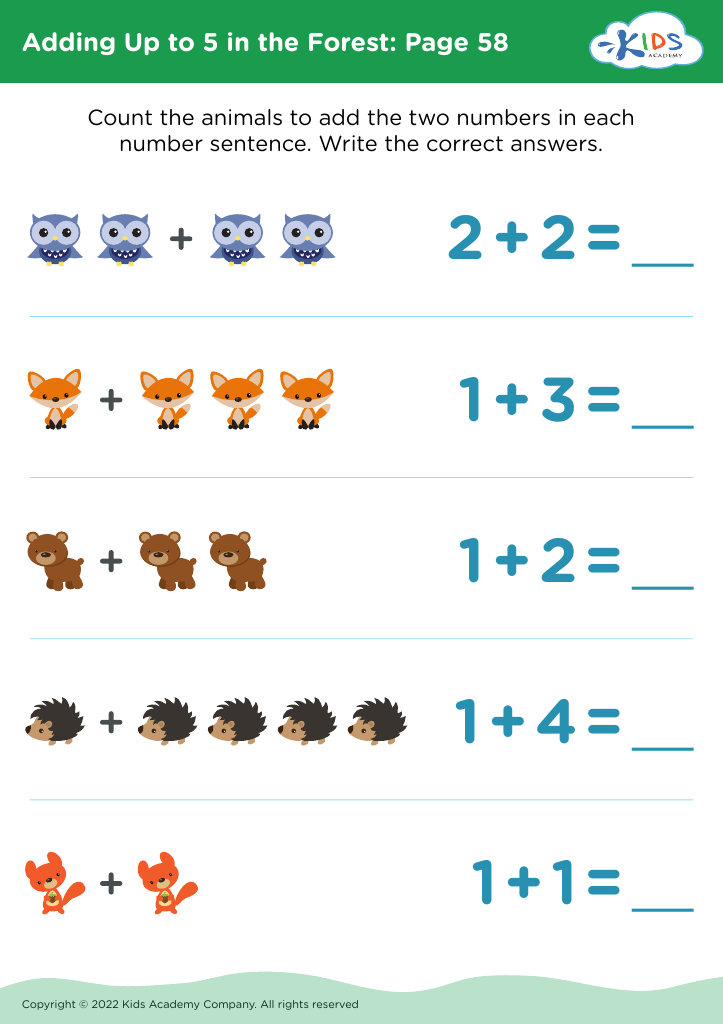
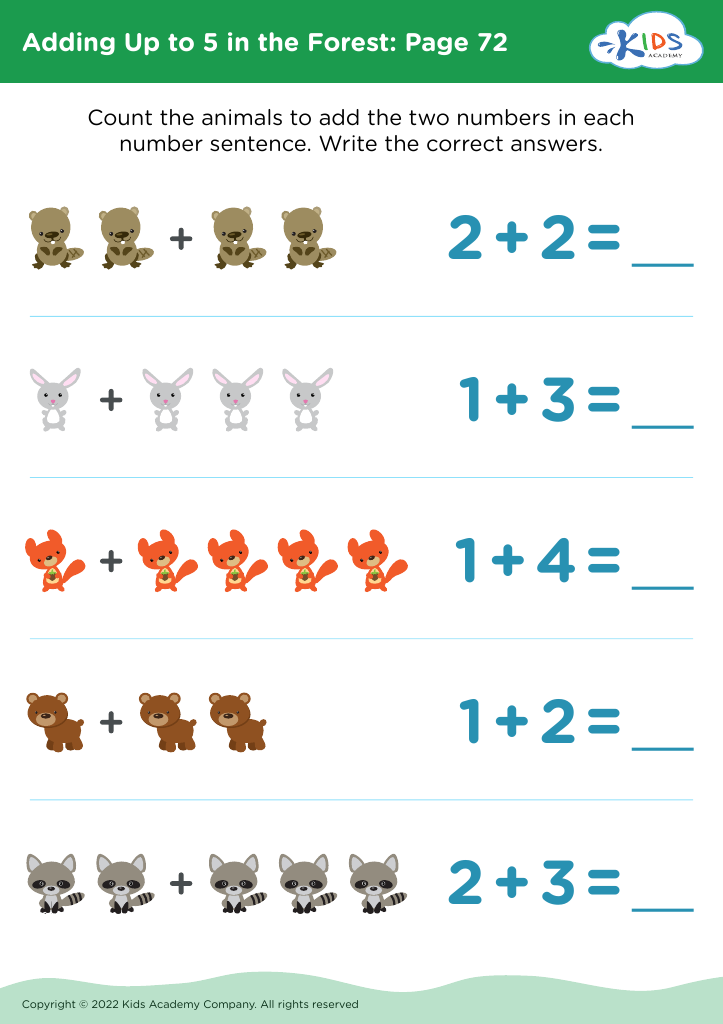
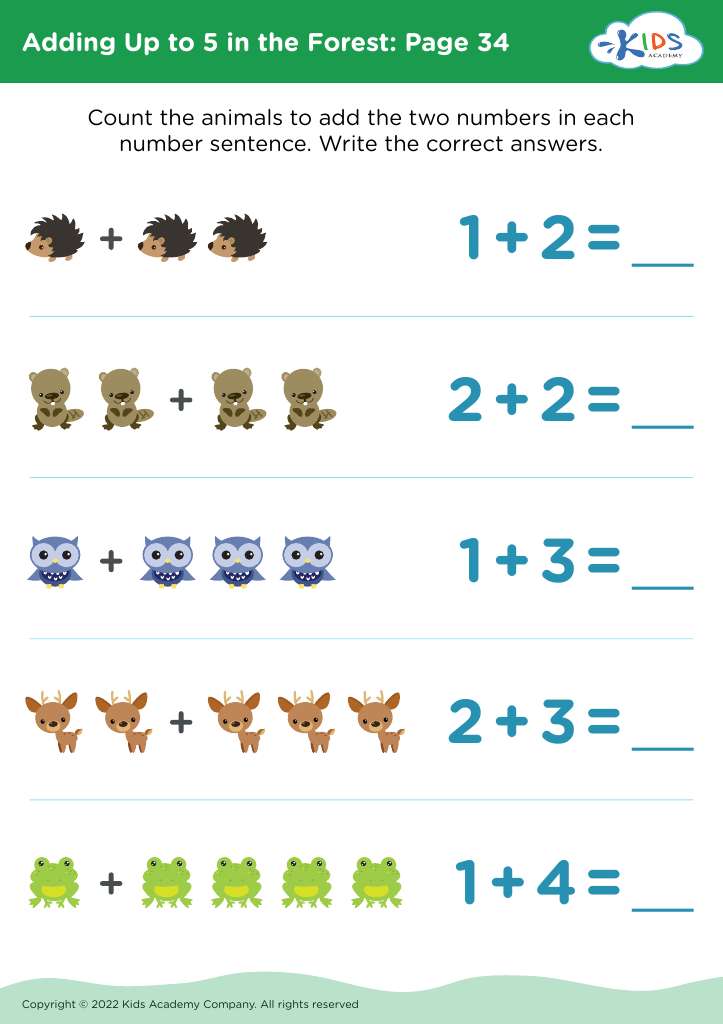
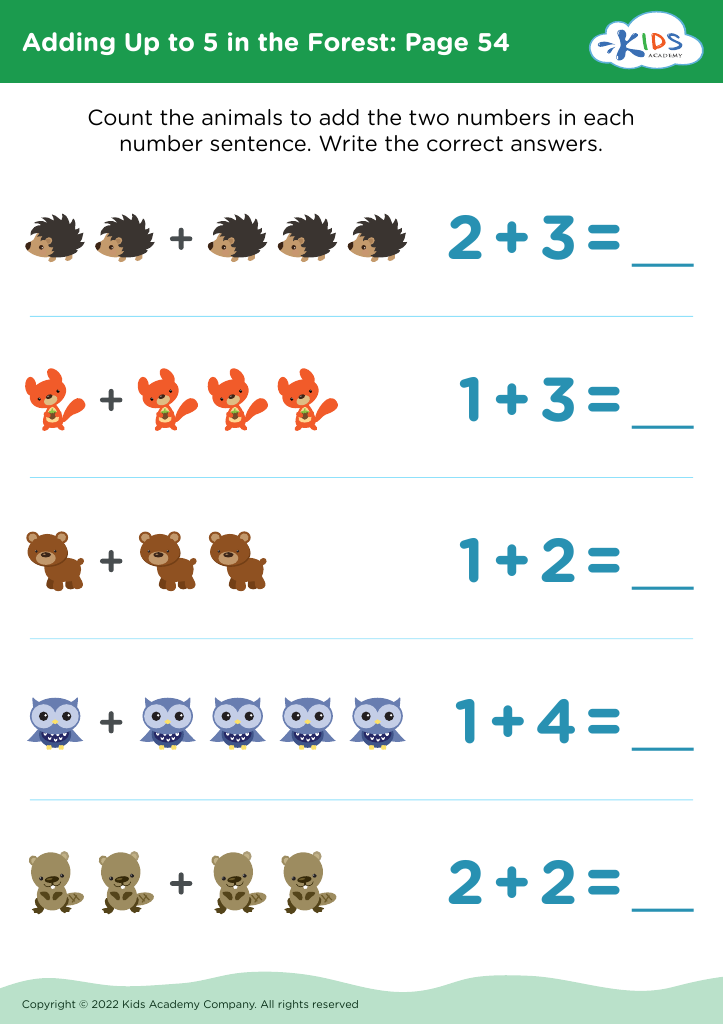
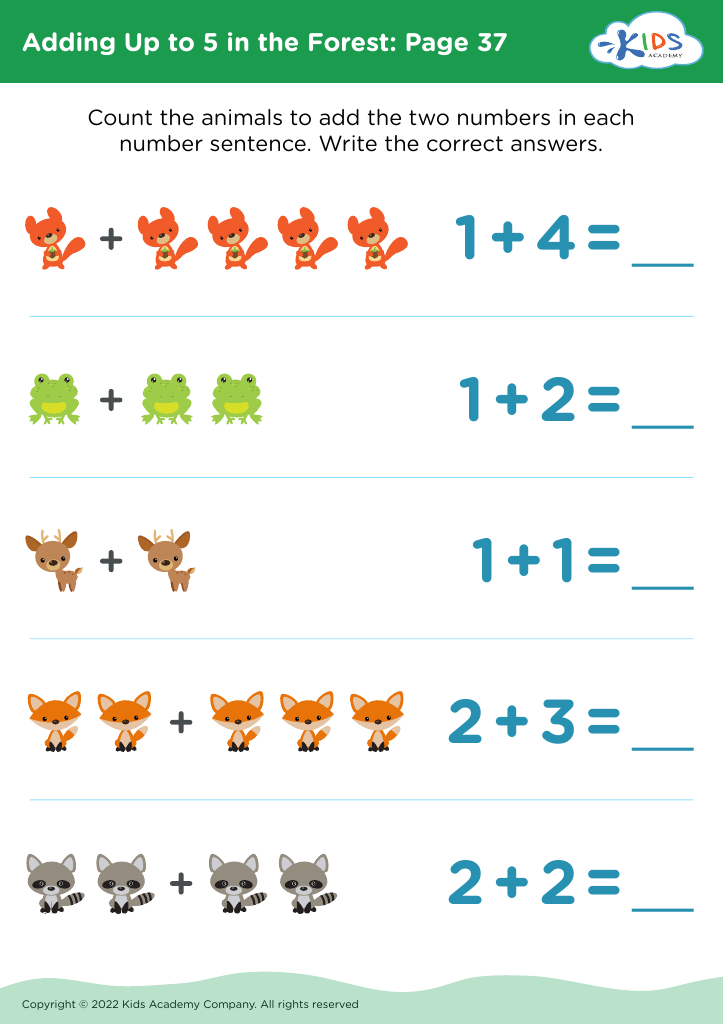








Parents and teachers should care about Nature Appreciation Math for children aged 3-6 because it combines essential early childhood education elements: numeracy skills and a connection to the natural world. Engaging young learners in math through nature-based activities not only reinforces fundamental mathematical concepts but also nurtures a sense of wonder and environmental stewardship.
At this developmental stage, children learn best through hands-on experiences. Nature provides an endless supply of opportunities for real-world math exploration. Counting leaves, categorizing rocks by size, measuring the length of sticks, and recognizing patterns in flower petals make abstract math concepts tangible and meaningful. These activities enhance problem-solving skills, critical thinking, and spatial awareness.
Additionally, being in nature supports physical development and emotional well-being. Outdoor activities can reduce stress, foster curiosity, and instill a lifelong appreciation for the environment. When children learn to see math in the natural world, they develop an innate understanding of its relevance and applicability.
Furthermore, Nature Appreciation Math encourages family bonding and collaborative learning. Parents and teachers can model positive attitudes toward both math and environmental care, influencing children's future academic pursuits and ethical values. Thus, fostering a love for math through nature is a holistic approach that benefits a child's intellectual growth and emotional health.








