Understanding sequencing Math Worksheets for Ages 3-6
4 filtered results
-
From - To
Explore our engaging "Understanding Sequencing Math Worksheets" specifically designed for children aged 3-6. These worksheets help young learners grasp the fundamental concept of sequencing, a vital skill in early mathematics. Through fun exercises, kids will practice arranging numbers, shapes, and objects in the correct order, enhancing their reasoning and logical thinking abilities. Our interactive worksheets motivate children with vibrant illustrations and playful activities that keep them interested and excited about learning. Perfect for parents and educators, these resources are tailored to strengthen your child's grasp of sequencing in a delightful and educational way. Let’s make math fun and accessible together!
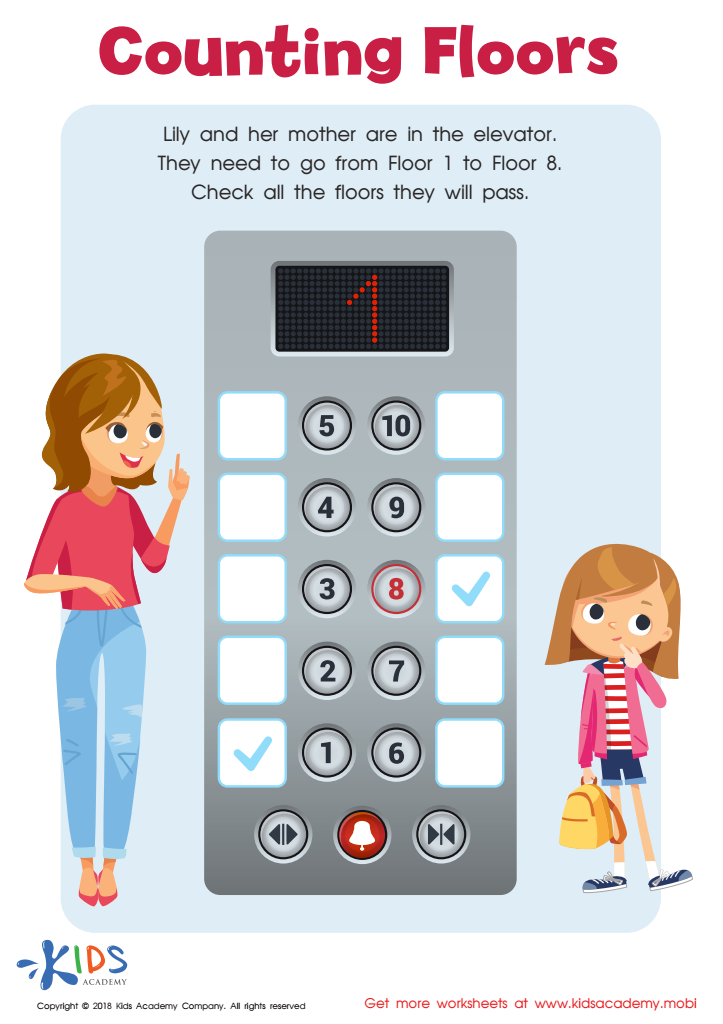
Counting Floors Worksheet
 Assign to My Students
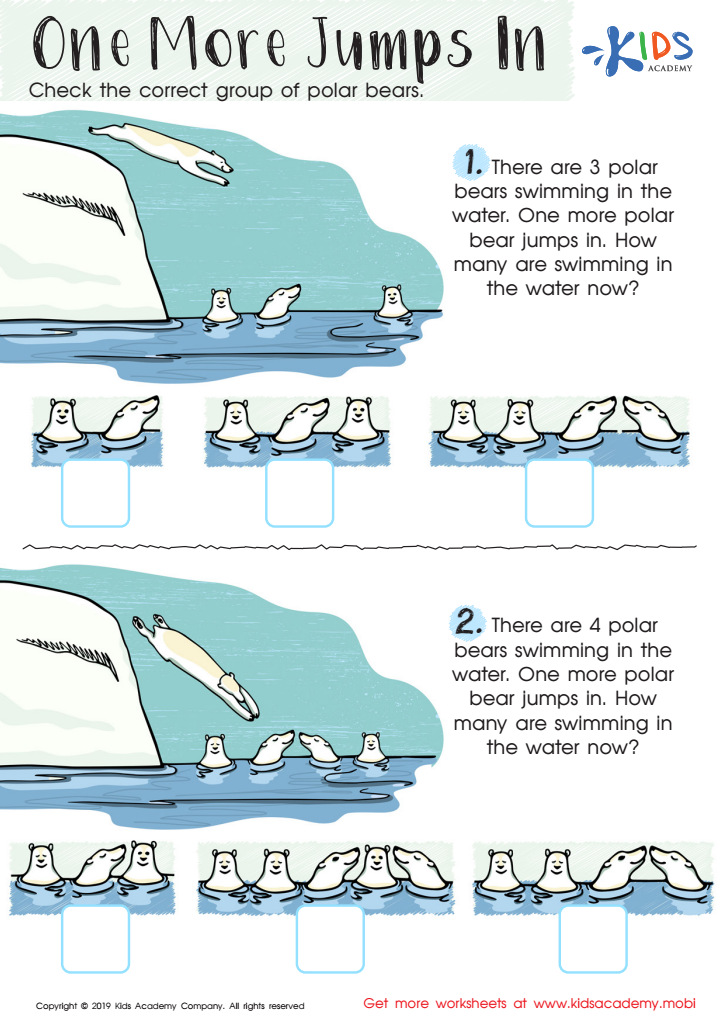
One More Jumps In Worksheet
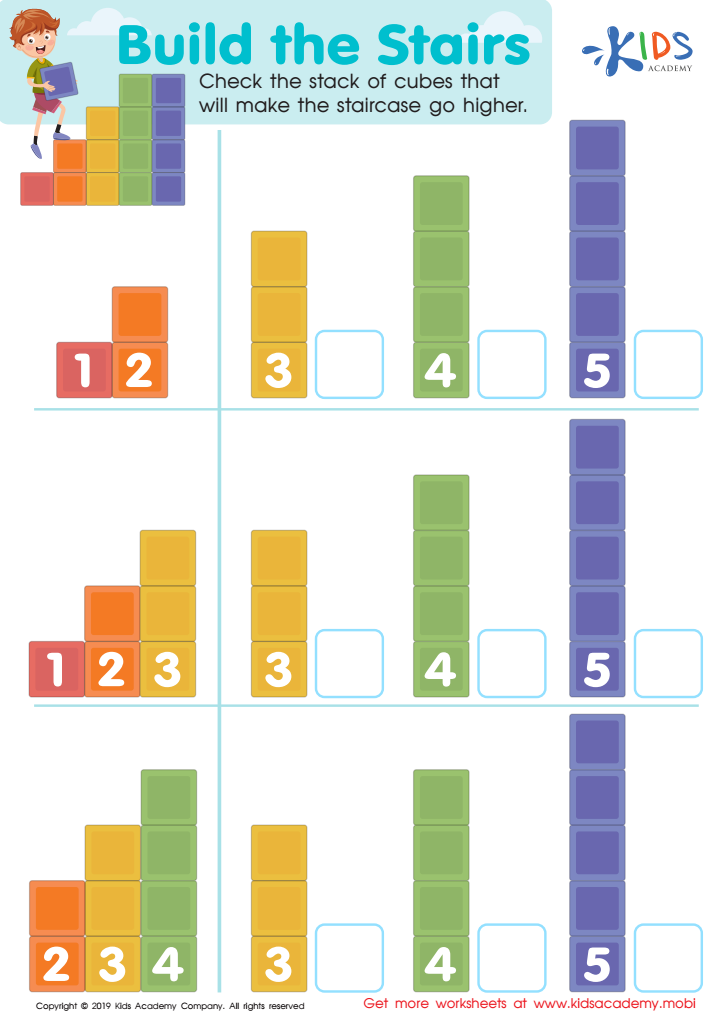
Build the Stairs Worksheet
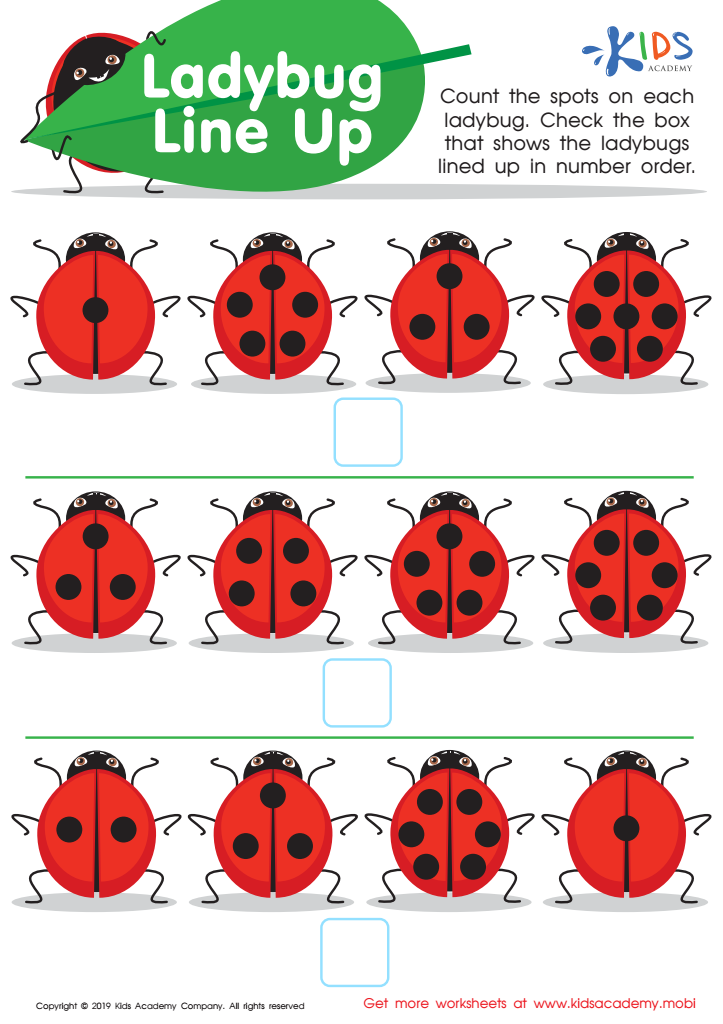
Ladybug Line Up Worksheet








Understanding sequencing math is crucial for children aged 3-6 as it lays the groundwork for more complex mathematical concepts and cognitive development. During these formative years, children begin to grasp the concept of order and relationships. Sequencing helps them recognize patterns, which is fundamental to mathematical understanding. For instance, recognizing that certain numbers always come before or after others aids in counting, addition, and subtraction.
Parents and teachers should care because proficiency in sequencing fosters problem-solving skills and logical reasoning. Children who understand sequencing are better equipped to make connections, whether in math or other subjects. This skill also enhances reading comprehension, as they can follow narratives and events logically.
Moreover, engaging children in sequencing activities—such as arranging objects, telling stories in order, or solving number puzzles—creates fun learning experiences that boost confidence and enthusiasm towards math. This early positive attitude toward learning can shape their academic journeys positively, enhancing their potential for success in later grades. Ultimately, prioritizing sequencing math provides children with essential tools for long-term educational achievement and life skills, making it a key focus for parents and educators alike.








