Visual perception development Math Worksheets for Ages 3-6
3 filtered results
-
From - To
Explore our engaging Visual Perception Development Math Worksheets designed specifically for ages 3-6! These worksheets are crafted to enhance visual perception skills, which are essential for early math success. Through a variety of fun and interactive activities, children will learn to recognize shapes, patterns, and spatial relationships while improving their observation skills. Ideal for parents and educators, our worksheets provide a playful approach to learning, making it easy to incorporate essential math concepts into daily activities. Download now to give your child a head start in their math journey while fostering creativity and critical thinking skills!
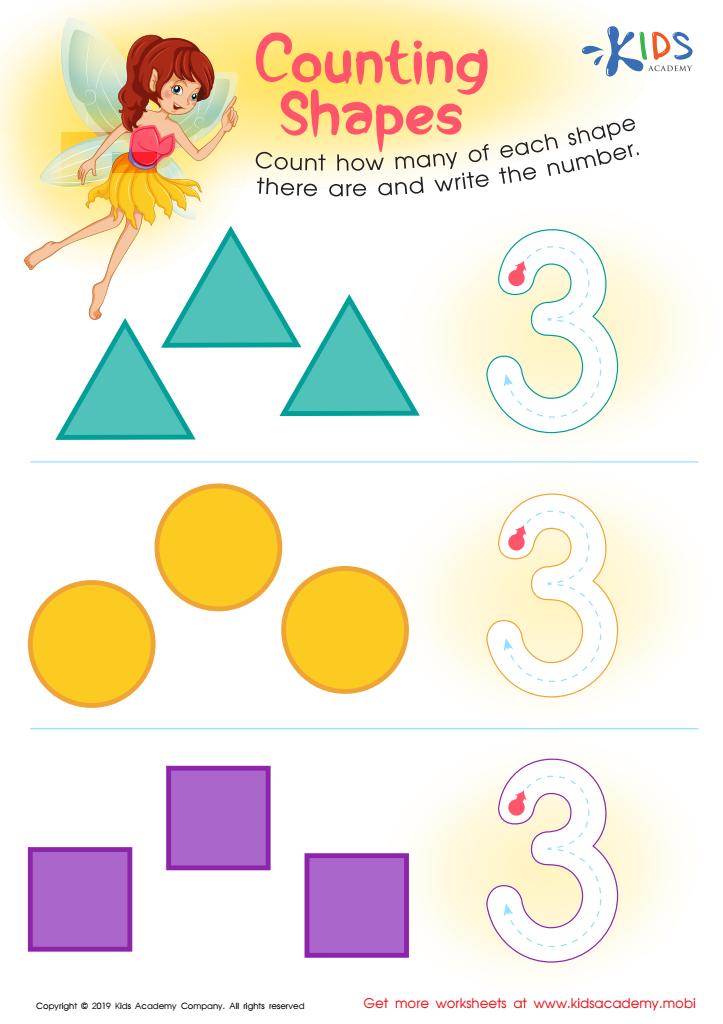
Counting Shapes Worksheet
 Assign to My Students
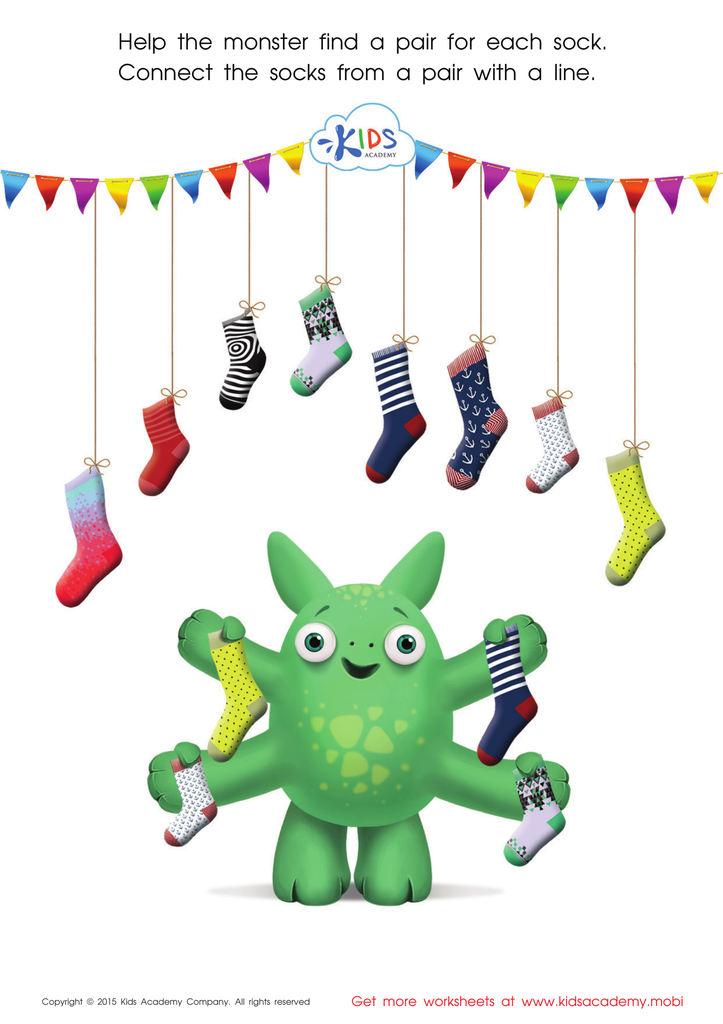
Math Matching Pairs Game: Monsterв's Socks Worksheet
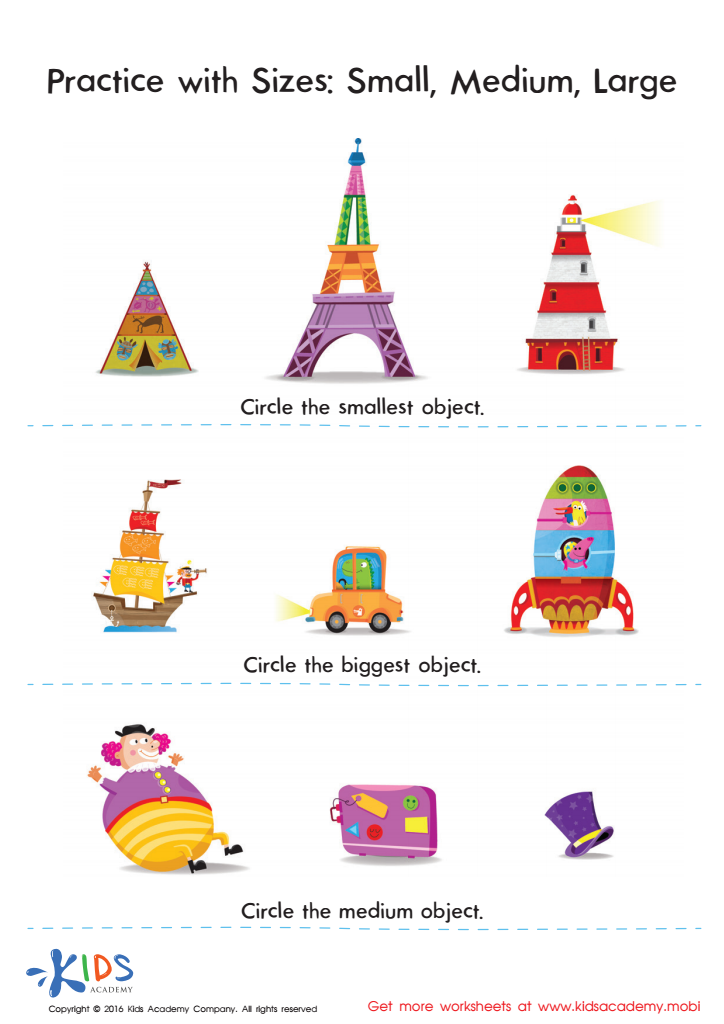








Visual perception development is crucial for children aged 3-6, especially in their understanding of mathematics. At this stage, children are rapidly building cognitive skills that are foundational for later learning in various subjects, including math. Strong visual perception skills enable young learners to recognize shapes, patterns, and spatial relationships, which are essential for understanding numbers and mathematics concepts.
When children can visualize shapes and manipulate them mentally, they become better at solving problems and recognizing mathematical patterns. For instance, discerning the differences between similar figures or understanding concepts like symmetry and rotation lays the groundwork for more complex math skills encountered in later grades.
Furthermore, visual perception activities can foster critical thinking and enhance fine motor skills through practices such as sorting, counting, and estimating quantities visually. Parents and teachers who prioritize visual perception activities, such as puzzles, games, and artistic expression, provide valuable opportunities for children to engage with math in meaningful ways.
By cultivating these skills early, caregivers and educators help set the stage for children's academic success, confidence in math, and overall cognitive development, ultimately equipping them with essential skills necessary for lifelong learning.








