Vocabulary enhancement Math Worksheets for Ages 3-6 - Page 2
28 filtered results
-
From - To
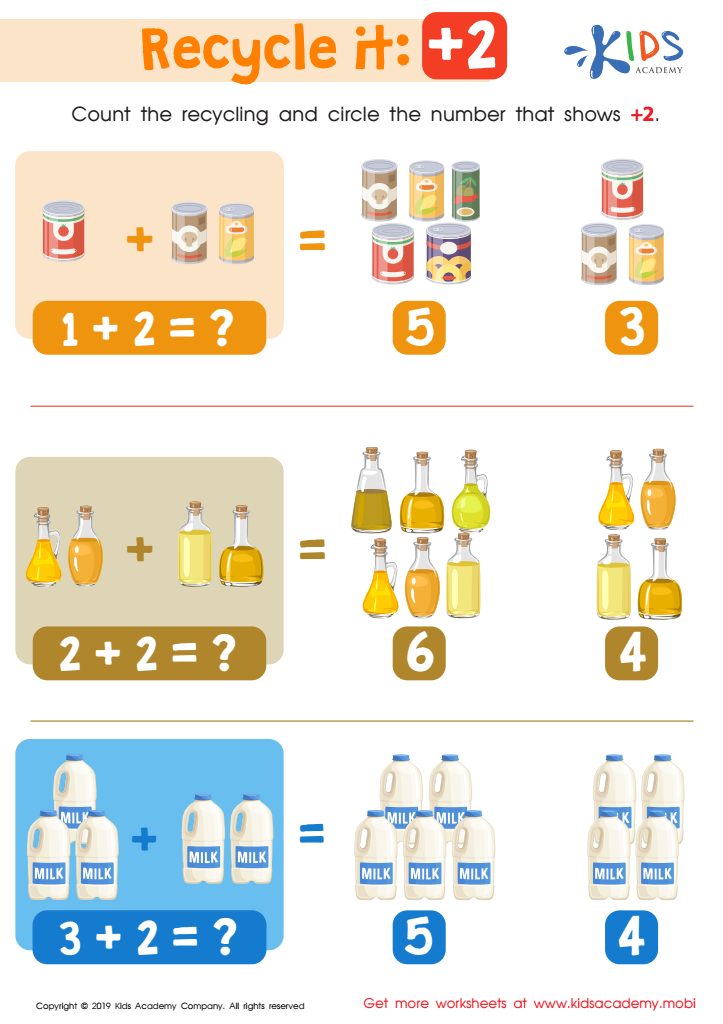
Recycle It: +2 Worksheet
 Assign to My Students
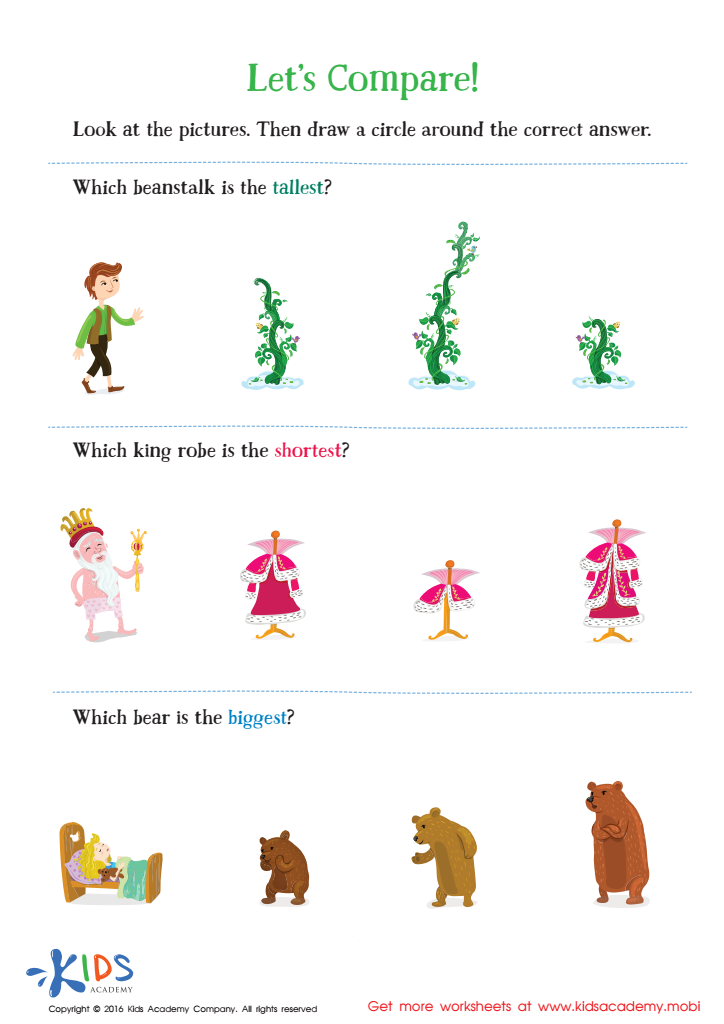
Fairy Tale Worksheet: Let's Compare
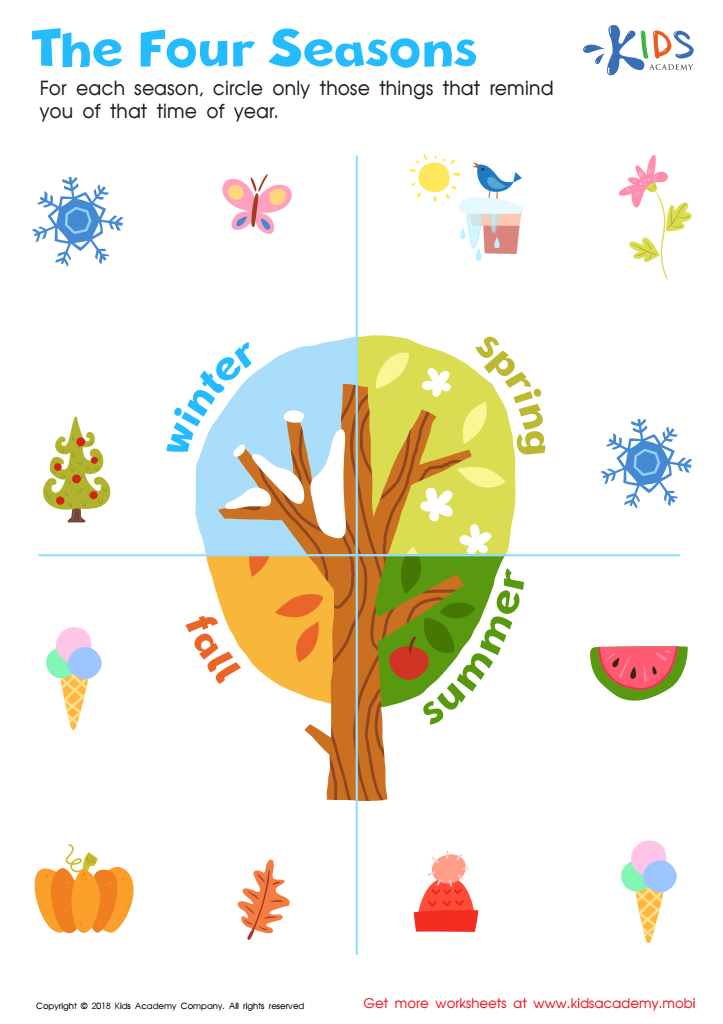
The Four Seasons Worksheet
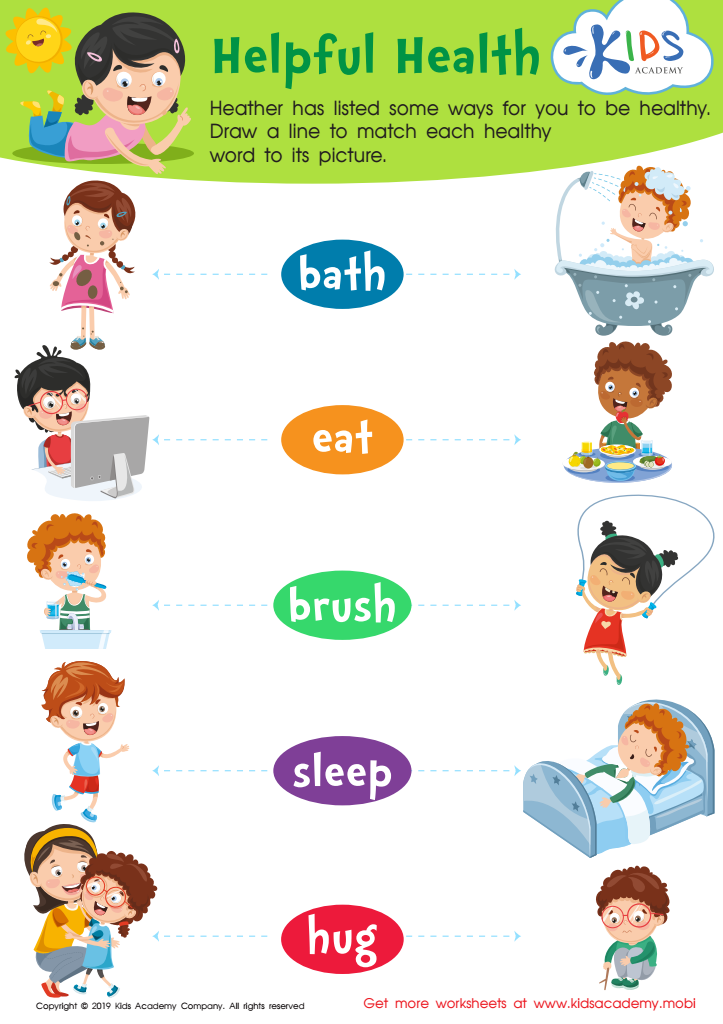
Helpful Health Worksheet








Vocabulary enhancement in math for ages 3-6 is crucial because it lays the foundation for future academic success and cognitive development. At this age, children's brains are extraordinarily receptive to new information. Introducing them to basic mathematical vocabulary like "more," "less," "big," "small," "number," and "count" helps to build a solid groundwork for later mathematical learning.
Parents and teachers should care because strong math vocabulary skills directly correlate with a child's ability to understand complex math concepts later on. It aids in the development of critical thinking and problem-solving skills. Early math conversations encourage children to describe the world around them, boosting their ability to communicate effectively.
Additionally, math vocabulary enhancement supports literacy development. When children learn to associate words with numerical concepts, they simultaneously improve their language and math skills. This dual development is vital in ensuring that children do not fall behind in either area.
Furthermore, engaging young children with fun, interactive math vocabulary activities can foster a love for math, making them more likely to embrace and excel in the subject as they grow. Therefore, prioritizing vocabulary enhancement in math creates a ripple effect that benefits children academically, socially, and emotionally.








