Understanding Quantities Numbers 0–10 Worksheets for Ages 3-6
3 filtered results
-
From - To
Discover our engaging "Understanding Quantities Numbers 0–10 Worksheets" designed for children ages 3-6. These interactive worksheets provide a fun and effective way for young learners to grasp the concept of quantities, helping them compare and count numbers from 0 to 10. With vibrant illustrations and creative exercises, your child will enhance their number recognition and early math skills while building a strong foundation for future learning. Ideal for parents and educators, these printable resources offer a hands-on approach to learning quantities, ensuring that your little ones develop confidence and proficiency in mathematics. Start their educational journey today!
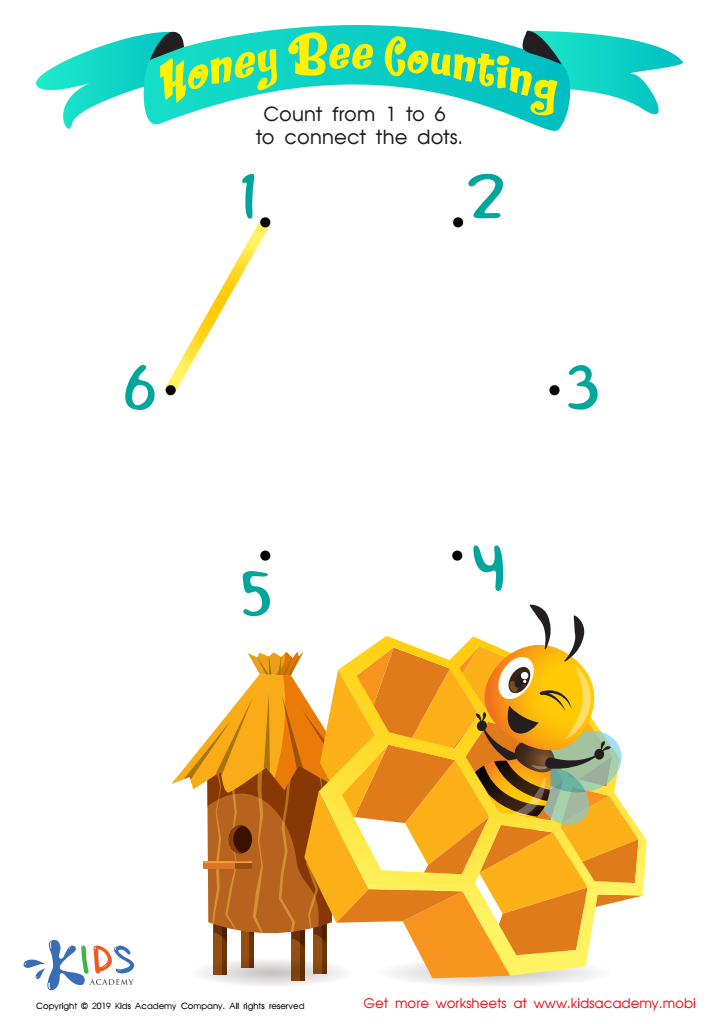
Honey Bee Counting Worksheet
 Assign to My Students
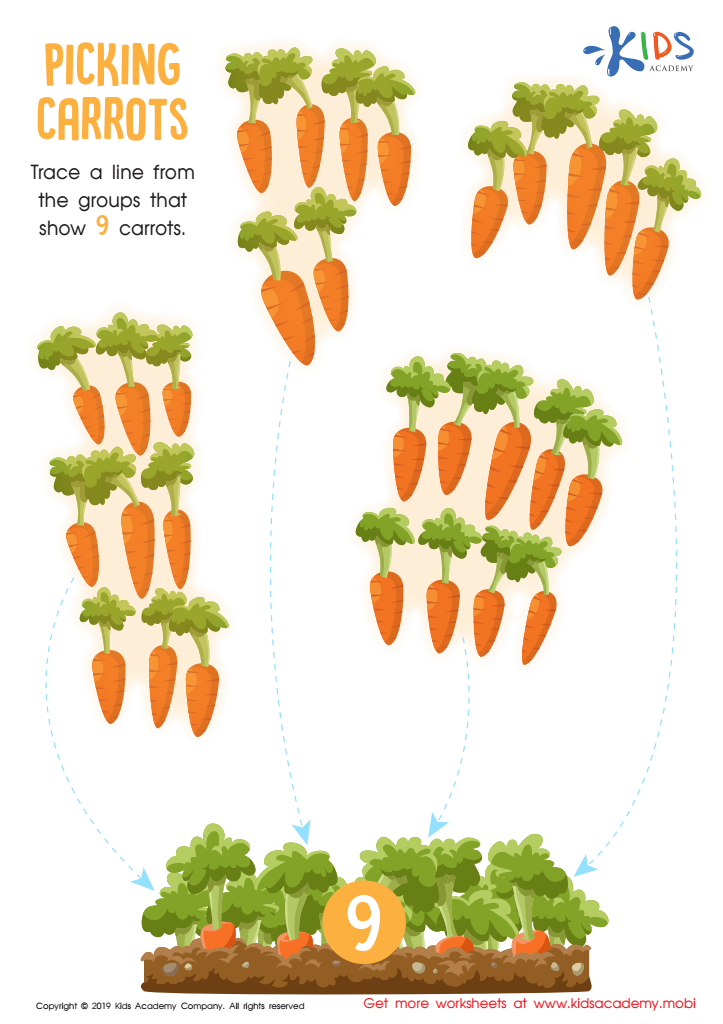
Picking Carrots Worksheet
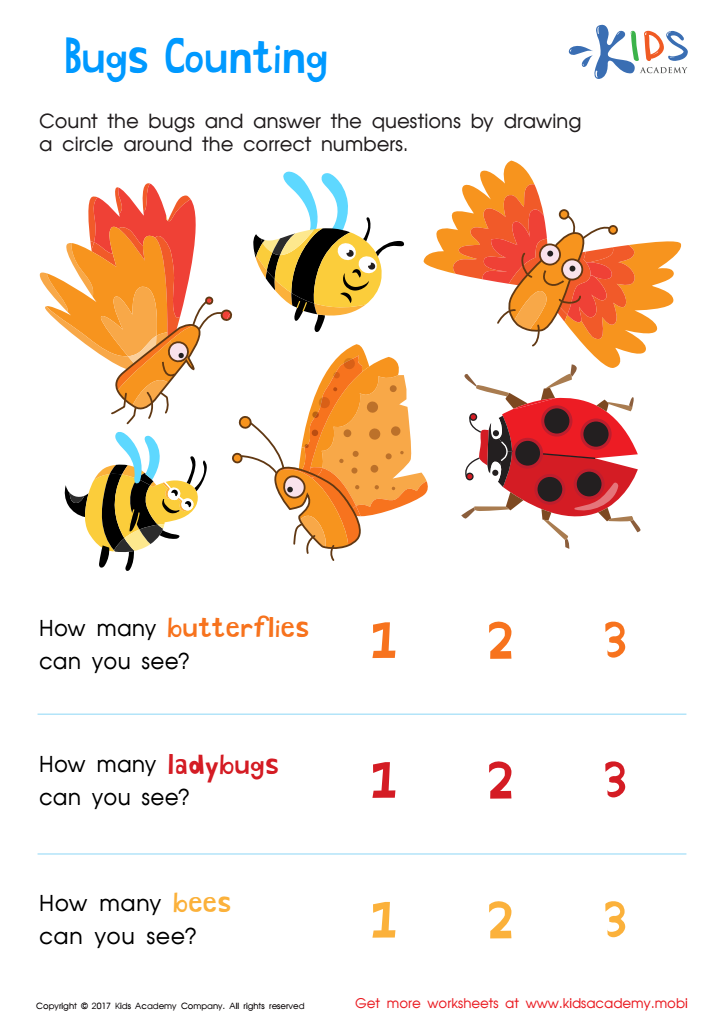
Bugs Counting Worksheet








Understanding quantities and numbers from 0–10 is foundational for children aged 3-6, making it crucial for parents and teachers to prioritize. At this developmental stage, children are naturally curious and eager to explore their world, and early numeracy skills significantly influence their overall cognitive growth.
Young children who grasp the concept of quantities can engage with basic math through everyday activities like counting snacks, sorting toys, or measuring using simple tools, promoting hands-on learning. Mastering these foundational skills builds a solid base for later mathematical understanding, including addition, subtraction, and number sense.
Moreover, early numeracy contributes to critical thinking, problem-solving, and social skills, as children learn to communicate about numbers and share resources during playtime. Encouraging interactions with numbers fosters a positive attitude towards math, preventing anxiety in later years.
Ultimately, by emphasizing numeracy between the ages of 3–6, parents and teachers not only enhance children's academic readiness but also nurture their confidence and curiosity in all aspects of learning. This foundational skill set is essential in paving the way for lifelong learning and success.