Addition Practice Numbers up to 100 Worksheets for Ages 3-6
4 filtered results
-
From - To
Enhance your child's early math skills with our engaging Addition Practice Worksheets for numbers up to 100, specifically designed for ages 3-6. These interactive and colorful worksheets make learning addition fun and accessible, helping young learners build a solid foundation in mathematics. Each worksheet features various addition exercises that encourage critical thinking and problem-solving, promoting number recognition and mathematical fluency. Our carefully crafted activities cater to children's varying learning styles and readiness levels, ensuring effective and enjoyable practice. Foster a love for math and watch your child's confidence soar as they master addition skills with our delightful worksheets!
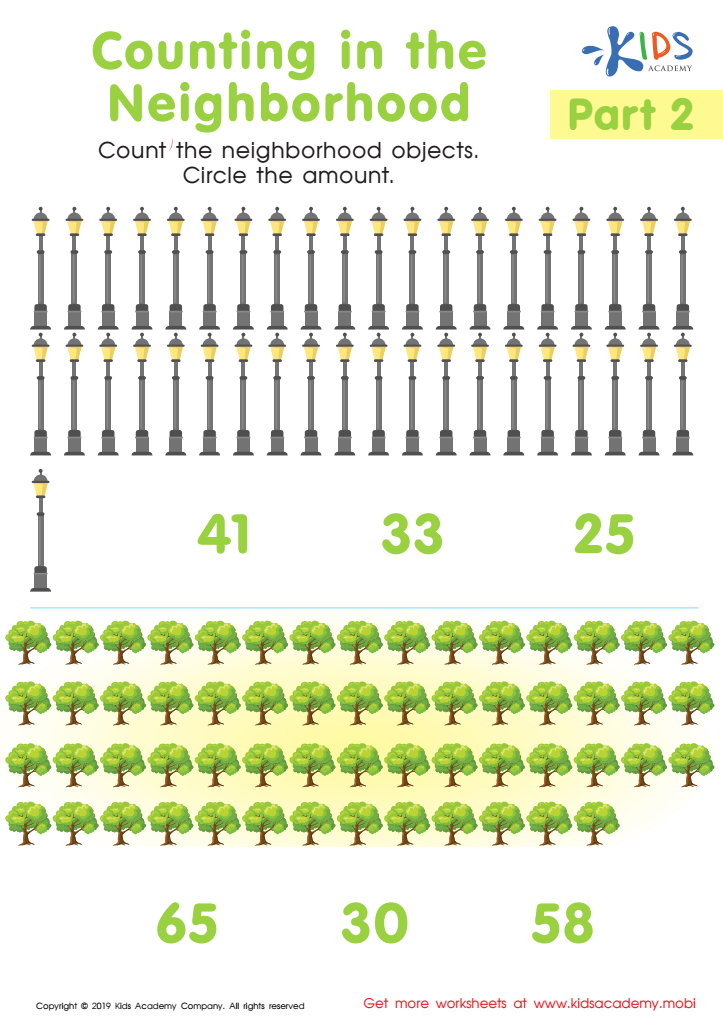
Counting In The Neighborhood Part 2 Worksheet
 Assign to My Students
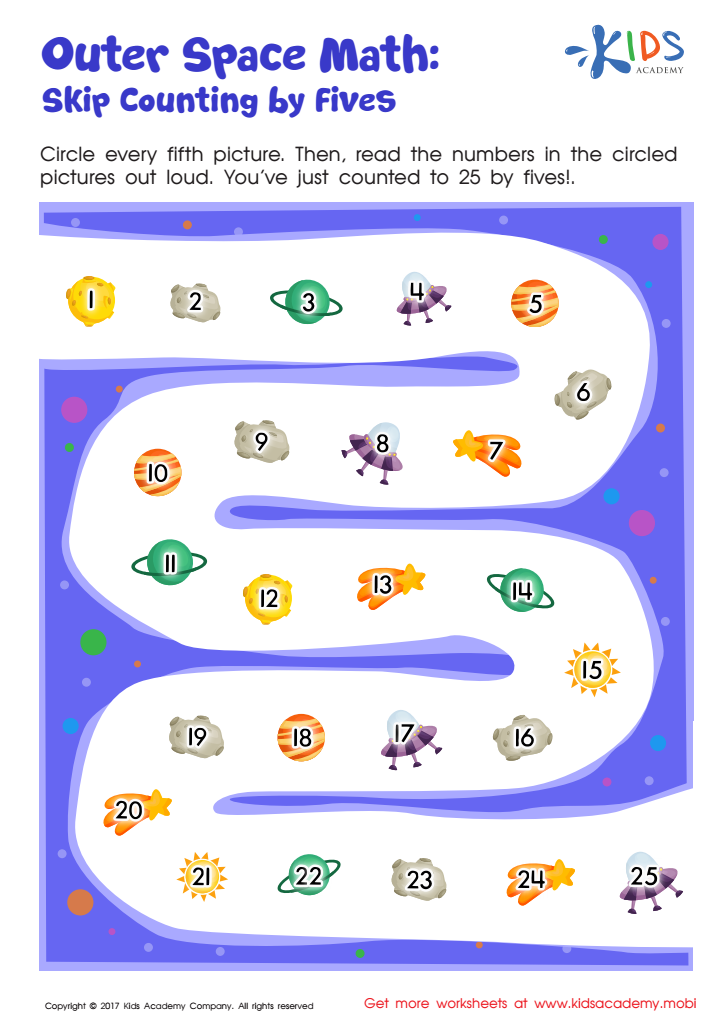
Skip Counting by 5s: Outer Space Math Printable
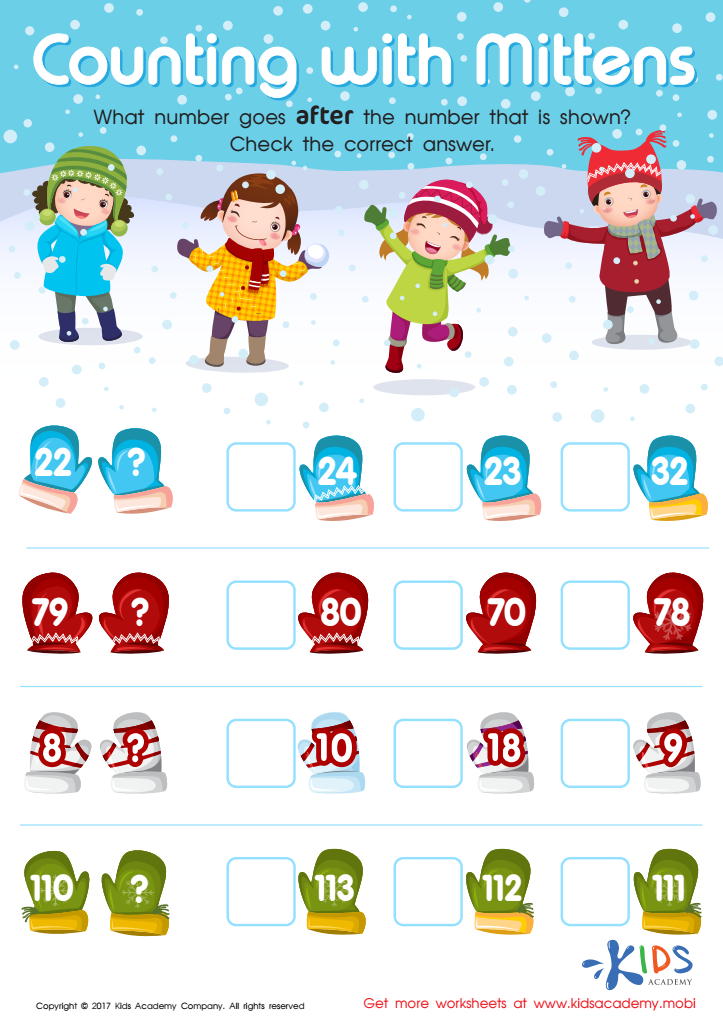
Counting with Mittens Worksheet
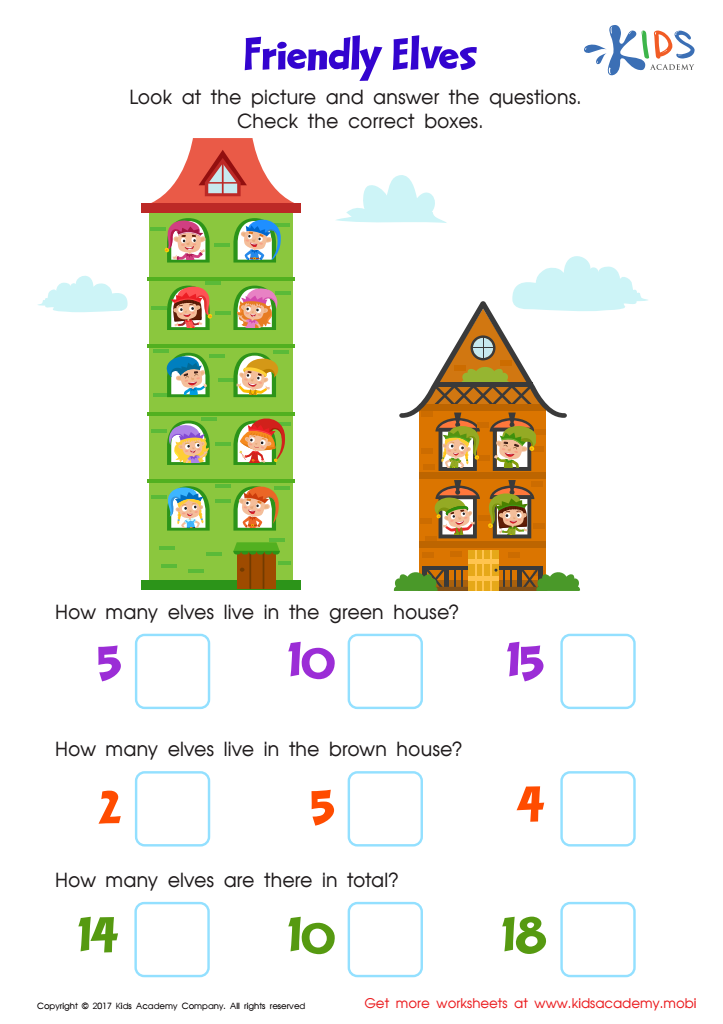
Place Value: Friendly Elves Worksheet


%20(1).jpg)





Parents and teachers should prioritize addition practice for children aged 3-6, focusing on numbers up to 100, because it lays the foundation for essential math skills. Early mathematical knowledge is crucial for cognitive development, problem-solving abilities, and logical reasoning. Mastering addition helps young learners understand relationships between numbers and cultivates their ability to perform more complex arithmetic in later years.
Engaging in addition practice at this age promotes numerical fluency and boosts confidence. Children become familiar with number patterns, which enhances their understanding of mathematics in daily life – from counting toys to sharing snacks. Early addition skills also foster a positive attitude toward mathematics, making children more likely to embrace challenges as they progress.
Moreover, incorporating fun activities like games or visual aids can transform learning into an enjoyable experience. When parents and teachers actively participate in addition exercises, they can reinforce concepts, celebrate achievements, and create a supportive learning environment.
Ultimately, strengthening addition skills up to 100 during these formative years not only aids academic success but also equips children with vital skills they will use throughout their lives. Investing time in early math education sets the stage for a lifetime of learning and critical thinking.








