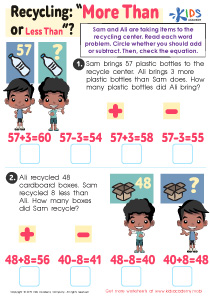
Addition skills Place Value Worksheets for Ages 3-6
5 filtered results
-
From - To
Discover our engaging Addition Skills Place Value Worksheets for children ages 3-6! These expertly designed worksheets help young learners build a solid foundation in math by combining place value understanding with addition skills practice. Perfect for preschool and early elementary students, our activities make math fun and accessible through interactive and visually appealing exercises. By using these worksheets, children will develop confidence in their math abilities, setting the stage for future academic success. Download now to support your child's journey in mastering essential math skills while enjoying the learning process!
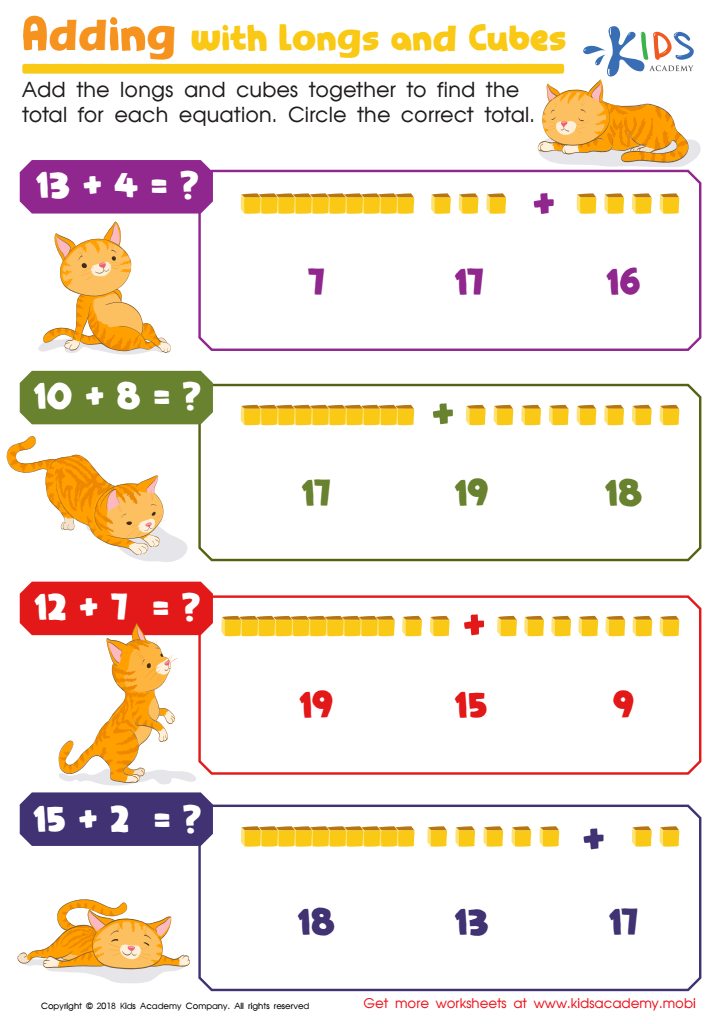
Adding With Longs and Cubes Worksheet
 Assign to My Students
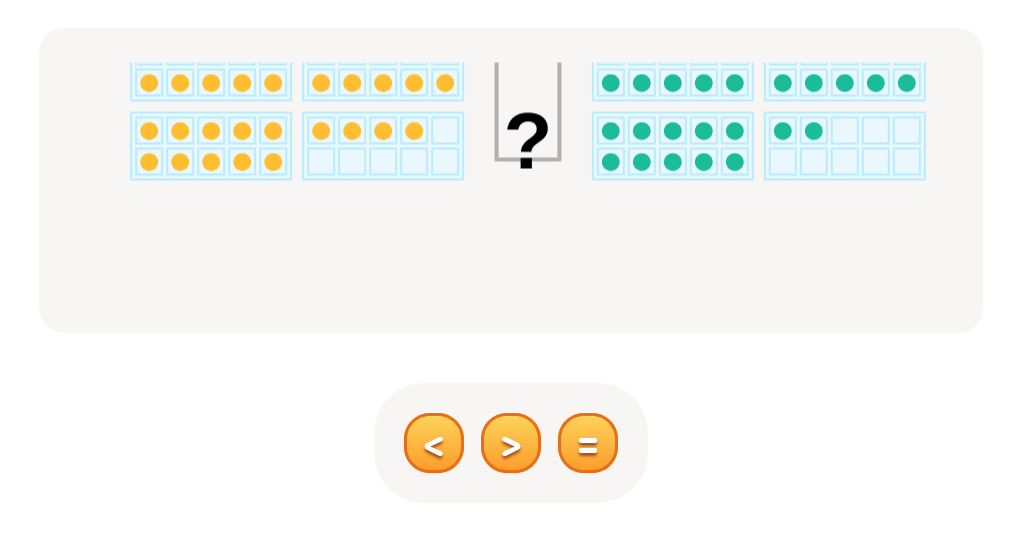

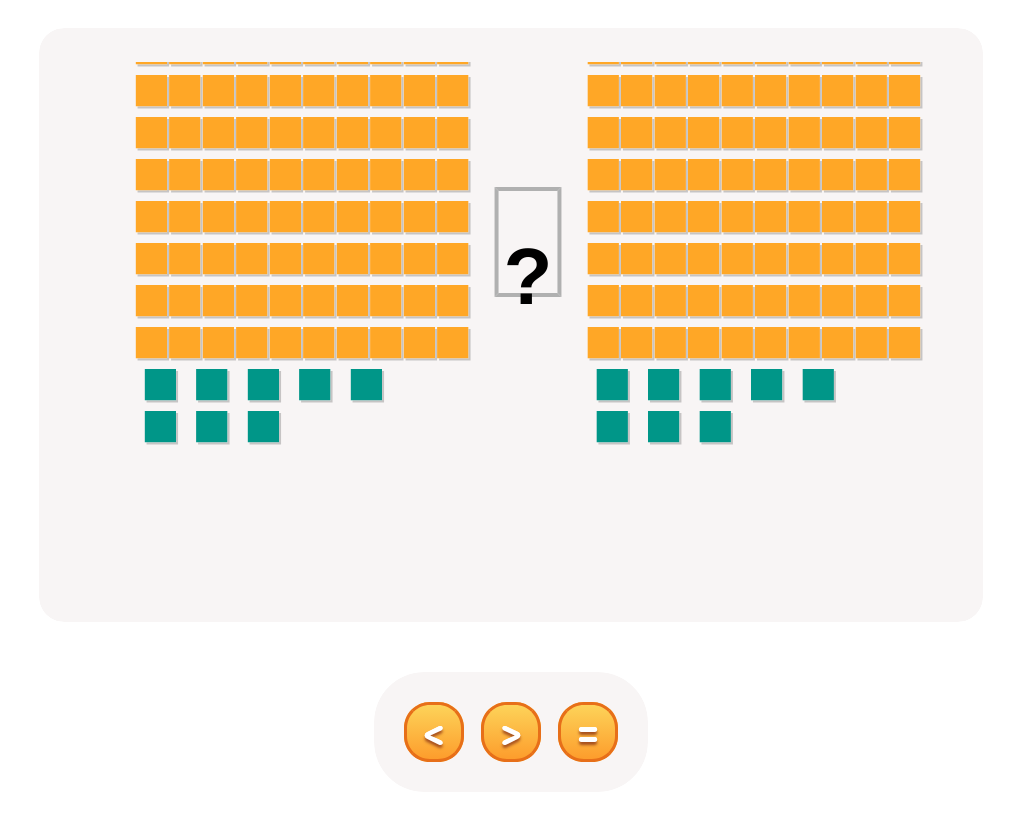
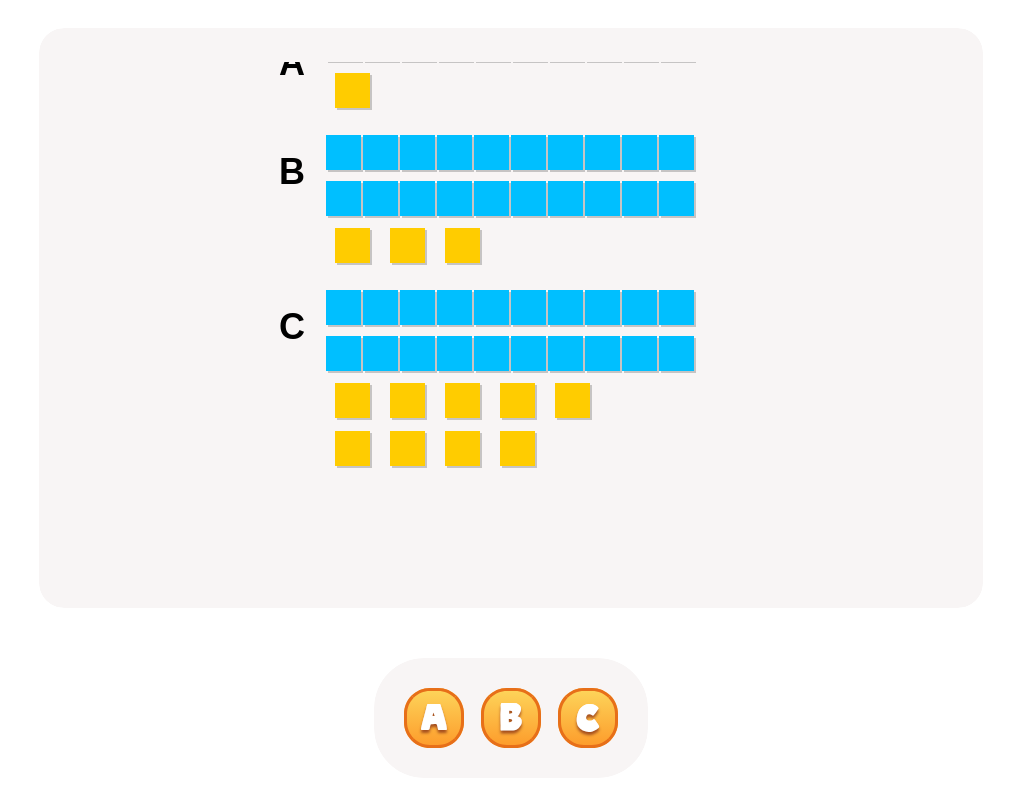
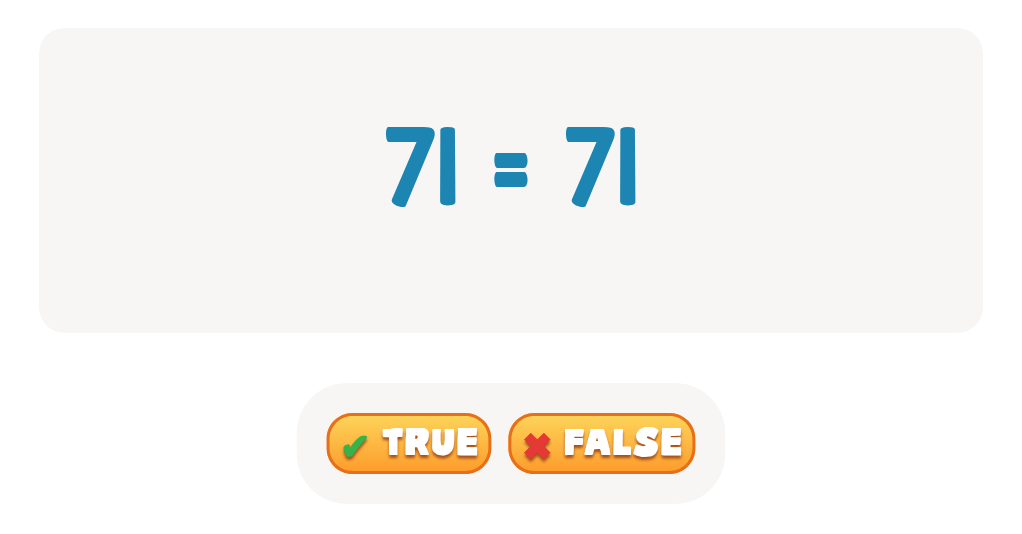
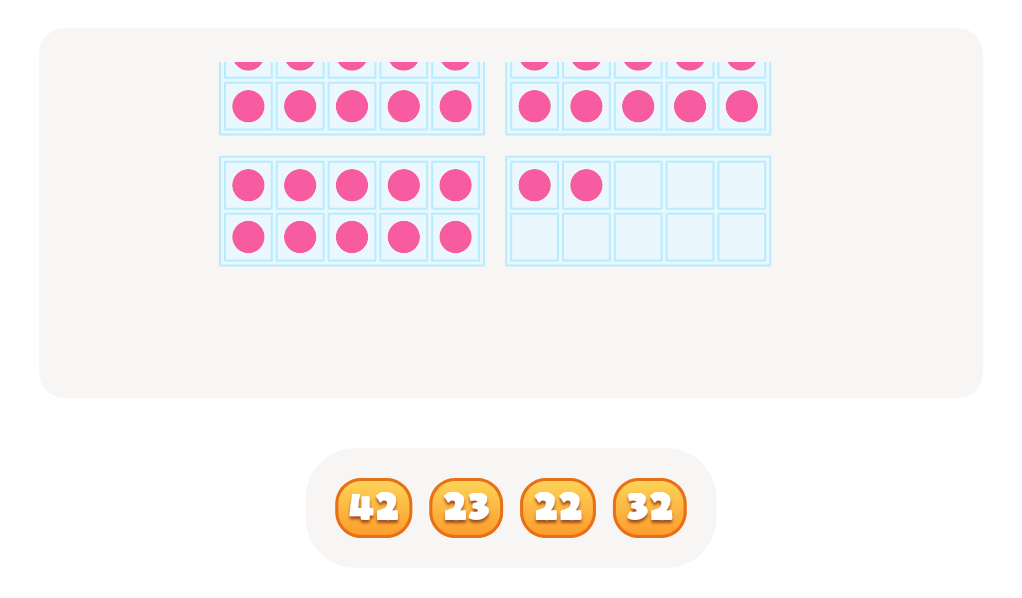
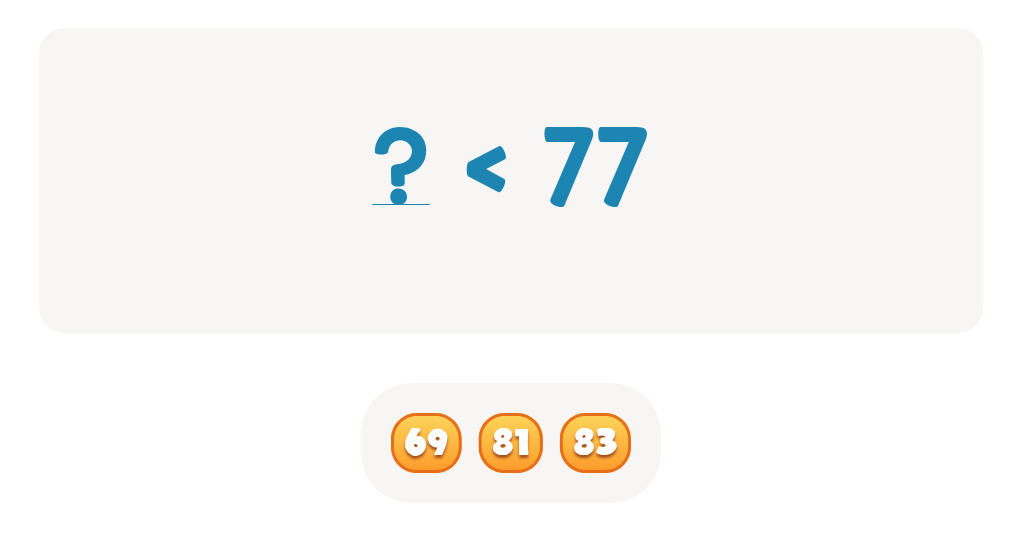
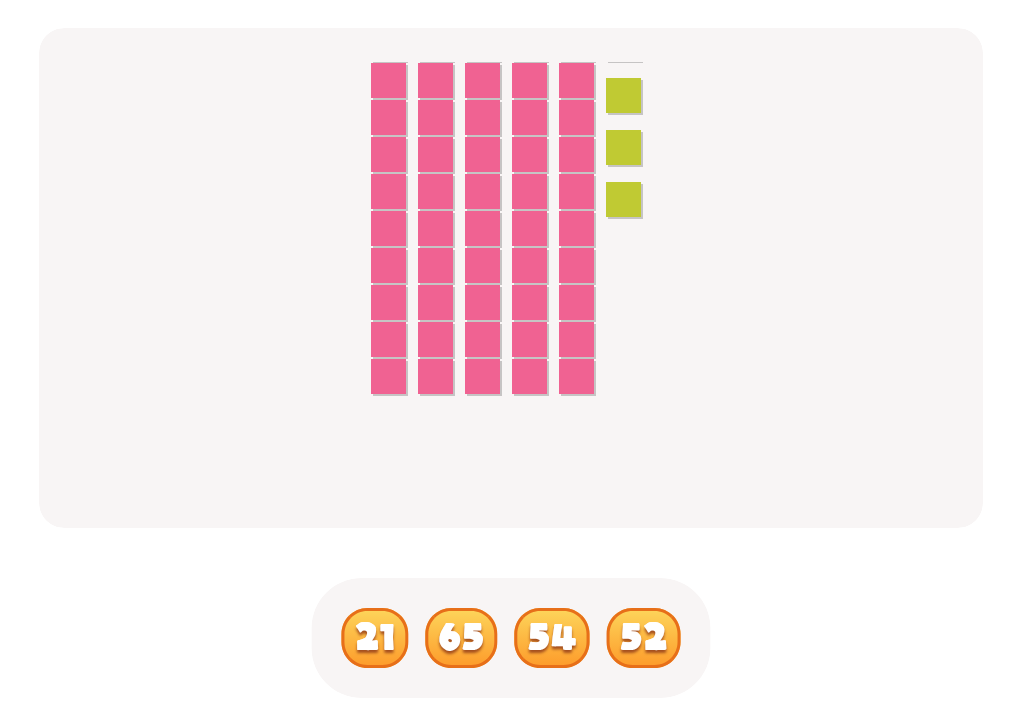
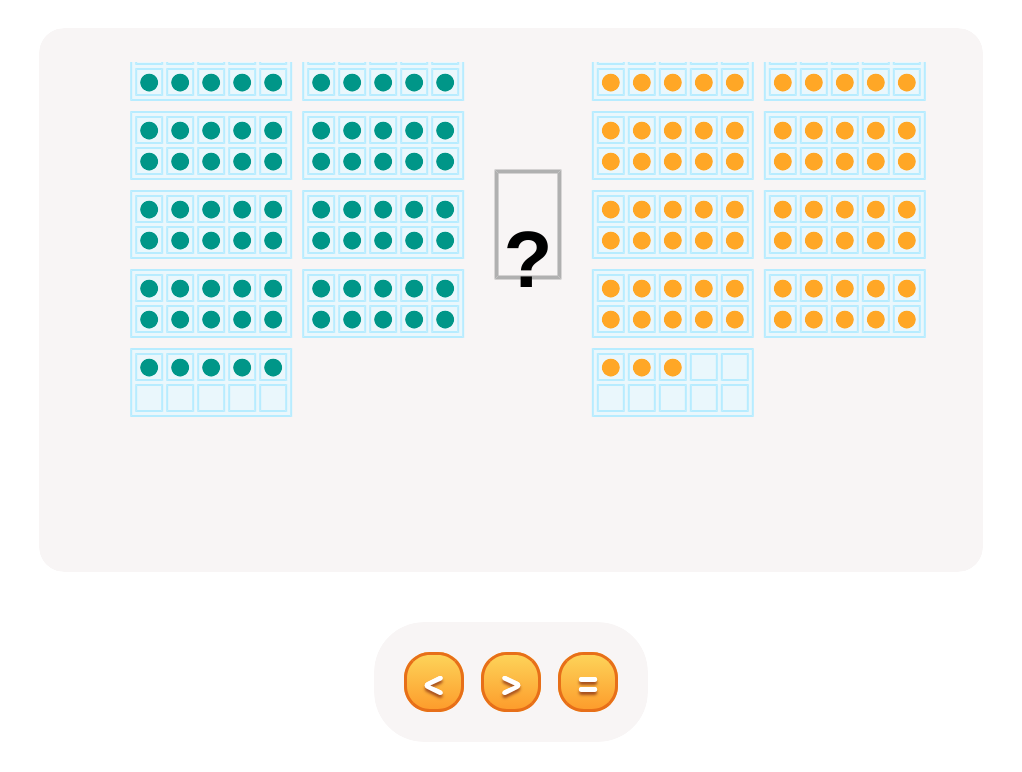
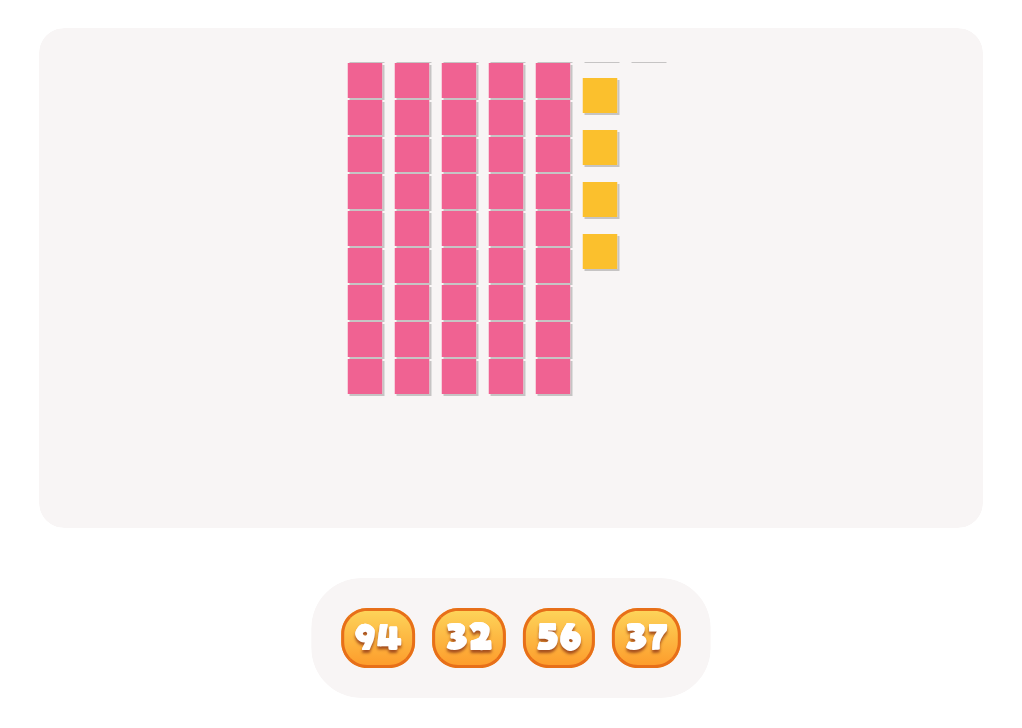
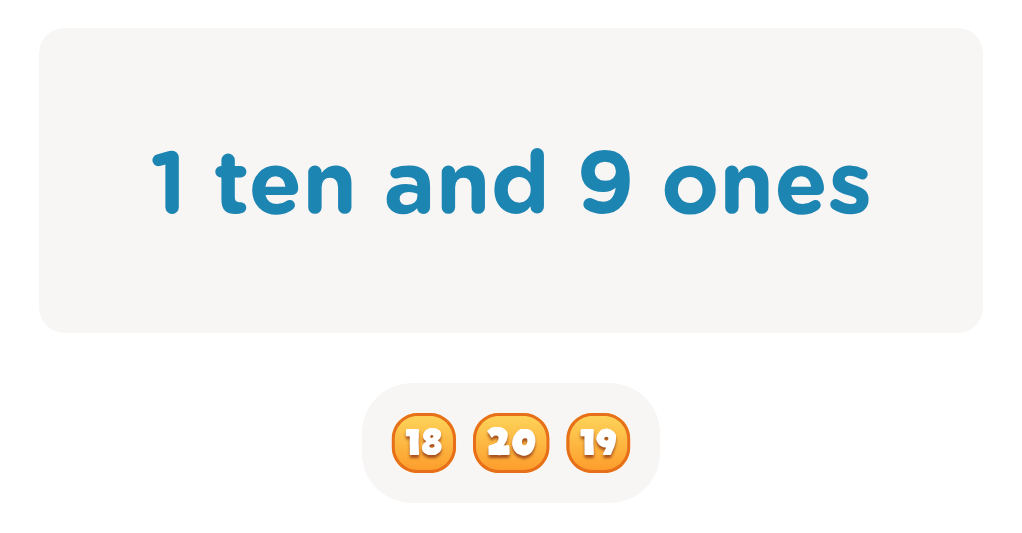
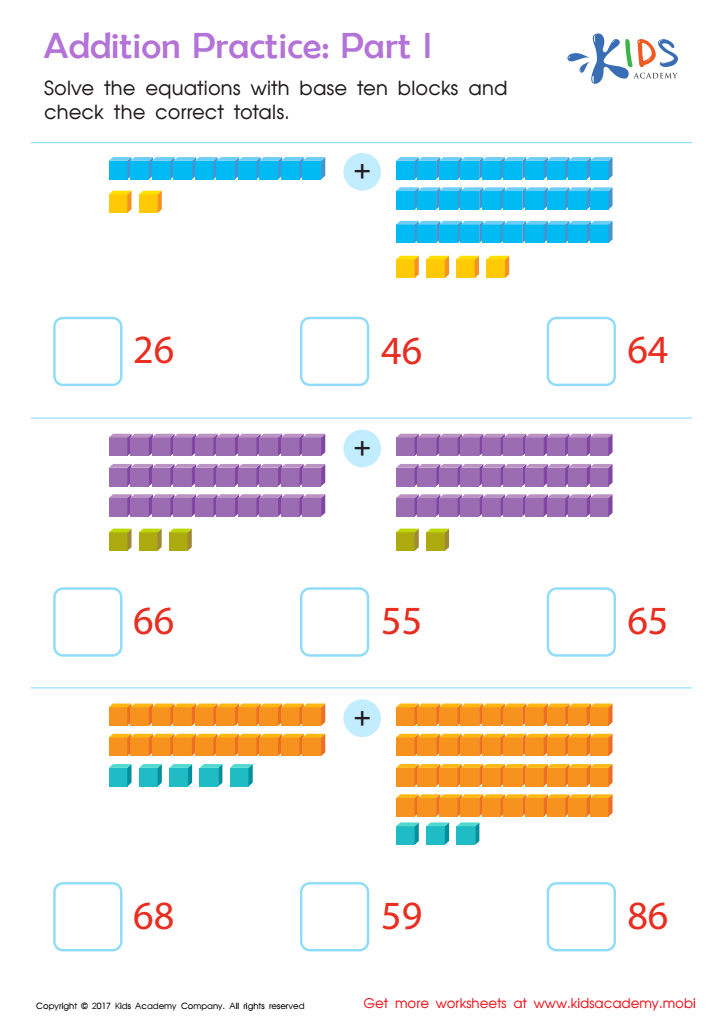
Addition Practice Sheet: Part 1
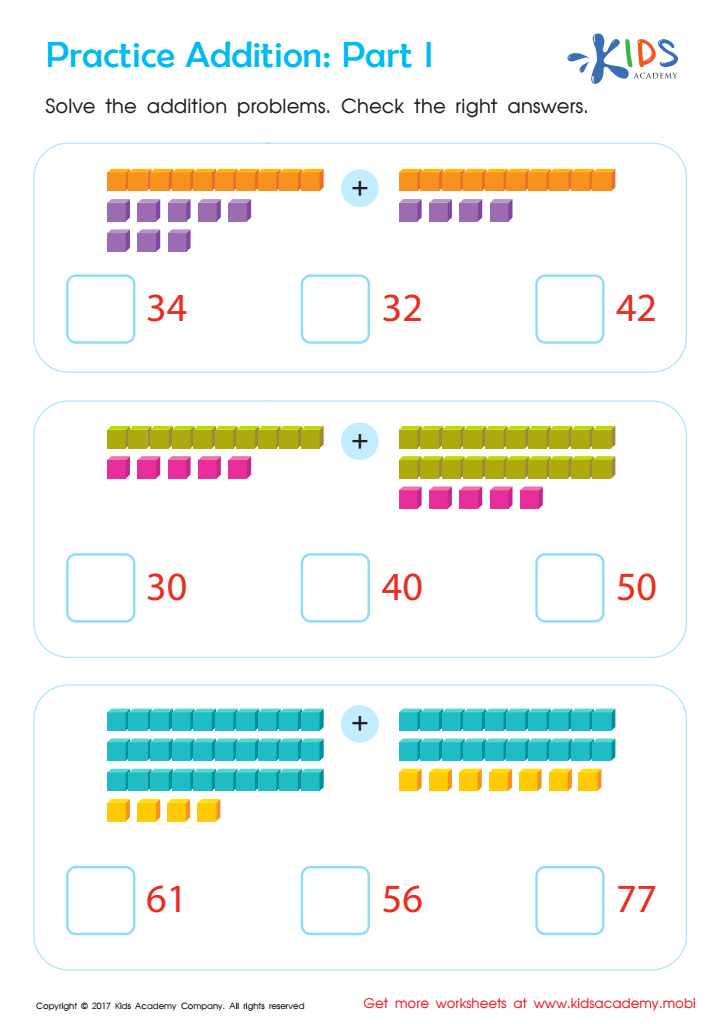
Practice Addition: Part 1 Worksheet
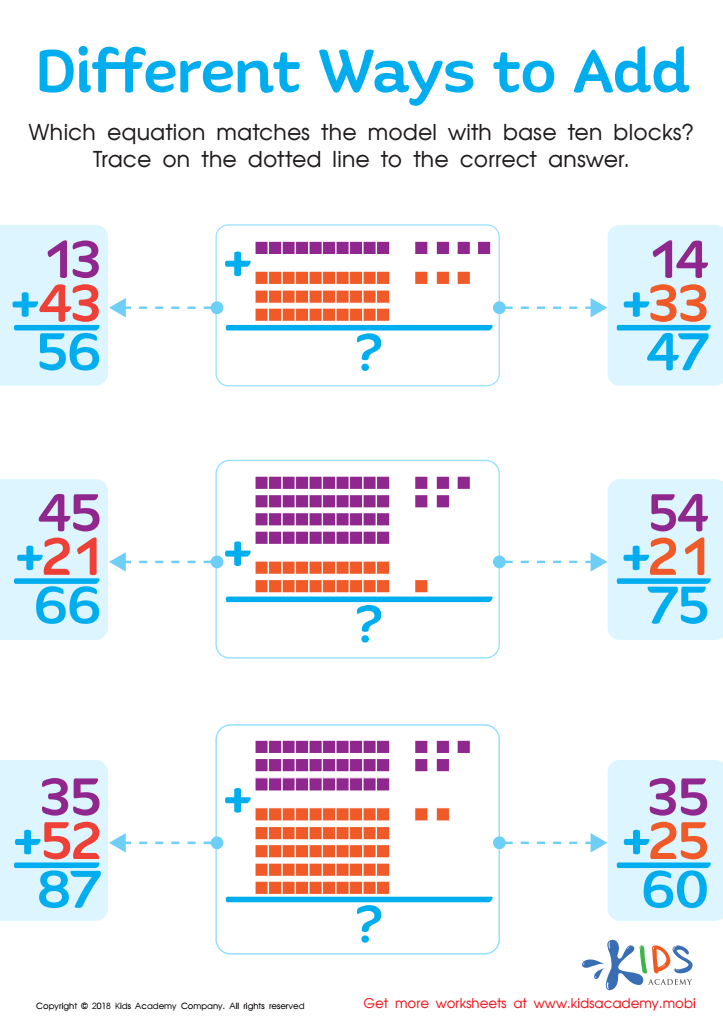
Different Ways to Add Worksheet
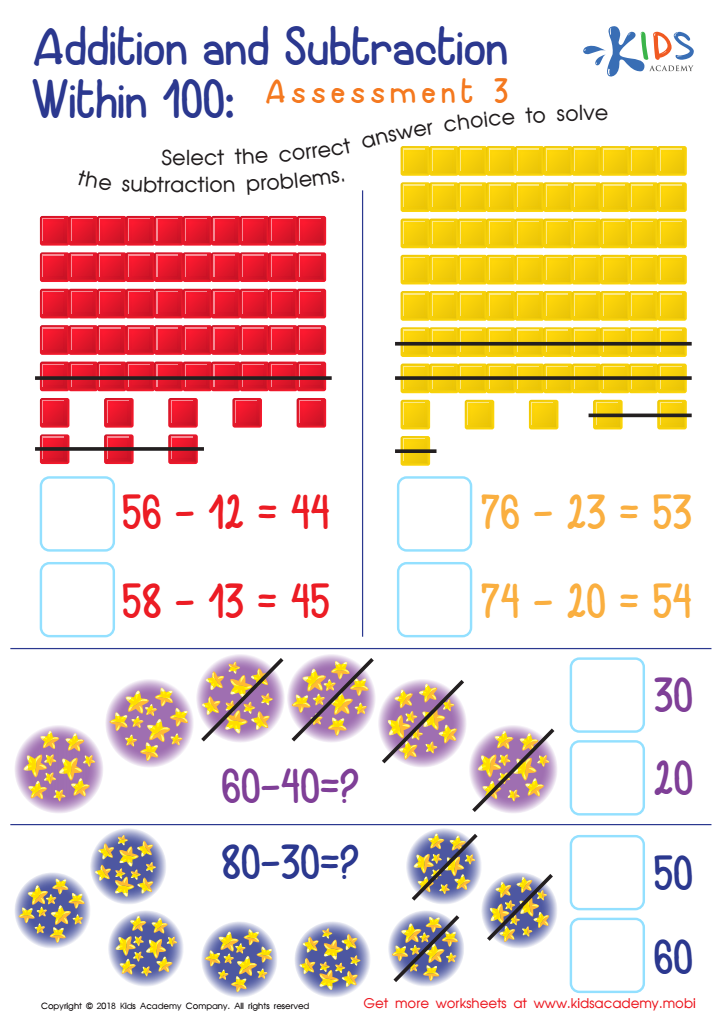
Addition and Subtraction Within 1: Assessment 3 Worksheet





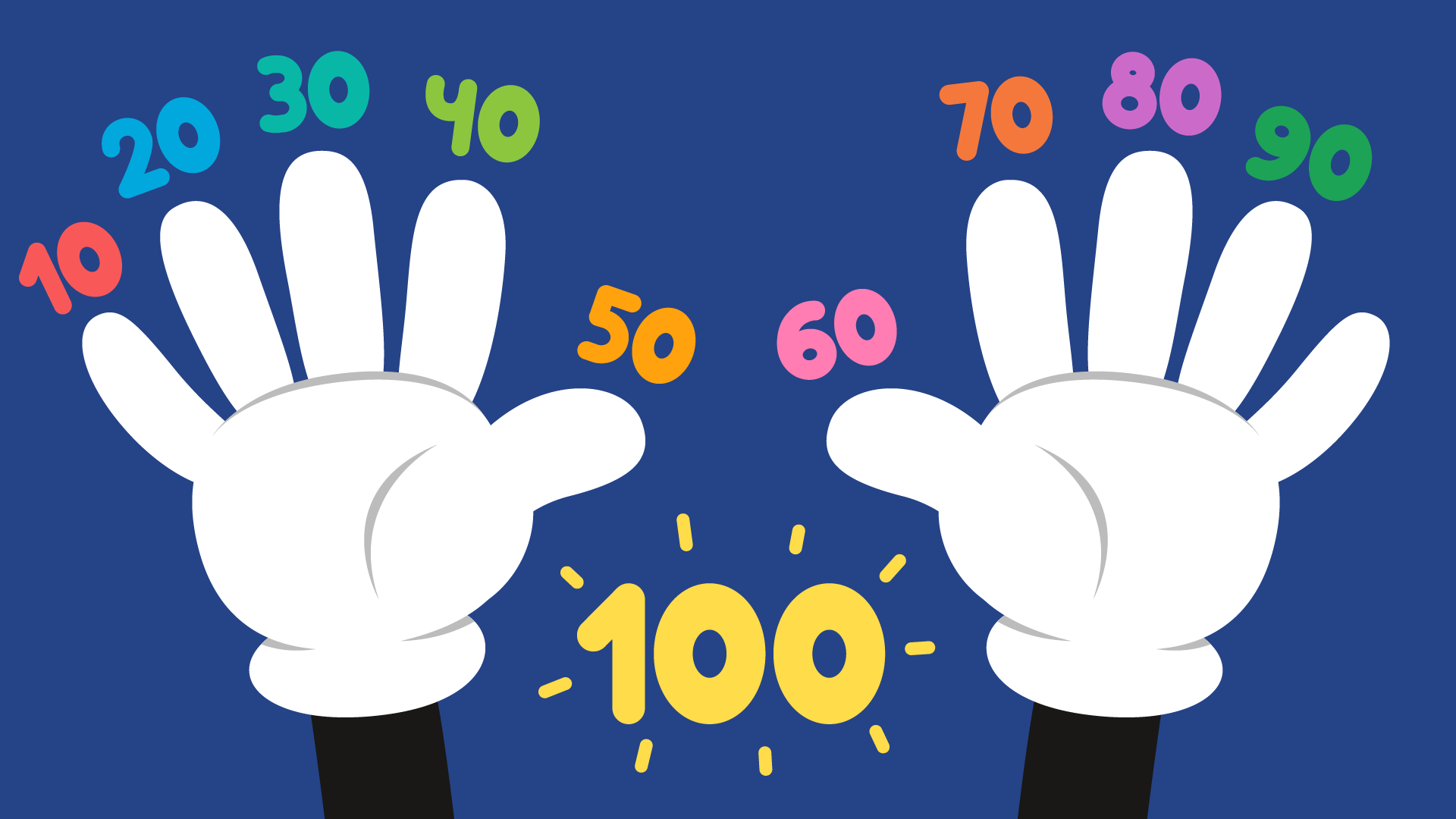


Building strong addition skills and an understanding of place value in young children (ages 3-6) is crucial for several reasons. At this developmental stage, children's brains are highly plastic and capable of absorbing mathematical concepts with relative ease. Understanding place value lays the foundation for comprehending our decimal number system, which is integral to virtually all future math skills, including more advanced addition and subtraction, multiplication, and division.
When children grasp the concept of place value, they can break down numbers into tens and ones, making addition and subtraction tasks more manageable. For example, understanding that 15 is composed of one ten and five ones simplifies solving problems like 15 + 4. This foundational knowledge helps children move beyond rote memorization of addition facts to more conceptual and efficient mental math strategies.
Additionally, developing these skills early fosters a sense of mathematical competency and confidence. Children are more likely to approach new and more challenging math tasks with enthusiasm rather than apprehension. Moreover, these early math skills are often predictors of later academic achievement not just in mathematics but across other disciplines as well.
For parents and teachers, investing time in nurturing these skills in the early years is essential for setting up lifelong positive learning trajectories and a solid foundation for academic success.