Basic arithmetic practice Building Vocabulary Worksheets for Ages 3-6
3 filtered results
-
From - To
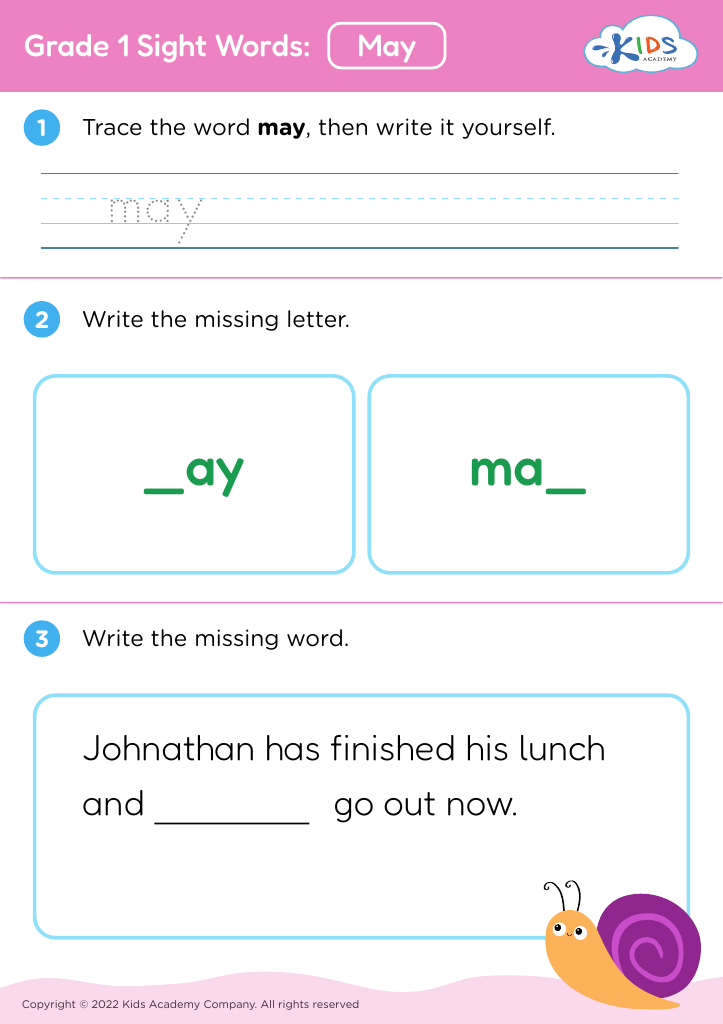
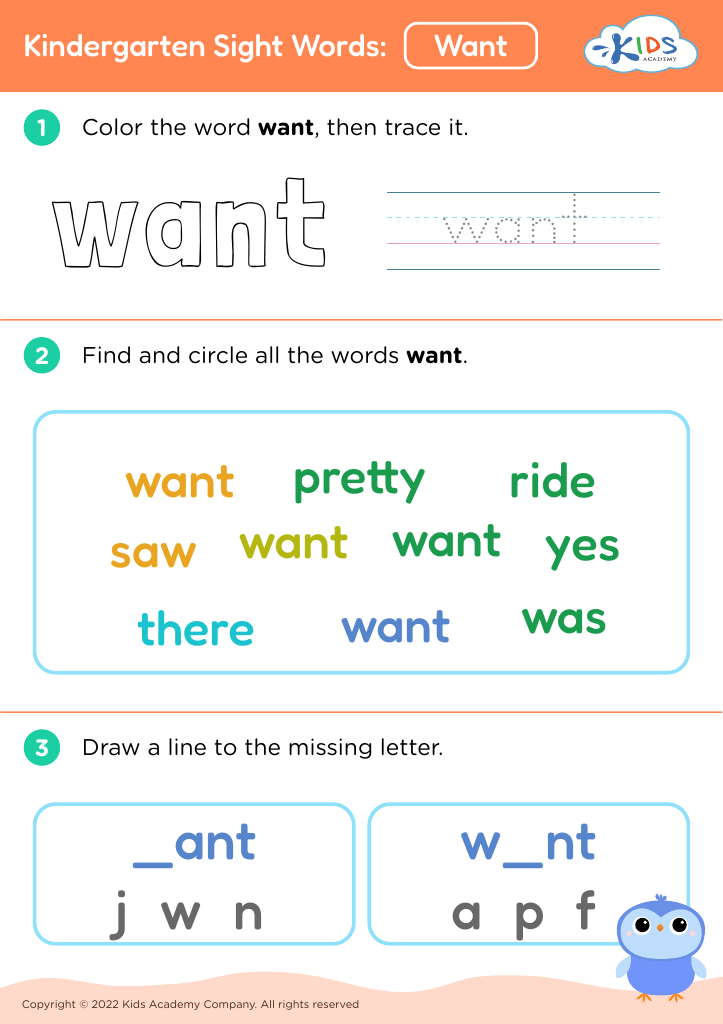
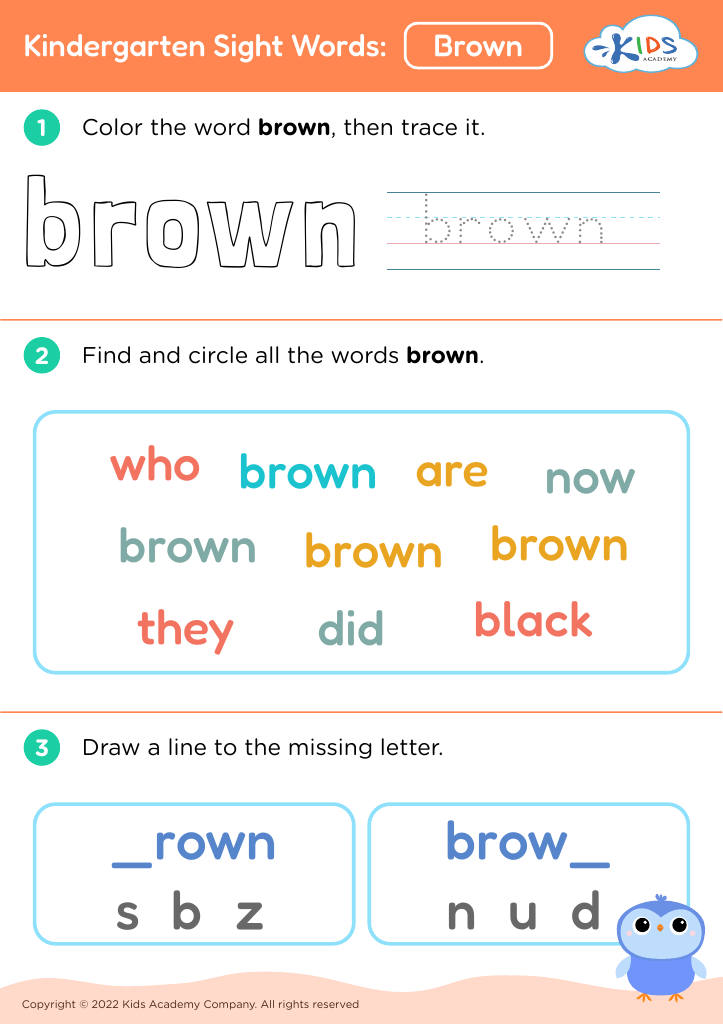
Our "Basic Arithmetic Practice Building Vocabulary Worksheets for Ages 3-6" are expertly crafted to blend foundational math skills with essential vocabulary development. Designed for young learners, these engaging worksheets help children grasp basic arithmetic concepts while expanding their language abilities. Fun activities such as counting, simple addition and subtraction, alongside picture-word associations, keep early learners captivated. Suitable for both classroom and home use, these resources ensure that children gain confidence in their math and language skills. Unlock the potential of your child's early education with our comprehensive and interactive worksheets, fostering both numeracy and literacy for lifelong learning success.



















Parents and teachers should prioritize basic arithmetic and vocabulary development for children aged 3-6 because these foundational skills are critical for lifelong learning and cognitive development. At this stage, young minds are incredibly malleable and responsive to new information.
Basic arithmetic, such as recognizing numbers, counting, and simple addition and subtraction, creates a strong numeracy foundation. These skills are essential for everyday tasks and future academic subjects like science, technology, engineering, and math (STEM). Early familiarity with arithmetic helps children understand more complex math concepts more easily down the line.
Vocabulary development is equally important because it enhances communication skills, reading comprehension, and overall cognitive abilities. A rich vocabulary allows children to express their thoughts and emotions more effectively, facilitating both social interactions and academic learning. Extensive vocabulary also lays the groundwork for reading proficiency, critical thinking, and problem-solving skills.
Engaging children in playful, age-appropriate activities like counting games, storytelling, and interactive dialogues can make learning these skills enjoyable and effective. Both arithmetic and vocabulary serve as building blocks for more complex educational topics and play a pivotal role in academic success and personal development. Investing time and effort in these areas sets the stage for a confident and curious learner.








