Multiplication practice Building Vocabulary Worksheets for Ages 3-6
4 filtered results
-
From - To
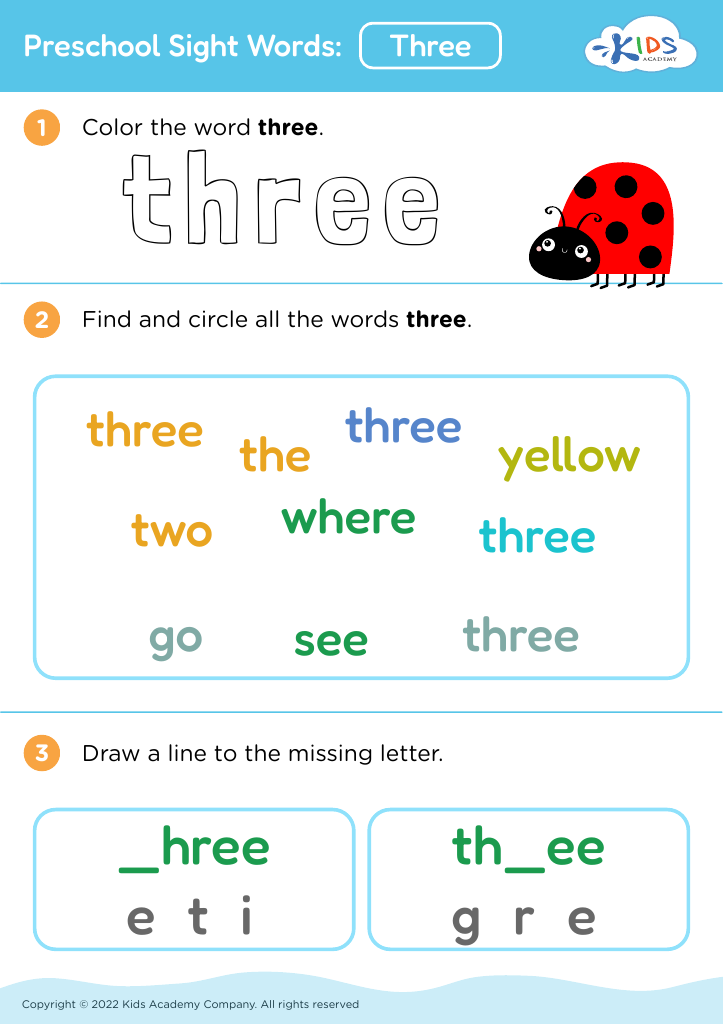
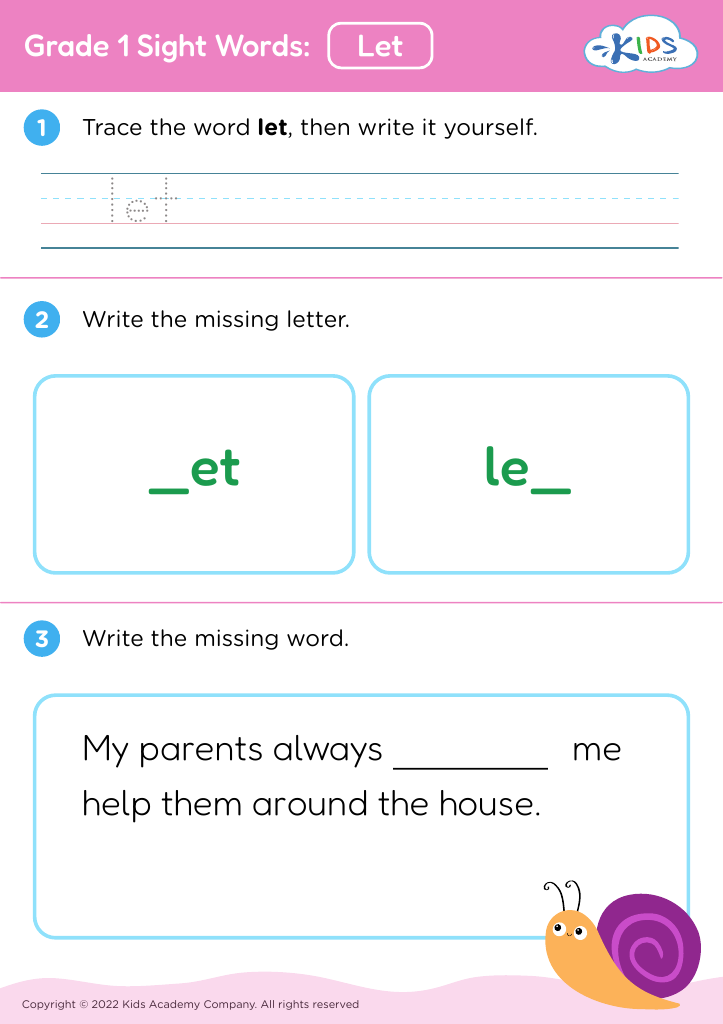
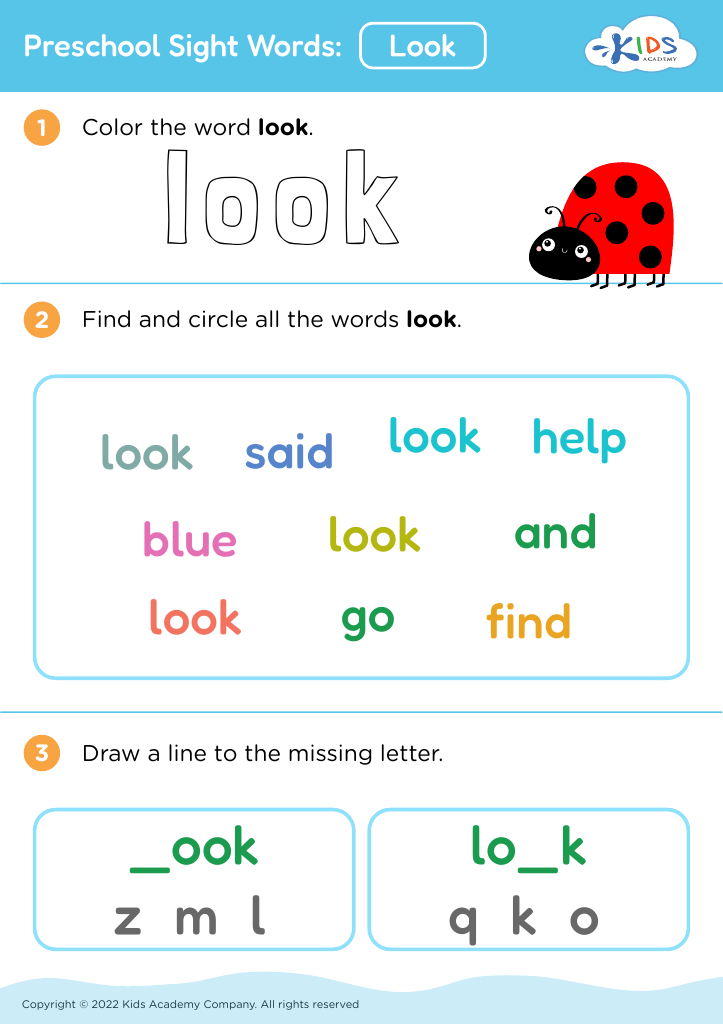
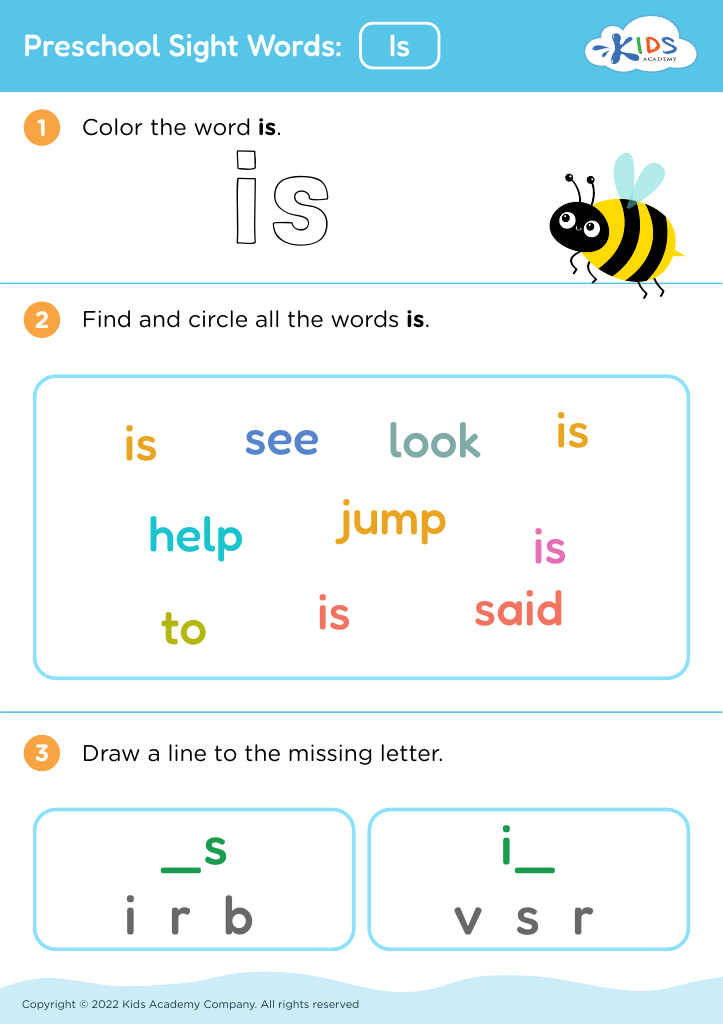
Introducing our engaging "Multiplication Practice Building Vocabulary Worksheets" specifically designed for ages 3-6! These interactive worksheets seamlessly blend early multiplication skills with vocabulary building, sparking curiosity and creativity in young learners. Each activity focuses on fundamental multiplication concepts while enhancing lexical proficiency through fun, context-rich exercises. Kids will not only practice their math skills but also develop essential language capabilities important for reading and comprehension. Perfect for classroom settings or at home, these worksheets provide parents and teachers innovative tools to nurture a love for learning. Explore a world of multiplication and vocabulary today and watch your child's confidence soar!













.jpg)



.jpg)

Parents and teachers should prioritize multiplication practice and vocabulary building for children ages 3-6 because both areas are foundational to a child's cognitive and linguistic development. Early exposure to multiplication through engaging activities such as games, songs, and visual aids can help create a strong number sense. Children who grasp these concepts early often develop better problem-solving skills, which are crucial in their educational journey.
Building vocabulary at this age is equally important as it enhances language skills, comprehension, and communication. Children who have a rich vocabulary are better equipped to express their thoughts and understand complex instructions, which aids their learning in all subjects, including math. Language and numerical skills are interconnected; for example, discussing multiplication concepts involves vocabulary relating to quantity, sharing, and groups.
Moreover, practicing multiplication in a fun, interactive way nurtures positive attitudes toward math and learning overall. This early engagement prevents the feelings of frustration and anxiety about mathematics that can develop later on. When parents and teachers actively support multiplication practice and vocabulary building, they foster a holistic educational environment that encourages curiosity, resilience, and excitement about learning. Thus, both skills serve as critical stepping stones for future academic success.








