Numerical problem solving Building Vocabulary Worksheets for Ages 3-6
3 filtered results
-
From - To
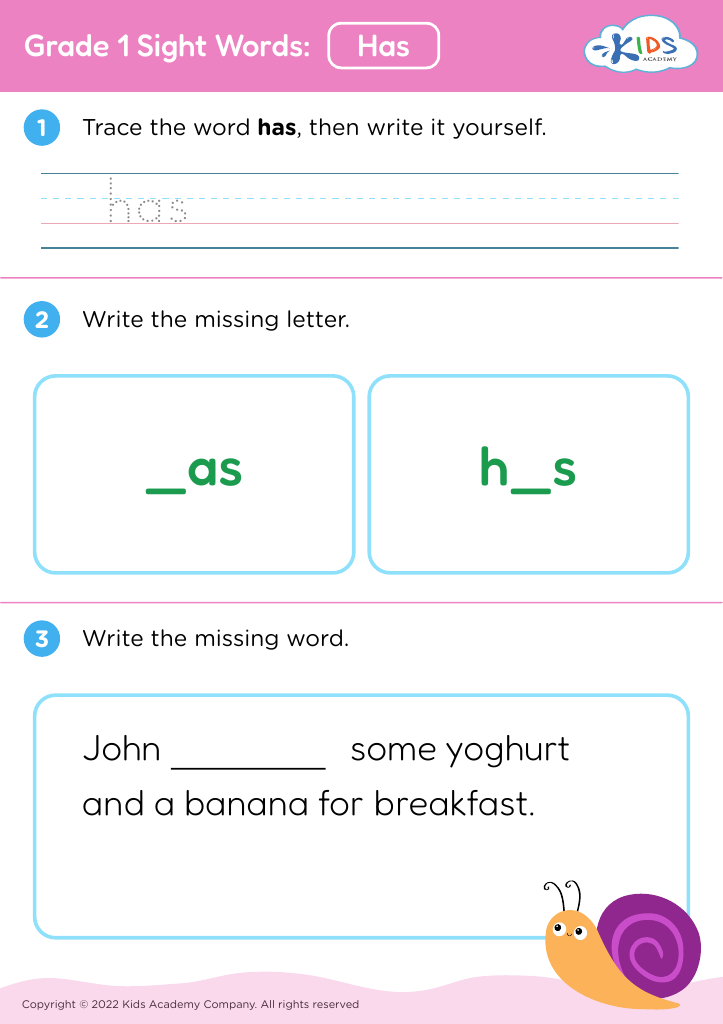
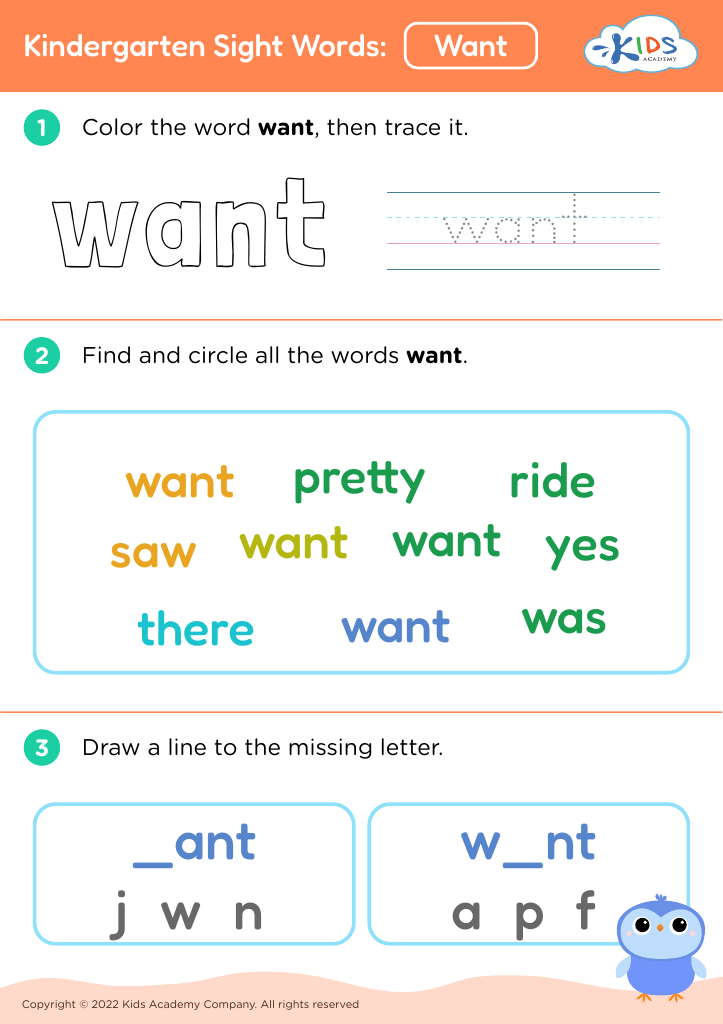
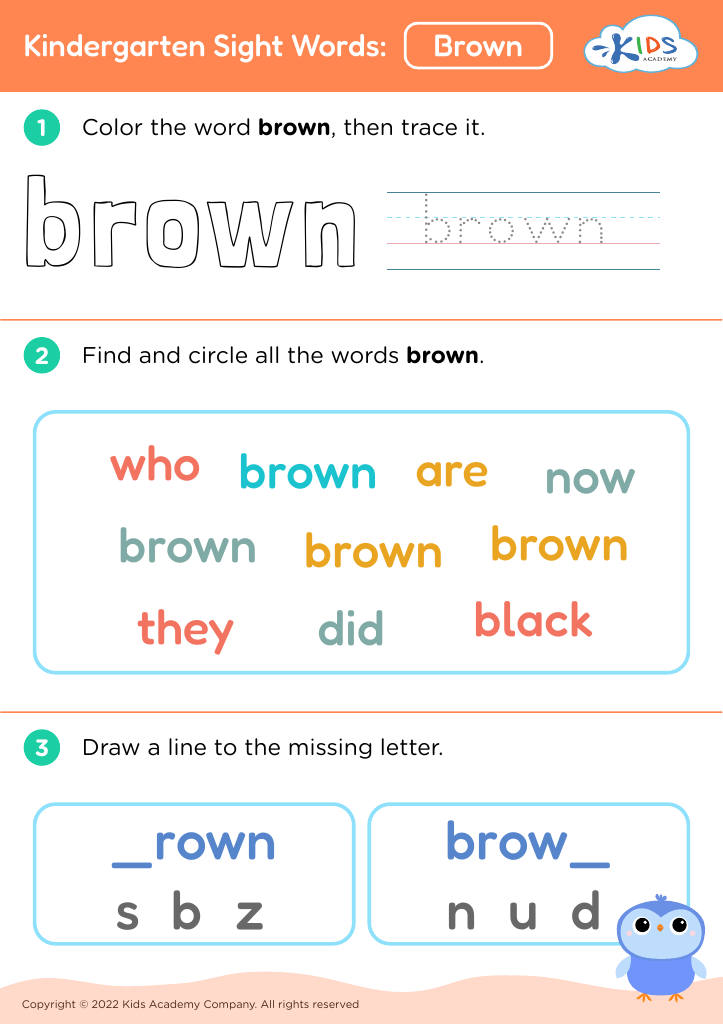
Enhance your child's early math skills with our "Numerical Problem-Solving Building Vocabulary Worksheets" designed for ages 3-6! These engaging worksheets combine number recognition, counting, and basic problem-solving to enrich your child's vocabulary and math comprehension. Amply illustrated and developmentally appropriate, they encourage imaginative thinking while building a solid foundation in both numerical concepts and language skills. Kids will love the interactive elements, making learning fun and effective! Whether at home or in the classroom, our resources are perfect for fostering independent learning and encouraging curiosity. Equip your little learners with the tools they need to thrive in education and beyond!
















.jpg)


Numerical problem-solving and building vocabulary are critical components of early childhood education for children aged 3 to 6, and both should be significant focal points for parents and teachers. First, numerical problem-solving fosters cognitive development; it enhances critical thinking skills, as children learn to process information, analyze situations, and come up with solutions. These skills will form a strong foundation for more advanced math concepts in later years.
Simultaneously, building vocabulary is essential as young children are rapidly developing their language skills. A robust vocabulary not only enhances communication but also allows children to express their thoughts more clearly. Furthermore, a rich vocabulary supports literacy development, meaning children with strong language skills are more likely to excel in reading and writing as they grow.
Both numerical problem-solving and vocabulary development work in tandem to promote overall academic success. Engaging children in activities that integrate both concepts—like play-based learning with counting games and storytelling—can enrich their educational experiences. Ultimately, parents and teachers should care because these foundational skills equips children with the tools necessary for lifelong learning, enabling them to navigate a complex world confidently. Happy, well-rounded learners ultimately contribute to a thriving society.








