
Problem Solving Building Vocabulary Worksheets for Ages 3-6
3 filtered results
Difficulty Level
Grade
Age
-
From - To
Subject
Activity
Standards
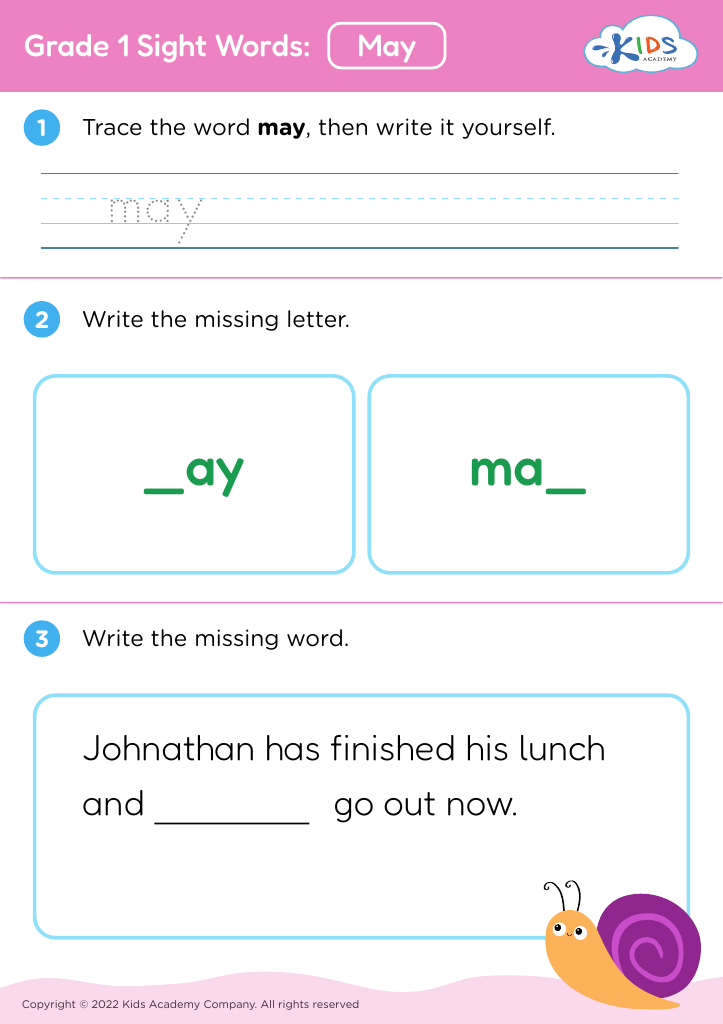
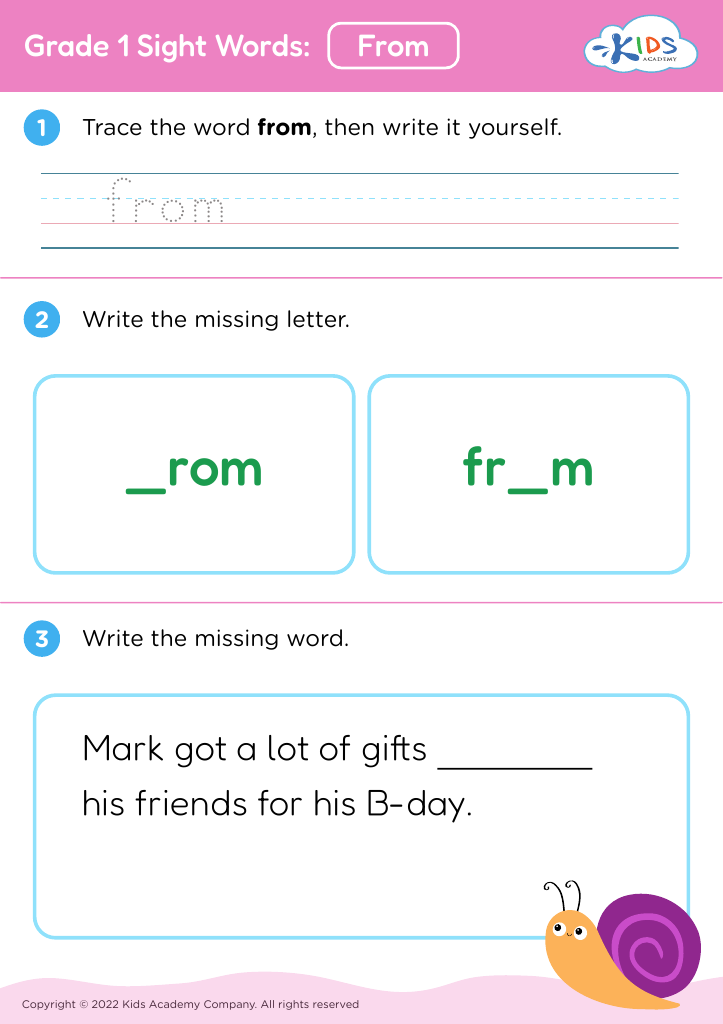
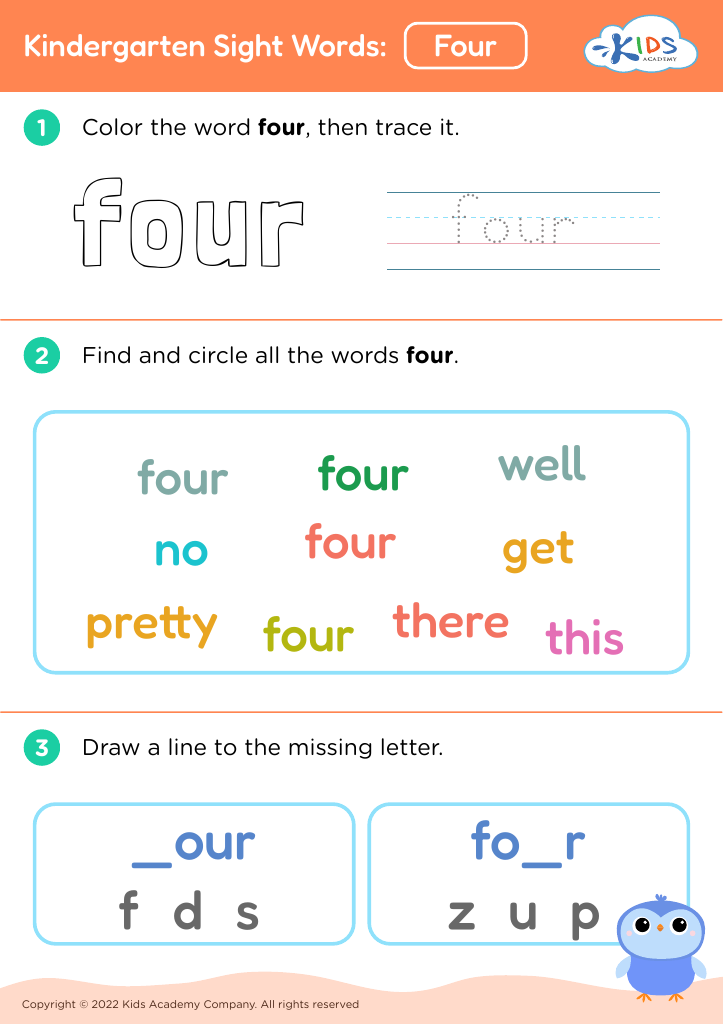
Unlock your child's potential with our Problem Solving Building Vocabulary Worksheets, designed specifically for ages 3-6! These engaging worksheets help young learners develop critical thinking and problem-solving skills while expanding their vocabulary. With fun activities that combine word recognition and problem-solving tasks, children will enjoy learning in an interactive way. Each worksheet encourages creativity and reinforces essential language skills, making it easier for your little one to express themselves effectively. Perfect for both classroom and home use, these worksheets provide a fantastic foundation for a lifetime of learning. Help your child discover the joy of words and problem solving today!
Favorites
With answer key
Interactive











Join Kids Academy for Free
Who is primarily going to use this learning content?








Problem-solving skills and vocabulary development are crucial for children ages 3-6, effectively laying the foundation for their overall learning and social interactions. At this age, children are naturally curious and engage in play-based learning, often encountering challenges that require them to think critically and creatively. When parents and teachers focus on building problem-solving skills, children learn to navigate obstacles, think through different solutions, and develop persistence—all essential skills for future academic success.
Furthermore, vocabulary development is intricately linked to cognitive growth. A rich vocabulary allows children to articulate their thoughts, feelings, and ideas, fostering better communication with peers and adults. When children can express themselves clearly, they are more likely to engage in meaningful conversations, ask questions, and articulate the problems they encounter, enhancing their problem-solving capacity.
By integrating vocabulary-building activities into early education, such as storytelling, word games, and interactive conversations, parents and teachers cultivate an environment that promotes exploration and critical thinking. Ultimately, prioritizing these skills not only empowers young learners to approach challenges with confidence but also equips them with the linguistic tools necessary for effective interactions, thus preparing them for lifelong learning.








