
Recognizing numbers Building Vocabulary Worksheets for Ages 3-6
3 filtered results
Difficulty Level
Grade
Age
-
From - To
Subject
Activity
Standards
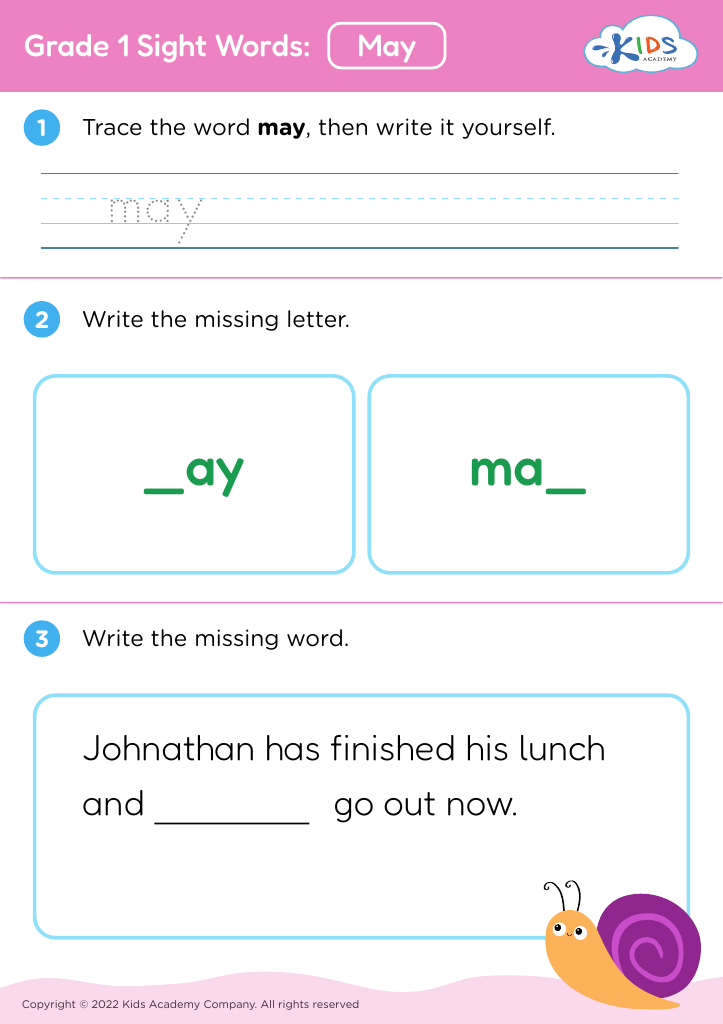
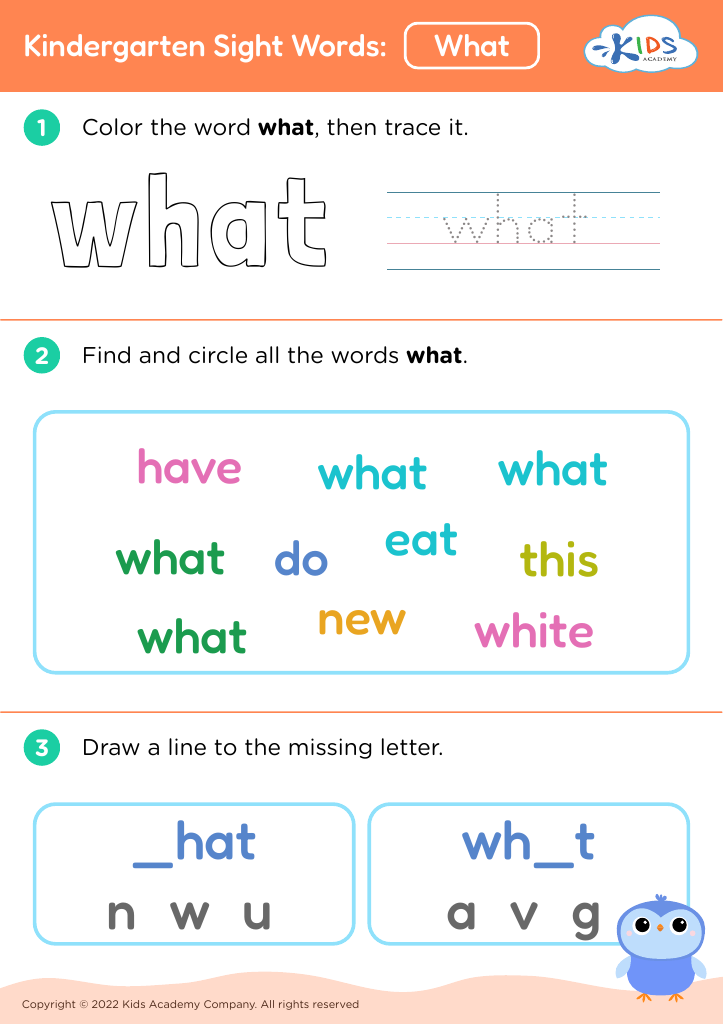
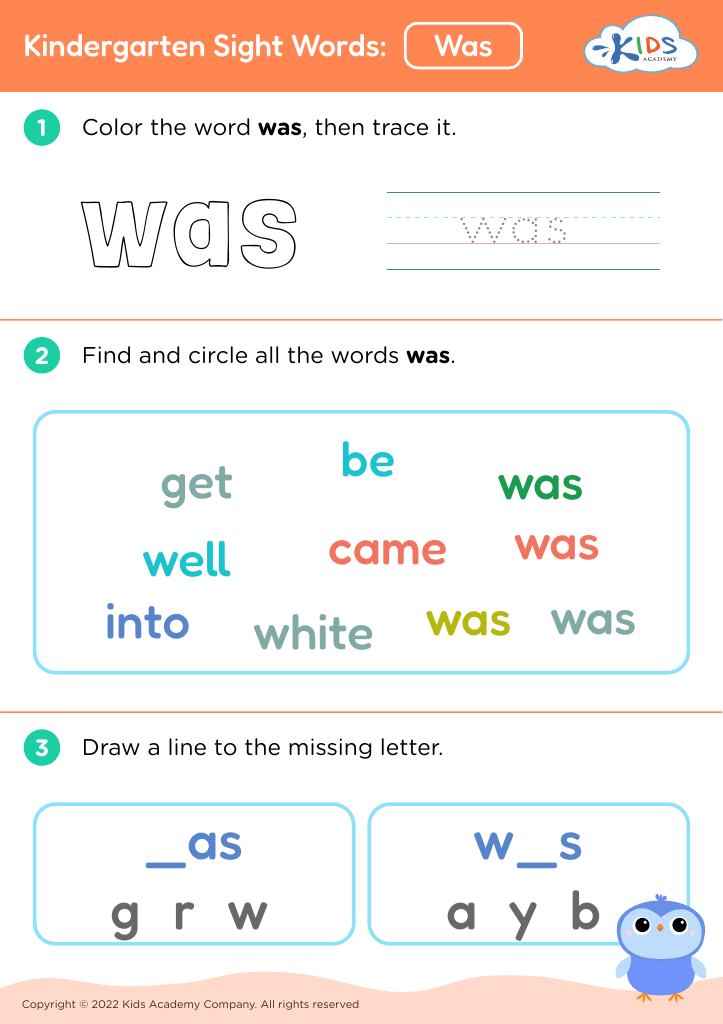
Discover our "Recognizing Numbers Building Vocabulary Worksheets" designed for children aged 3-6! These engaging worksheets provide a fun way for young learners to identify numbers while simultaneously expanding their vocabulary. Each activity is crafted to capture the attention of toddlers and preschoolers, making learning an enjoyable experience. Through colorful illustrations and interactive exercises, children will enhance their number recognition skills as they associate words with quantities. Perfect for home or classroom use, these worksheets support early math and language development, fostering a solid foundation for future learning. Start your child’s educational journey today and watch their confidence grow!
Favorites
With answer key
Interactive











Join Kids Academy for Free
Who is primarily going to use this learning content?








Recognizing numbers and building vocabulary are crucial foundational skills for children aged 3-6 years, and both play an essential role in their overall development. At this stage, children are naturally curious and eager to learn, which makes it an ideal time to introduce numbers and vocabulary.
Recognizing numbers helps children understand mathematical concepts and encourages logical thinking. It sets the groundwork for future math skills such as counting, addition, and subtraction. By helping children recognize patterns and relationships through numeracy, parents and teachers can foster a lifelong appreciation for math.
Similarly, building vocabulary enhances communication skills, reading comprehension, and cognitive development. A rich vocabulary promotes better expression of thoughts and feelings, which boosts confidence and social interaction. Exposure to diverse words can stimulate imagination, critical thinking, and problem-solving abilities, critical for success in school and beyond.
In summary, parents and teachers should prioritize recognizing numbers and building vocabulary because these skills are not only foundational for academic success but also enrich children's daily experiences, enabling them to navigate the world effectively. Investing in these areas ensures that children are better prepared for future learning, social engagement, and critical thinking challenges.








